

In The Media
Jessica Tuchman Mathews
{
  "authors": [
    "Jessica Tuchman Mathews"
  ],
  "type": "legacyinthemedia",
  "centerAffiliationAll": "",
  "centers": [
    "Carnegie Endowment for International Peace",
    "Carnegie Europe"
  ],
  "collections": [],
  "englishNewsletterAll": "",
  "nonEnglishNewsletterAll": "",
  "primaryCenter": "Carnegie Endowment for International Peace",
  "programAffiliation": "",
  "programs": [],
  "projects": [],
  "regions": [
    "Middle East",
    "Iraq"
  ],
  "topics": []
}
Source: Getty
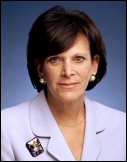
Carnegie President Jessica T. Mathews appeared on BBC Radio 4’s The World Tonight to discuss the effectiveness of the “surge” in meeting its objectives in Iraq. Mathews argues that while a departure of U.S. troops from Iraq would likely increase violence in the short-term, it remains unclear whether the consequences of staying are better for the U.S. and Iraq in the medium- and long-term.
Source: BBC Radio 4 The World Tonight

Carnegie President Jessica T. Mathews appeared on BBC Radio 4’s The World Tonight to discuss the effectiveness of the “surge” in meeting its objectives in Iraq. Mathews argues that while a departure of U.S. troops from Iraq would likely increase violence in the short-term, it remains unclear whether the consequences of staying are better for the U.S. and Iraq in the medium- and long-term. “At the cost of a lot of lives and an enormous amount of money—$12 billion a month—we are basically paying both sides to turn to each other and not to kill us. We are paying Sunni militia, we’re paying Shi’a militia, and that is obviously not a long-term formula for progress.”

Distinguished Fellow
Mathews is a distinguished fellow at the Carnegie Endowment for International Peace. She served as Carnegie’s president for 18 years.
Recent Work
Jessica Tuchman Mathews
Jessica Tuchman Mathews
Carnegie does not take institutional positions on public policy issues; the views represented herein are those of the author(s) and do not necessarily reflect the views of Carnegie, its staff, or its trustees.

The EU’s new migration policy is not suited to today’s realities. With climate change increasingly becoming a driver of displacement, Europe needs to rethink its deterrence-focused approach.

Shana Tabak
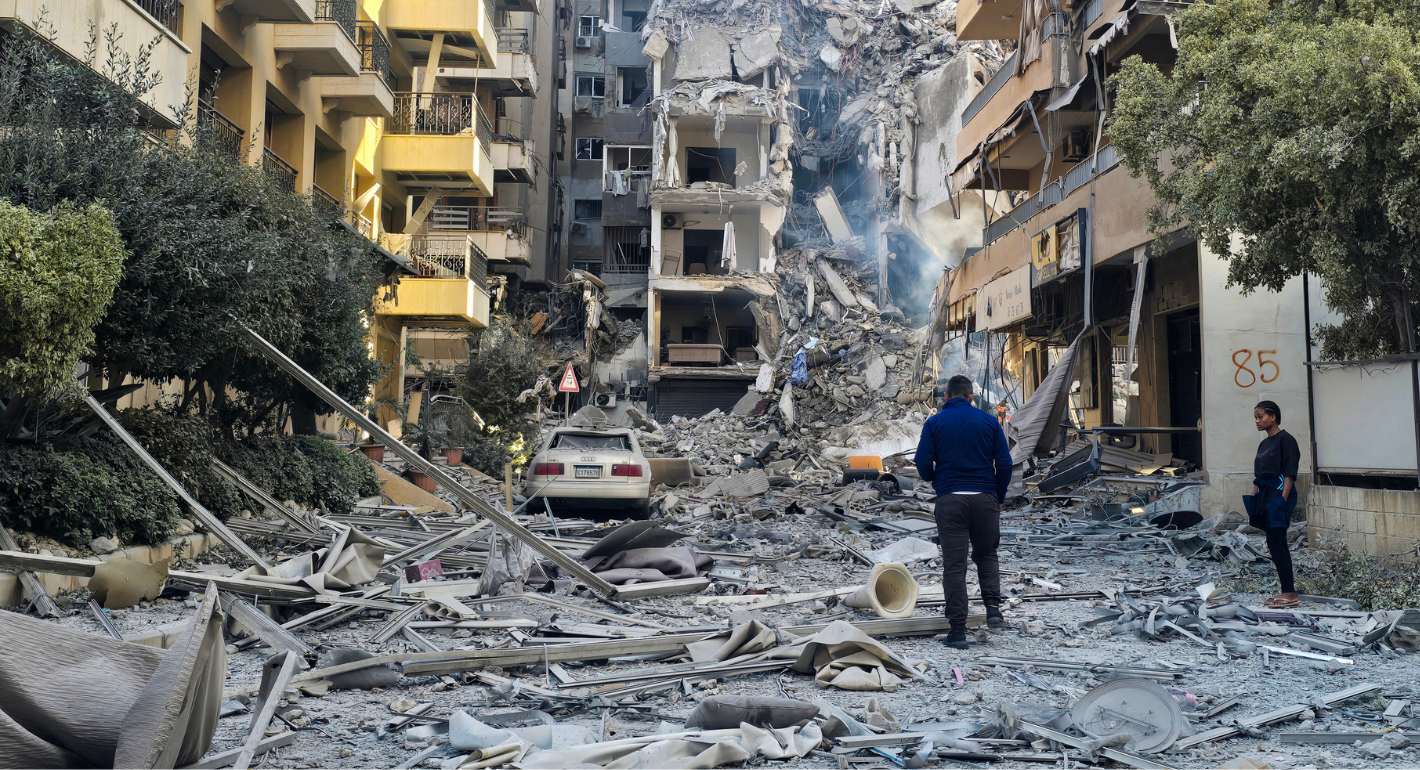
Europe seems to have accepted its sidelining in the Middle East. The EU must reassert its support for the international rules-based order and step up engagement.

Rym Momtaz
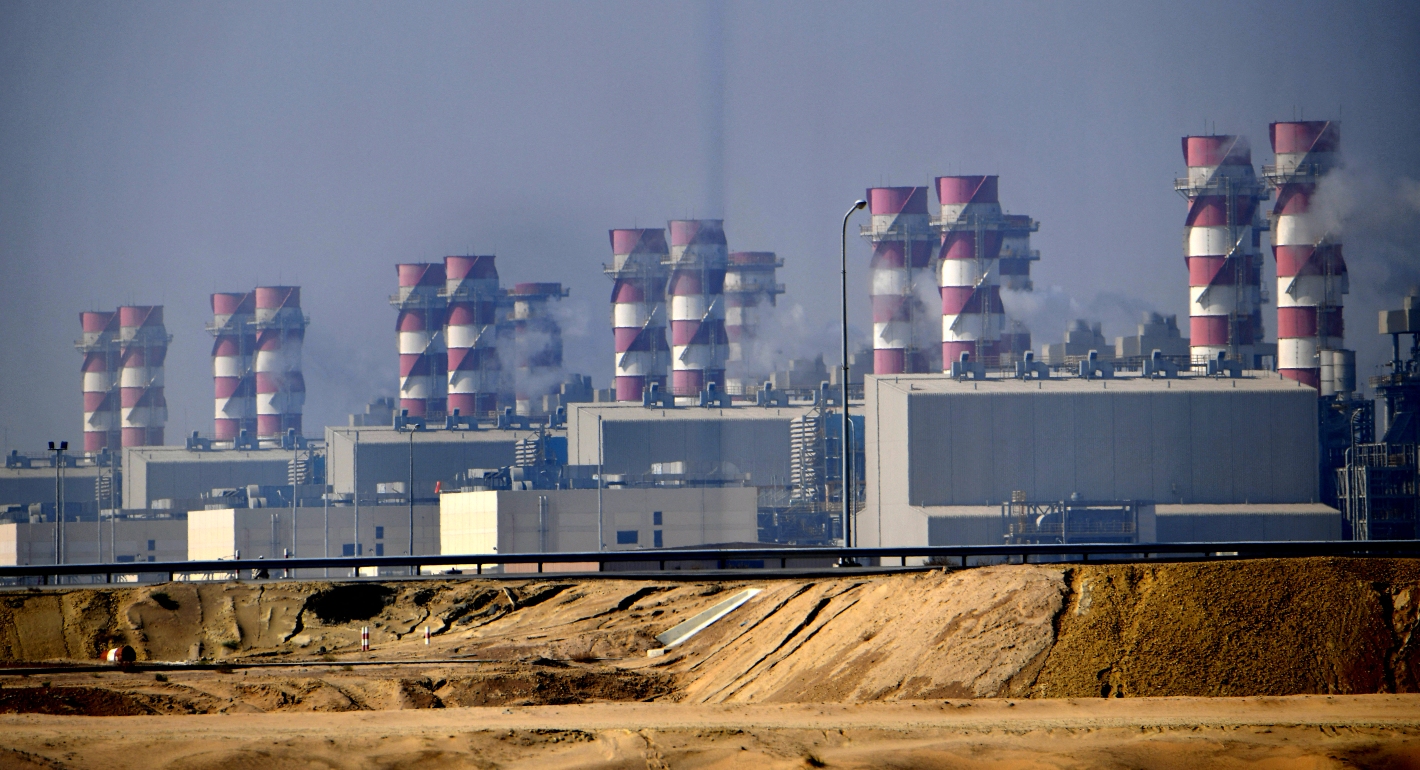
The U.S.-Iran war has crossed a dangerous threshold: water infrastructure in the Gulf is now a target. Ecological statecraft is no longer peripheral to security, it's part of its foundations.
Olivia Lazard, Ali Bin Shahid
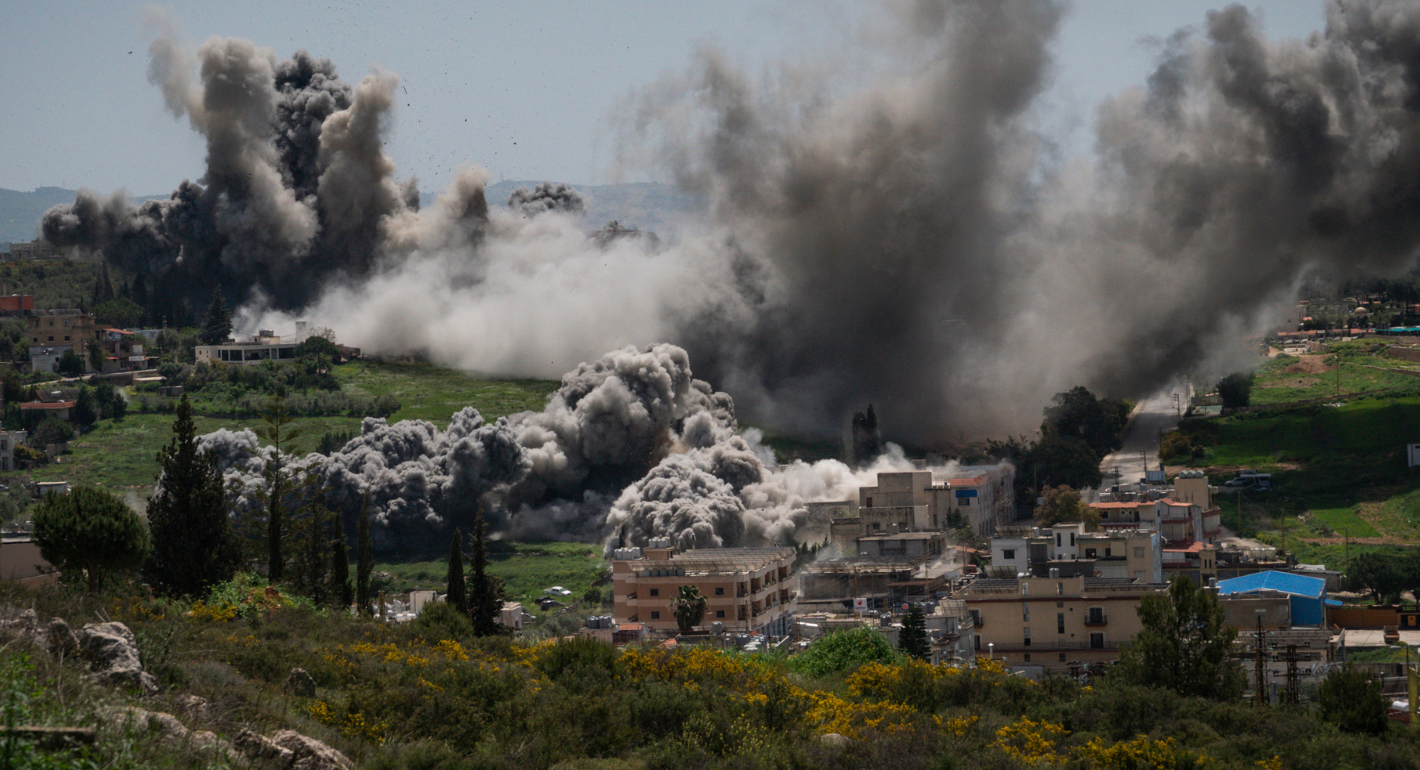
Europe has been standing by while its Southern neighborhood is being redrawn by force. To establish a path to peace between Israel and Lebanon, it’s time for Europeans to get involved with hard power.
Rym Momtaz
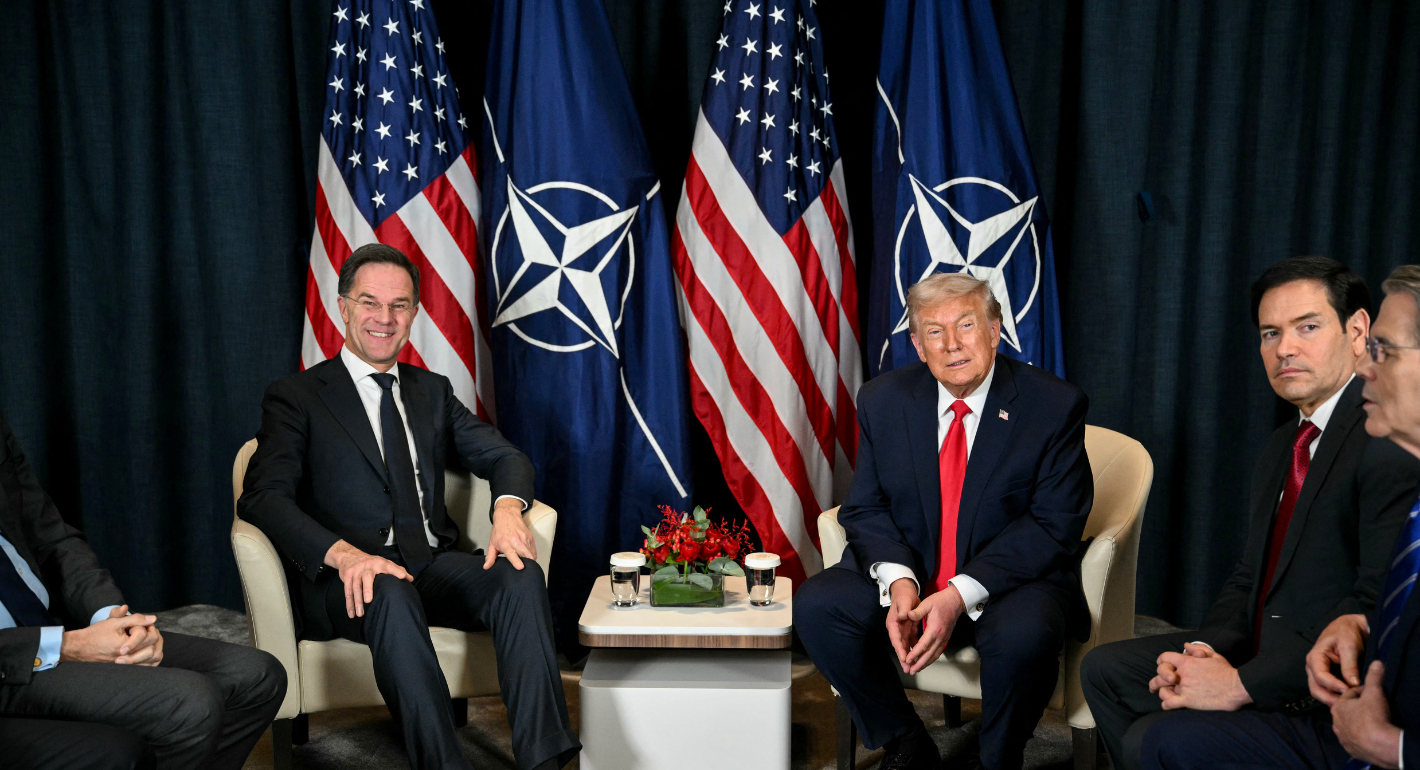
Donald Trump has demanded that European allies send ships to the Strait of Hormuz while his war of choice in Iran rages on. He has constantly berated NATO while the alliance’s secretary-general has emphatically supported him.
Rym Momtaz, ed.