

Commentary
Amr Hamzawy
{
  "authors": [
    "Amr Hamzawy"
  ],
  "type": "legacyinthemedia",
  "centerAffiliationAll": "dc",
  "centers": [
    "Carnegie Endowment for International Peace"
  ],
  "collections": [],
  "englishNewsletterAll": "menaTransitions",
  "nonEnglishNewsletterAll": "",
  "primaryCenter": "Carnegie Endowment for International Peace",
  "programAffiliation": "MEP",
  "programs": [
    "Middle East"
  ],
  "projects": [],
  "regions": [
    "Middle East"
  ],
  "topics": [
    "Economy"
  ]
}
Source: Getty
In today's world, one detects a growing tension between governments and nations. The democracies of Europe and North America are faltering on their commitments to their people; namely, on the social contract inherent in the modern state. These governments were supposed to safeguard the free economy, social justice, and civil and political liberties. Not anymore.
Source: Al Ahram Weekly

Wherever we look, we see a growing gap between the rich and the poor. In the US, less than 10 per cent of Americans own more than 70 per cent of the nation's wealth. And the Bush administration has encroached upon civil and political liberties and made a mockery of the traditional system of checks and balances. Now the US is in the middle of a recession triggered by military misadventure in Iraq. No wonder, then, that most Americans have lost faith in the country's institutions and politics.
In Europe, the encroachment on political rights may be less, but the gap between rich and poor is just as bad. Since Margaret Thatcher dismantled the welfare state in the UK (1979-1990), other governments in Germany, France, Italy and Spain have followed suit. In Germany, the middle class dwindled from 62 per cent of the population in 2000 to 54 per cent in 2006. Almost 12 per cent of Germans, 17 per cent of Britons and 18 per cent of Italians now live in near poverty.
In other parts of the world, where democracy never took root to start with, things are worse. In countries such as China, Russia, Iran, Egypt, Morocco and Venezuela, political rights are sketchy at best. China's communist government crushed demonstrators in Tiananmen in 1989. The Russian government is not listening to those who question Putin's power, so the man who was president is going to be prime minister. Egypt, for its part, gets short-tempered whenever demonstrators take to the street to voice economic and other grievances.
Only in the Gulf can governments keep their citizens happy. That's done by using oil revenue to provide various public services. But how long can a country live on oil alone? And how long can one tribe or clique monopolise power to the exclusion of others? We need governments that care for all, not the few. In brief, we need a new social contract.

Director, Middle East Program
Amr Hamzawy is a senior fellow and the director of the Carnegie Middle East Program. His research and writings focus on Egypt’s and other middle powers’ involvement in regional security in the Middle East, particularly through collective diplomacy and multilateral conflict resolution
Recent Work
Amr Hamzawy
Amr Hamzawy
Carnegie does not take institutional positions on public policy issues; the views represented herein are those of the author(s) and do not necessarily reflect the views of Carnegie, its staff, or its trustees.

As geopolitical rivalry weaponizes global supply chains, the EU’s true vulnerability lies in emerging-risk imports. For these goods, suppliers are growing more concentrated, substitution more difficult, and political risk is looming.

Sinan Ülgen

The EU is putting together a new security strategy to meet today’s myriad challenges. But for any proposal to be effective, the union needs to grapple with its identity and ambitions.

Pierre Vimont
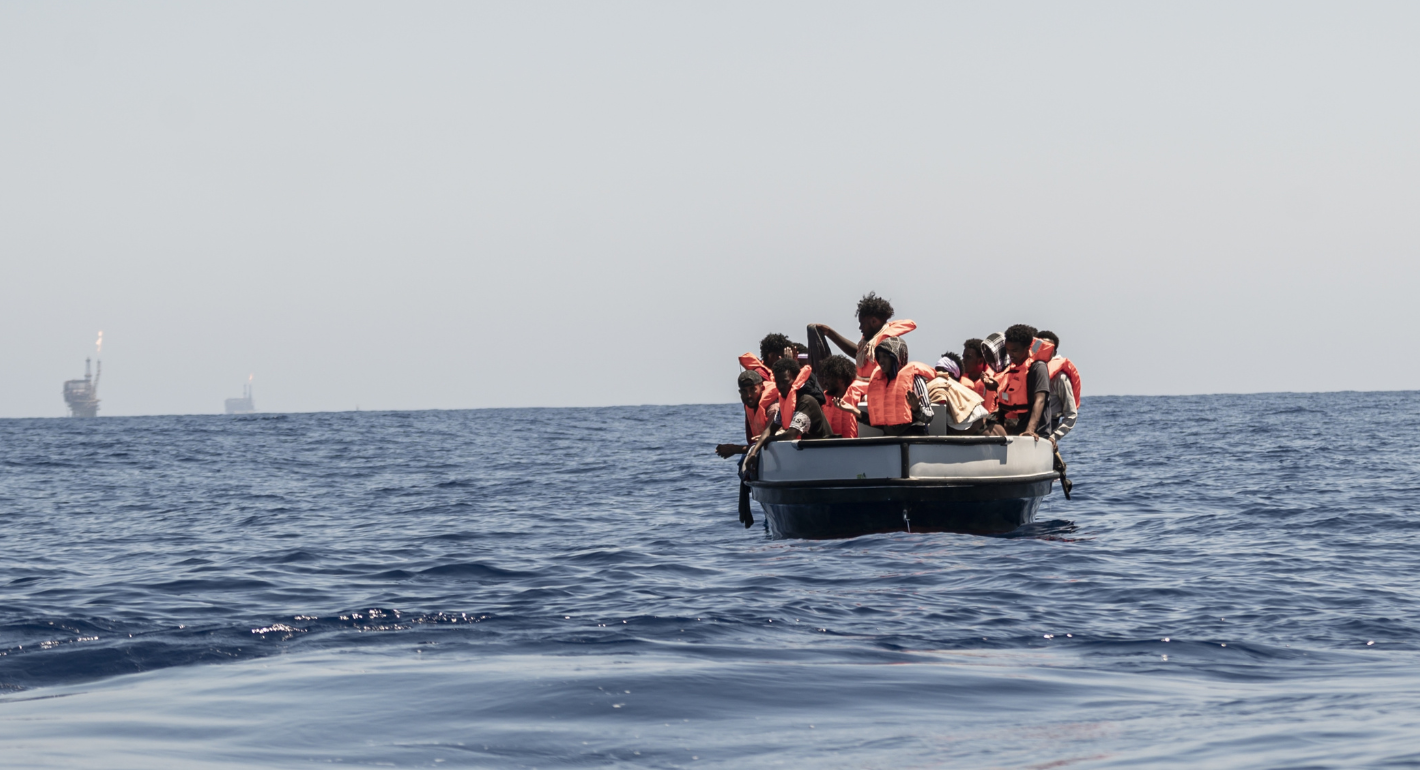
The EU’s new migration policy is not suited to today’s realities. With climate change increasingly becoming a driver of displacement, Europe needs to rethink its deterrence-focused approach.

Shana Tabak
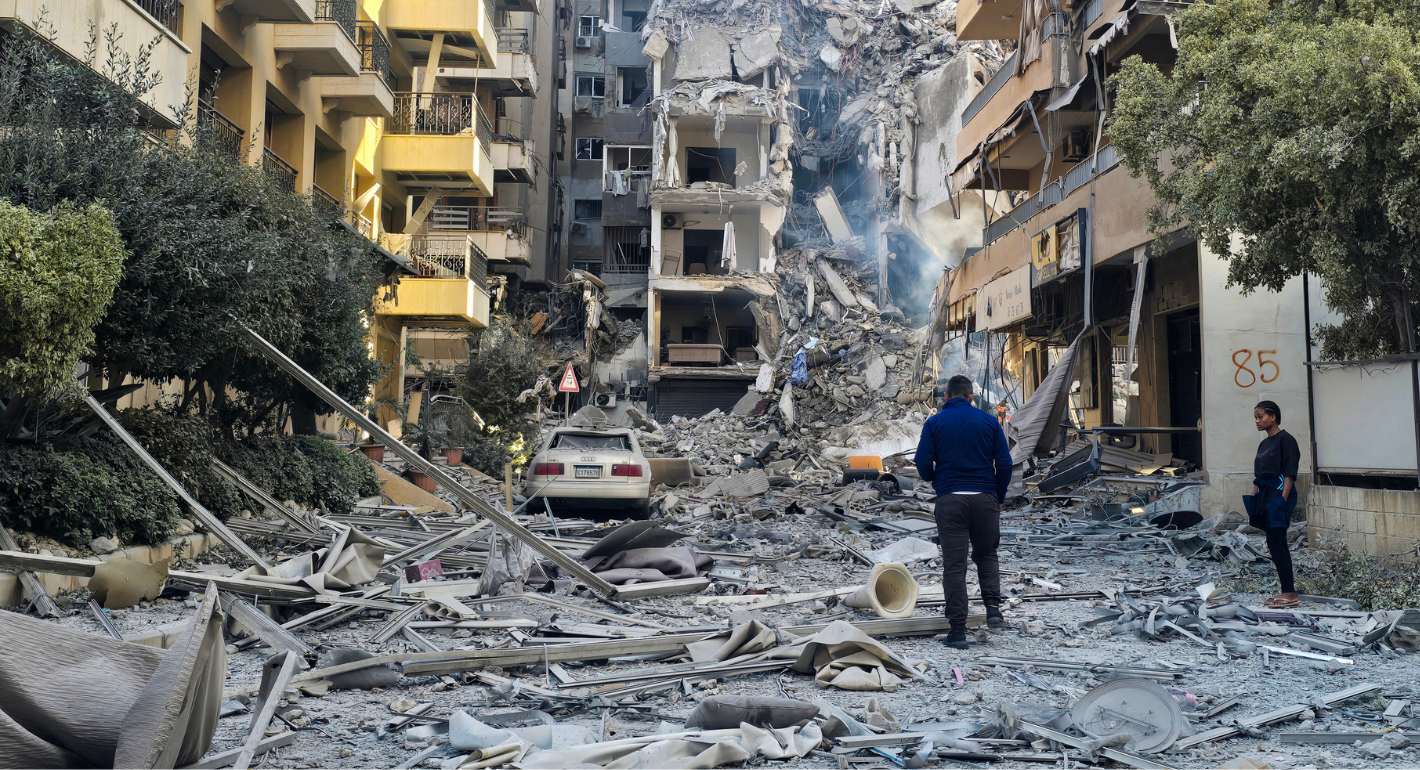
Europe seems to have accepted its sidelining in the Middle East. The EU must reassert its support for the international rules-based order and step up engagement.

Rym Momtaz
Between the United States’ market-driven approach and China's state-led industrial strategy, Europe is reckoning with how it can remain competitive in the global economy. But is Europe in danger of becoming a U.S. or China colony?
Noah Barkin, Anu Bradford