

Article
Amr Hamzawy
{
  "authors": [
    "Amr Hamzawy"
  ],
  "type": "legacyinthemedia",
  "centerAffiliationAll": "dc",
  "centers": [
    "Carnegie Endowment for International Peace"
  ],
  "collections": [],
  "englishNewsletterAll": "menaTransitions",
  "nonEnglishNewsletterAll": "",
  "primaryCenter": "Carnegie Endowment for International Peace",
  "programAffiliation": "MEP",
  "programs": [
    "Middle East"
  ],
  "projects": [],
  "regions": [
    "Egypt"
  ],
  "topics": [
    "Political Reform",
    "Economy"
  ]
}
Source: Getty
In Arab countries such as Morocco, Egypt and Jordan, a burgeoning social crisis caused by out-of-control global inflationary pressures, a crippled welfare system and high levels of poverty and unemployment is complicated by a broader political deterioration. The simultaneous trajectories of social unrest and deteriorating politics call into question the prospects of stability in those countries.
Source: The Daily Star

Over the past two years, Egypt has come to be a case in point for the dangers inherent in that kind of development. On April 6, 2008 a number of civil society organizations including independent unions, syndicates and networks of young activists - some of whom belong to political parties - organized a national strike day to express their frustration with deteriorating social and economic conditions. Although government security forces contained the strike in most Egyptian cities, they could not stop workers in state-owned industrial complexes in Mahalla, a city in northern Egypt, from orchestrating massive demonstrations. There were numerous reports of violent confrontations and clashes between thousands of protesters and security forces that went on for two days.
Workers' strikes have become frequent in Egypt. Hundreds of strikes and protests have been carried out over the past two years, but none escalated to the levels of early April. The primary demand of workers has been to link their wages to commodity price levels. Inflation has been a problem for many years in Egypt, settling at around 8 percent in late 2007, according to the International Monetary Fund. Earlier in March, unanticipated shortages of subsidized bread caused considerable popular agitation, prompting President Hosni Mubarak to instruct army bakeries to boost their production.
The social unrest of the last two years is quite different from what Egypt witnessed briefly between 2004 and 2005. Back then, street-level outbursts were the result of reform-driven activism led by several opposition movements, most notably the Muslim Brotherhood and Kifaya. By and large, the present unrest is a reaction to the acute decline in socioeconomic conditions, and its instigators do not appear to have a well thought-out agenda.
The regime has consistently tried to contain the situation through a combination of repressive and conciliatory measures. Government officials have issued warnings to industrial workers that participation in strikes or any other protest activities would cost them their jobs. More often than not, security forces have been deployed to preempt or smother strikes. At times, however, the regime has yielded to certain demands such as increases in wages, expanding the beneficiary pool of state welfare programs and sustaining some subsidies. Most recently, Mubarak announced a 30 percent increase in public sector wages. Yet the persistence of protest activities demonstrates the seriousness of popular discontent and the failure of both oppressive methods and minor peace-making concessions to mollify the public.
The Egyptian regime's lack of an overall strategy to address the country's enduring troubles extends far beyond the economic sphere. The regime seems to have abandoned the often implemented option of using political reforms to defuse socioeconomic tensions. The strong showing of the Muslim Brotherhood in the parliamentary elections of 2005, when its candidates won 20 percent of the seats of the People's Assembly (the lower chamber of the Egyptian Parliament), tested the regime's grip on power and led it to crack down on the political activism of the years before.
In 2006, the regime postponed local elections, extended the state of emergency and repressed opposition activists. And it suppressed efforts by the country's judiciary to accrue some measure of independence. The Muslim Brotherhood also became a target: In 2006 and 2007, the regime launched a wave of arrests targeting the movement's high-ranking leaders and financiers.
The resultant weakness of the organized political opposition is further augmenting social unrest. The capacity of opposition groups to operate effectively has been terribly deflated. The consequence of this condition has been a massive increase in spontaneous, unstructured outbreaks of civil disobedience. Leading these discordant waves of activism are labor leaders, human rights activists, bloggers and young journalists. They have roots that stretch across the ideological spectrum and are remarkably responsive to the public's sentiments. In spite of attempts by some political parties to develop links to these activists, they have remained largely autonomous. Nevertheless, this dispersion of energy from the center of the political system to its peripheries has also obstructed the emergence of a coherent movement with a clear set of demands.
Egypt is trapped in an unenviable position, characterized by growing social unrest and political deterioration. Choices made by the Egyptian regime will most likely determine whether the current social convulsions will be followed by more instability or, if matters are handled prudently, sustainable recovery. In all likelihood, the option of moderating the perilous effects of economic strain by orchestrating a new wave of political reforms is one that the regime will hesitate to embrace at this stage. The concern that such openings might make worse the odds of the approaching presidential succession (Mubarak turned 80 on May 4 and his fifth terms ends in 2011) seems to surpass any other considerations.
The current resurgence of protest activism constitutes the one promising development in Egyptian political life. But progress on the street needs to be complemented by real progress in the performance of organized opposition forces in the political process. Notwithstanding the fact that this progress is largely predicated on the regime's willingness to welcome the opposition's input, it is also dependent on the quality of the opposition. Only through active, disciplined, credible and committed participation in the political process can organized political forces in Egypt effectively advance the reform agenda and push for sensible and comprehensive policies that address the socioeconomic exigencies at hand.
Amr Hamzawy is a senior associate at the Carnegie Endowment for International Peace in Washington. This commentary first appeared at bitterlemons-international.org, an online newsletter.

Director, Middle East Program
Amr Hamzawy is a senior fellow and the director of the Carnegie Middle East Program. His research and writings focus on Egypt’s and other middle powers’ involvement in regional security in the Middle East, particularly through collective diplomacy and multilateral conflict resolution
Recent Work
Amr Hamzawy


Amr Hamzawy, Andrew Leber, Eric Lob, …
Carnegie does not take institutional positions on public policy issues; the views represented herein are those of the author(s) and do not necessarily reflect the views of Carnegie, its staff, or its trustees.
Between the United States’ market-driven approach and China's state-led industrial strategy, Europe is reckoning with how it can remain competitive in the global economy. But is Europe in danger of becoming a U.S. or China colony?

Noah Barkin, Anu Bradford

Preparing candidate countries for EU membership is no longer enough. As the enlargement process becomes a reality, the union must also prepare its own societies.

Iliriana Gjoni
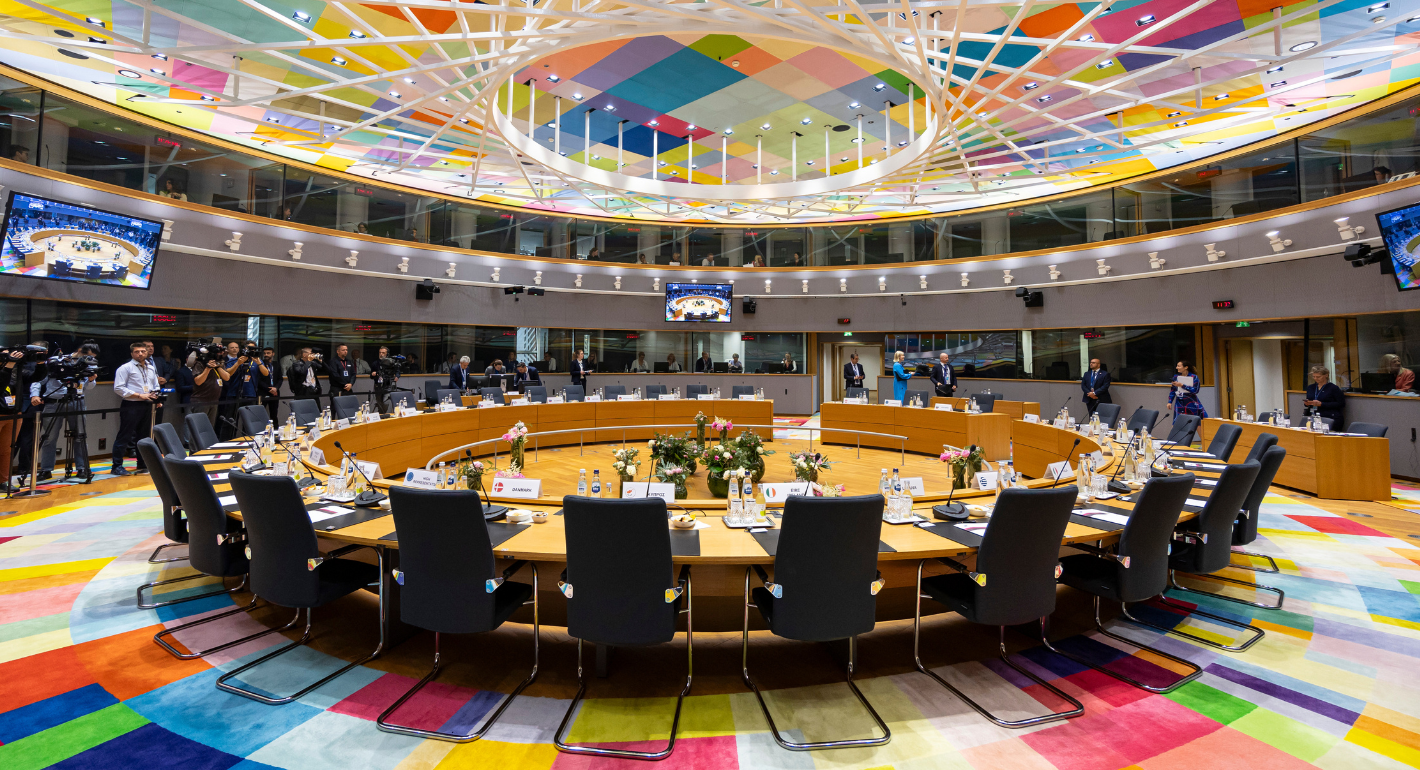
Countries face several hurdles in joining the EU, including the final stage of ratifying their accession treaties. Procedural reforms and substantive adjustments could help move the process forward.

Stefan Lehne
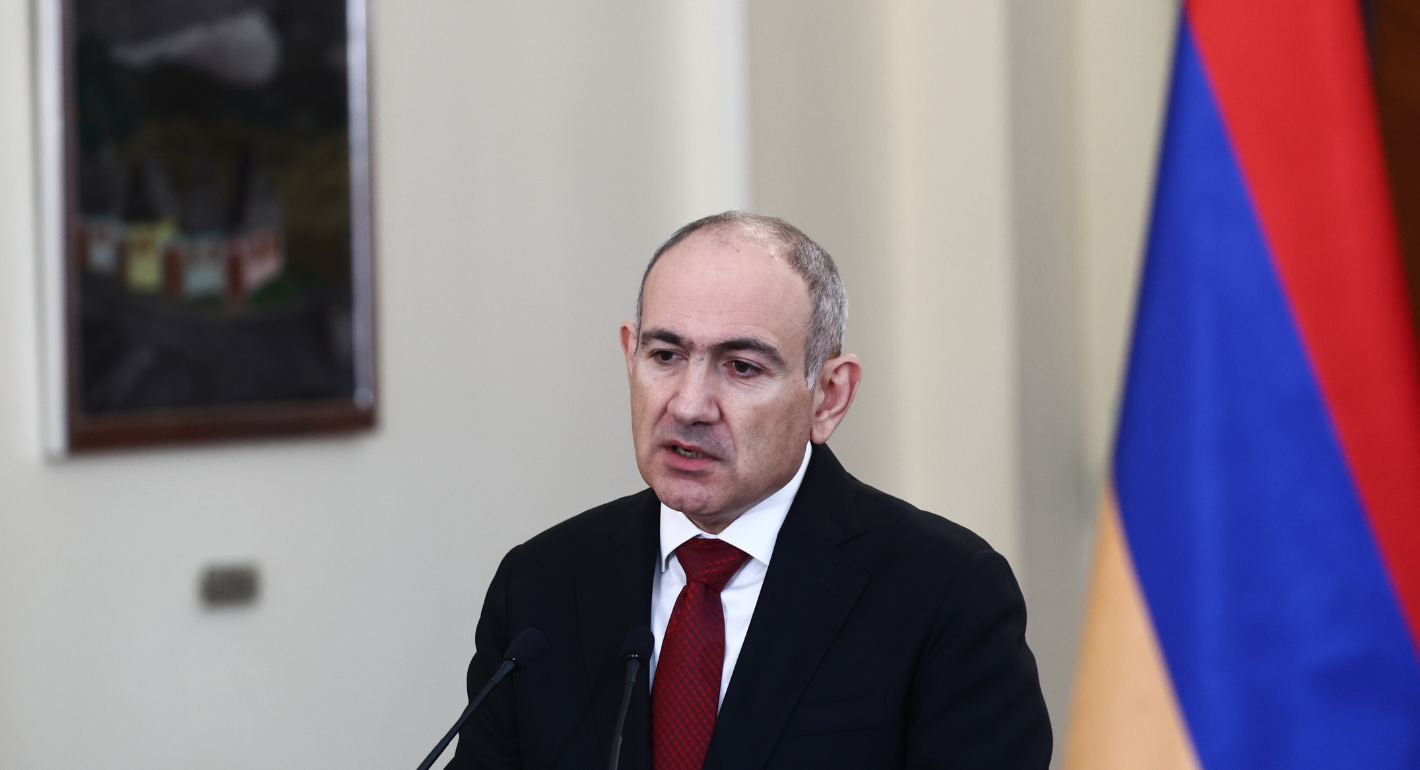
Europe has an interest in supporting Armenian leader Nikol Pashinyan as he tries to make peace with neighbors and loosen ties with Russia. But it is depersonalized support in the long term, not quickfire flash, that will win the day.

Thomas de Waal
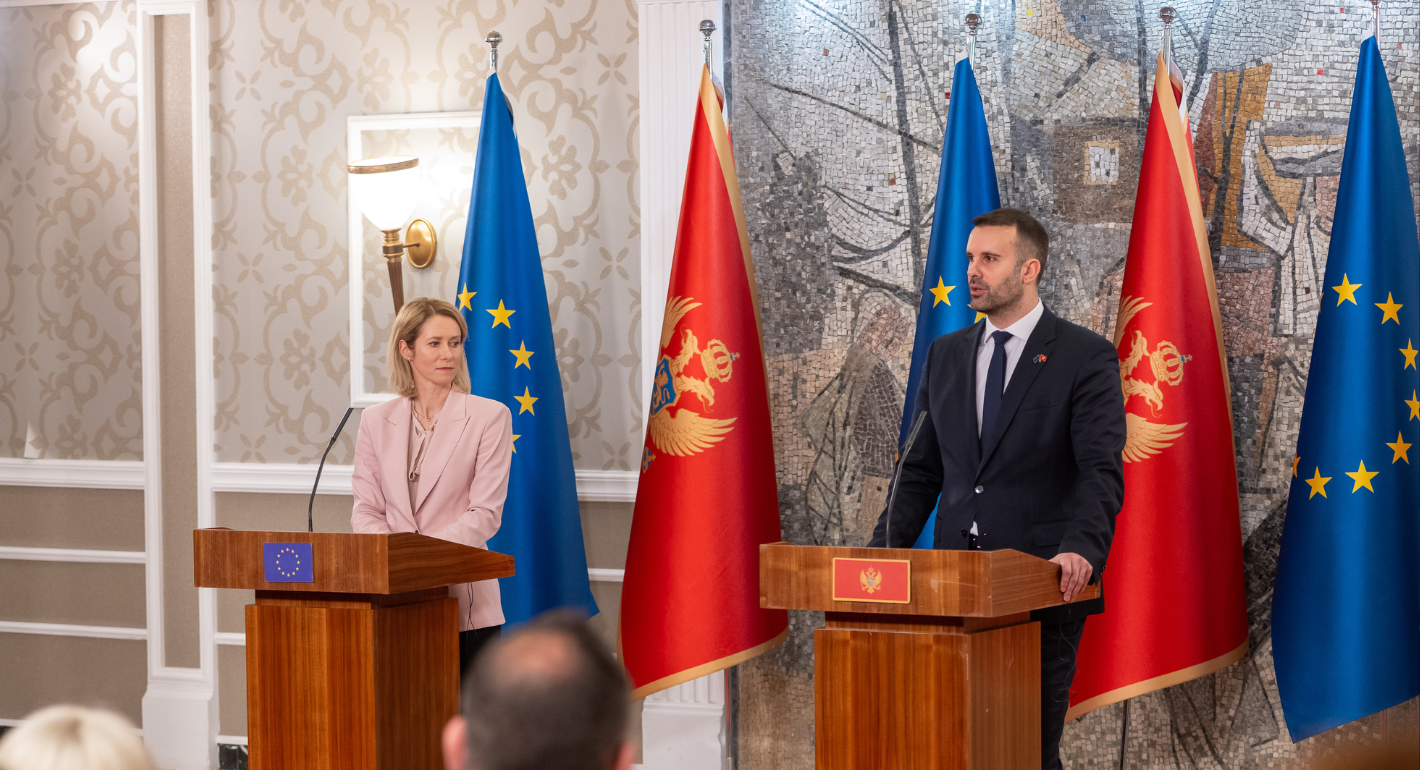
Montenegro and Albania are frontrunners for EU enlargement in the Western Balkans, but they can’t just sit back and wait. To meet their 2030 accession ambitions, they must make a strong positive case.

Dimitar Bechev, Iliriana Gjoni