

Commentary
Nikolay Petrov
{
  "authors": [
    "Nikolay Petrov"
  ],
  "type": "legacyinthemedia",
  "centerAffiliationAll": "",
  "centers": [
    "Carnegie Endowment for International Peace",
    "Carnegie Russia Eurasia Center"
  ],
  "collections": [],
  "englishNewsletterAll": "",
  "nonEnglishNewsletterAll": "",
  "primaryCenter": "Carnegie Russia Eurasia Center",
  "programAffiliation": "",
  "programs": [],
  "projects": [],
  "regions": [
    "Caucasus",
    "Russia"
  ],
  "topics": [
    "Political Reform"
  ]
}
Source: Getty
Russian President Dmitry Medvedev inherited a broken government bureaucracy unable to recruit skilled workers when he took office. Medvedev's proposed solution to create a national database of qualified candidates does not address the fact that there is no place for a truly transparent and merit-based recruiting process in Putin's political system.
Source: The Moscow Times

Medvedev said the Soviet bureaucracy's system for recruiting personnel, with its "obvious shortcomings" and "particular strengths," no longer works. In reality, the system for building bureaucratic cadres is even more dilapidated now than it ever was, and nothing has emerged to replace it. The system the bureaucratic elite built in the 1930s was driven by fear and widespread denunciations, and it required occasional bloodlettings and unpredictable staffing cuts to keep things running smoothly. After Stalin's death, the system continued to be run by inertia alone, worsening over time.
Under Boris Yeltsin, the system for recruiting bureaucrats initially underwent a major revision without any bloodletting. But over time, everything gradually fell into the same old pattern. The bureaucratic elite's old system was never dismantled; it was just "modernized" somewhat to fit into the new post-Soviet era. In the 1990s, high-ranking bureaucrats were able to gain unprecedented wealth, using their government positions to obtain ownership in major state assets in shady privatization deals.
During Vladimir Putin's two terms in office, the issue of improving the competence of government personnel received a lot of attention. In particular, Putin renewed the practice of horizontally rotating the appointments in the regions, such as the chief of police, the prosecutor general and principal federal inspectors. The Kremlin also toyed with the idea of rotating governors to maintain their loyalty and to keep them from becoming answerable to the regional political elite.
Medvedev's principal proposal to solve the cadre problem is to create a "presidential reserve" of highly qualified personnel for positions in the federal and regional governments. According to the proposal, Medvedev will oversee the selection process of key government appointments. They will be recruited from a publicly accessible database that will supposedly contain the country's most qualified professional and managers from both government and business ranks.
But is there anything new here that differs from the system Medvedev criticized for its inherent incompetence, nepotism and corruption? The fundamental problem is that there is no place for a truly transparent and merit-based selection personnel recruiting process in Putin's political system -- a system Medvedev actively helped construct. Thus, Medvedev's presidential reserve will differ little, if at all, from the cadres he has criticized.
The bureaucratic elite rely on a caste system. Every bureaucrat's job -- and, more important, the extra "unofficial income" earned on the side that far exceeds official salaries -- is dependent on the goodwill of his boss. These perquisites are bestowed on subordinates based on a strict code of loyalty to their bosses.
When Medvedev raised the issue of incompetence among bureaucrats at the meeting, all of the president's envoys to the regions were present. The envoys were present because thousands of appointments of federal officials in the regions are made through them every year, although the process is largely a formality. Further, the envoys are responsible for recommending candidates for gubernatorial posts, although it is well known that their suggestions carry little weight.
Don't expect a new-and-improved class of bureaucrats under Medvedev's presidency. Most likely, we can expect more of the same old inefficiency, favoritism and incompetence.
This article appeared in The Moscow Times.
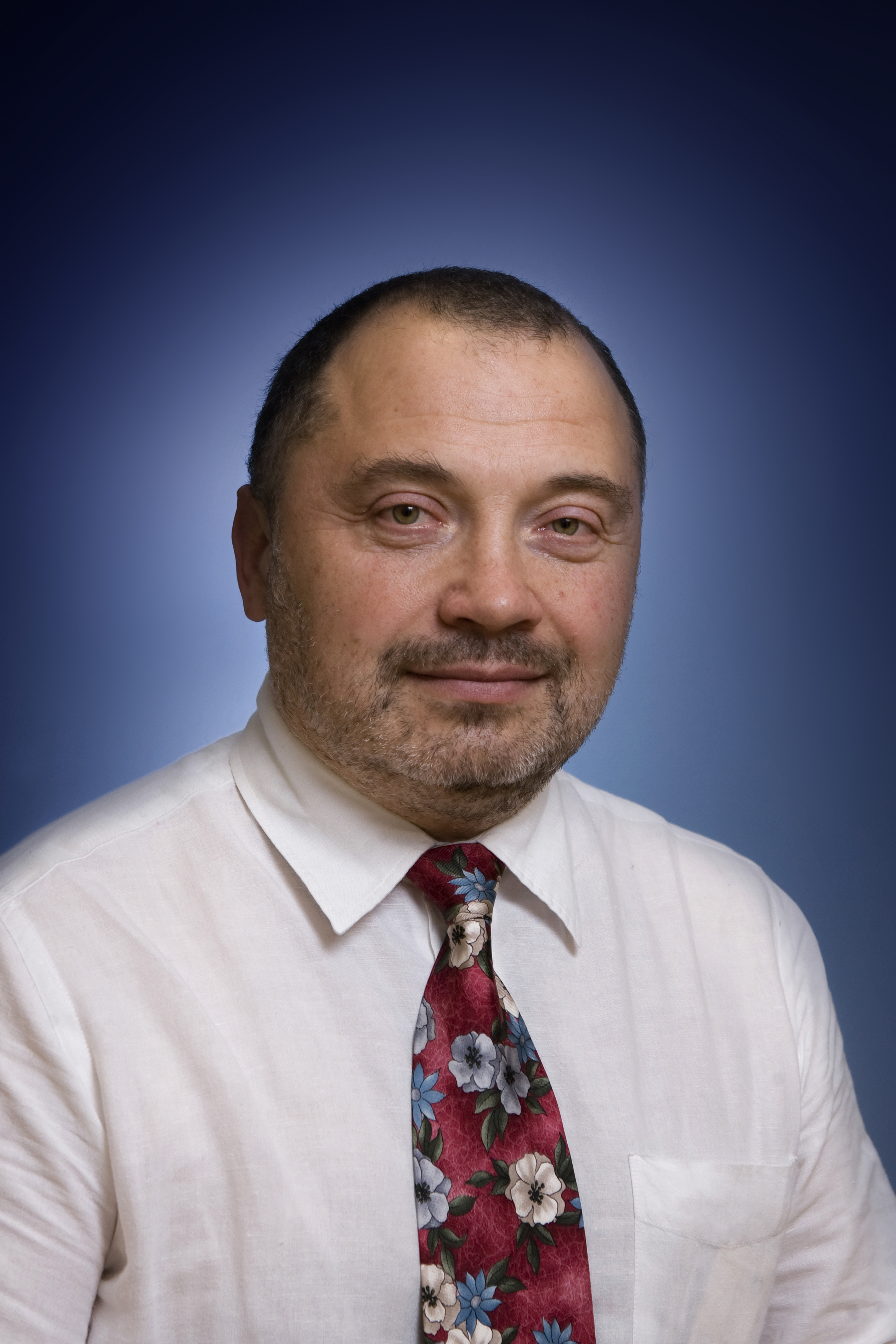
Former Scholar-in-Residence, Society and Regions Program, Moscow Center
Nikolay Petrov was the chair of the Carnegie Moscow Center’s Society and Regions Program. Until 2006, he also worked at the Institute of Geography at the Russian Academy of Sciences, where he started to work in 1982.
Recent Work
Nikolay Petrov
Nikolay Petrov
Carnegie does not take institutional positions on public policy issues; the views represented herein are those of the author(s) and do not necessarily reflect the views of Carnegie, its staff, or its trustees.

A summer of escalation in the Black Sea has hurt Ukraine economically and is exacerbating world food security. A truce is needed—as is a broader reframing of Europe’s Ukraine strategy.

Thomas de Waal

European Commission President Ursula von der Leyen is about to give her annual address on the state of the EU. Here’s what she won’t—but should—say.

Rym Momtaz

The EU’s responses to two recent incidents expose the gulf between European perceptions and capabilities. Unless the union can bridge that gap, it will never become a real geostrategic power.
Rym Momtaz

European states control several Overseas Countries and Territories around the world that carry strategic, economic, and environmental weight. As great powers challenge the rules-based order, defending them is a geopolitical imperative for Europe.

Marc Pierini

In supporting Europe’s far-right, MAGA and Russia both want the same thing: a weaker EU. Europe must defend itself without abandoning the openness these forces exploit.

Armida van Rij