• Research
  • Strategic Europe
  • About
  • Experts
Carnegie Europe logoCarnegie lettermark logo
EUUkraine
  • Donate
{
  "authors": [],
  "type": "pressRelease",
  "centerAffiliationAll": "dc",
  "centers": [
    "Carnegie Endowment for International Peace"
  ],
  "collections": [
    "U.S. Nuclear Policy"
  ],
  "englishNewsletterAll": "ctw",
  "nonEnglishNewsletterAll": "",
  "primaryCenter": "Carnegie Endowment for International Peace",
  "programAffiliation": "NPP",
  "programs": [
    "Nuclear Policy"
  ],
  "projects": [],
  "regions": [
    "North America",
    "United States"
  ],
  "topics": [
    "Foreign Policy",
    "Nuclear Policy",
    "Nuclear Energy"
  ]
}
REQUIRED IMAGE

REQUIRED IMAGE

Press Release

Abolishing Nuclear Weapons: Why the United States Should Lead, October, 21, 2008

Efforts to re-invigorate a movement to abolish nuclear weapons are rising on the international agenda. For states without weapons, talk of nuclear disarmament is embraced as a welcome change, but viewed with skepticism. The next U.S. president should emphasize the goal of a world without nuclear weapons, explains George Perkovich in a new report.

Link Copied
Published on Oct 21, 2008

WASHINGTON, Oct 21—Efforts to re-invigorate a movement to abolish nuclear weapons are rising on the international agenda, made clear in statements by the U.S. presidential candidates, British and Indian leaders, and a campaign led by former U.S. officials. For states without weapons, talk of nuclear disarmament is embraced as a welcome change, but viewed with skepticism. The next U.S. president should emphasize the goal of a world without nuclear weapons, explains George Perkovich in a new report.

Perkovich outlines four security areas where the long-term project of abolishing nuclear weapons would best serve U.S. interests: preventing proliferation, preventing nuclear terrorism, reducing toward zero the threat of nuclear annihilation, and fostering new optimism for U.S. global leadership.

Requirements for abolition of nuclear weapons include:

  • Strengthening verification and enforcement mechanisms, which augment U.S. and global security at a time when nuclear industry is rapidly expanding.
  • Gaining the support of non–nuclear-weapon states for strengthened nonproliferation rules, inspections, and controls over fissile material through commitment to the elimination of nuclear arsenals.
  • Accounting for and controlling the nuclear materials necessary to enable disarmament, greatly reducing risks that terrorists could acquire these materials.
  • Wider understanding that nuclear deterrence is not a fail-safe; the long-term answer to proliferation concerns is to reduce the number and salience of nuclear weapons to zero.

Perkovich concludes:

“The elimination of all nuclear arsenals is not an end in itself. It is a means to global security. The verification and security conditions that would be required to enable the abolition of nuclear weapons are all conducive to a more secure world. Therefore, the goal of abolishing nuclear weapons can be a beneficial organizing principle of the national security policies of major states. The next U.S. administration should be one of its champions.”

###


bullet
NOTES

  • Direct link to the PDF: www.carnegieendowment.org/files/abolishing_nuclear_weapons.pdf
  • George Perkovich is vice president for studies and director of the Nonproliferation Program at the Carnegie Endowment for International Peace. His personal research has focused on nuclear strategy and nonproliferation, with a focus on South Asia and Iran, and on the problem of justice in the international political economy. He is the author of the award-winning book India’s Nuclear Bomb, which Foreign Affairs called “an extraordinary and perhaps definitive account of 50 years of Indian nuclear policymaking.” He is coauthor of a major Carnegie report, Universal Compliance: A Strategy for Nuclear Security, a blueprint for rethinking the international nuclear nonproliferation regime.
  • Next January, the new U.S. president will be confronted with the longest list of severe challenges any president has faced in decades. Prioritizing among them will be even more important than usual. In the eighth brief in this new series, “Foreign Policy for the Next President,” the Carnegie Endowment’s experts endeavor to do just that. They separate good ideas from dead ends and go beyond widely agreed goals to describe how to achieve them.
  • The Carnegie Nonproliferation Program is an internationally recognized source of knowledge and policy thinking on efforts to curb the spread and use of nuclear weapons. Carnegie’s analysis consistently stays at the forefront of proliferation developments and nonproliferation policy debates. In Washington, Moscow, Brussels, New Delhi, and increasingly in Beijing, the program hosts public and private seminars, speeches, and workshops, where leading officials and experts seek to overcome obstacles to reduce the danger of nuclear war.
  • Carnegie Proliferation News provides synopses of top news stories related to preventing the spread and use of nuclear weapons every Tuesday and Thursday as well as periodic issue briefs on the top news making issues.
  • Press Contact: Trent Perrotto, 202/939-2372, tperrotto@ceip.org
Foreign PolicyNuclear PolicyNuclear EnergyNorth AmericaUnited States

Carnegie does not take institutional positions on public policy issues; the views represented herein are those of the author(s) and do not necessarily reflect the views of Carnegie, its staff, or its trustees.
More Work from Carnegie Europe

  • Commentary
    Strategic Europe
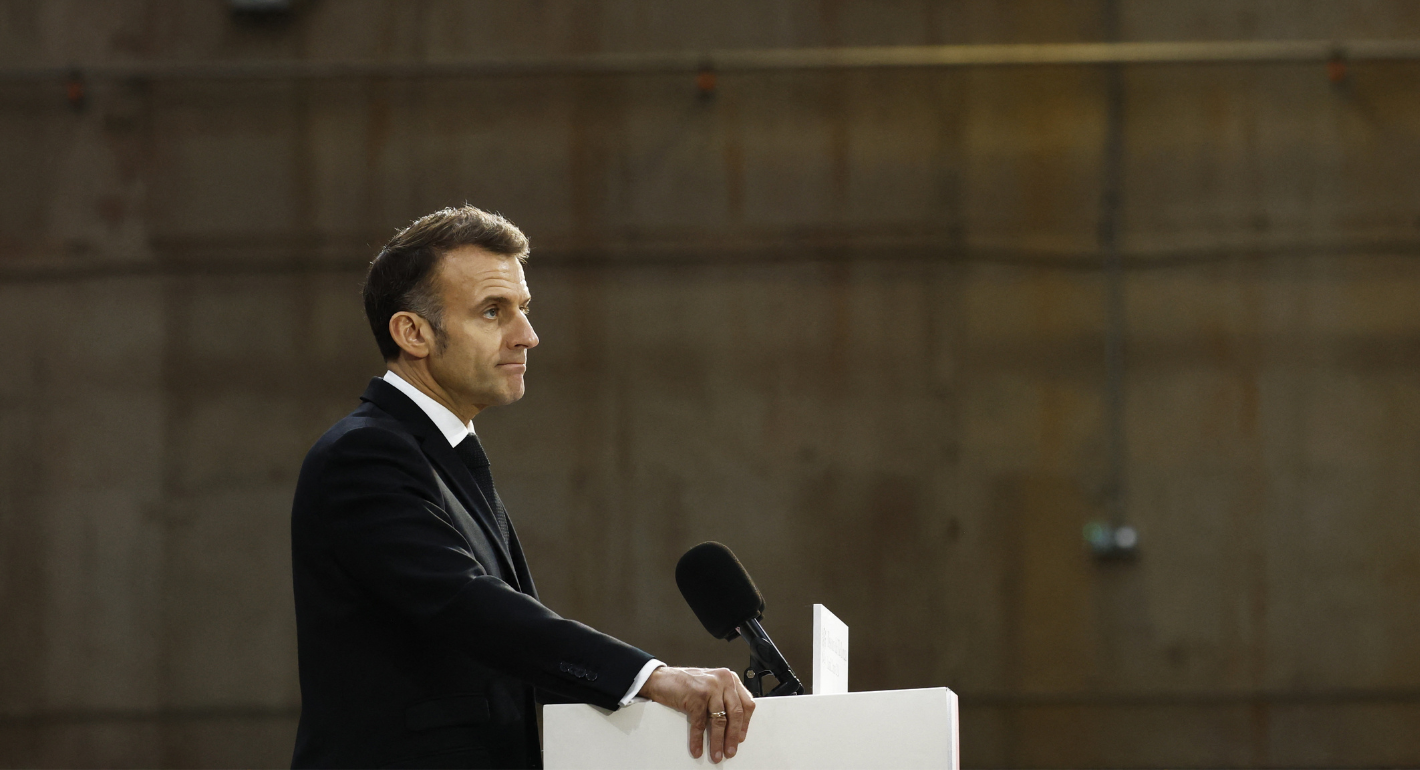
    Taking the Pulse: Is France’s New Nuclear Doctrine Ambitious Enough?

    French President Emmanuel Macron has unveiled his country’s new nuclear doctrine. Are the changes he has made enough to reassure France’s European partners in the current geopolitical context?

      • Rym Momtaz

      Rym Momtaz, ed.

  • Commentary
    The Iran War’s Dangerous Fallout for Europe

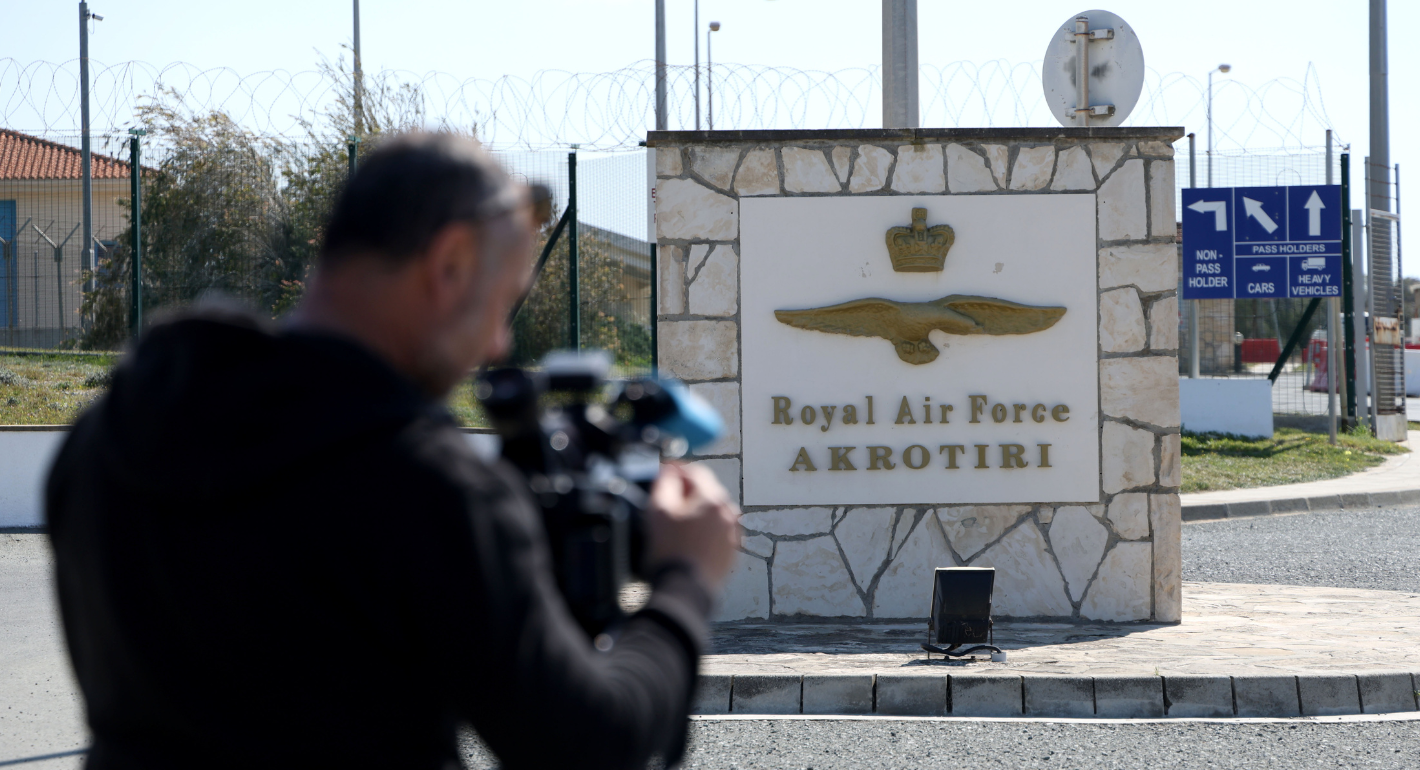
    The drone strike on the British air base in Akrotiri brings Europe’s proximity to the conflict in Iran into sharp relief. In the fog of war, old tensions in the Eastern Mediterranean risk being reignited, and regional stakeholders must avoid escalation.

      Marc Pierini
  • Commentary
    Strategic Europe
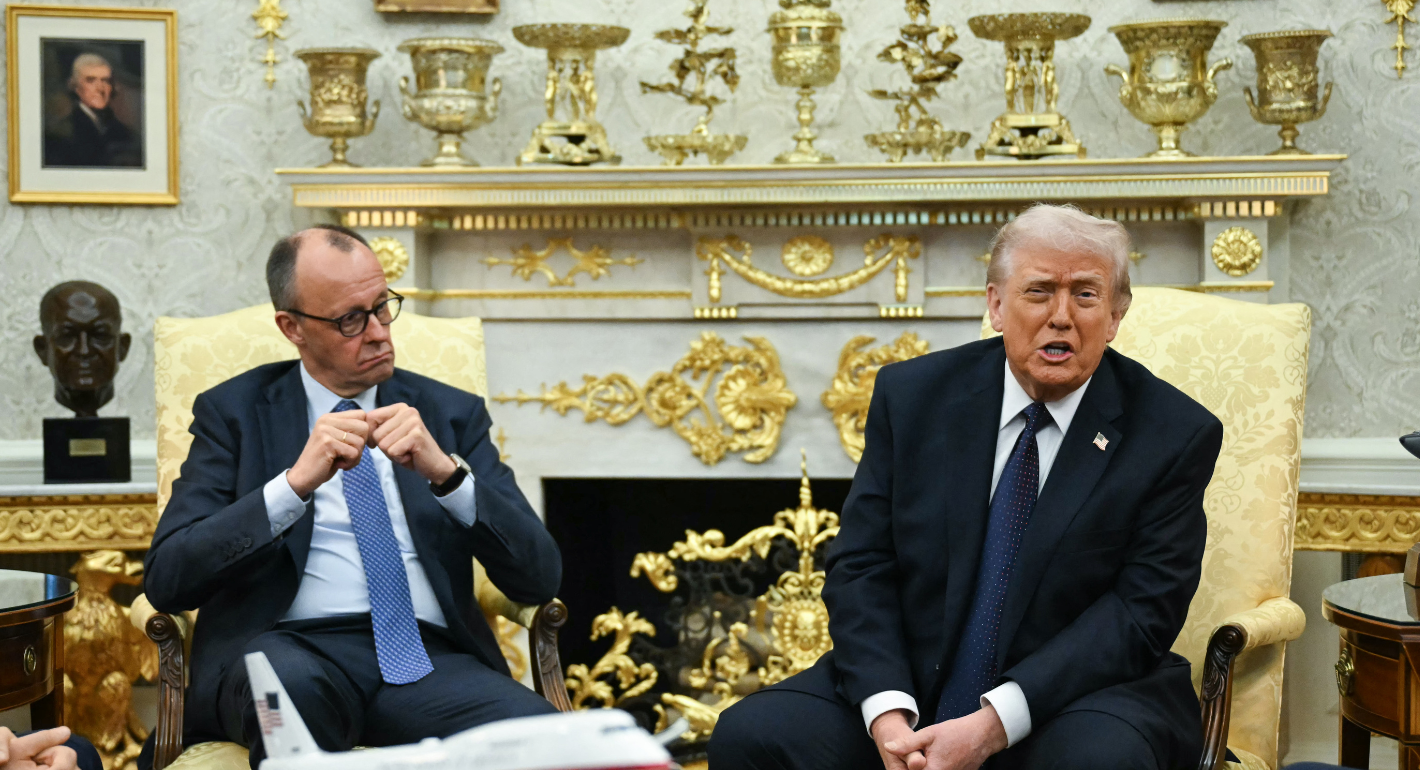
    The EU Needs a Third Way in Iran

    European reactions to the war in Iran have lost sight of wider political dynamics. The EU must position itself for the next phase of the crisis without giving up on its principles.

      Richard Youngs
  • Trump United Nations multilateralism institutions 2236462680
    Article
    Resetting Cyber Relations with the United States

    For years, the United States anchored global cyber diplomacy. As Washington rethinks its leadership role, the launch of the UN’s Cyber Global Mechanism may test how allies adjust their engagement.

      • Christopher Painter

      Patryk Pawlak, Chris Painter

  • Commentary
    Strategic Europe
    Global Instability Makes Europe More Attractive, Not Less

    Europe isn’t as weak in the new geopolitics of power as many would believe. But to leverage its assets and claim a sphere of influence, Brussels must stop undercutting itself.

      Dimitar Bechev

Get more news and analysis from
Carnegie Europe
Carnegie Europe logo, white
Rue du Congrès, 151000 Brussels, Belgium
  • Research
  • Strategic Europe
  • About
  • Experts
  • Projects
  • Events
  • Contact
  • Careers
  • Privacy
  • For Media
  • Gender Equality Plan
Get more news and analysis from
Carnegie Europe
© 2026 Carnegie Endowment for International Peace. All rights reserved.