

Article
Pierre Goldschmidt
{
  "authors": [
    "Pierre Goldschmidt"
  ],
  "type": "legacyinthemedia",
  "centerAffiliationAll": "dc",
  "centers": [
    "Carnegie Endowment for International Peace"
  ],
  "collections": [
    "Korean Peninsula"
  ],
  "englishNewsletterAll": "ctw",
  "nonEnglishNewsletterAll": "",
  "primaryCenter": "Carnegie Endowment for International Peace",
  "programAffiliation": "NPP",
  "programs": [
    "Nuclear Policy"
  ],
  "projects": [],
  "regions": [
    "Middle East",
    "Iran",
    "East Asia",
    "North Korea"
  ],
  "topics": [
    "Nuclear Policy",
    "Nuclear Energy"
  ]
}
Source: Getty
The nuclear non-proliferation regime, so vital to maintaining international peace and security, is under increasing threat, particularly from countries that deliberately violate their non-proliferation obligations. Clarifying the technical and statutory basis by which the IAEA exposes non-compliance is one immediate way the non-proliferation regime can be strengthened.
Source: Survival: Global Politics and Strategy

Former Nonresident Senior Associate, Nuclear Policy Program
Goldschmidt was a nonresident senior associate at the Carnegie Endowment.
Recent Work
Pierre Goldschmidt
Pierre Goldschmidt
Carnegie does not take institutional positions on public policy issues; the views represented herein are those of the author(s) and do not necessarily reflect the views of Carnegie, its staff, or its trustees.
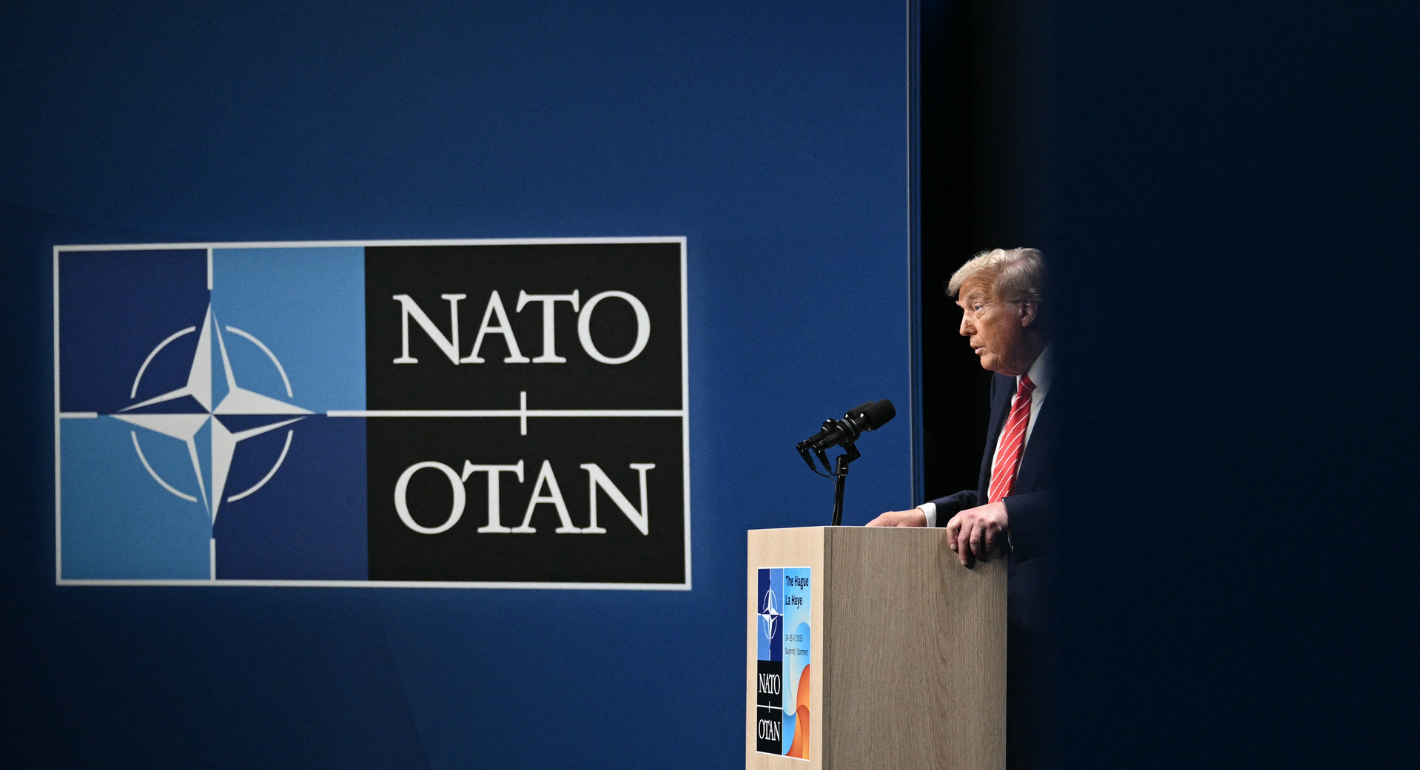
Donald Trump has repeatedly bashed NATO and European allies, threatening to annex Canada and Greenland and deploring their lack of enthusiasm for his war of choice in Iran. Is this latest round of abuse the final straw?

Rym Momtaz, ed.
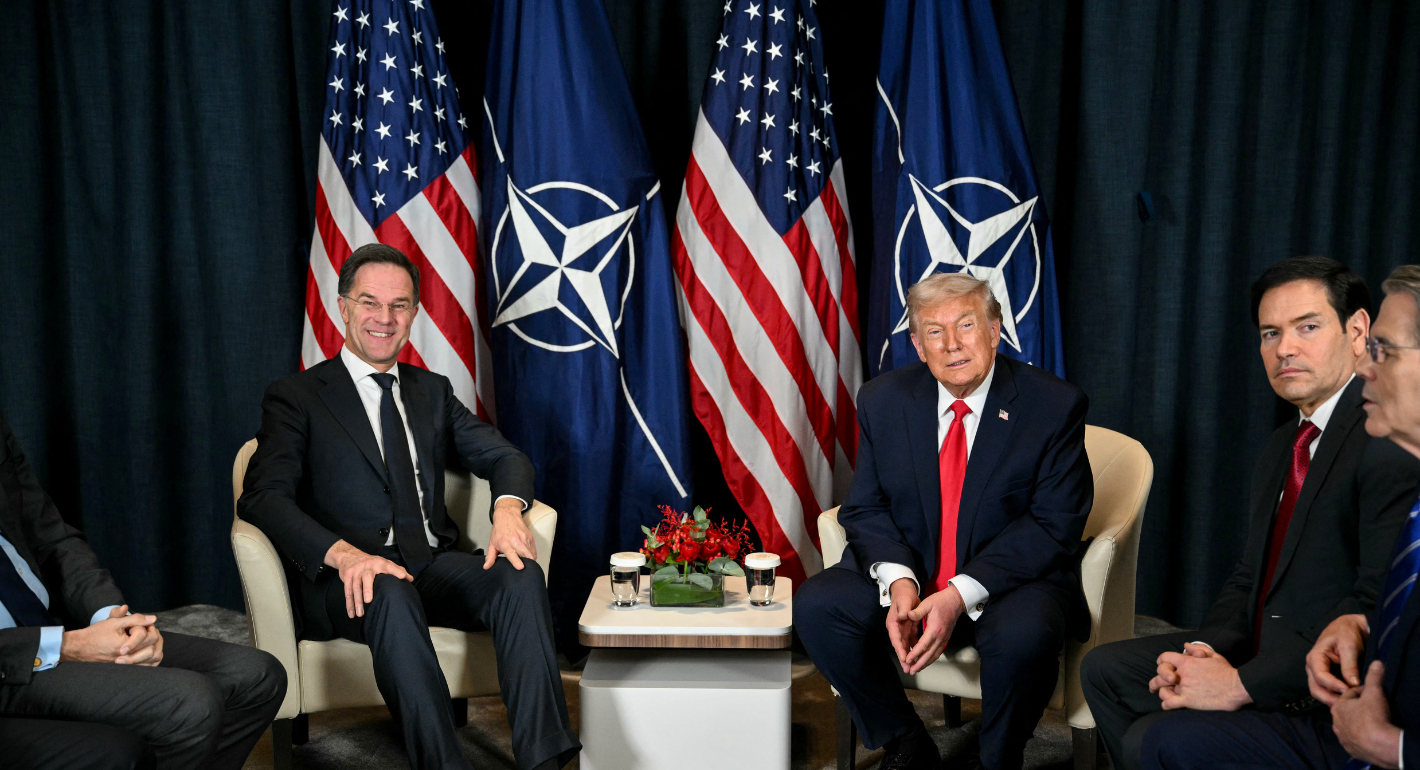
Donald Trump has demanded that European allies send ships to the Strait of Hormuz while his war of choice in Iran rages on. He has constantly berated NATO while the alliance’s secretary-general has emphatically supported him.
Rym Momtaz, ed.
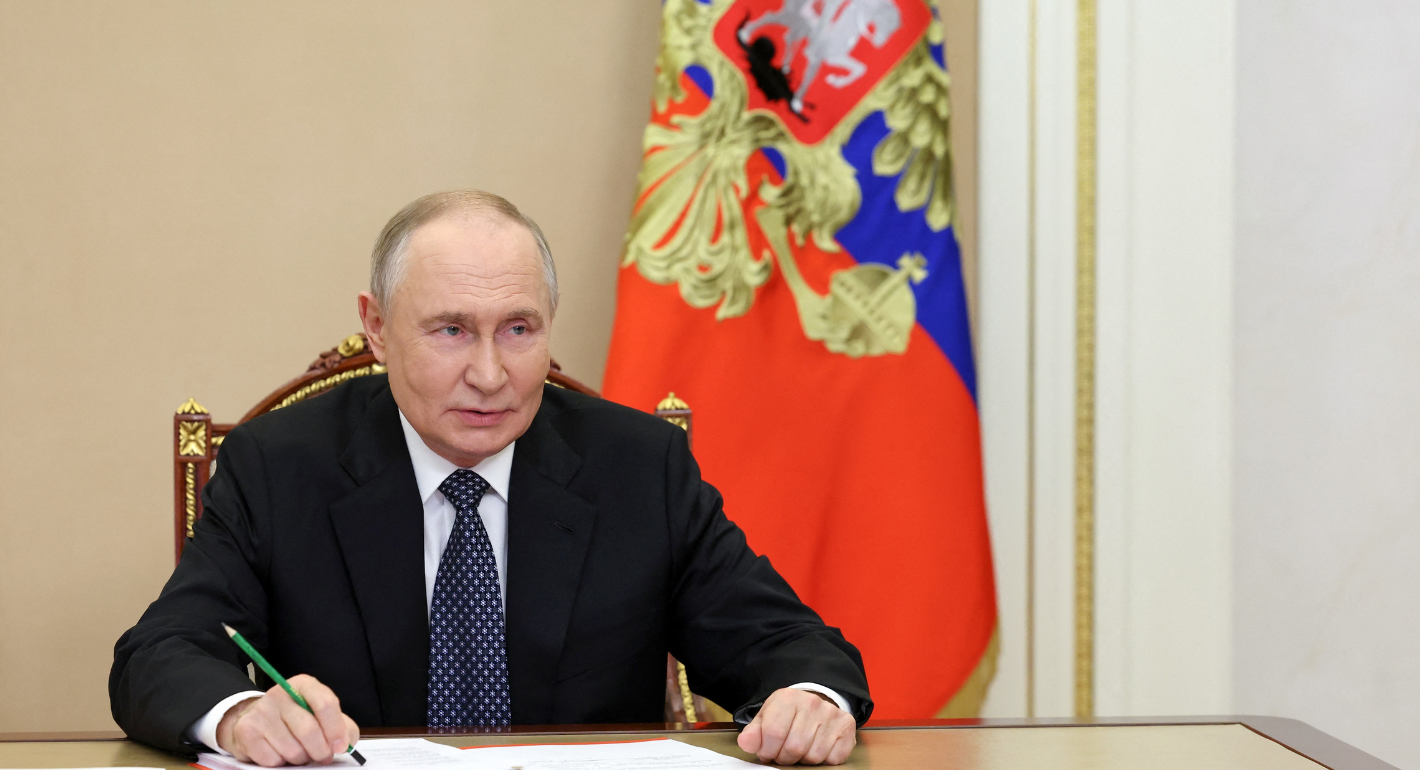
The war in Ukraine is costing Russia its leverage overseas. Across the South Caucasus and Middle East, this presents an opportunity for Europe to pick up the pieces and claim its own sphere of influence.

William Dixon, Maksym Beznosiuk
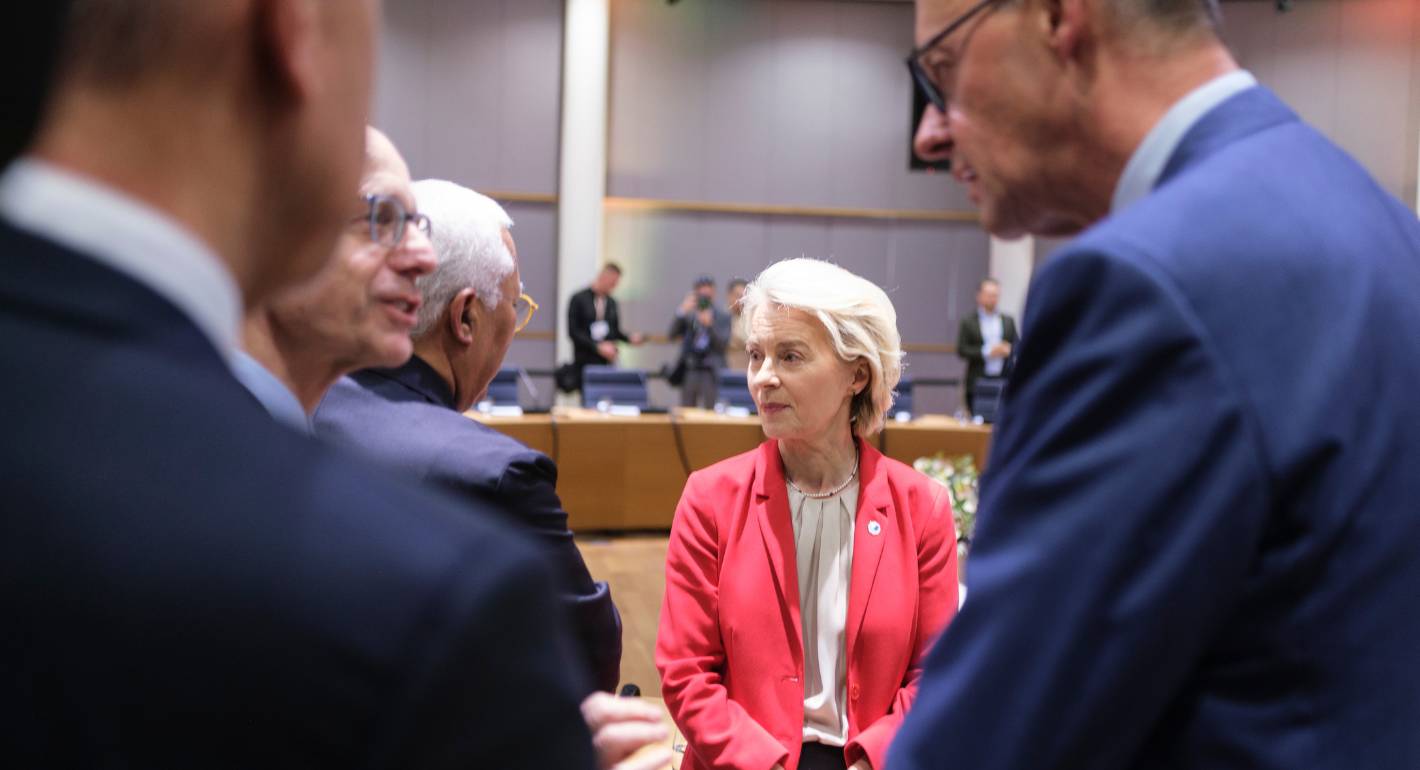
The war in Iran proves the United States is now a destabilizing actor for Europe and the Arab Gulf. From protect their economies and energy supplies to safeguarding their territorial integrity, both regions have much to gain from forming a new kind of partnership together.
Rym Momtaz

French President Emmanuel Macron has unveiled his country’s new nuclear doctrine. Are the changes he has made enough to reassure France’s European partners in the current geopolitical context?
Rym Momtaz, ed.