

Paper
Sven Behrendt
{
  "authors": [
    "Sven Behrendt"
  ],
  "type": "other",
  "centerAffiliationAll": "dc",
  "centers": [
    "Carnegie Endowment for International Peace",
    "Malcolm H. Kerr Carnegie Middle East Center"
  ],
  "collections": [],
  "englishNewsletterAll": "menaTransitions",
  "nonEnglishNewsletterAll": "",
  "primaryCenter": "Malcolm H. Kerr Carnegie Middle East Center",
  "programAffiliation": "MEP",
  "programs": [
    "Middle East"
  ],
  "projects": [],
  "regions": [
    "Kuwait",
    "Qatar",
    "Saudi Arabia",
    "United Arab Emirates",
    "Gulf"
  ],
  "topics": [
    "Economy"
  ]
}
Source: Getty
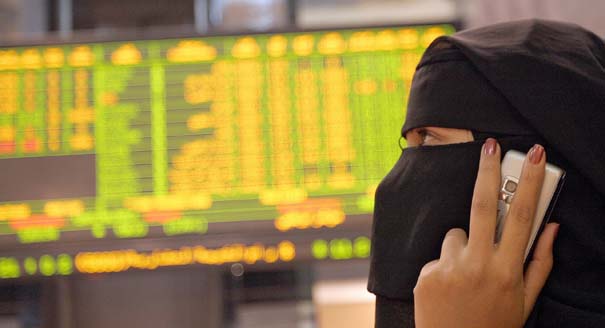
As the global economic crisis deepens, Arab Sovereign Wealth Funds can overcome the concern many foreign governments harbor about accepting investment money from them by providing greater transparency about their holdings and investment strategies.
Despite the severity of the global economic crisis, many governments are still nervous about accepting investment by Arab Sovereign Wealth Funds (SWFs) despite their potential to provide urgently needed liquidity. Greater transparency about their holdings and investment strategies would help SWFs to overcome these concerns and to play a role in resolving the economic crisis, concludes a new policy outlook from the Carnegie Middle East Center.
Key conclusions:
Sven Behrendt concludes:
“The uncertainty surrounding Arab SWFs has increased the political and regulatory risk premium for all sovereign foreign investors. It has also complicated efforts to address the global financial crisis. It is therefore in the individual interest of SWFs as well as in the interest of the global community at large to shift gears on the issues of transparency and disclosure.”
Former Visiting Scholar, Middle East Center
Behrendt is an expert in global issues, international negotiations, conflict resolution, and corporate strategy. He previously served at the World Economic Forum in various management positions.
Recent Work
Sven Behrendt
Sven Behrendt
Carnegie does not take institutional positions on public policy issues; the views represented herein are those of the author(s) and do not necessarily reflect the views of Carnegie, its staff, or its trustees.

With its public finances in shambles, the far right polling at 35 percent ahead of the 2027 presidential election, and a growing protest movement, is France’s crisis a threat to the EU’s geopolitical awakening?

Rym Momtaz, ed.

The European Commissioner for Trade is headed to China. But after President Xi’s bridge-building visit to Washington, can a more isolated EU overcome Beijing’s stranglehold on critical raw materials? Who will blink first?
Rym Momtaz, ed.

The domestic impacts of how long it is taking to end the war in Ukraine have pushed the French electorate to the political extremes and compromised the country’s diplomatic capacity.
Rym Momtaz

A summer of escalation in the Black Sea has hurt Ukraine economically and is exacerbating world food security. A truce is needed—as is a broader reframing of Europe’s Ukraine strategy.

Thomas de Waal
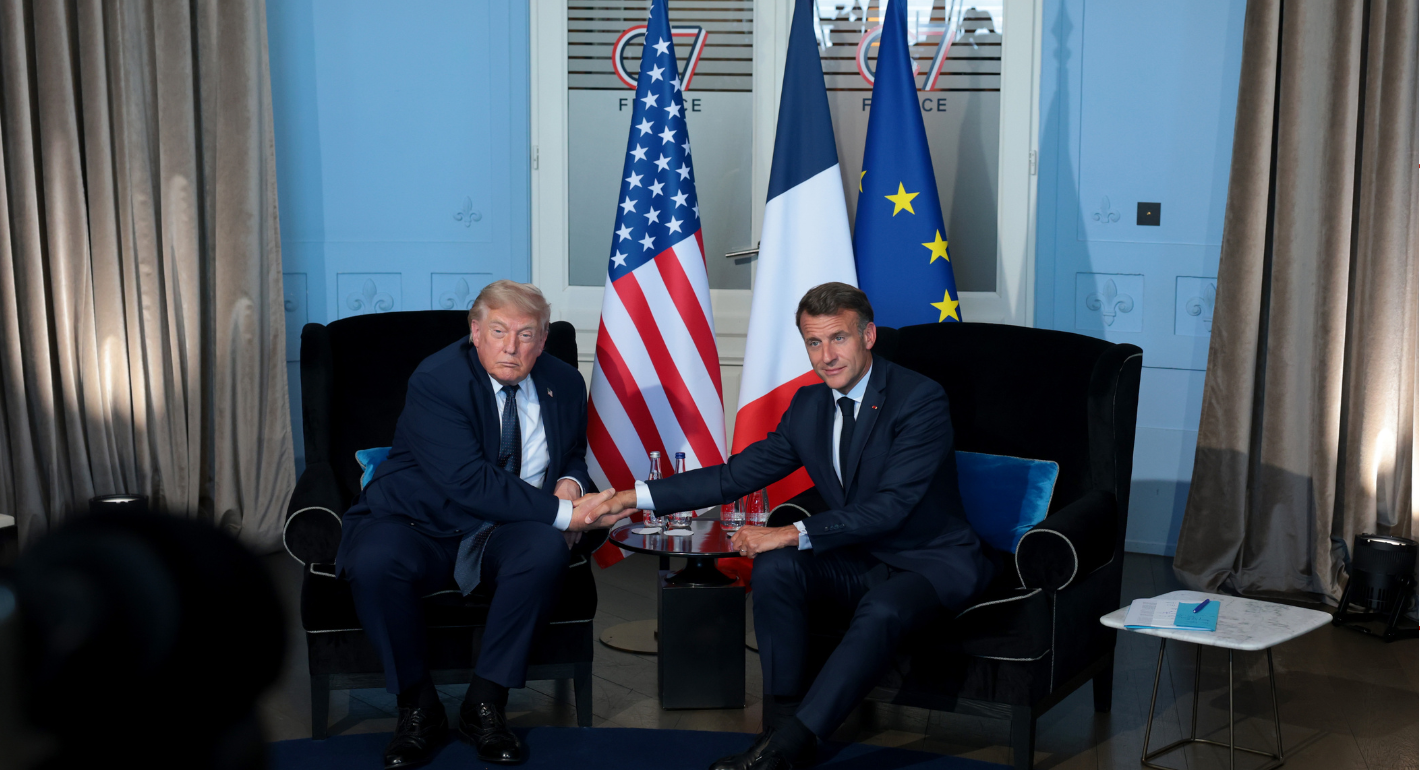
When the U.S.-Iran memorandum of understanding was announced, the UK, France, Germany, and Italy declared their readiness to help demine the Strait of Hormuz and lift nuclear sanctions on Tehran. But does Europe need new tools to recover a diplomatic role?
Rym Momtaz, ed.