

Commentary
Europe isn’t as weak in the new geopolitics of power as many would believe. But to leverage its assets and claim a sphere of influence, Brussels must stop undercutting itself.
Dimitar Bechev
{
  "authors": [],
  "type": "pressRelease",
  "centerAffiliationAll": "dc",
  "centers": [
    "Carnegie Endowment for International Peace"
  ],
  "collections": [],
  "englishNewsletterAll": "menaTransitions",
  "nonEnglishNewsletterAll": "",
  "primaryCenter": "Carnegie Endowment for International Peace",
  "programAffiliation": "MEP",
  "programs": [
    "Middle East"
  ],
  "projects": [],
  "regions": [
    "North America",
    "United States",
    "Middle East",
    "Israel",
    "Iraq",
    "Palestine"
  ],
  "topics": [
    "Political Reform",
    "Foreign Policy"
  ]
}
REQUIRED IMAGE
Arabs expect the Obama administration to focus immediately on the Palestinian issue, using its influence with Israel to halt settlement activity and acting as an honest broker in peace negotiations.
BEIRUT, Feb 12—Arabs expect the Obama administration to focus immediately on the Palestinian issue, using its influence with Israel to halt settlement activity and acting as an honest broker in peace negotiations, according to a series of commentaries by leading Arab analysts and writers commissioned by the Carnegie Middle East Center.
The widespread belief that the United States is an ally of regional dictators and an unquestioning supporter of Israel colors Arab perceptions of every American move in the region. The writers argue that pressuring Israel to fulfill its commitments vis-à-vis the Palestinians is the only way to rebuild U.S.–Arab relations and rehabilitate the United States’ image in the Middle East.
Key points:
Gamal al-Ghitany, Khaled al-Hroub, Salah ad-Din al-Jourchi, and Mustapha al-Khalfi—prominent journalists, academics, and activists—contributed their reactions to Barack Obama’s victory.
Carnegie’s Amr Hamzawy and Marina Ottaway, who compiled the commentaries, conclude:
“Obama’s election was a public diplomacy triumph for the United States, the first real success the United States has won in the Arab world in a long time, and probably the most important one since President Eisenhower backed Egypt’s efforts to regain control of the Suez Canal in 1956. Yet the success could prove short-lived: Arabs were reacting to concrete change, not to words, and are likely to revert to the old hostility unless Obama’s words are backed by concrete changes in U.S. Middle East policies.”
###
NOTES
Carnegie does not take institutional positions on public policy issues; the views represented herein are those of the author(s) and do not necessarily reflect the views of Carnegie, its staff, or its trustees.
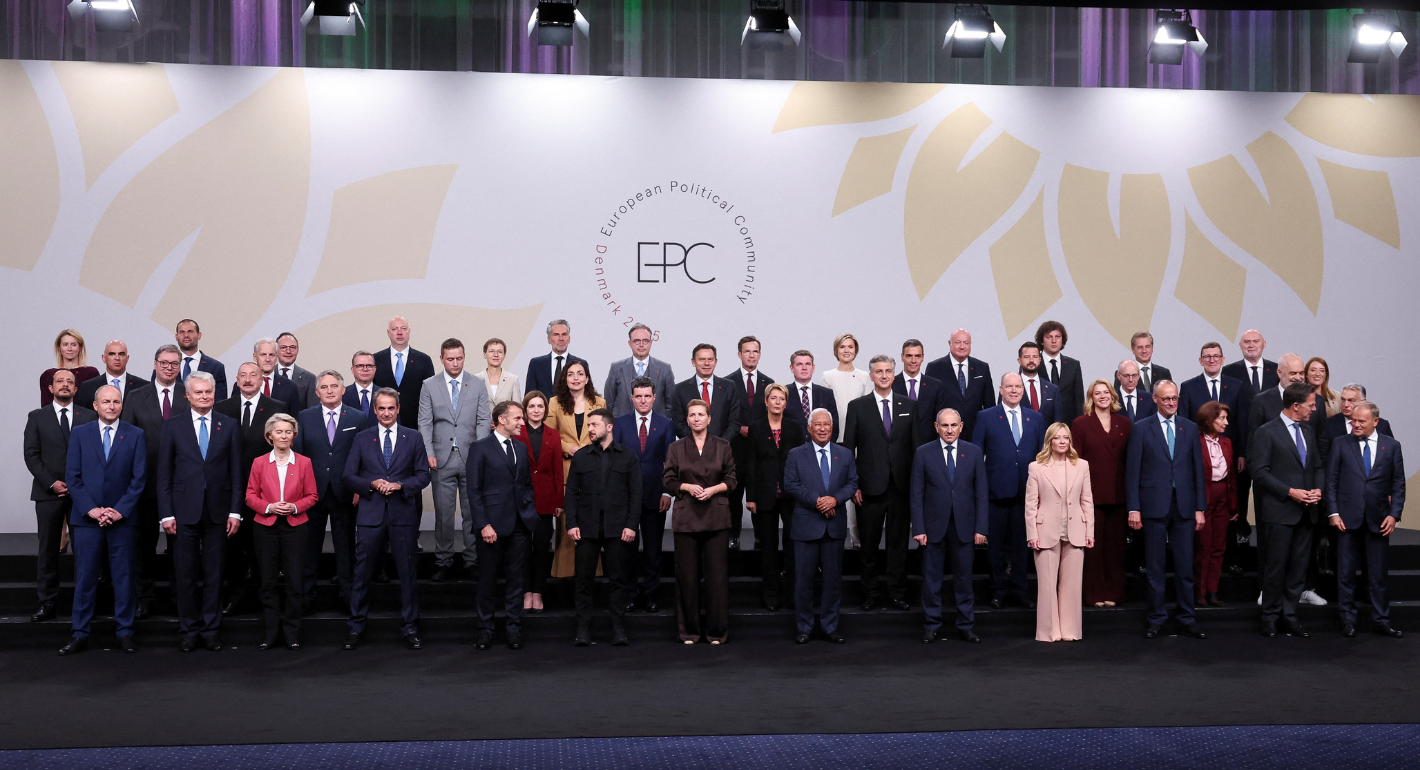
Europe isn’t as weak in the new geopolitics of power as many would believe. But to leverage its assets and claim a sphere of influence, Brussels must stop undercutting itself.

Dimitar Bechev
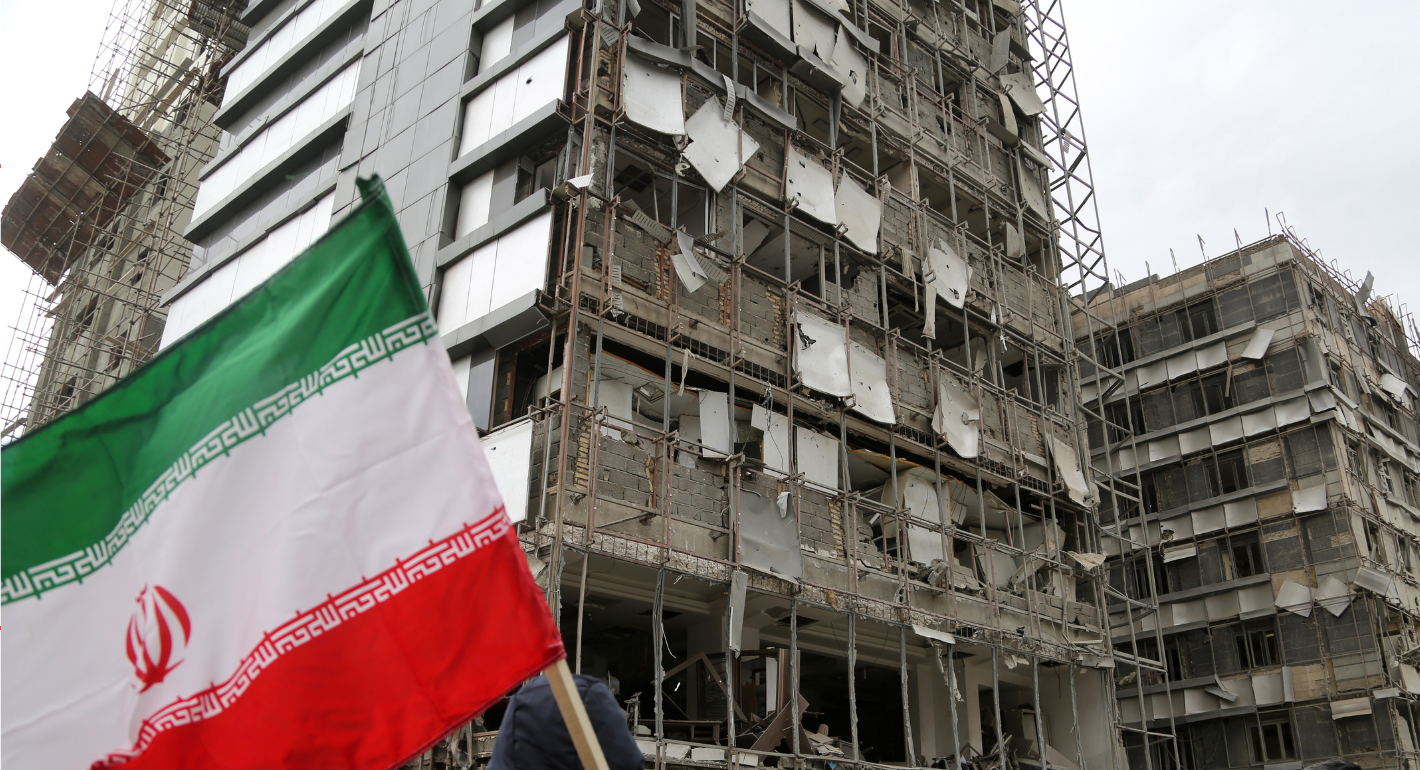
Europe’s reaction to the war in Iran has been disunited and meek, a far cry from its previously leading role in diplomacy with Tehran. To avoid being condemned to the sidelines while escalation continues, Brussels needs to stand up for international law.

Pierre Vimont
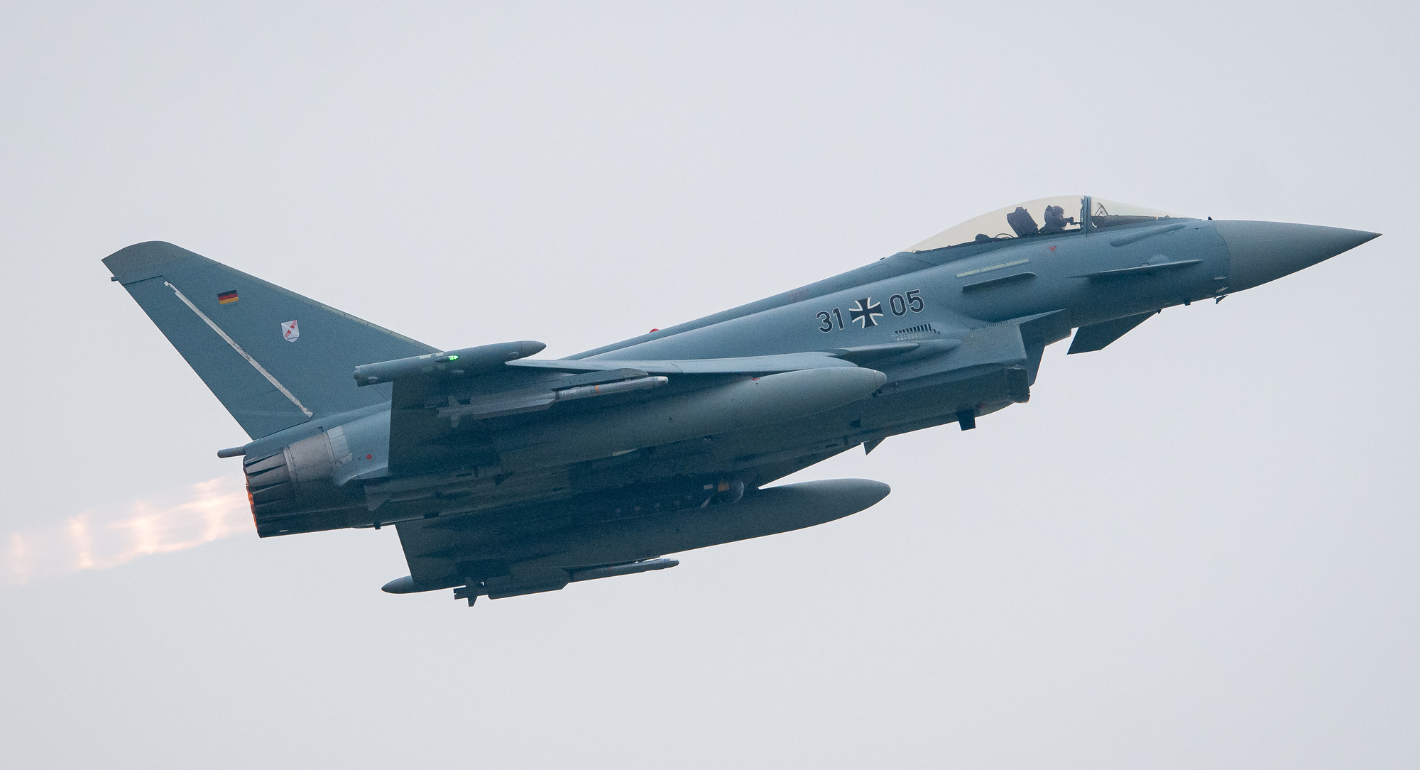
France and Germany’s failure to agree on the Future Combat Air System (FCAS) raises questions about European defense. Amid industrial rivalries and competing strategic cultures, what does the future of European military industrial projects look like?

Rym Momtaz, ed.
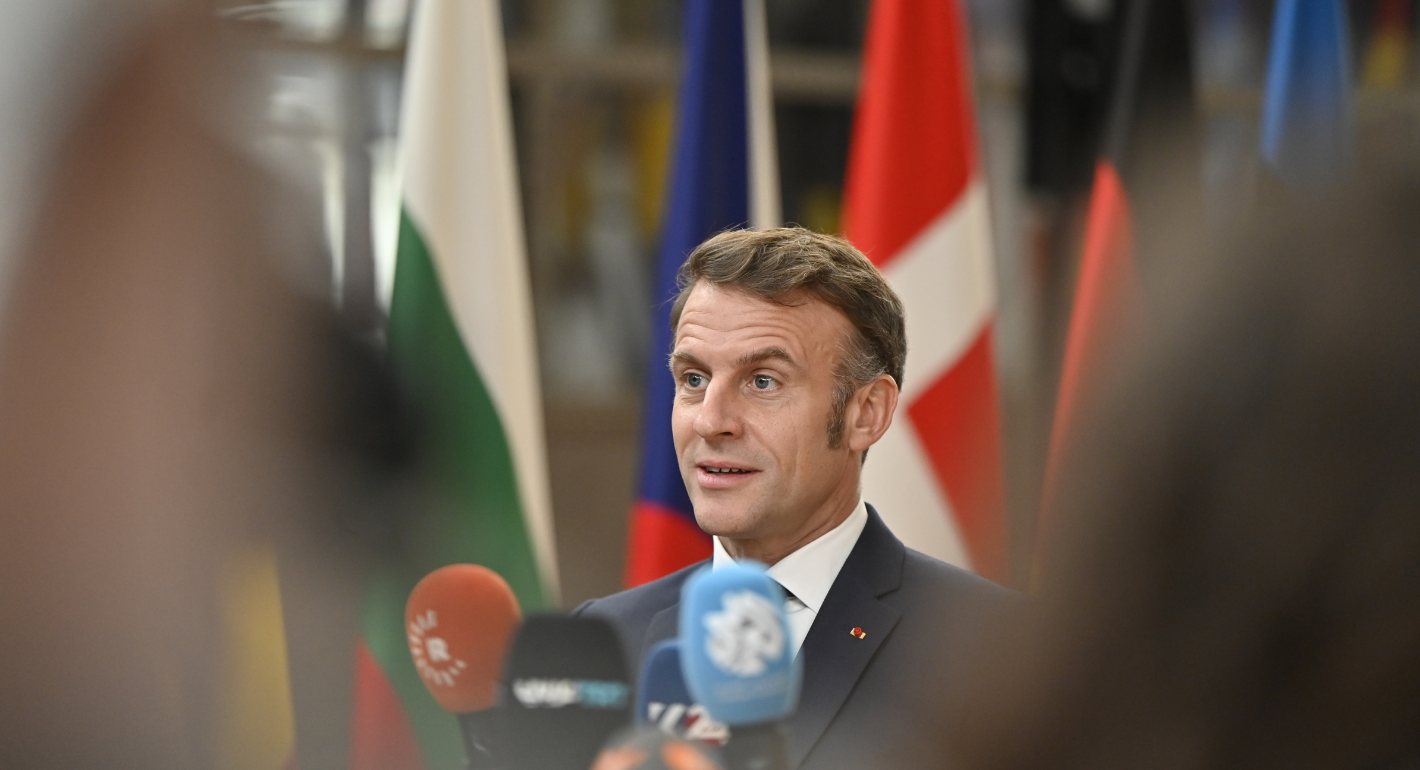
France has stopped clinging to notions of being a great power and is embracing the middle power moment. But Emmanuel Macron has his work cut out if he is to secure his country’s global standing before his term in office ends.
Rym Momtaz

Despite offering security benefits to candidates and the EU alike, the enlargement agenda appears stalled. Why is progress not being made, and is it time for Europe to rethink its approach?
Sylvie Goulard, Gerald Knaus