

Commentary
Europe has been standing by while its Southern neighborhood is being redrawn by force. To establish a path to peace between Israel and Lebanon, it’s time for Europeans to get involved with hard power.
Rym Momtaz
{
  "authors": [],
  "type": "pressRelease",
  "centerAffiliationAll": "dc",
  "centers": [
    "Carnegie Endowment for International Peace"
  ],
  "collections": [],
  "englishNewsletterAll": "menaTransitions",
  "nonEnglishNewsletterAll": "",
  "primaryCenter": "Carnegie Endowment for International Peace",
  "programAffiliation": "MEP",
  "programs": [
    "Middle East"
  ],
  "projects": [],
  "regions": [
    "Middle East",
    "North Africa"
  ],
  "topics": [
    "Economy"
  ]
}
REQUIRED IMAGE
The reaction of Arab countries to the economic crisis has been patchy, uneven, and deficient. An urgent and coordinated response should not compromise important long-term goals like increased transparency and stability.
BEIRUT, May 14—The reaction of Arab countries to the economic crisis has been patchy, uneven, and deficient. Cushioning the blow, protecting the hardest hit, and reigniting regional growth will all be best achieved by an urgent and coordinated response that does not compromise important long-term goals like increased transparency and stability, concludes a new commentary from Ibrahim Saif and Farah Choucair.
Saif and Choucair examine the policy responses of Gulf countries, the Maghreb, and Egypt, Lebanon, Syria, Jordan, and Yemen. Faced with declining oil revenues and heavy financial-sector losses, Gulf countries increased spending to sustain growth, but only focused on a few sectors. Other Arab countries, threatened by shrinking exports, remittances, and foreign aid, have adopted ad hoc national policies after an initial period of denial.
Recommendations:
Saif and Choucair conclude:
“The policy responses of Arab countries thus far are simply deficient. Characterized by an initial state of denial, the policy measures that followed are highly arbitrary and lack a clear vision. Many governments are not dealing with the crisis with the needed degree of urgency. Since the crisis is global in nature, no single country can face its ramifications alone; a more collective effort should be pursued at both governmental and private sector levels."
###
NOTES
Carnegie does not take institutional positions on public policy issues; the views represented herein are those of the author(s) and do not necessarily reflect the views of Carnegie, its staff, or its trustees.
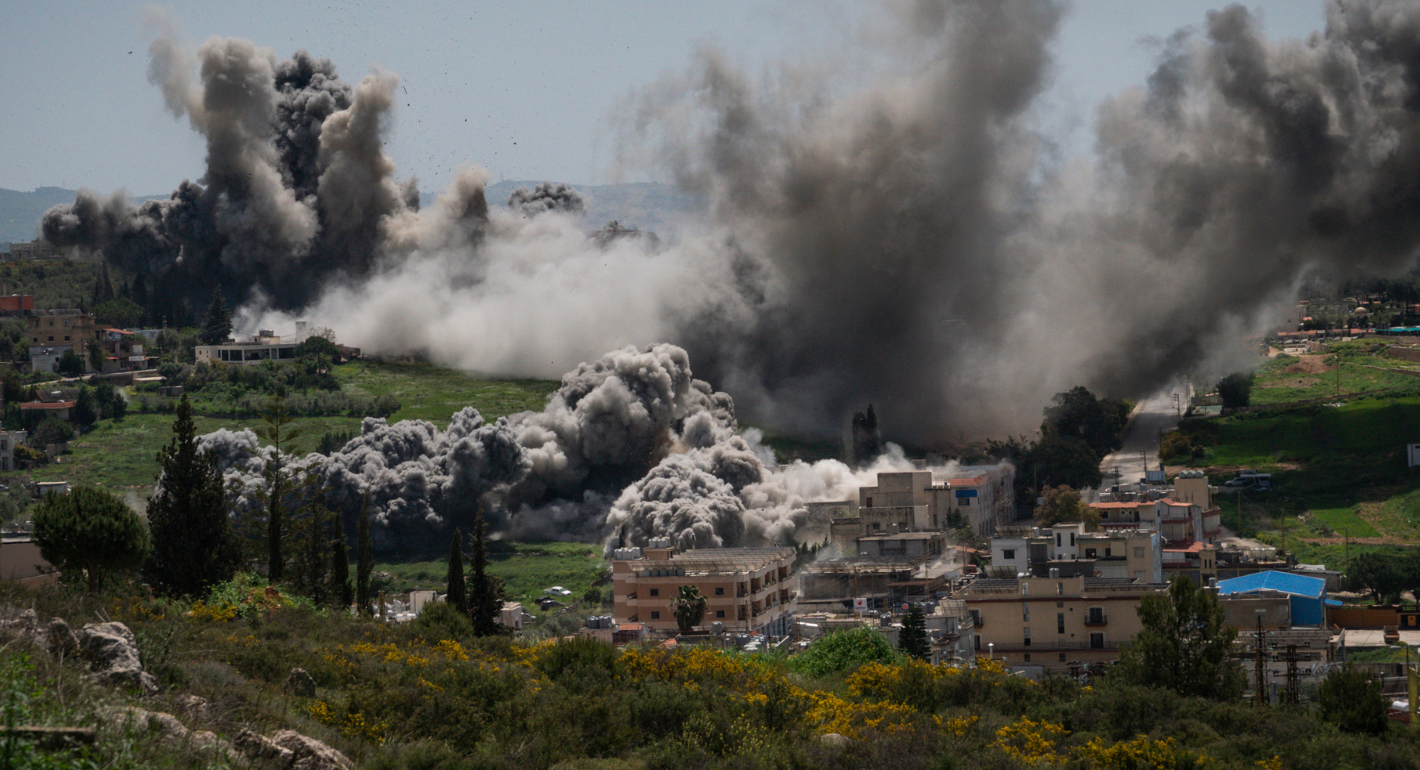
Europe has been standing by while its Southern neighborhood is being redrawn by force. To establish a path to peace between Israel and Lebanon, it’s time for Europeans to get involved with hard power.

Rym Momtaz
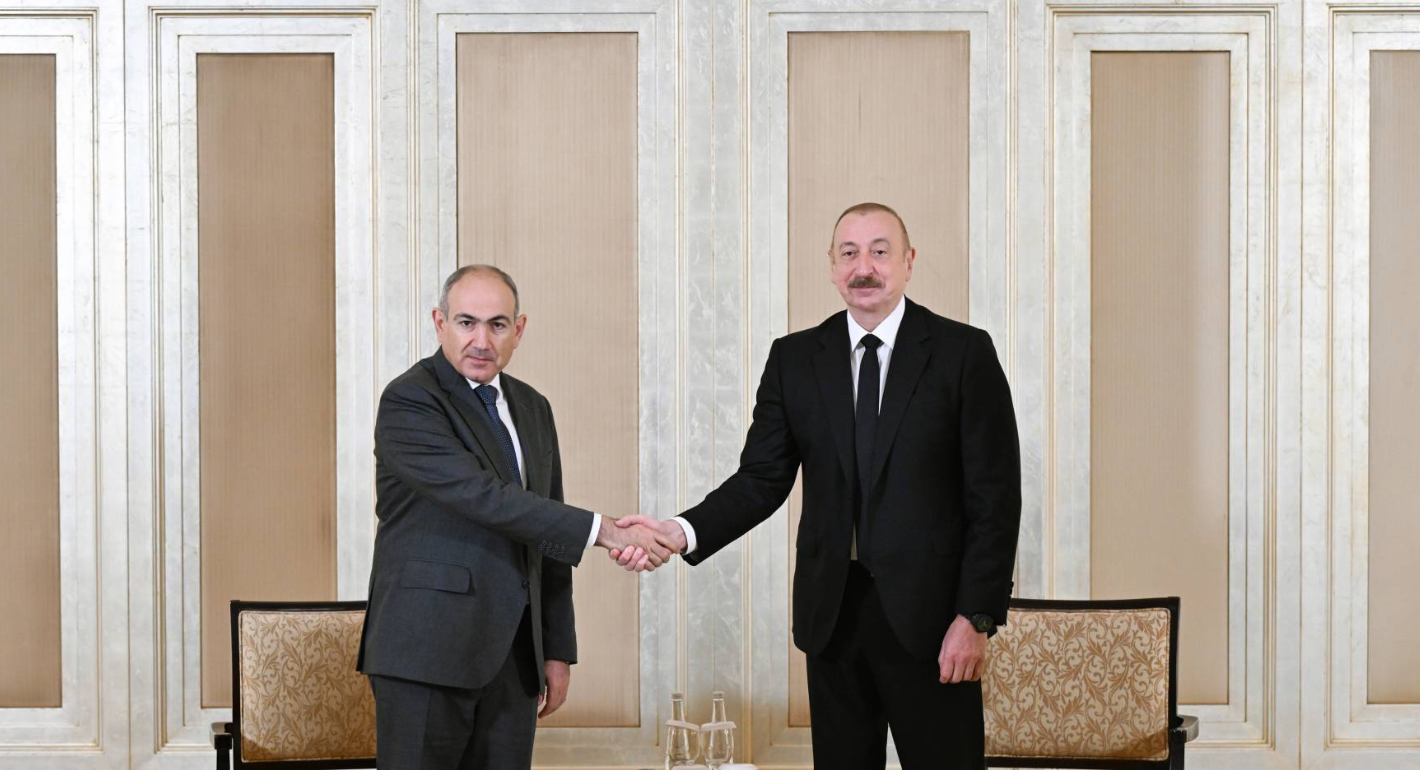
The U.S.-sponsored TRIPP deal is driving the Armenia-Azerbaijan peace process forward. But foreign and domestic hurdles remain before connectivity and economic interdependence can open up the South Caucasus.

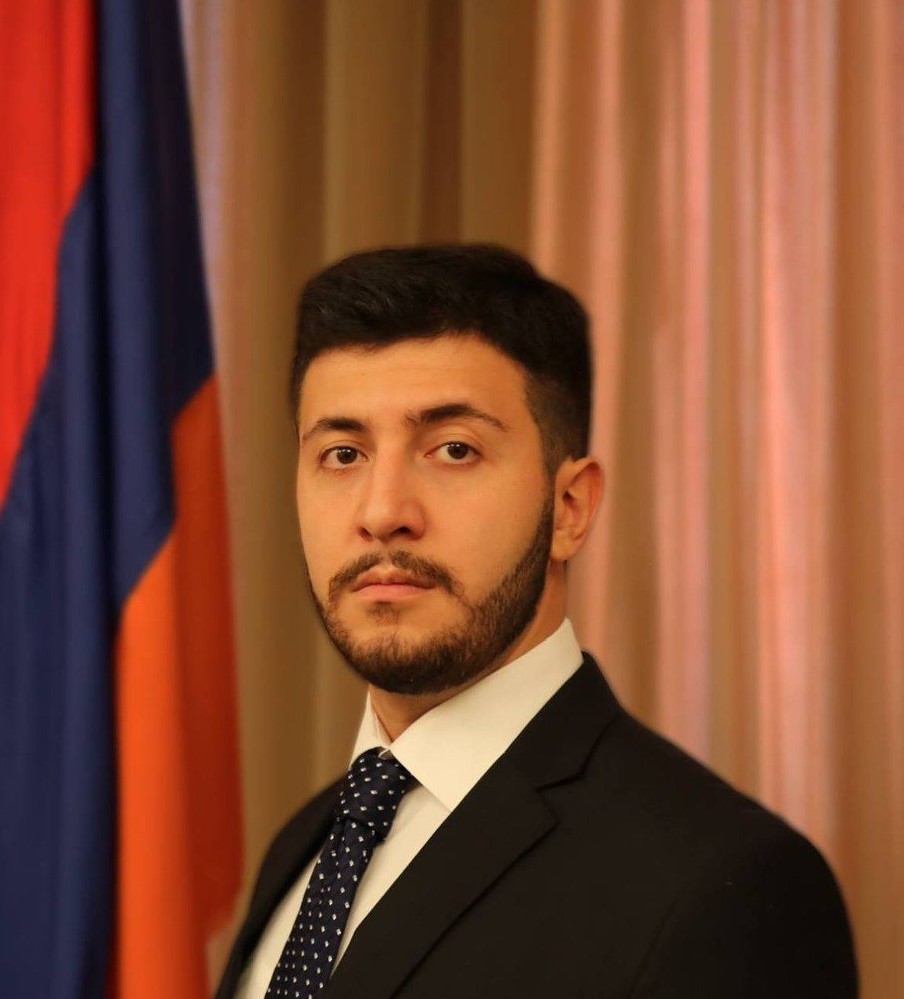

Thomas de Waal, Areg Kochinyan, Zaur Shiriyev
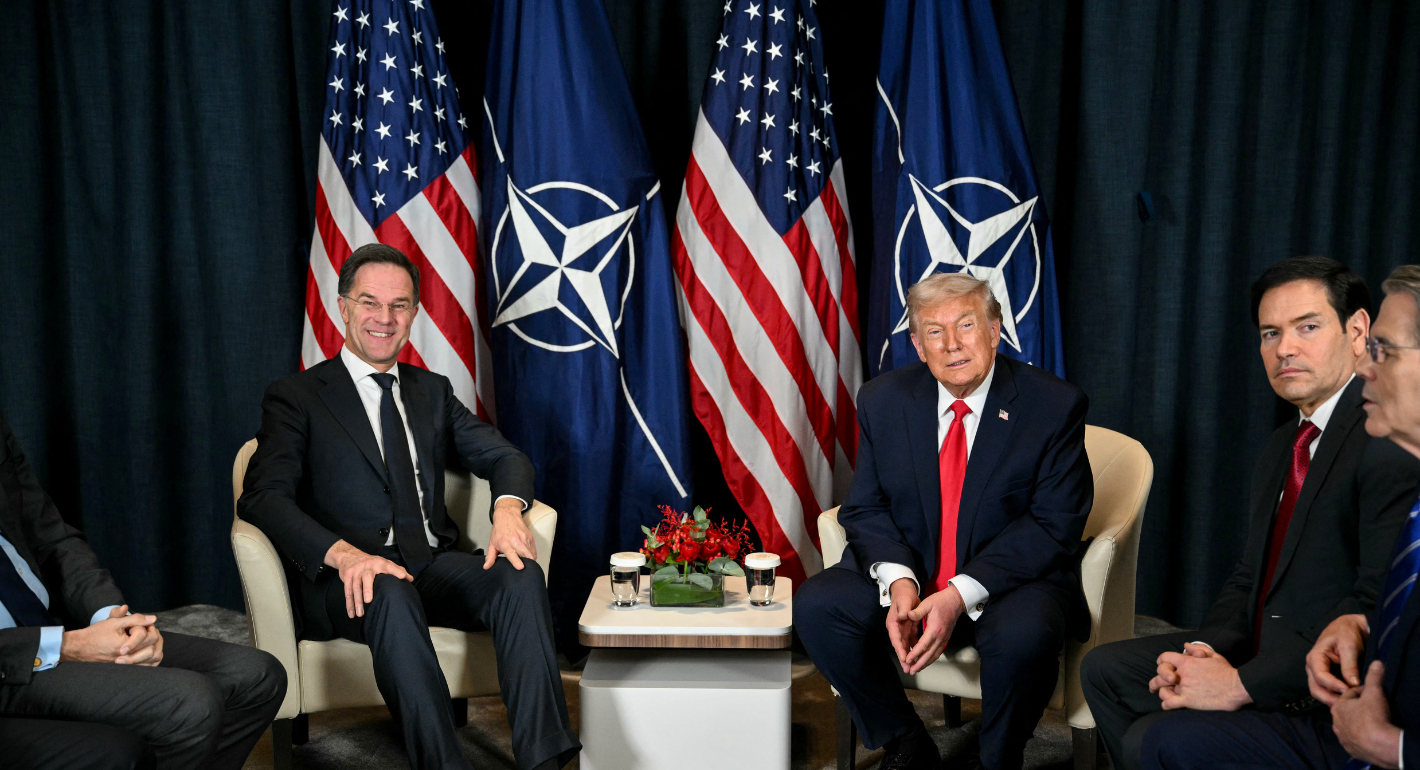
Donald Trump has demanded that European allies send ships to the Strait of Hormuz while his war of choice in Iran rages on. He has constantly berated NATO while the alliance’s secretary-general has emphatically supported him.
Rym Momtaz, ed.
The war in Ukraine is costing Russia its leverage overseas. Across the South Caucasus and Middle East, this presents an opportunity for Europe to pick up the pieces and claim its own sphere of influence.

William Dixon, Maksym Beznosiuk

Economic growth is at the heart of a dilemma between planetary and international security.

Olivia Lazard