

Commentary
In supporting Europe’s far-right, MAGA and Russia both want the same thing: a weaker EU. Europe must defend itself without abandoning the openness these forces exploit.
Armida van Rij
{
  "authors": [
    "Sven Behrendt",
    "Vidhi Tambiah"
  ],
  "type": "legacyinthemedia",
  "centerAffiliationAll": "dc",
  "centers": [
    "Carnegie Endowment for International Peace",
    "Malcolm H. Kerr Carnegie Middle East Center"
  ],
  "collections": [],
  "englishNewsletterAll": "menaTransitions",
  "nonEnglishNewsletterAll": "",
  "primaryCenter": "Malcolm H. Kerr Carnegie Middle East Center",
  "programAffiliation": "MEP",
  "programs": [
    "Middle East"
  ],
  "projects": [],
  "regions": [
    "Western Europe"
  ],
  "topics": [
    "Economy"
  ]
}
Source: Getty
As the clouds of the global financial crisis slowly part, the shock the international community has experienced in the past 18 months is changing to a more reflective, forward-looking state of mind.
Source: The National

At this point, some of the more fundamental parameters that will determine the shape of the global financial framework are emerging.
One lesson of the financial crisis is that the Gulf region can by no means detach itself from developments in the global financial marketplace.
So it will need to tackle the regulatory backlash surging in the major developed economies that will fundamentally alter the competitive landscape of traditional and emerging financial centres.
The EU has been most active in setting the future regulatory agenda. Most importantly, the European Commission, in the form of the “The High-Level Group on Financial Supervision in the EU” report, has proposed a major overhaul of European cross-border arrangements for financial stability.
These promote stronger co-ordinated financial market supervision and establish more effective crisis-management mechanisms across Europe. Such measures, to be discussed by the European Council on June 19, will have global ramifications.
Predictably, the reaction of European market participants has been frosty, causing some of them to consider “shopping around” and relocating. For example, some British hedge funds have threatened to move outside the EU’s regulatory reach in order to continue operating profitably. Switzerland leads as an attractive alternative.
According to a recent survey of Swiss finance professionals, Switzerland’s main competitive advantage is its banking secrecy, but this is under threat. The statement by the Group of 20 leading and emerging economies in April proclaimed the end of the banking secrecy era.
Many Swiss financiers believe that if this objective is rigorously pursued, Switzerland will lose its competitive edge, allowing other financial centres to flourish. Already, according to the same survey, Swiss financiers perceive centres such as Dubai and Singapore as major competitive players.
This is important news for the Gulf region. Its financial centres in Bahrain, Qatar and Dubai, by positioning themselves as convenient locations in terms of capital, infrastructure and time zones, have grown quickly into sizeable entities. Yet they continue to strive to become global financial centres.
The regulatory trends in traditional centres will mean that more attention will naturally be focused on the Gulf region.
The region faces two strategic options concerning the regulatory regime it is going to employ.
In one scenario, by offering a loose regulatory environment, the Gulf centres stand to gain considerable market share. They will attract participants who are likely to be fast-moving, innovative, opportunistic entities representing large volumes of assets and transactions.
On the other hand, some of these entities may also represent corporations and individuals wishing to evade global regulatory and tax scrutiny.
The second scenario envisages that financial centres will compete on factors unrelated to regulatory arbitrage. These will include high-quality client service levels, innovative products, forward-looking and effective risk management, and professional services clustering.
For the time being, the Gulf financial centres, on a global scale, are relatively small. Global market participants will act more quickly than the global regulatory environment will change. Therefore, political pressure being applied to the Gulf region in the short run is likely to be limited.
Nevertheless, in the long run, the rise of the Gulf region as a financial hub will correspond with a rise in political expectations to adopt global standards. With this in mind, the first scenario may provide a tempting opportunity to gain market share. But realising the second scenario should be the longer-term, sustainable objective.
To achieve this, regional policy makers will need to clearly identify their positioning among other global players with respect to non-regulatory competitive factors.
Done thoroughly, this focus will inspire healthy debate among market participants concerning the long-term, sustainable edge the Gulf region seeks to develop.
Sven Behrendt is an associate scholar at the Carnegie Endowment for International Peace in Beirut. Vidhi Tambiah is a partner at Anchor International Investments in Geneva.

Former Visiting Scholar, Middle East Center
Behrendt is an expert in global issues, international negotiations, conflict resolution, and corporate strategy. He previously served at the World Economic Forum in various management positions.
Vidhi Tambiah
Carnegie does not take institutional positions on public policy issues; the views represented herein are those of the author(s) and do not necessarily reflect the views of Carnegie, its staff, or its trustees.

In supporting Europe’s far-right, MAGA and Russia both want the same thing: a weaker EU. Europe must defend itself without abandoning the openness these forces exploit.

Armida van Rij

As we close out another season of Strategic Europe, it is worth taking stock of the deep shifts underway.

Rym Momtaz

As the EU confronts profound challenges, several leaders have called for fundamental reform to the union’s model—but only modest, superficial changes have resulted. What if Europe really could be reimagined from zero today: What should such a redesigned European order look like?

Richard Youngs, ed.
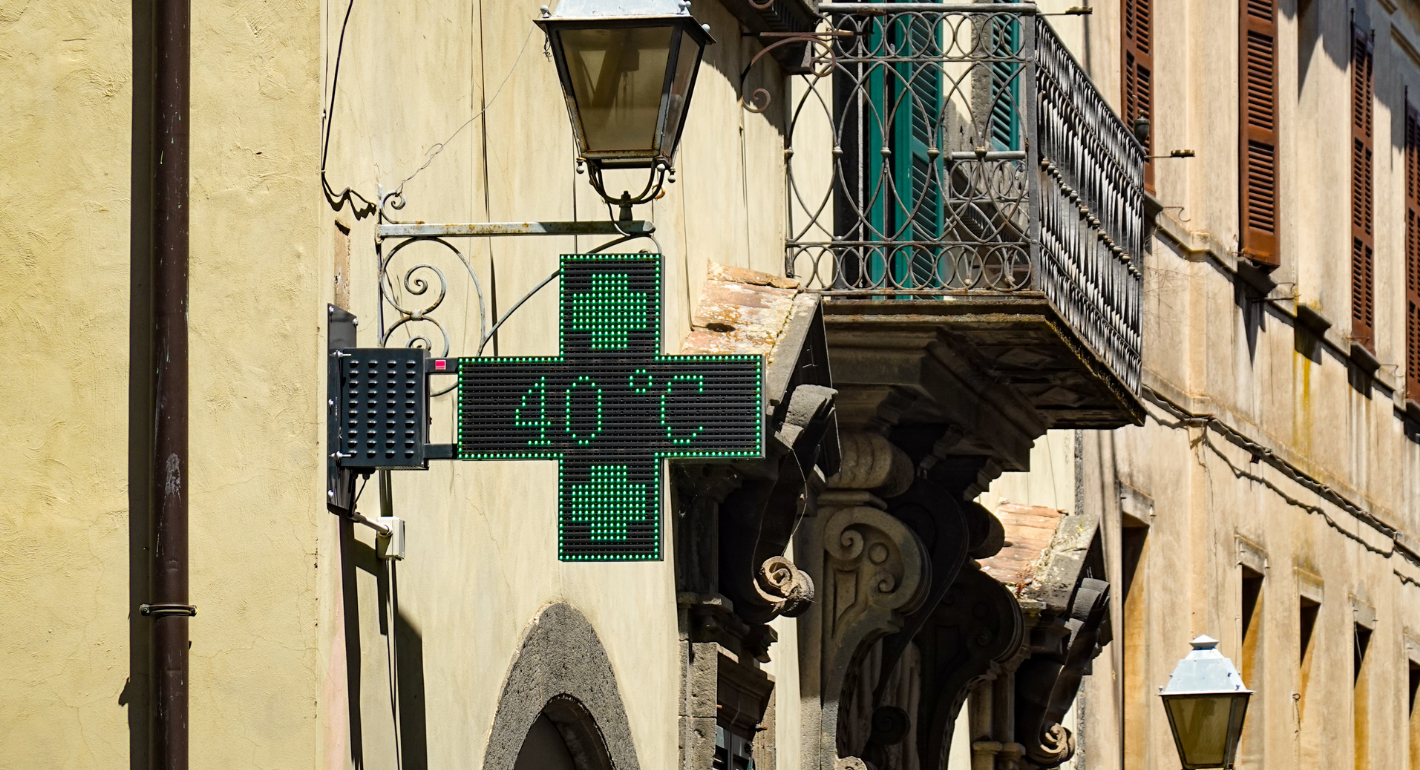
Western Europe’s dual-use infrastructure melted down during its latest heat wave. If a predicted hot weather event can take the continent by surprise, what chance does it have to withstand unexpected geopolitical crises?
Rym Momtaz
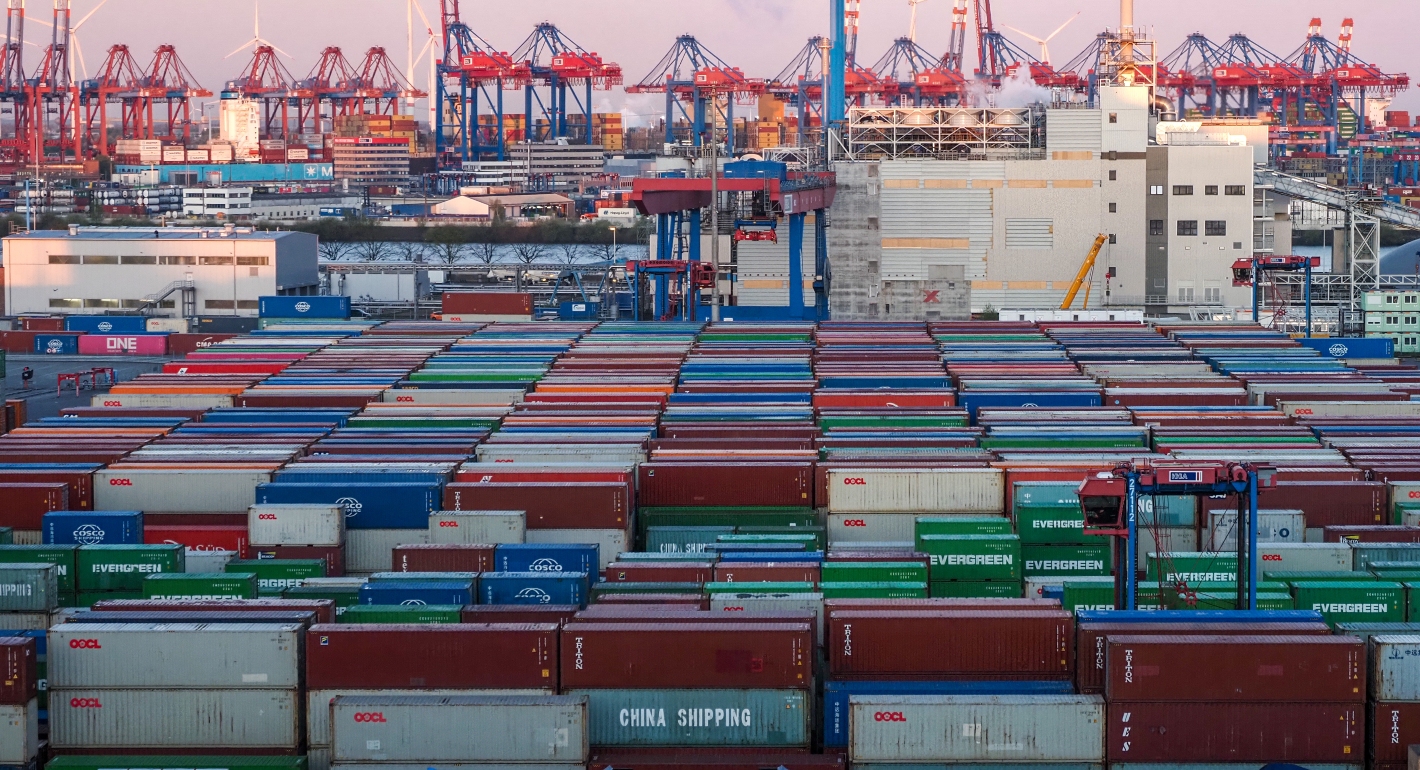
As geopolitical rivalry weaponizes global supply chains, the EU’s true vulnerability lies in emerging-risk imports. For these goods, suppliers are growing more concentrated, substitution more difficult, and political risk is looming.

Sinan Ülgen