

Article
Pierre Goldschmidt
{
  "authors": [
    "Pierre Goldschmidt"
  ],
  "type": "legacyinthemedia",
  "centerAffiliationAll": "dc",
  "centers": [
    "Carnegie Endowment for International Peace"
  ],
  "collections": [],
  "englishNewsletterAll": "ctw",
  "nonEnglishNewsletterAll": "",
  "primaryCenter": "Carnegie Endowment for International Peace",
  "programAffiliation": "NPP",
  "programs": [
    "Nuclear Policy"
  ],
  "projects": [],
  "regions": [],
  "topics": [
    "Nuclear Energy"
  ]
}
Source: Getty
The weakest link in the nonproliferation regime today is the performance of the international community in responding to cases of non-compliance, and the burden falls largely on the IAEA Board of Governors and the UN Security Council.
Source: Arms Control Today

The main objective of the International Atomic Energy Agency (IAEA), as set out in its statute, is to promote "the contribution of atomic energy to peace, health, and prosperity throughout the world" while ensuring that nuclear material, equipment, facilities, and information are not used for any military purpose. The IAEA carries out the latter part of this mandate by establishing and implementing safeguards.
Former Nonresident Senior Associate, Nuclear Policy Program
Goldschmidt was a nonresident senior associate at the Carnegie Endowment.
Recent Work
Pierre Goldschmidt
Pierre Goldschmidt
Carnegie does not take institutional positions on public policy issues; the views represented herein are those of the author(s) and do not necessarily reflect the views of Carnegie, its staff, or its trustees.
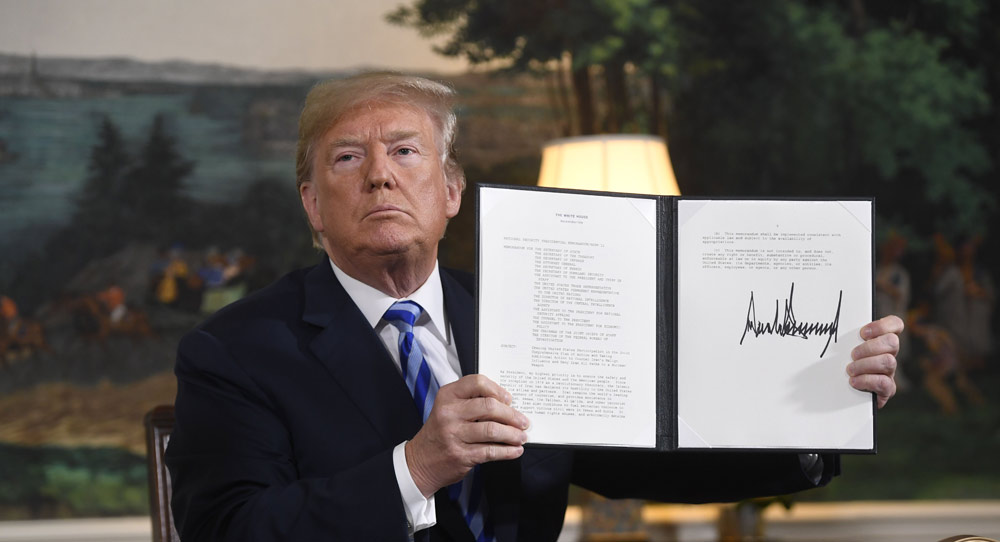
Washington underestimates the strength of attachment in Paris and Berlin to the current Iran deal, as well as the depth of differences between Europe and the United States on how to stabilize the Middle East.
Tomáš Valášek
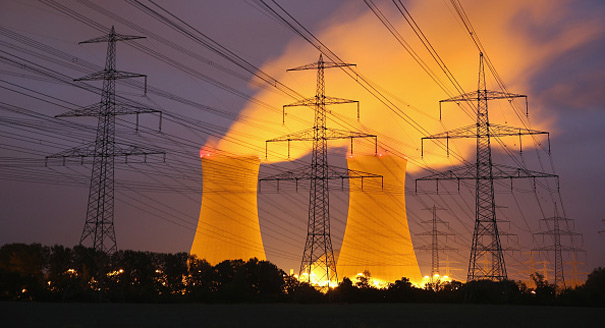
The fate of Turkish-Russian nuclear cooperation is unclear as the political relationship between the two countries may be entering a long-term downward spiral.

Sinan Ülgen
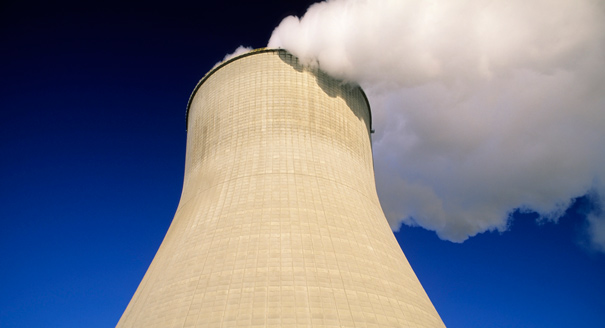
Economic interests, combined with national security considerations, give Turkey an incentive not to seek nuclear weapons.

George Perkovich, Sinan Ülgen
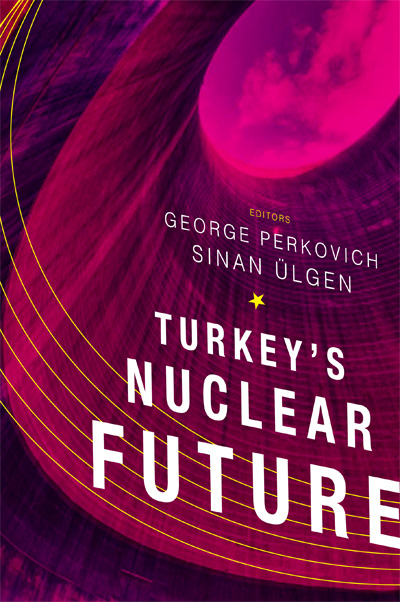
Turkey is a rising economic and political force with the ability to affect dynamics in the greater Middle East, the Caucasus, and Central Asia. To meet its rising energy needs, the country—already an important actor in the international nuclear order—plans to establish nuclear power plants on its territory.
George Perkovich, Sinan Ülgen
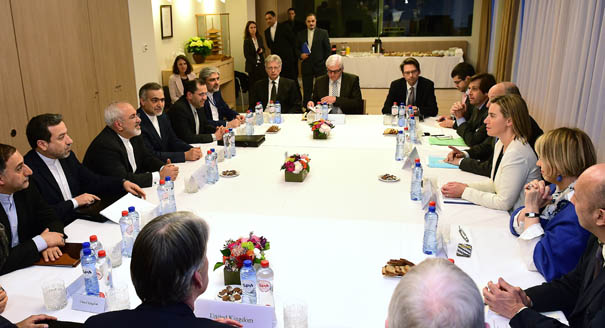
A nuclear deal with Iran would not change much, neither to the West’s overall relationship with the country nor to Tehran’s regional role.

Cornelius Adebahr