

Article
For years, the United States anchored global cyber diplomacy. As Washington rethinks its leadership role, the launch of the UN’s Cyber Global Mechanism may test how allies adjust their engagement.
Patryk Pawlak, Chris Painter
{
  "authors": [],
  "type": "pressRelease",
  "centerAffiliationAll": "",
  "centers": [
    "Carnegie Endowment for International Peace"
  ],
  "collections": [],
  "englishNewsletterAll": "",
  "nonEnglishNewsletterAll": "",
  "primaryCenter": "Carnegie Endowment for International Peace",
  "programAffiliation": "",
  "programs": [],
  "projects": [],
  "regions": [
    "East Asia",
    "China",
    "North America"
  ],
  "topics": []
}
REQUIRED IMAGE
An uncontrolled collapse of the housing market is unlikely if Beijing can effectively cool speculative demand for housing. Still, China should remain wary of the potentially destabilizing social consequences associated with unaffordable housing.
WASHINGTON, July 8—With an overheating economy and an expanding bubble in residential property, China began tightening its monetary policy in early 2010. Pieter Bottelier writes that an uncontrolled collapse of the housing market is unlikely if Beijing can effectively cool speculative demand for housing. Still, China should remain wary of the potentially destabilizing social consequences associated with unaffordable housing.
Key Conclusions
“Given the scarcity of land and high population density in eastern China, residential property prices will tend to be high relative to incomes, even if there is a market correction in the near-term,” writes Bottelier. “Widespread discontent over housing affordability could become a source of social instability and is for that reason very much on the government’s radar screen.”
###
NOTES
Carnegie does not take institutional positions on public policy issues; the views represented herein are those of the author(s) and do not necessarily reflect the views of Carnegie, its staff, or its trustees.
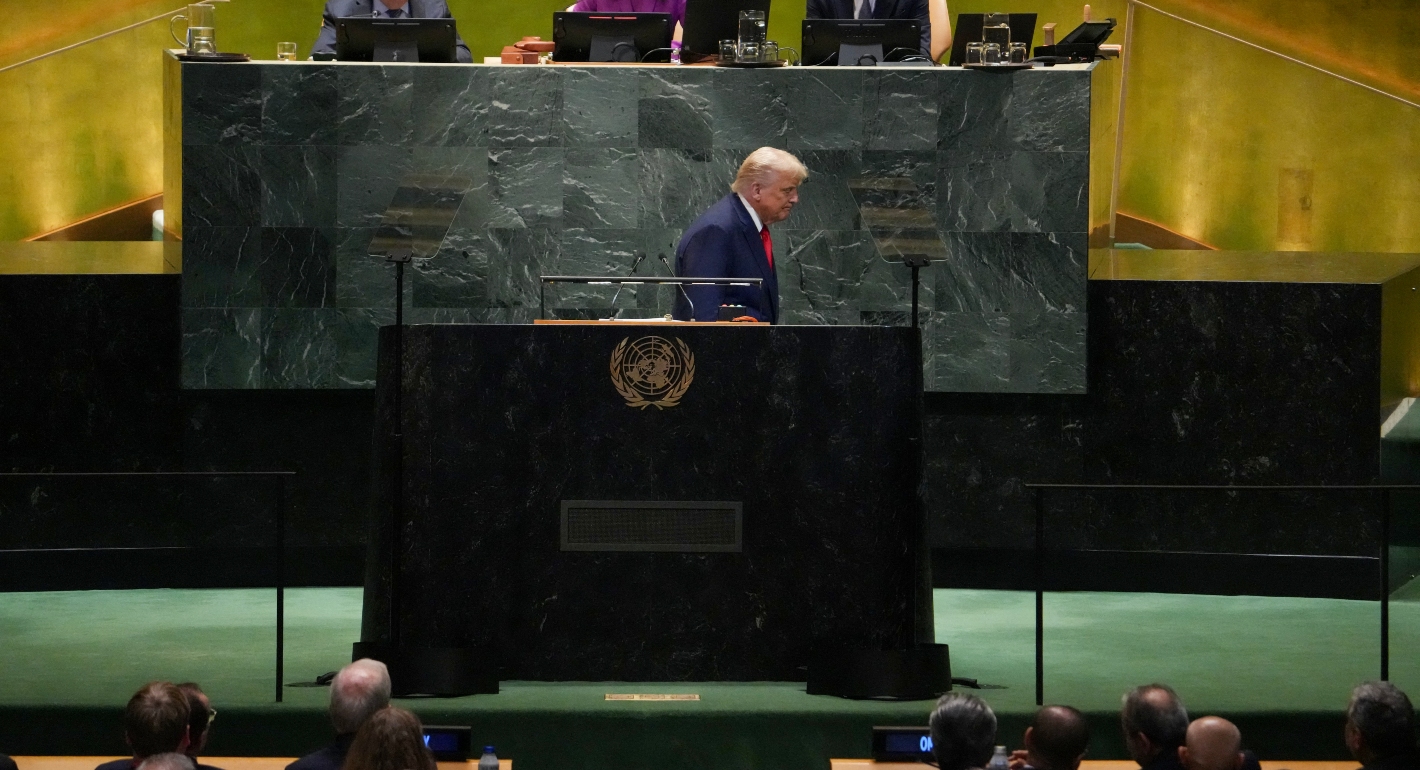
For years, the United States anchored global cyber diplomacy. As Washington rethinks its leadership role, the launch of the UN’s Cyber Global Mechanism may test how allies adjust their engagement.


Patryk Pawlak, Chris Painter
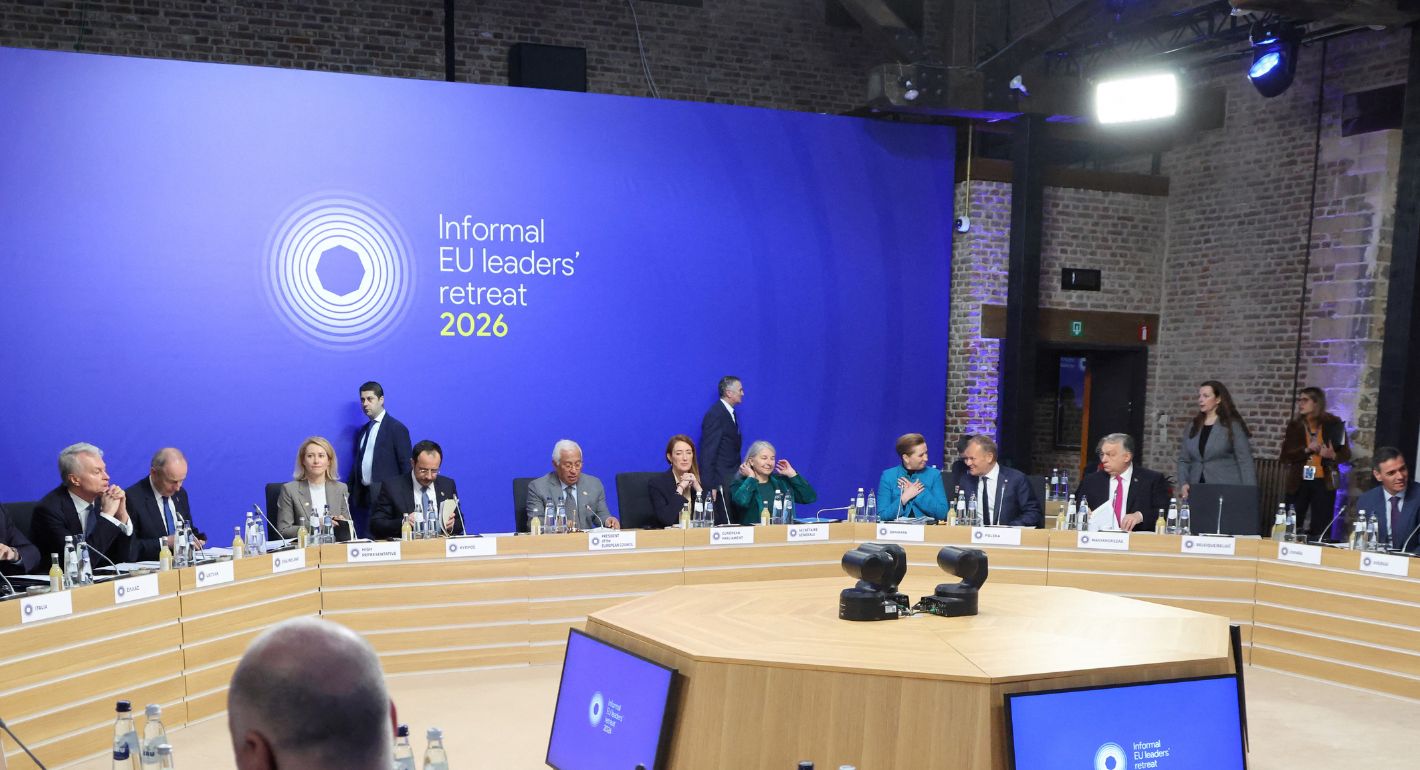
EU member states clash over how to boost the union’s competitiveness: Some want to favor European industries in public procurement, while others worry this could deter foreign investment. So, can the EU simultaneously attract global capital and reduce dependencies?

Rym Momtaz, ed.
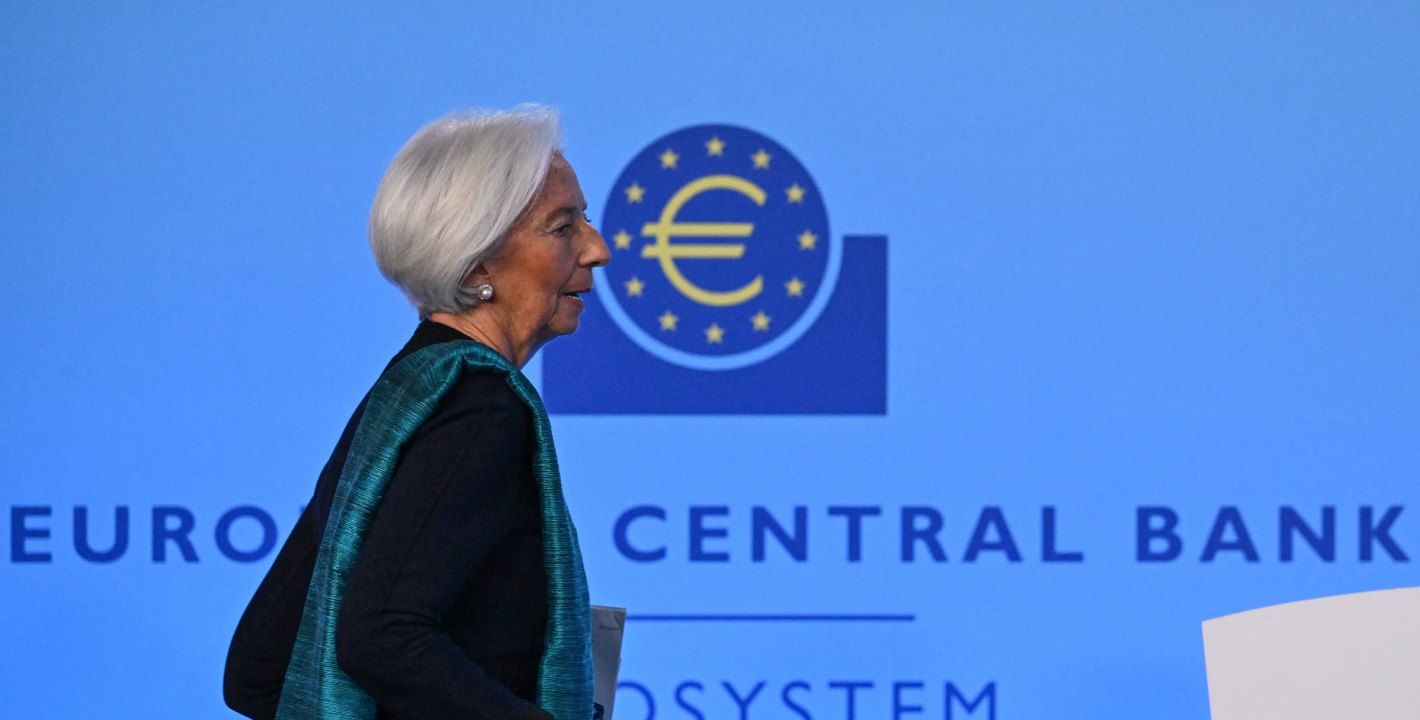
2026 has started in crisis, as the actions of unpredictable leaders shape an increasingly volatile global environment. To shift from crisis response to strategic foresight, what under-the-radar issues should the EU prepare for in the coming year?

Thomas de Waal
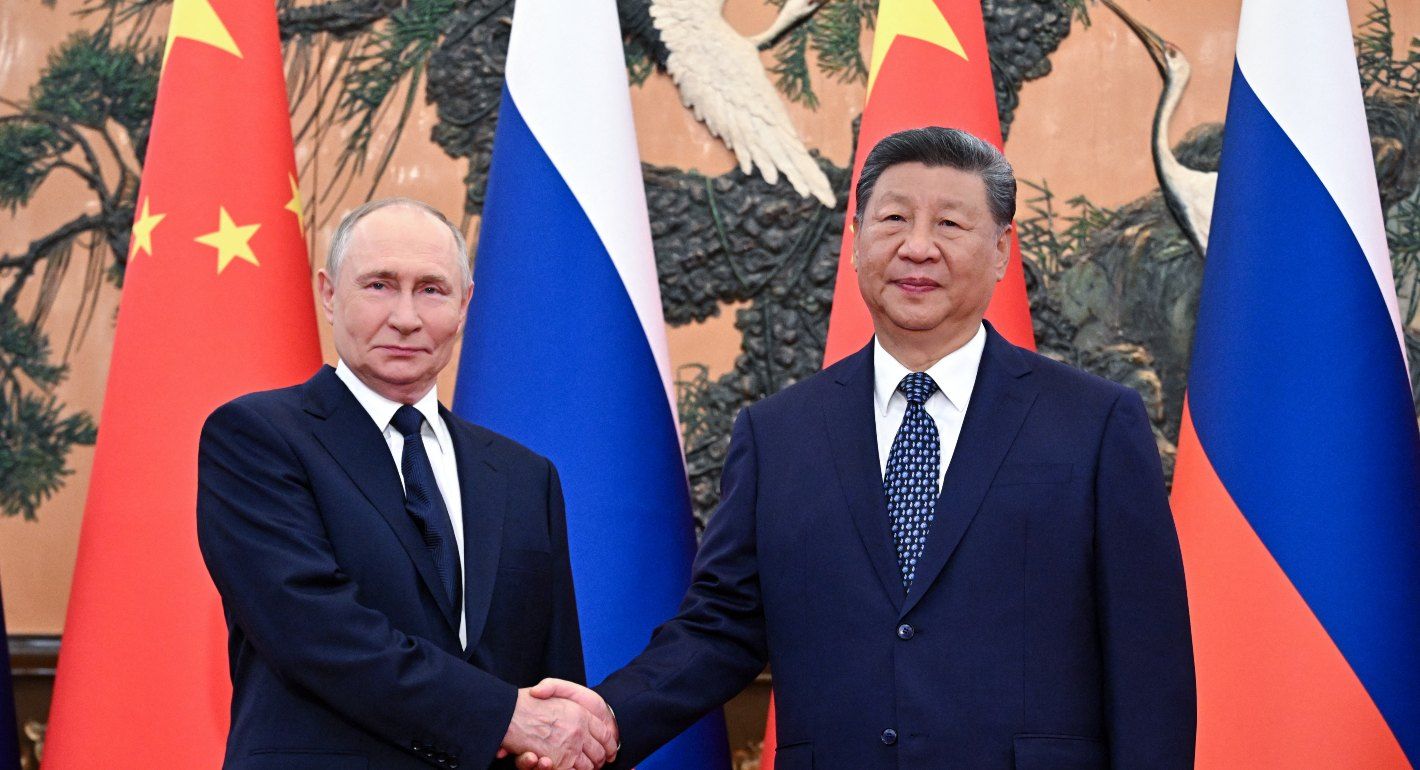
China plays an increasingly active role in the Kremlin’s hybrid war against Europe. The EU must confront this growing China-Russia cooperation, as it poses grave threats to both European security and economic resilience.

Maksym Beznosiuk

COP30 takes place amidst increased pessimism about the world’s commitment to energy transition and ecological protection. Beset by a host of other challenges, can Europe still maintain its role as a driver of global climate action?
Thomas de Waal