

Paper
Ashley J. Tellis
{
  "authors": [
    "Ashley J. Tellis"
  ],
  "type": "other",
  "centerAffiliationAll": "dc",
  "centers": [
    "Carnegie Endowment for International Peace",
    "Carnegie Europe"
  ],
  "collections": [],
  "englishNewsletterAll": "ctw",
  "nonEnglishNewsletterAll": "",
  "primaryCenter": "Carnegie Endowment for International Peace",
  "programAffiliation": "SAP",
  "programs": [
    "South Asia"
  ],
  "projects": [],
  "regions": [
    "South Asia",
    "Pakistan",
    "East Asia",
    "China",
    "Asia"
  ],
  "topics": [
    "Nuclear Policy",
    "Nuclear Energy"
  ]
}
Source: Getty
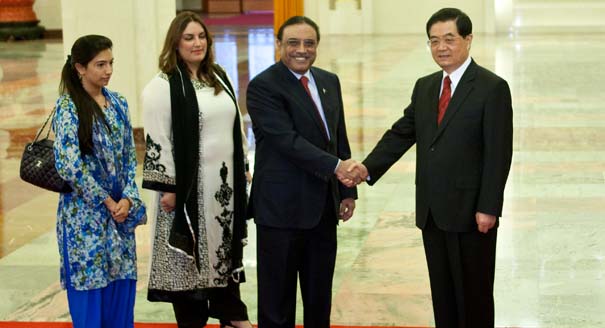
China’s commitment to provide Pakistan with two additional civilian nuclear reactors has created great unease in the international nonproliferation community. While some compare this assurance to the U.S.- India nuclear cooperation agreement, the differences between the two are significant.
China’s commitment to provide Pakistan with two additional civilian nuclear reactors has created great unease in the international nonproliferation community. While some compare this assurance to the U.S.- India nuclear cooperation agreement, the differences between the two are significant.
The United States must convey to China its strong concern about the planned reactor sale to Pakistan. The integrity of the global nonproliferation system requires an orderly and coordinated process for managing change—which the NSG provides—and China, as a member of that group, should be permitted to consummate its prospective deal with Pakistan only if it first secures an NSG exemption from the current guidelines.
By leading international opposition to the Sino-Pakistani deal in its current form—both bilaterally and multilaterally—Washington can prompt Beijing to reconsider its plans. It would also encourage other countries to insist that Beijing respect the integrity of the global nonproliferation system overseen by the NSG. China has shown its willingness in the past to listen. It is time for the United States to raise its voice again.
Former Senior Fellow
Ashley J. Tellis was a senior fellow at the Carnegie Endowment for International Peace.
Recent Work
Ashley J. Tellis
Ashley J. Tellis
Carnegie does not take institutional positions on public policy issues; the views represented herein are those of the author(s) and do not necessarily reflect the views of Carnegie, its staff, or its trustees.

The hybrid warfare landscape is evolving rapidly, leaving policymakers without clear strategies. To better inform their work in addressing emerging challenges, governments must dig deeper into the underlying dynamics at play.


Raluca Csernatoni, Alicia Wanless

When the U.S.-Iran memorandum of understanding was announced, the UK, France, Germany, and Italy declared their readiness to help demine the Strait of Hormuz and lift nuclear sanctions on Tehran. But does Europe need new tools to recover a diplomatic role?

Rym Momtaz, ed.

As geopolitical rivalry weaponizes global supply chains, the EU’s true vulnerability lies in emerging-risk imports. For these goods, suppliers are growing more concentrated, substitution more difficult, and political risk is looming.

Sinan Ülgen
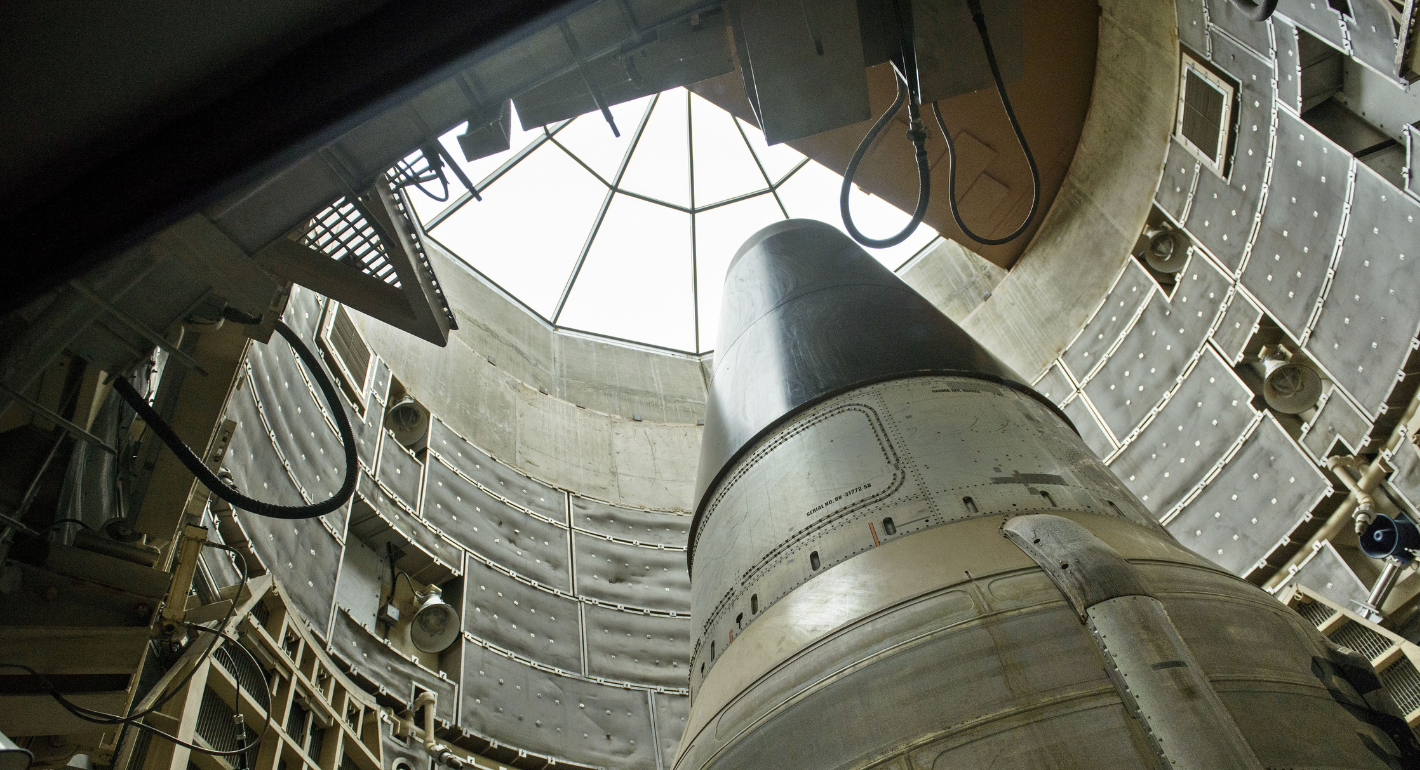
Amid uncertainty caused by the Iran war, the global drive for nonproliferation has stalled. With Europe diplomatically marginalized and countries reassessing their nuclear options, efforts to curb the spread of nuclear weapons risk becoming irrelevant.

Jane Darby Menton
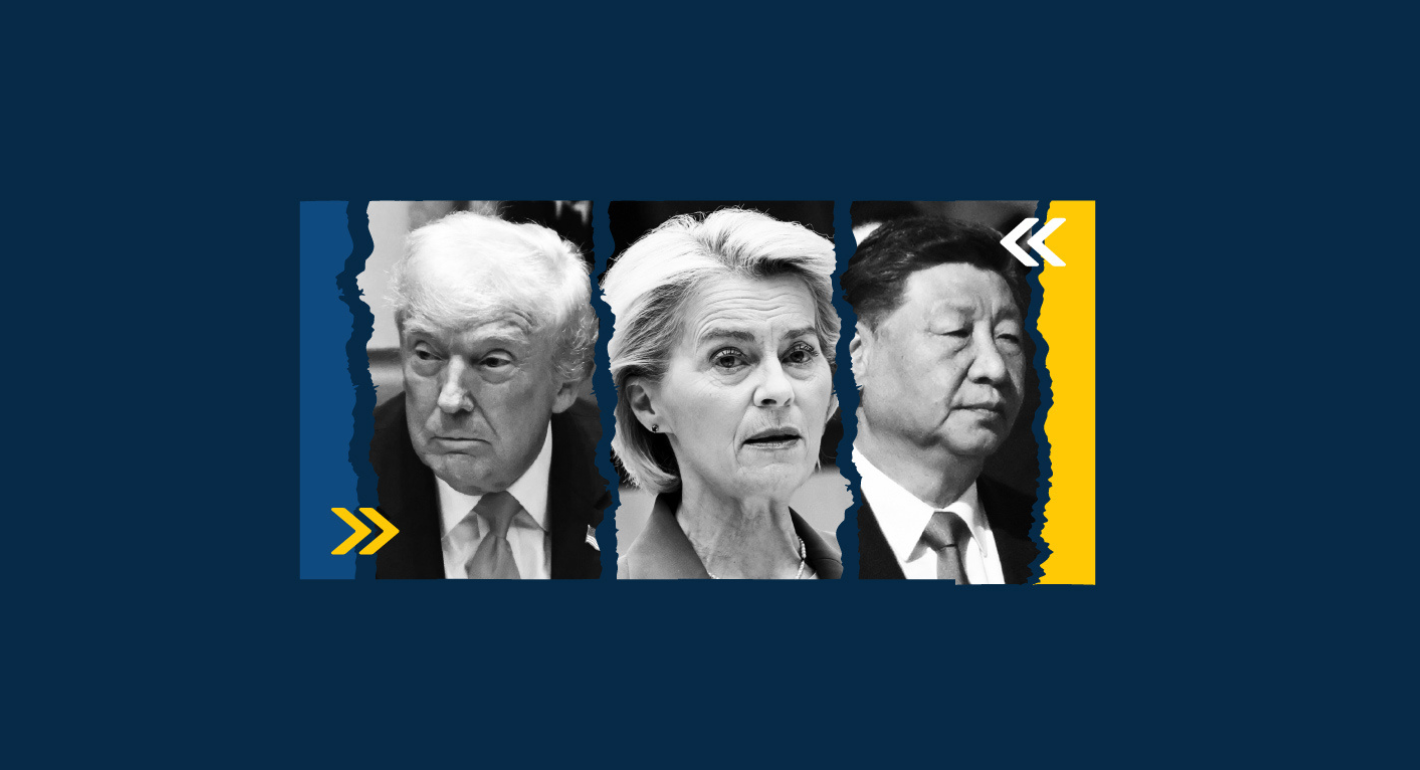
Between the United States’ market-driven approach and China's state-led industrial strategy, Europe is reckoning with how it can remain competitive in the global economy. But is Europe in danger of becoming a U.S. or China colony?

Noah Barkin, Anu Bradford