• Research
  • Strategic Europe
  • About
  • Experts
Carnegie Europe logoCarnegie lettermark logo
EUUkraine
  • Donate
{
  "authors": [
    "Gilles Dorronsoro"
  ],
  "type": "legacyinthemedia",
  "centerAffiliationAll": "dc",
  "centers": [
    "Carnegie Endowment for International Peace",
    "Carnegie Europe"
  ],
  "collections": [],
  "englishNewsletterAll": "ctw",
  "nonEnglishNewsletterAll": "",
  "primaryCenter": "Carnegie Endowment for International Peace",
  "programAffiliation": "SAP",
  "programs": [
    "South Asia"
  ],
  "projects": [],
  "regions": [
    "South Asia",
    "Afghanistan",
    "Asia"
  ],
  "topics": [
    "Security"
  ]
}
Source: Getty

In The Media

Afghanistan Will Only Get Worse

The counterinsurgency strategy in Afghanistan is failing and the longer the United States waits to begin negotiating with the Taliban, the stronger the Taliban will be and the less likely it is that they will be willing to talk.

Link Copied
By Gilles Dorronsoro
Published on Sep 14, 2010

Source: The International Herald Tribune

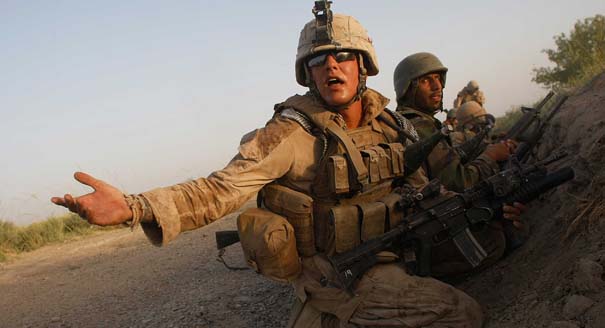
Afghanistan Will Only Get Worse The final brigades of the troop surge in Afghanistan arrived this month, signaling the height of American involvement in the country. Nearly half of the U.S. troops in the country are deployed to Helmand and Kandahar to implement the new counterinsurgency strategy and success is supposed to show that the American surge can win the war.

But the Western coalition is in a quagmire in the south and the Taliban are winning in the north, consolidating their grip in the east, and slowly encircling Kabul.
 
The United States has expended a great deal of resources in the south. American troops planned to showcase the potential for their new counterinsurgency strategy with an early success in Marja. Instead, the area remains unstable and insecure months after the long offensive began. This delayed plans to move aggressively on Kandahar, Afghanistan’s second largest city.
 
Having concentrated the bulk of its forces in the south, the coalition is not able to contain the Taliban in other parts of the country.
 
When I was traveling across Afghanistan in the spring, the Taliban’s momentum was already clear. And safety conditions continue to deteriorate. This summer, when I returned only a few months later, the situation was even worse.
 
The Taliban’s control of the south is apparent in the inability of U.S. troops to extend any control beyond their bases. It takes them hours just to move hundreds of meters outside of the perimeters on patrol. This means that they have no contact with the population and have been unable to build strong ties with local groups.
 
While it is still safe in Kabul, you can feel the Taliban tightening its hold around the capital. Leaving the city by car is becoming dangerous. The Taliban have set up roadblocks that increase the likelihood foreigners will be captured — and worse fates are likely for Afghan officials.
 
In the districts where the fighting is most intense, the population is primarily on the side of the insurgents. The Taliban are more aggressive than ever; they are systematically killing Afghans working with the coalition.
 
Worse, the lack of local reform and a toothless anti-corruption policy leaves the coalition fighting for a corrupt government with no popular support.
 
The Taliban have a great deal of influence, but even where they haven’t established control, the Afghan government doesn’t enjoy any support.
 
Casualties have increased the demands on leaders across Europe to get out of Afghanistan. And with America’s European partners planning to leave over the next few years, the United States will be on its own, mired in a war with no clear exit strategy.
 
At this point, 80 percent of Afghanistan has no state structure left. This means that there is no credible Afghan partner for the United States to work with. And where the government has lost its grip and the American-led coalition is losing, the Taliban are filling the void. As the only effective force in many areas, the Taliban are beginning to build a shadow state. The services are limited but efficient, and the Kabul government is often nowhere to be seen.
 
A telling example is that international nongovernmental organizations are increasingly working directly with the Taliban. The NGOs negotiate directly with Taliban leaders to ensure access to the Afghan people and carry out their programs. The process has become so formalized that international groups can now expect to receive a paper that is stamped and sealed by the Taliban outlining the permissions granted.
 
The coalition will not defeat this increasingly national insurgency.
 
Instead of beginning a slow drawdown of troops next summer, the United States would need to add more forces to just hold on to the areas it currently controls. As the United States struggles — and fails — to implement a successful counterinsurgency strategy in just a few parts of the country, the rest of Afghanistan is being lost.
 
The United States needs to start facing reality and begin negotiating with the Taliban before it’s too late. The longer Washington waits to rethink its reliance on a military solution, the worse the realities will become on the ground and the less likely the Taliban will be willing to talk.
 
Negotiating a new coalition government with assurances that Al Qaeda will not operate in Afghanistan again is the best hope left for an American exit.

About the Author

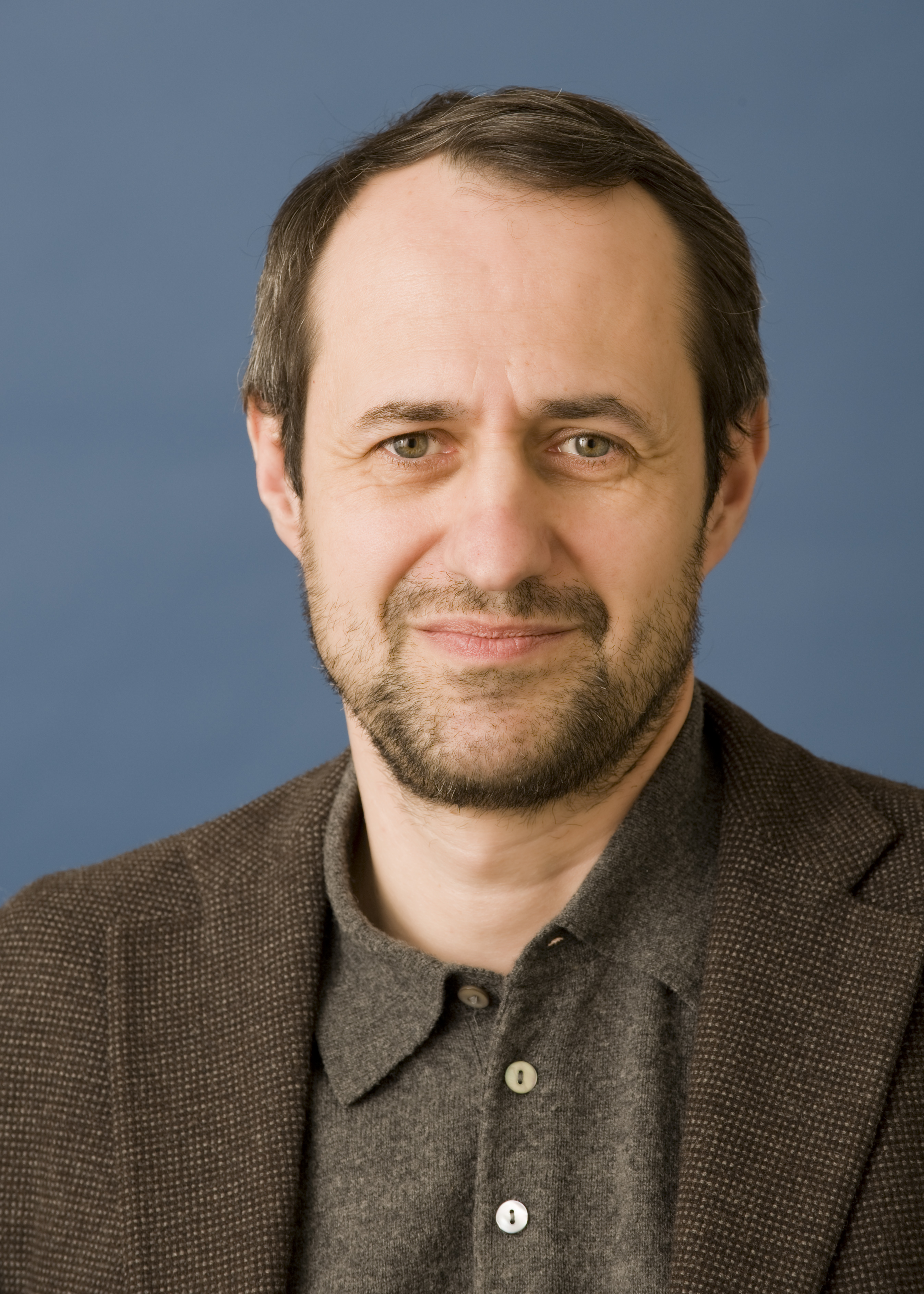
Gilles Dorronsoro

Former Nonresident Scholar, South Asia Program

Dorronsoro’s research focuses on security and political development in Afghanistan. He was a professor of political science at the Sorbonne in Paris and the Institute of Political Studies of Rennes.

    Recent Work

  • Paper
    Waiting for the Taliban in Afghanistan

      Gilles Dorronsoro

  • Paper
    Afghanistan: The Impossible Transition

      Gilles Dorronsoro

Gilles Dorronsoro
Former Nonresident Scholar, South Asia Program
Gilles Dorronsoro
SecuritySouth AsiaAfghanistanAsia

Carnegie does not take institutional positions on public policy issues; the views represented herein are those of the author(s) and do not necessarily reflect the views of Carnegie, its staff, or its trustees.

More Work from Carnegie Europe

  • Research
    Planetary vs International Security: Economic Growth at the Crossroads

    Economic growth is at the heart of a dilemma between planetary and international security.

      Olivia Lazard

  • Commentary
    Strategic Europe
    Europe and the Arab Gulf Must Come Together

    The war in Iran proves the United States is now a destabilizing actor for Europe and the Arab Gulf. From protect their economies and energy supplies to safeguarding their territorial integrity, both regions have much to gain from forming a new kind of partnership together.

      • Rym Momtaz

      Rym Momtaz

  • Commentary
    Strategic Europe
    Taking the Pulse: Is France’s New Nuclear Doctrine Ambitious Enough?

    French President Emmanuel Macron has unveiled his country’s new nuclear doctrine. Are the changes he has made enough to reassure France’s European partners in the current geopolitical context?

      • Rym Momtaz

      Rym Momtaz, ed.

  • Commentary
    The Iran War’s Dangerous Fallout for Europe

    The drone strike on the British air base in Akrotiri brings Europe’s proximity to the conflict in Iran into sharp relief. In the fog of war, old tensions in the Eastern Mediterranean risk being reignited, and regional stakeholders must avoid escalation.

      Marc Pierini

  • Commentary
    Strategic Europe
    Europe on Iran: Gone with the Wind

    Europe’s reaction to the war in Iran has been disunited and meek, a far cry from its previously leading role in diplomacy with Tehran. To avoid being condemned to the sidelines while escalation continues, Brussels needs to stand up for international law.

      Pierre Vimont

Get more news and analysis from
Carnegie Europe
Carnegie Europe logo, white
Rue du Congrès, 151000 Brussels, Belgium
  • Research
  • Strategic Europe
  • About
  • Experts
  • Projects
  • Events
  • Contact
  • Careers
  • Privacy
  • For Media
  • Gender Equality Plan
Get more news and analysis from
Carnegie Europe
© 2026 Carnegie Endowment for International Peace. All rights reserved.