

Commentary
The EU’s new migration policy is not suited to today’s realities. With climate change increasingly becoming a driver of displacement, Europe needs to rethink its deterrence-focused approach.
Shana Tabak
{
  "authors": [],
  "type": "pressRelease",
  "centerAffiliationAll": "dc",
  "centers": [
    "Carnegie Endowment for International Peace"
  ],
  "collections": [],
  "englishNewsletterAll": "menaTransitions",
  "nonEnglishNewsletterAll": "",
  "primaryCenter": "Carnegie Endowment for International Peace",
  "programAffiliation": "MEP",
  "programs": [
    "Middle East"
  ],
  "projects": [],
  "regions": [
    "Middle East"
  ],
  "topics": []
}
REQUIRED IMAGE
As Islamist movements in the Arab world become more politically active, they are struggling to pursue their moral and religious agenda while navigating daily political tussles.
WASHINGTON—As Islamist movements in the Arab world become more politically active, they are struggling to pursue their moral and religious agenda while navigating daily political tussles. In the face of repressive regimes, they have achieved some popular support, but enjoyed few—if any—concrete successes, write Nathan J. Brown and Amr Hamzawy in their new book Between Religion and Politics. As a result, Islamist movements in Egypt, Morocco, Yemen, Jordan, Palestine, and Kuwait have failed to satisfy their political and religious constituencies. In the coming years, Islamist movements are likely to scale back their political engagement.
Key Challenges for Islamists:
“We expect Islamists to compete in subsequent parliamentary elections,” the authors write. “But we also expect that they will place fewer of their hopes (and, in some countries, perhaps fewer of their energies) in a parliamentary strategy, instead contenting themselves for the foreseeable future to reap the limited gains that parliamentary activity offers without viewing it as the sole or even primary strategy for realizing their vision of Islamic reform.”
NOTES
Press Contact: Kendra Galante, 202-939-2289, pressoffice@ceip.org
Carnegie does not take institutional positions on public policy issues; the views represented herein are those of the author(s) and do not necessarily reflect the views of Carnegie, its staff, or its trustees.

The EU’s new migration policy is not suited to today’s realities. With climate change increasingly becoming a driver of displacement, Europe needs to rethink its deterrence-focused approach.

Shana Tabak
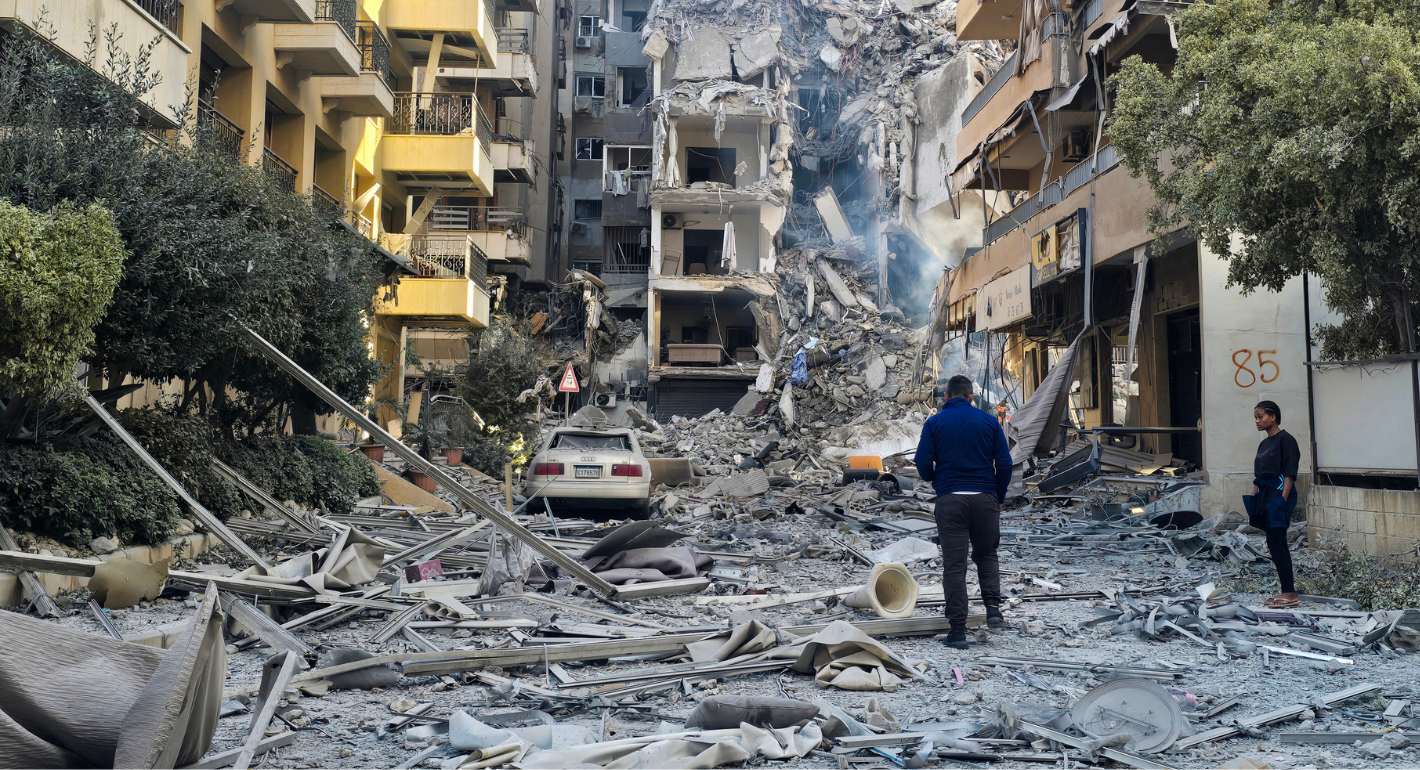
Europe seems to have accepted its sidelining in the Middle East. The EU must reassert its support for the international rules-based order and step up engagement.

Rym Momtaz
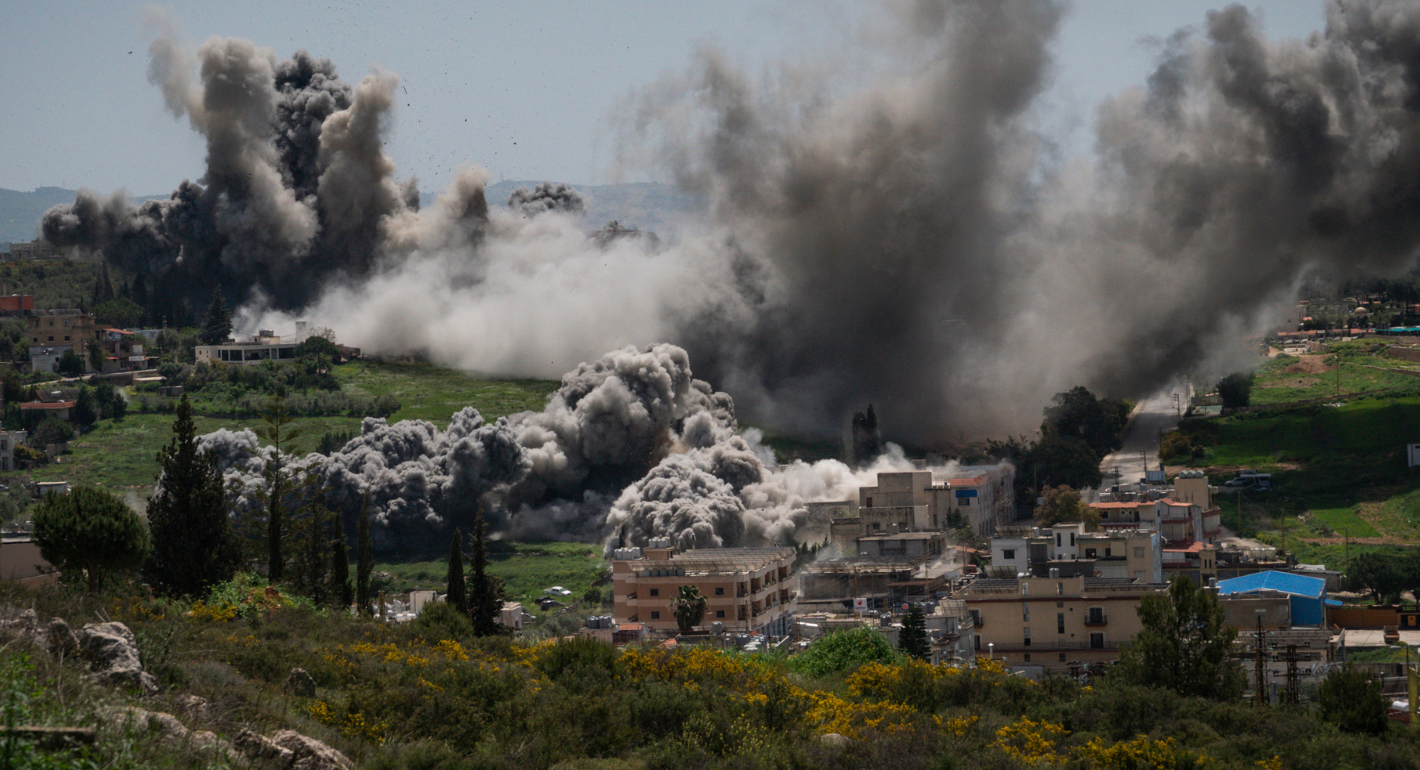
Europe has been standing by while its Southern neighborhood is being redrawn by force. To establish a path to peace between Israel and Lebanon, it’s time for Europeans to get involved with hard power.
Rym Momtaz
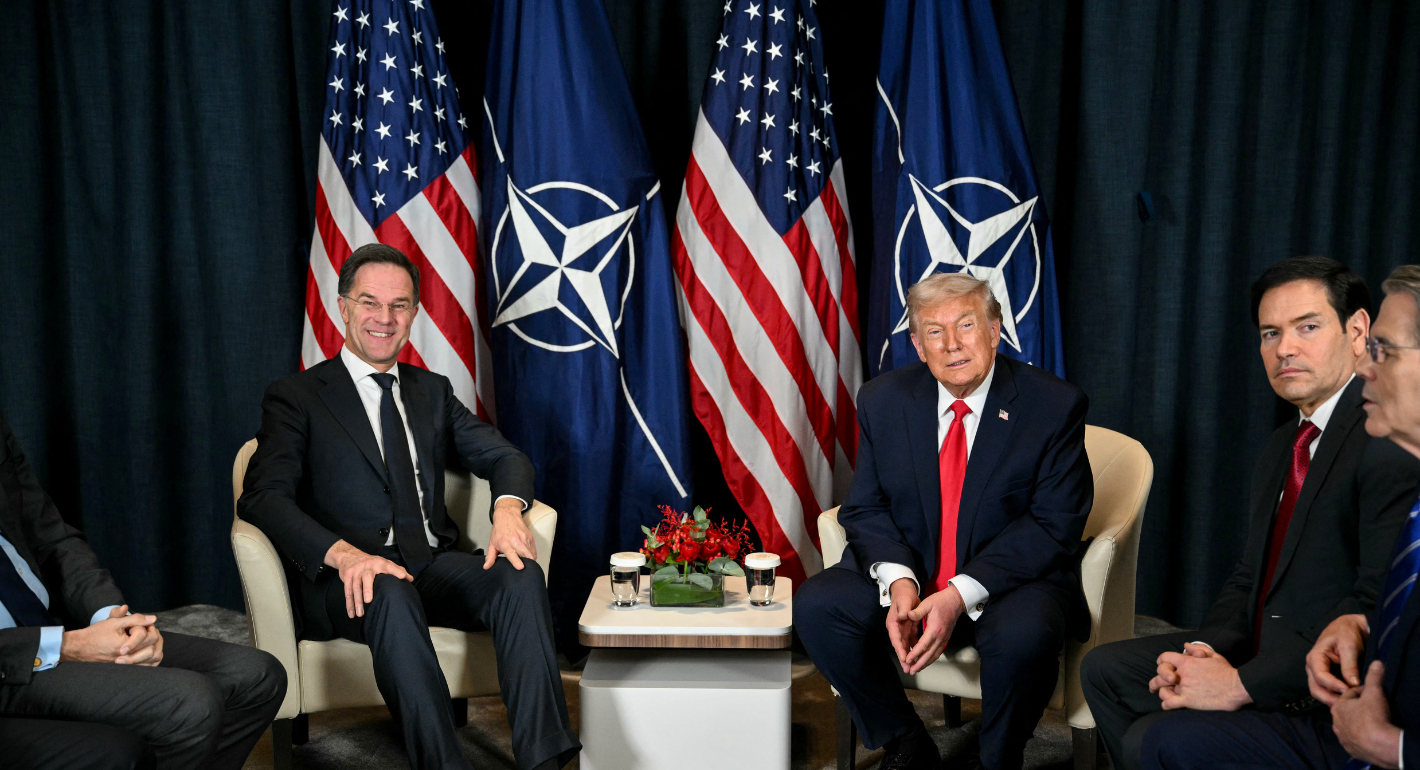
Donald Trump has demanded that European allies send ships to the Strait of Hormuz while his war of choice in Iran rages on. He has constantly berated NATO while the alliance’s secretary-general has emphatically supported him.
Rym Momtaz, ed.
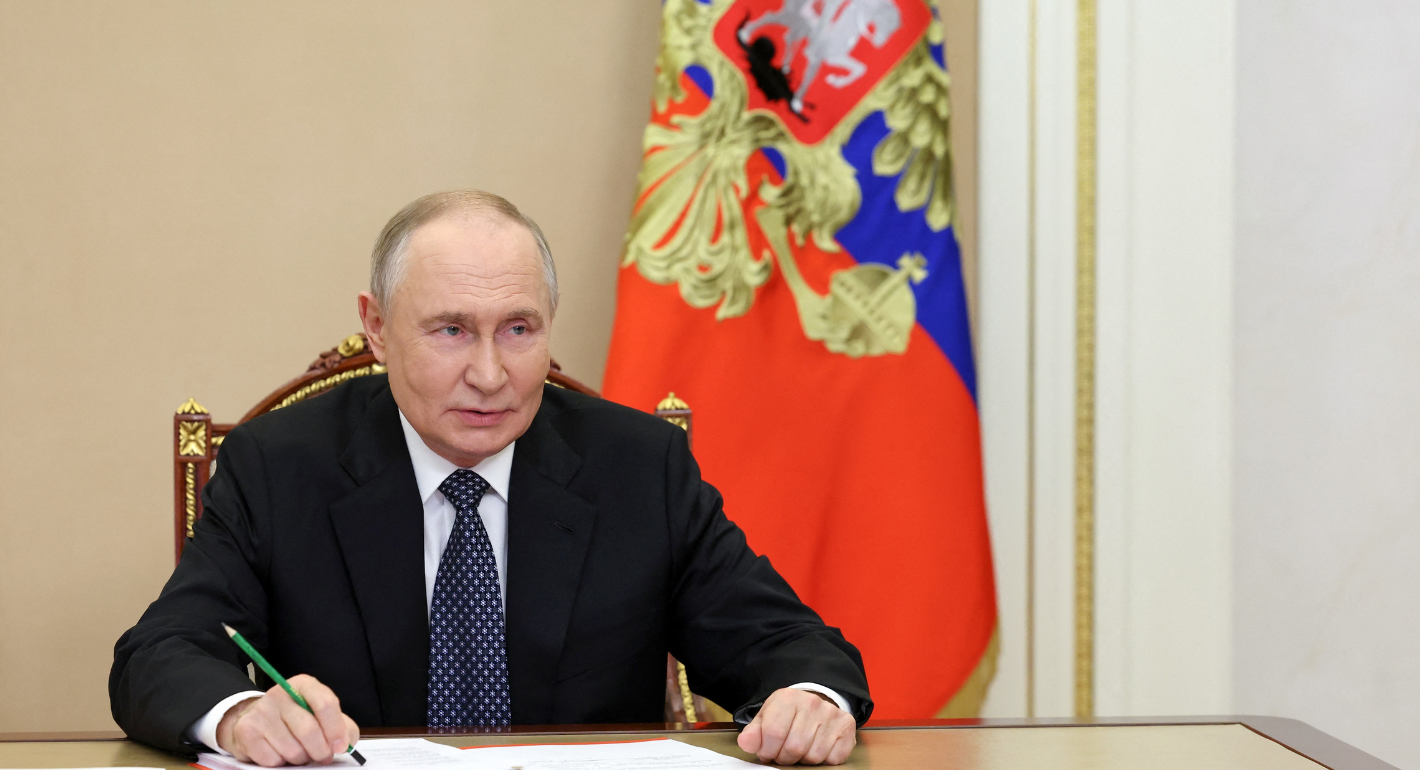
The war in Ukraine is costing Russia its leverage overseas. Across the South Caucasus and Middle East, this presents an opportunity for Europe to pick up the pieces and claim its own sphere of influence.


William Dixon, Maksym Beznosiuk