

Q&A
Suzanne Maloney, Aaron David Miller, Karim Sadjadpour
{
  "authors": [
    "Karim Sadjadpour"
  ],
  "type": "legacyinthemedia",
  "centerAffiliationAll": "dc",
  "centers": [
    "Carnegie Endowment for International Peace",
    "Malcolm H. Kerr Carnegie Middle East Center"
  ],
  "collections": [],
  "englishNewsletterAll": "menaTransitions",
  "nonEnglishNewsletterAll": "",
  "primaryCenter": "Carnegie Endowment for International Peace",
  "programAffiliation": "MEP",
  "programs": [
    "Middle East"
  ],
  "projects": [],
  "regions": [
    "Middle East",
    "Iran",
    "Gulf"
  ],
  "topics": [
    "Nuclear Policy"
  ]
}
Source: Getty
Although the Iranian president has claimed that leaked diplomatic messages detailing Arab calls for the destruction of Iran’s nuclear facilities are Western propaganda, the Gulf states have always been apprehensive of Tehran’s nuclear aspirations.
Source: PRI's The World

Sadjadpour said he was not surprised that major regional powers such as Saudi Arabia would go so far as to call for the bombing of Iranian nuclear facilities, although he admitted to being taken aback by official statements from smaller Gulf countries such as Qatar, the UAE, Bahrain, and Oman advocating a similarly militaristic response. According to Sadjadpour, the documents reveal that amidst the “fanning of the military flames toward Iran … the United States is a voice of reason and has exercised restraint over the Gulf states and Israel.” Although many of the Gulf states have aggressively criticized Iran’s nuclear policies through private diplomatic channels, they are more reluctant to state these positions publicly. As a result, Mullins observed, there is a mismatch between the “bellicose” tone expressed in many of the WikiLeaks documents and the comparatively restrained rhetoric that Gulf countries use in their public statements on Iran.
According to Sadjadpour, an analysis of the WikiLeaks documents reveals Iran’s profound diplomatic isolation. “Its only real friend, if you can call it that, is North Korea,” he said.

Senior Fellow, Middle East Program
Karim Sadjadpour is a senior fellow at the Carnegie Endowment for International Peace, where he focuses on Iran and U.S. foreign policy toward the Middle East.
Recent Work


Suzanne Maloney, Aaron David Miller, Karim Sadjadpour

Aaron David Miller, Karim Sadjadpour, Robin Wright
Carnegie does not take institutional positions on public policy issues; the views represented herein are those of the author(s) and do not necessarily reflect the views of Carnegie, its staff, or its trustees.
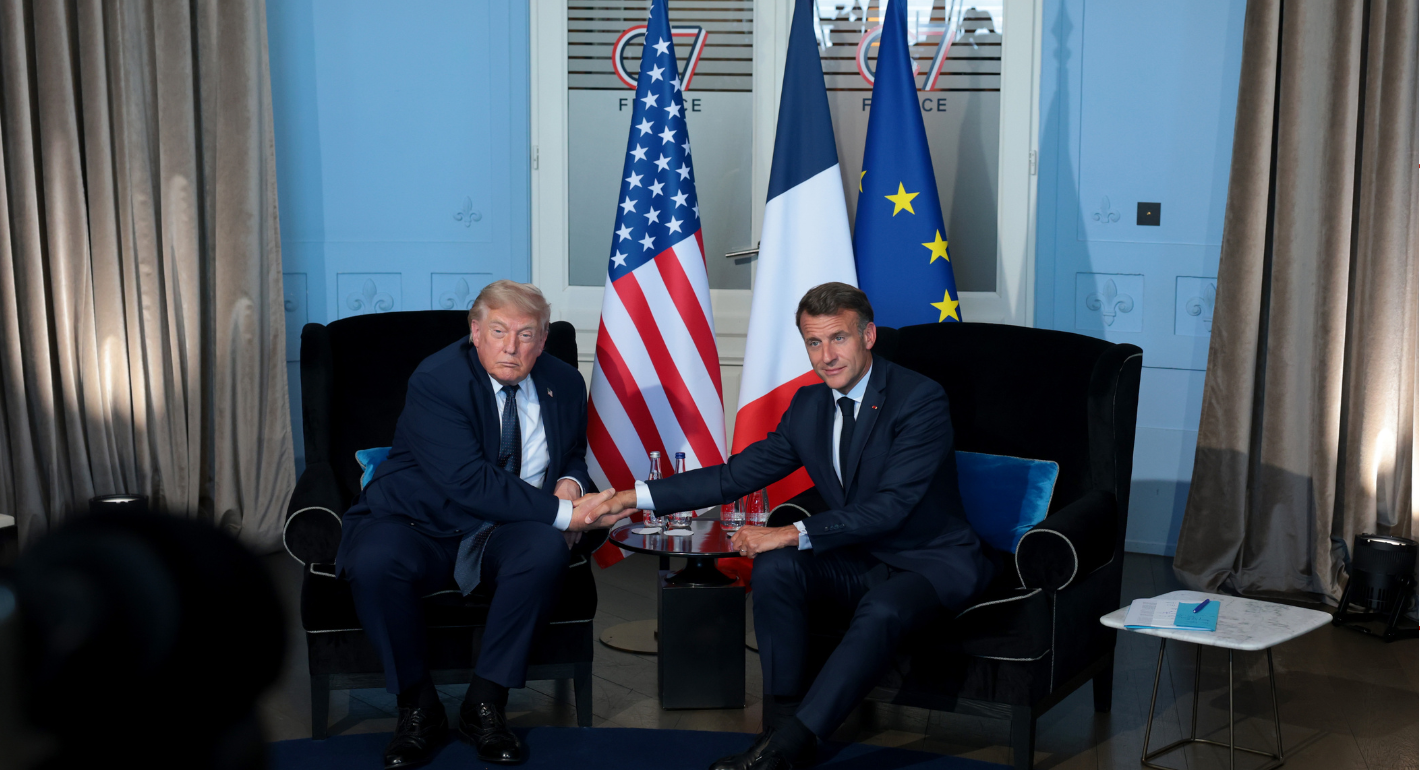
When the U.S.-Iran memorandum of understanding was announced, the UK, France, Germany, and Italy declared their readiness to help demine the Strait of Hormuz and lift nuclear sanctions on Tehran. But does Europe need new tools to recover a diplomatic role?

Rym Momtaz, ed.

The EU’s new migration policy is not suited to today’s realities. With climate change increasingly becoming a driver of displacement, Europe needs to rethink its deterrence-focused approach.

Shana Tabak
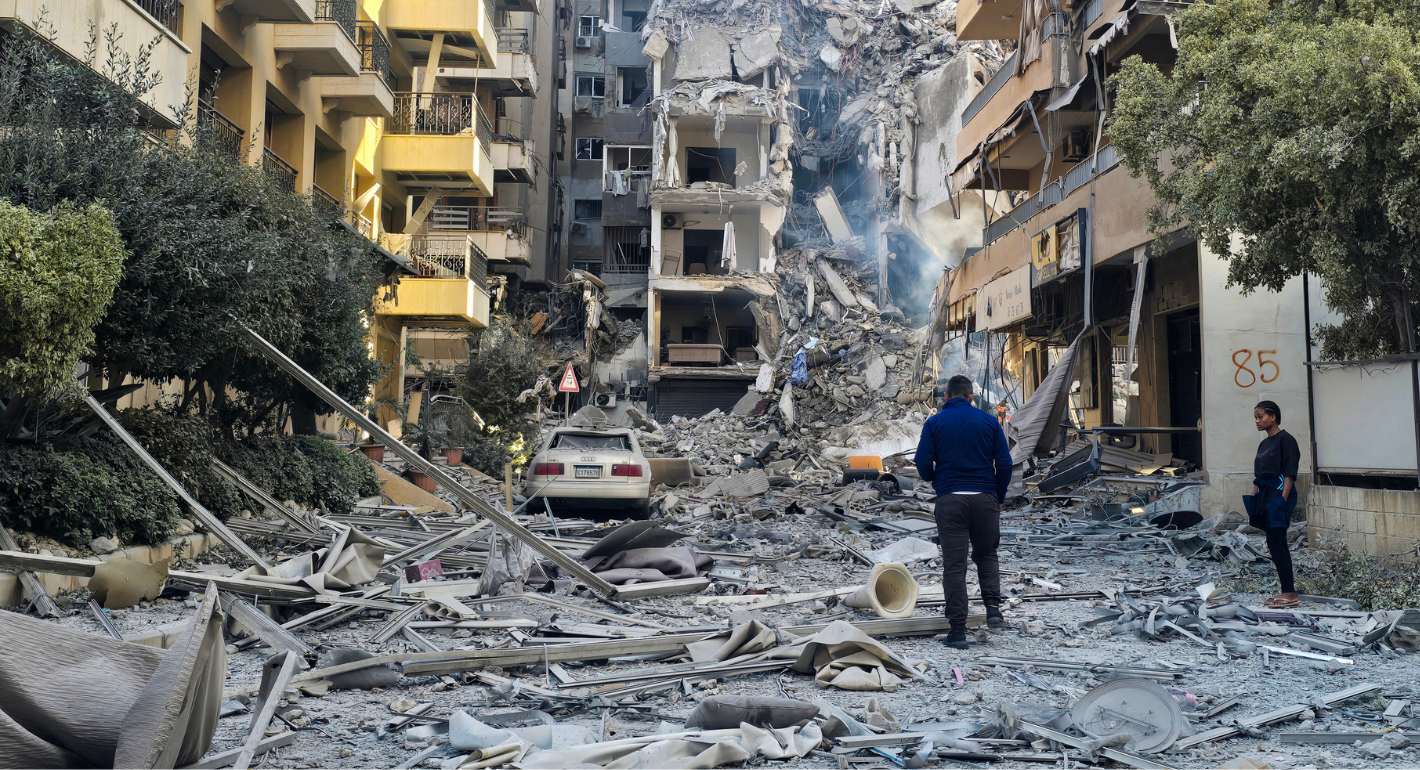
Europe seems to have accepted its sidelining in the Middle East. The EU must reassert its support for the international rules-based order and step up engagement.
Rym Momtaz
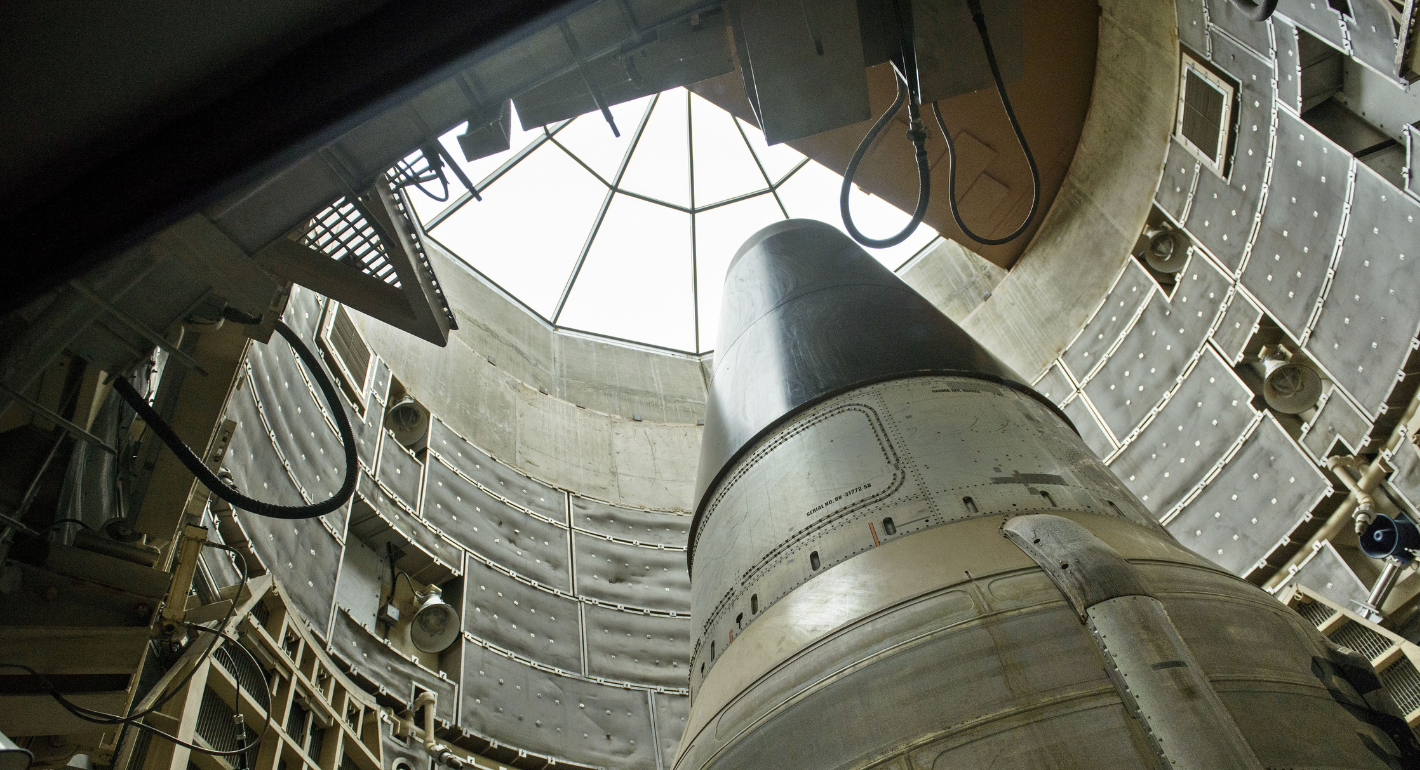
Amid uncertainty caused by the Iran war, the global drive for nonproliferation has stalled. With Europe diplomatically marginalized and countries reassessing their nuclear options, efforts to curb the spread of nuclear weapons risk becoming irrelevant.

Jane Darby Menton
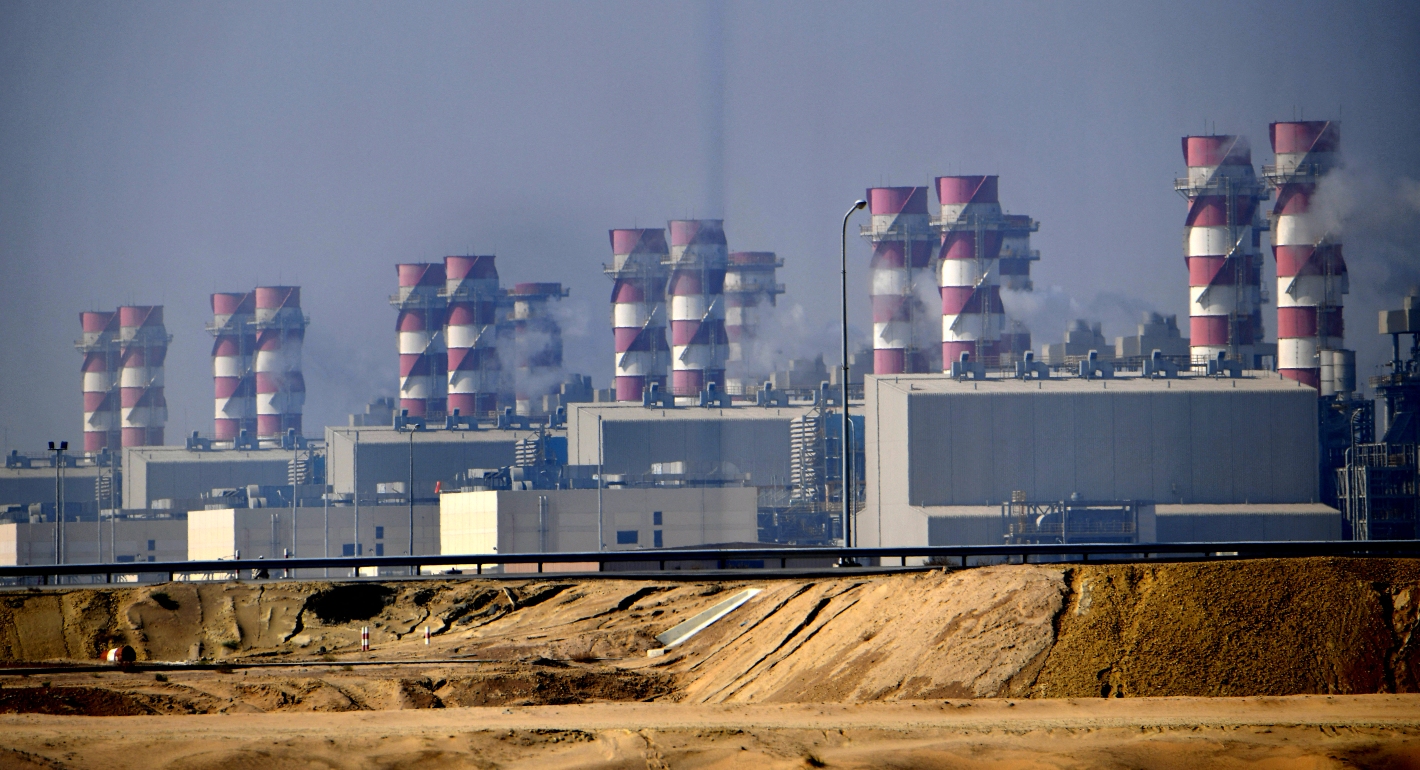
The U.S.-Iran war has crossed a dangerous threshold: water infrastructure in the Gulf is now a target. Ecological statecraft is no longer peripheral to security, it's part of its foundations.

Olivia Lazard, Ali Bin Shahid