

Article
Amr Hamzawy, Kathryn Selfe
{
  "authors": [
    "Amr Hamzawy"
  ],
  "type": "legacyinthemedia",
  "centerAffiliationAll": "",
  "centers": [
    "Carnegie Endowment for International Peace",
    "Malcolm H. Kerr Carnegie Middle East Center"
  ],
  "collections": [],
  "englishNewsletterAll": "",
  "nonEnglishNewsletterAll": "",
  "primaryCenter": "Carnegie Endowment for International Peace",
  "programAffiliation": "",
  "programs": [],
  "projects": [],
  "regions": [
    "North Africa",
    "Egypt"
  ],
  "topics": [
    "Political Reform"
  ]
}
Source: Getty
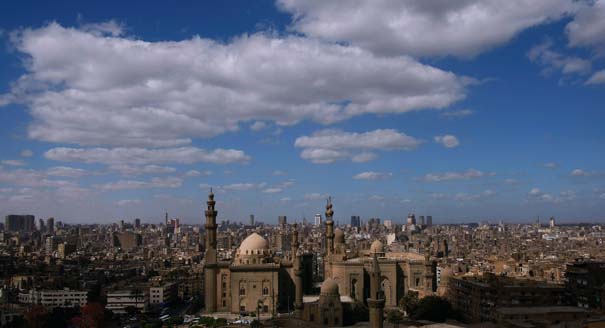
In the aftermath of the recent parliamentary elections, Egypt faces a legitimacy crisis for the ruling party, internal rifts within the opposition, and ongoing tension between the government and opposition.
Source: Los Angeles Times

Even though most citizens boycotted the elections, the opposition was divided on whether to even participate, and serious election violations occurred. Now the National Democratic Party, or NDP, is excluding the opposition in the wake of its victory.
“A few violations occurred,” President Mubarak conceded, while expressing his regret for the limited representation of the opposition.
Yet he quickly confirmed the integrity of the elections and the legitimacy of the People’s Assembly. So did scores of NDP leaders and writers, who called the elections a “well-earned triumph for NDP candidates” -- even though weak opposition parties and movements hardly offered much competition.
This interpretation ignores four major facts about the elections.
First, oppressive measures and restrictions were imposed on the opposition before the elections. Second, a serious lack of integrity and transparency, and the inability of the Supreme Electoral Commission to objectively supervise the elections, marred the electoral process. Third, the NDP relied on incentives and intimidation by state institutions to guarantee an NDP victory in a number of districts. Fourth, the state implemented widespread use of violence and bribery.
While the ruling party used such tactics, the opposition did not help its chances with its indecisiveness about whether to boycott the elections. Today it appears ridden by internal rifts, personal conflicts and a total lack of coordination.
Undoubtedly, the political environment in Egypt has contributed to ongoing crises within opposition parties. Conflicts arise about choices such as whether to boycott or withdraw from elections, talk with the government, search for compromise, suggest radical changes, or initiate reform by working from within the regime. Amid the persistence of weak strategic coordination, the opposition has failed to agree on a national agenda of any real substance.
The NDP is using these internal rifts to brush off the opposition. But the opposition’s rather sorry state has become a source of worry for citizens, who still see in the opposition real hope for democratic change.
Egypt is at a critical point in history. The crisis of legitimacy and ongoing tension between the government and opposition are no doubt perilous. The government should reconsider whether to exclude the opposition from participating while the opposition must reorganize to get past this crisis and seize the opportunity to engage in real national dialogue.
A little more than a month after the parliamentary elections, it is time for the government to let openness toward the opposition override its conceit. It is also time for the opposition to agree on a national agenda that favors dialogue with the government and can form the basis for needed constitutional and political reforms. Both sides must act before Egypt’s next major campaign -- the presidential election later this year.

Director, Middle East Program
Amr Hamzawy is a senior fellow and the director of the Carnegie Middle East Program. His research and writings focus on Egypt’s and other middle powers’ involvement in regional security in the Middle East, particularly through collective diplomacy and multilateral conflict resolution
Recent Work
Amr Hamzawy, Kathryn Selfe
Amr Hamzawy
Carnegie does not take institutional positions on public policy issues; the views represented herein are those of the author(s) and do not necessarily reflect the views of Carnegie, its staff, or its trustees.

As the EU confronts profound challenges, several leaders have called for fundamental reform to the union’s model—but only modest, superficial changes have resulted. What if Europe really could be reimagined from zero today: What should such a redesigned European order look like?

Richard Youngs, ed.
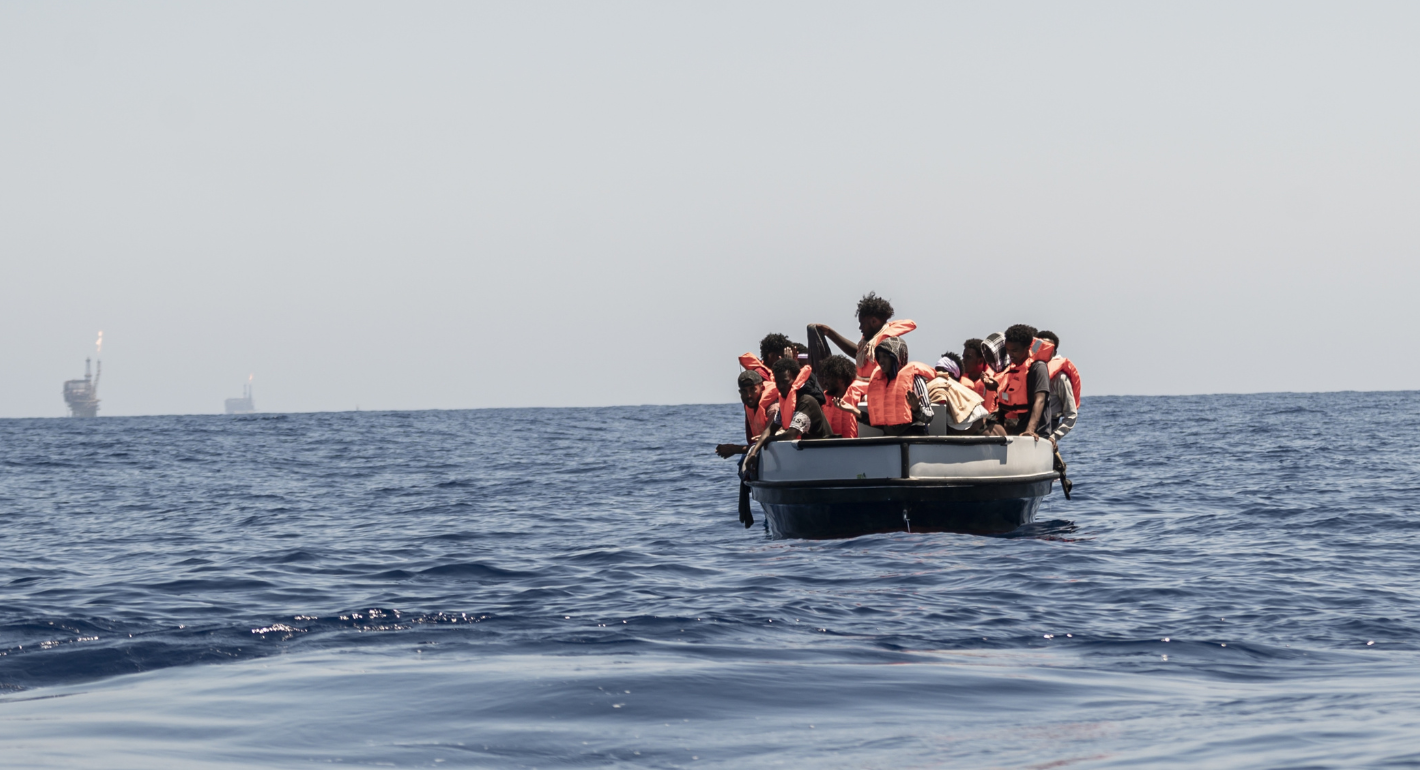
The EU’s new migration policy is not suited to today’s realities. With climate change increasingly becoming a driver of displacement, Europe needs to rethink its deterrence-focused approach.

Shana Tabak
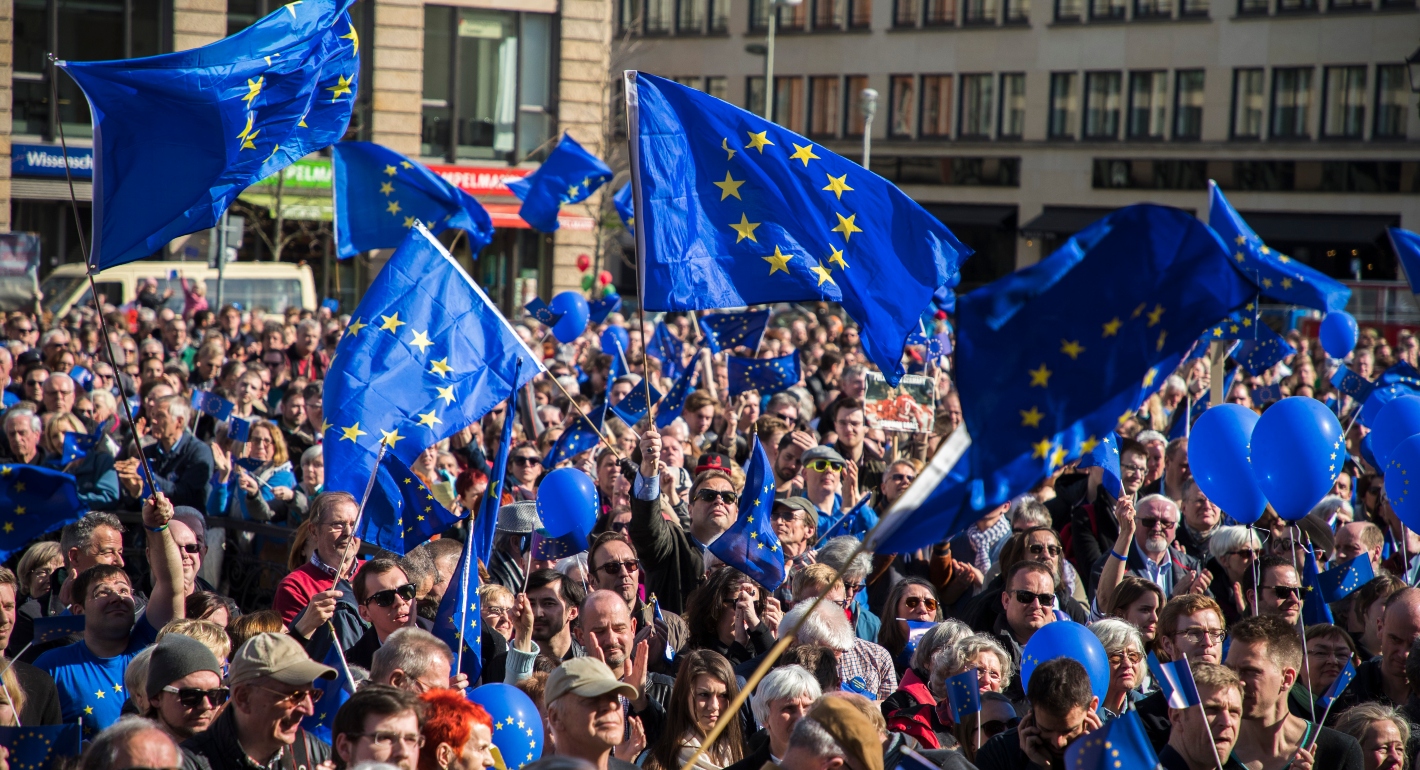
Preparing candidate countries for EU membership is no longer enough. As the enlargement process becomes a reality, the union must also prepare its own societies.

Iliriana Gjoni
Countries face several hurdles in joining the EU, including the final stage of ratifying their accession treaties. Procedural reforms and substantive adjustments could help move the process forward.

Stefan Lehne
Europe has an interest in supporting Armenian leader Nikol Pashinyan as he tries to make peace with neighbors and loosen ties with Russia. But it is depersonalized support in the long term, not quickfire flash, that will win the day.

Thomas de Waal