• Research
  • Strategic Europe
  • About
  • Experts
Carnegie Europe logoCarnegie lettermark logo
EUUkraine
  • Donate
{
  "authors": [
    "Michele Dunne"
  ],
  "type": "legacyinthemedia",
  "centerAffiliationAll": "dc",
  "centers": [
    "Carnegie Endowment for International Peace",
    "Malcolm H. Kerr Carnegie Middle East Center"
  ],
  "collections": [
    "Arab Awakening"
  ],
  "englishNewsletterAll": "menaTransitions",
  "nonEnglishNewsletterAll": "",
  "primaryCenter": "Carnegie Endowment for International Peace",
  "programAffiliation": "MEP",
  "programs": [
    "Middle East"
  ],
  "projects": [],
  "regions": [
    "North Africa",
    "Egypt"
  ],
  "topics": [
    "Political Reform"
  ]
}

Source: Getty

In The Media

Egypt's Political Future

The gap between Egyptian society, particularly the younger element, and the government has been widening over the past several years and has greatly contributed to the current protests in Egypt.

Link Copied
By Michele Dunne
Published on Feb 5, 2011

Source: CNN

WHITFIELD: One Middle East expert saw the uprising in Egypt coming three years ago. Her telling prediction and her take on how the U.S. should move forward in just a moment. 

But first, a look at these top stories. The leadership of Egypt's ruling National Democratic Party has resigned, including the son of President Hosni Mubarak. Gamal Mubarak has stepped down from all his posts within the party, making him ineligible to run for president of Egypt. 
 
And this as anti-government protesters stood against army tanks to prevent them from crossing a barricade in Tahrir Square. Witnesses say scuffles broke out when soldiers knocked down some of the barricades. 
 
And Egyptian-Americans and others in the U.S. are being quite vocal in their support for the anti-Mubarak protests. Rallies are taking place in cities across the U.S. today. Protesters in Washington, D.C., are marching to the White House, and in New York they're gathering outside the U.N. to show solidarity with protesters overseas. 
 
And Great Britain is still trying to get its citizens out of harm's way. Many British nationals were evacuated from Cairo earlier this week, and now the British government is setting up another charter flight. The U.S. state department is urging Americans to take advantage of U.S. charter flights out of Cairo as well. Other nations are evacuating their people as well. 
 
And well before these 12 days of protests, violence, and revolt in Egypt, at least one expert on the region says she saw this coming. In 2008 Michelle Dunne of the Carnegie Endowment for International Peace wrote that Egyptian president Hosni Mubarak would leave office by 2011. Earlier I asked her to break down the developments that helped her make this prediction back in 2008. 
 
MICHELLE DUNNE, CARNEGIE ENDOWMENT FOR INTERNATIONAL PEACE: There have been changes underway in Egyptian society that I and other scholars as well have been following. There's a youth bulge in Egyptian society as in a lot of other Arab societies, and this young generation has grown up with satellite television, with Internet. They've become increasingly active in social and political causes.
 
And, frankly, they just weren't really willing to play by the old rules, to play by the rules of authoritarian government. And so it was clear that, you know, there was a growing gap between Egyptian society, particularly between this younger he element in the Egyptian society and the government, a widening gap. And I think it was only a matter of time before it broke wide open, and we saw that 12 days ago. 
 
WHITFIELD: You also wrote the western world has not been paying attention. What were some of the things that the western world has overlooked? 
 
DUNNE: I think that what happened was in the west, you know, we're used to dealing pretty much government to government with these governments in the Middle East, and Hosni Mubarak was a close ally of the United States throughout his presidency. 
 
President Mubarak was himself pretty deaf to the demands that were rising up within his society. The United States did try to nudge him a bit. President Bush particularly for a few years during his administration tried to persuade Mubarak to carry out some political reforms. Mubarak did a couple of small things, but thing really started resisting. The Bush administration backed off.
 
And the Obama administration, too, made some sort of I would say timid efforts to persuade Mubarak to undertake reforms, but he just wasn't hearing it. He really turned the Obama administration down flat. 
 
WHITFIELD: But then something happened in the last week where the Obama administration changed its tone. Initially, as you mentioned, kind of tepid, saying you should allow people to protest peacefully. And then it became we need to see a transition of power. And then it became a transition of power now, not yesterday, but now. 
 
So what happened in that week that would make this administration or the U.S. posture different? 
 
DUNNE: Well, they saw the writing on the wall. I mean, they saw that change is coming. It's coming fast. No matter what kind of a transition is worked out, Egypt is not going to back to the way it was before. And I think president Obama did not want to be on the wrong side of history here. 
 
Now, I was critical of some of the statements the administration made a week or so ago, but I think particularly in the statement that Obama made yesterday he finally nailed it, you know, the importance of a transition to real democracy and that the United States would not stand by and approve it if this just -- if all these protests were to result in nothing more than, say, a different version of the Egyptian authoritarian regime. 

About the Author

Michele Dunne

Former Nonresident Scholar, Middle East Program

Michele Dunne was a nonresident scholar in Carnegie’s Middle East Program, where her research focuses on political and economic change in Arab countries, particularly Egypt, as well as U.S. policy in the Middle East.

    Recent Work

  • Research
    Islamic Institutions in Arab States: Mapping the Dynamics of Control, Co-option, and Contention
      • +6

      Yasmine Farouk, Nathan J. Brown, Maysaa Shuja Al-Deen, …
  • Research
    From Hardware to Holism: Rebalancing America’s Security Engagement With Arab States
      • +8

      Robert Springborg, Emile Hokayem, Becca Wasser, …

Michele Dunne
Former Nonresident Scholar, Middle East Program
Michele Dunne
Political ReformNorth AfricaEgypt

Carnegie does not take institutional positions on public policy issues; the views represented herein are those of the author(s) and do not necessarily reflect the views of Carnegie, its staff, or its trustees.
More Work from Carnegie Europe

  • European Union EU democracy Parliament citizens assembly
    Article
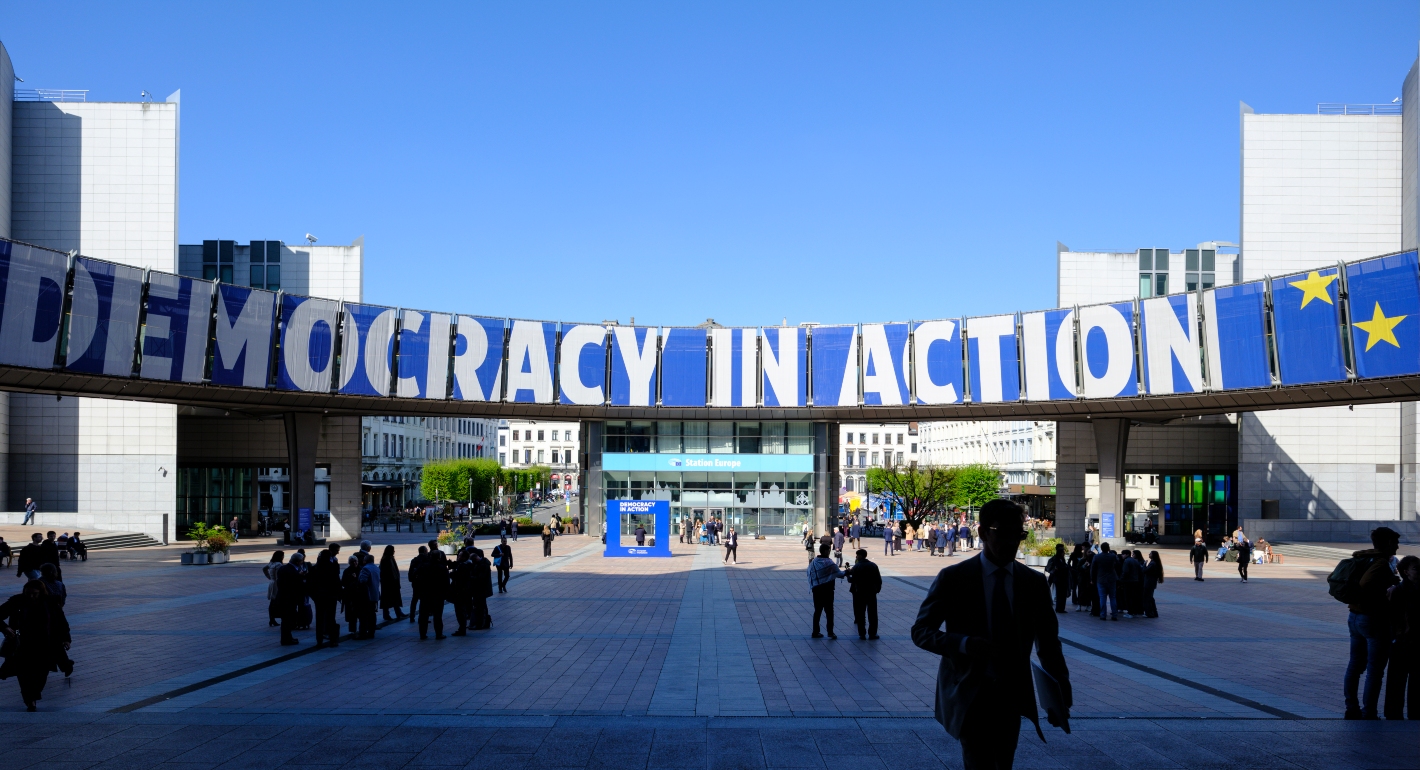
    Europe’s Tide of Citizen Assemblies: Unsung Success or Anticlimax?

    A notable degree of participative democracy has firmly arrived in Europe. But to have more far-reaching impact, democratic deliberation needs to move into a radically new phase.

      Richard Youngs
  • Ukraine Poland Zelensky Tusk Enlargement EU
    Commentary
    Strategic Europe
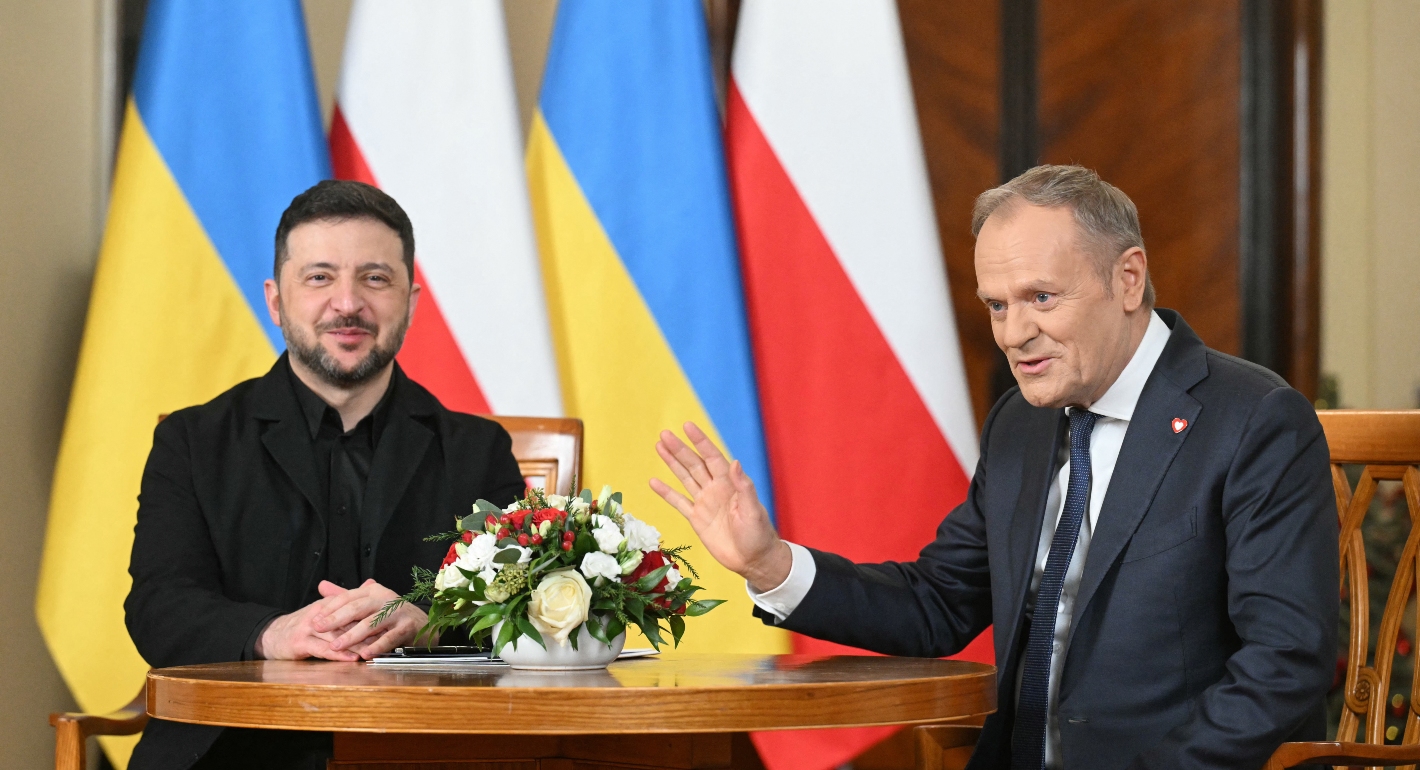
    The Uncomfortable Truth About EU Enlargement

    Before the next wave of EU enlargement takes place, the union needs to grapple with thorny questions of how power is distributed among its members.

      • Ditte Brasso Sørensen

      Emil Sondaj Hansen, Ditte Brasso Sørensen
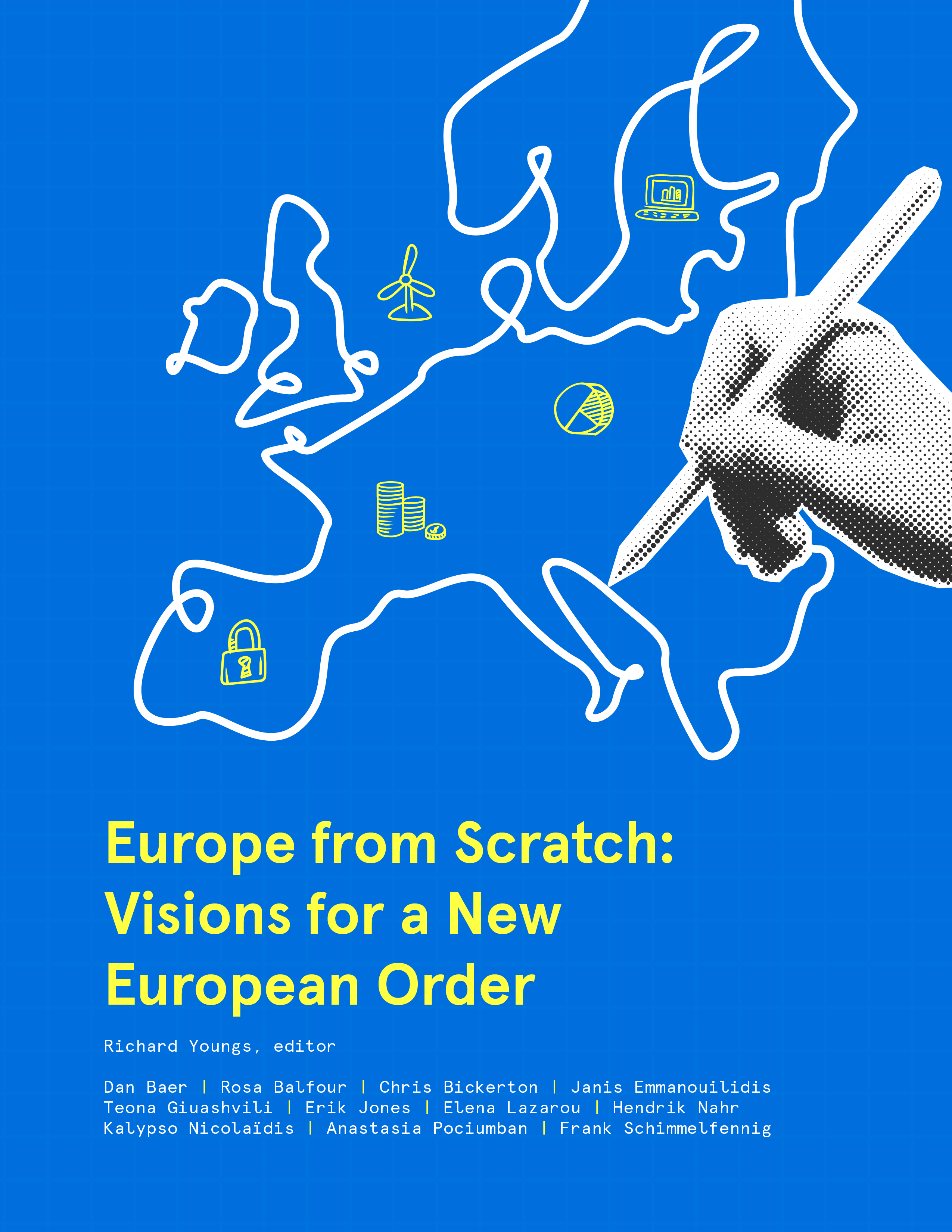
  • Europe from Scratch: Visions for a New European Order
    Report
    Europe from Scratch: Visions for a New European Order

    As the EU confronts profound challenges, several leaders have called for fundamental reform to the union’s model—but only modest, superficial changes have resulted. What if Europe really could be reimagined from zero today: What should such a redesigned European order look like?

      Richard Youngs, ed.

  • Commentary
    Strategic Europe
    The Climate Blind Spot in Europe’s New Migration Pact

    The EU’s new migration policy is not suited to today’s realities. With climate change increasingly becoming a driver of displacement, Europe needs to rethink its deterrence-focused approach.
      • Shana Tabak headshot

      Shana Tabak

  • Europe flags citizens demonstration
    Commentary
    Strategic Europe
    EU Enlargement Forgets Europeans

    Preparing candidate countries for EU membership is no longer enough. As the enlargement process becomes a reality, the union must also prepare its own societies.

      Iliriana Gjoni

Get more news and analysis from
Carnegie Europe
Carnegie Europe logo, white
Rue du Congrès, 151000 Brussels, Belgium
  • Research
  • Strategic Europe
  • About
  • Experts
  • Projects
  • Events
  • Contact
  • Careers
  • Privacy
  • For Media
  • Gender Equality Plan
Get more news and analysis from
Carnegie Europe
© 2026 Carnegie Endowment for International Peace. All rights reserved.