• Research
  • Strategic Europe
  • About
  • Experts
Carnegie Europe logoCarnegie lettermark logo
EUUkraine
  • Donate
{
  "authors": [
    "Maria Fantappie"
  ],
  "type": "legacyinthemedia",
  "centerAffiliationAll": "",
  "centers": [
    "Carnegie Endowment for International Peace",
    "Malcolm H. Kerr Carnegie Middle East Center"
  ],
  "collections": [],
  "englishNewsletterAll": "",
  "nonEnglishNewsletterAll": "",
  "primaryCenter": "Malcolm H. Kerr Carnegie Middle East Center",
  "programAffiliation": "",
  "programs": [],
  "projects": [],
  "regions": [
    "Gulf"
  ],
  "topics": [
    "Political Reform"
  ]
}
Source: Getty

In The Media
Malcolm H. Kerr Carnegie Middle East Center

Iraq: The Sadrists' Golden Opportunity

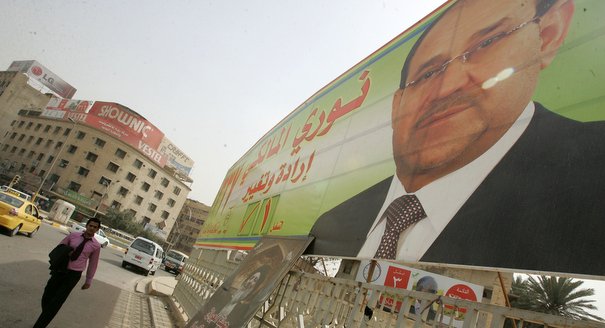
Iraq’s Sadrists have the opportunity to emerge as the winners of the current social unrest, given their control of key ministries within the new Iraqi government, their alliance with Prime Minister Maliki, and their prompt response to popular calls for better services.

Link Copied
By Maria Fantappie
Published on Apr 1, 2011

Source: Los Angeles Times

Iraq: The Sadrists' Golden Opportunity
Iraqi protesters have been greeted with promises from all sides.
 
Prime Minister Nouri Maliki has pledged 280,000 new jobs, a 100-day evaluation period for ministries and provincial councils, and public-sector reforms. Ayyad Allawi’s Iraqiya Party has backed improvements in agriculture and electricity services. And the Kurdish leadership has even tried to respark the Kurdish national dream of annexing hotly disputed Kirkuk to stem the flow of demonstrations calling for the leadership’s reform.
 
But the Sadrists — the Shiite militia-turned-political-movement led by the cleric Muqtada al Sadr -- have responded most promptly to calls from most Iraqis for better services. Although he did not participate in the demonstrations, Sadr immediately pledged to hold an inquiry to survey the needs of the country’s governorates. “The Week of People’s Voices” this month presented the Sadrists as spokesmen for the Iraqi people and caretakers of their demands.
 
This is the Sadrists’ second strategic move recently; in December, they released Iraq from a nine-month political deadlock by giving 40 seats to Maliki’s State of Law coalition, allowing him to form a new government. The kingmakers of the new government now have the chance to become key players in the government itself by capitalizing on the ministries under their control.
 
In exchange for their support of Maliki, the Sadrists were granted control of the ministries of municipality, water, and housing and construction. They also temporarily run the ministry of planning. Through these positions, the Sadrists control the provision of water, irrigation systems, and the building of national infrastructure -- including much-needed housing, public buildings, roads and bridges.
 
Most importantly, in leading the ministry of municipality, they regulate the delivery of services such as electricity, water and sewage in each province and directly oversee the municipal manager of each provincial council. By holding most of the service provision ministries, the Sadrists have the most to gain from meeting the demands of the Iraqi street.
 
While the Kurdistan region seeks new leadership, most Iraqis want better services, as Iraq lacks even basic infrastructure and access to potable water is below 70% in urban areas and 48% in rural areas. The country currently produces only one-third of the general demand for electricity and the majority of Iraqi homes are without power for almost 17 hours a day.
 
To meet these needs, the Sadrists will most likely respond with populist measures to increase their following, especially among unemployed youth, their traditional base of support. The minister of municipality has already proposed land redistribution for all those who are unemployed and homeless.
 
The Sadrists could also effectively improve services, build infrastructure and generate employment opportunities in key areas such as the Shiite-dominated southern provinces of Iraq and Baghdad, where they aim to increase their legitimacy and erode Maliki’s popular support.
 
In Basra, the minister of water recently inaugurated the Shat al-Arab Irrigation Canal Project to tackle the problem of water shortages. A grid of roads and bridges has been planned to connect the Maysan province to Baghdad. Since the Sadrists also run the ministry of tourism, they will manage all investments generated by the flow of religious tourism in Najaf and Karbala. Priority in all project implementations will be given to Basra, Maysan, Dhi-Qar, Babylon, Diwanya, Karbala and Muthanna, as well as the outskirts of Baghdad.
 
While the protests in Iraq may not threaten an entire leadership, they could shift the balance of power within the ruling coalition. With both promises and targeted public policies in southern Iraq, the Sadrists could infiltrate Maliki’s strongholds -- especially Basra and Baghdad -- consolidate their popular support there, and increase their pull within the new government, most likely at the expense of Maliki’s State of Law coalition. As a result, the Sadrists could regain politically what they lost militarily in the 2007 Battle of Basra to Maliki-affiliated armed forces and emerge as a key player in the government.
 
During the protests, the Sadrists lobbied for the resignation of several State of Law governors and high-ranking officials in Baghdad and Basra, accusing Maliki’s administration of being lax in combating corruption. This move may turn the Sadrists from an indispensable ally for Maliki’s reelection into his chief competition. Maliki already seems to be avoiding alienating the Kurds over the issue of Kirkuk, possibly to secure them as an alternative ally.
 
The winners of this period of social unrest will be those who heed the call of the Iraqi street, and hold the potential to respond at the local level. The Sadrists have a golden opportunity to overshadow their past as a sectarian militia and recast themselves as populist policy makers who are receptive to the people’s demands. Whether they do so remains to be seen.

About the Author

Maria Fantappie

Former Visiting Scholar, Carnegie Middle East Center

Maria Luisa Fantappie is Head of the Mediterranean, Middle East and Africa Programme at IAI. She served as Special Adviser at the Centre for Humanitarian Dialogue in Geneva (2020-2023) and at the International Crisis Group (2012-2020), engaging at the highest level of policy in Europe, the United States and across MENA (Iraq, Jordan, Saudi Arabia, Iran, Qatar, Oman and United Arab Emirates).

    Recent Work

  • Paper
    Contested Consolidation of Power in Iraq

      Maria Fantappie

  • Article
    Iraq’s Foreign Policy Future Rests with Syria

      Maria Fantappie

Maria Fantappie
Former Visiting Scholar, Carnegie Middle East Center
Maria Fantappie
Political ReformGulf

Carnegie does not take institutional positions on public policy issues; the views represented herein are those of the author(s) and do not necessarily reflect the views of Carnegie, its staff, or its trustees.
More Work from Carnegie Europe

  • Commentary
    Strategic Europe
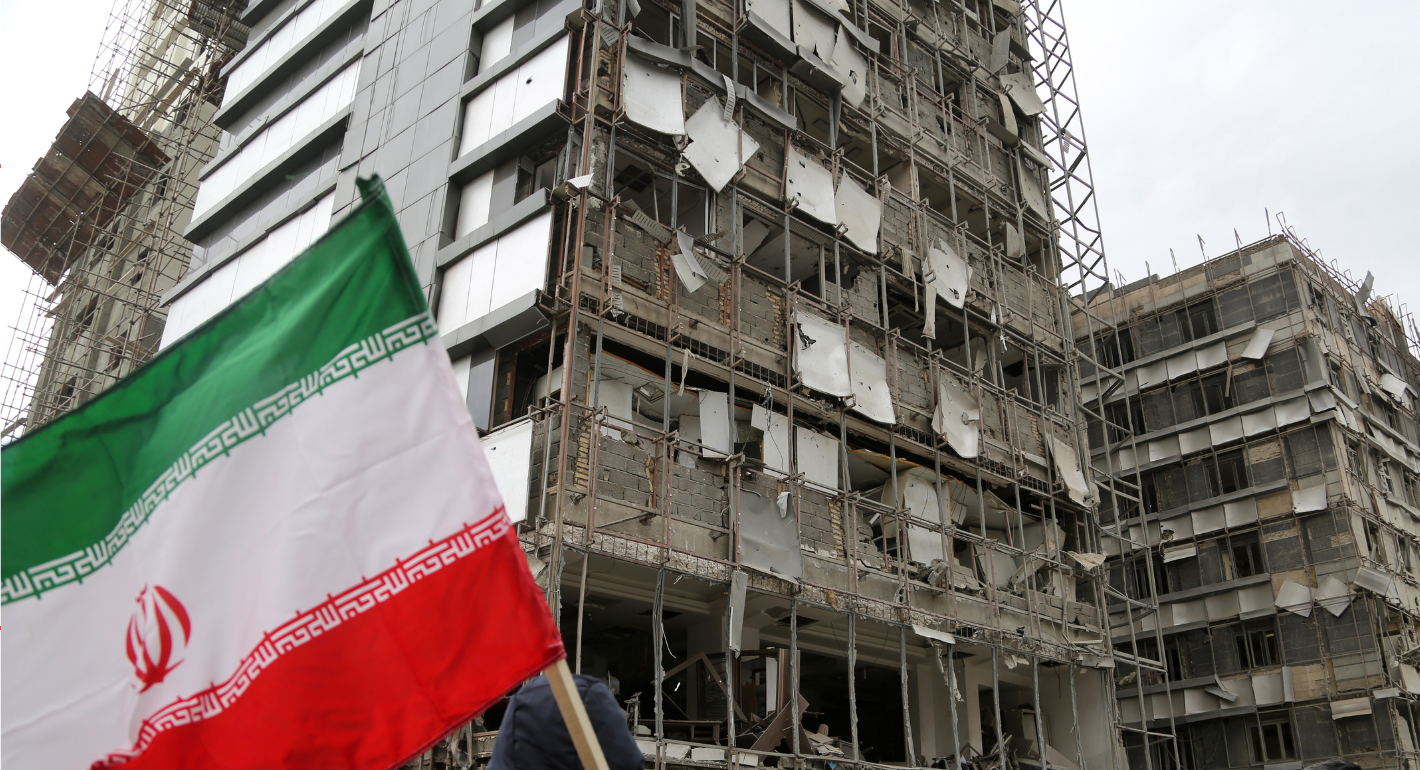
    Europe on Iran: Gone with the Wind

    Europe’s reaction to the war in Iran has been disunited and meek, a far cry from its previously leading role in diplomacy with Tehran. To avoid being condemned to the sidelines while escalation continues, Brussels needs to stand up for international law.

      Pierre Vimont
  • Commentary
    Strategic Europe
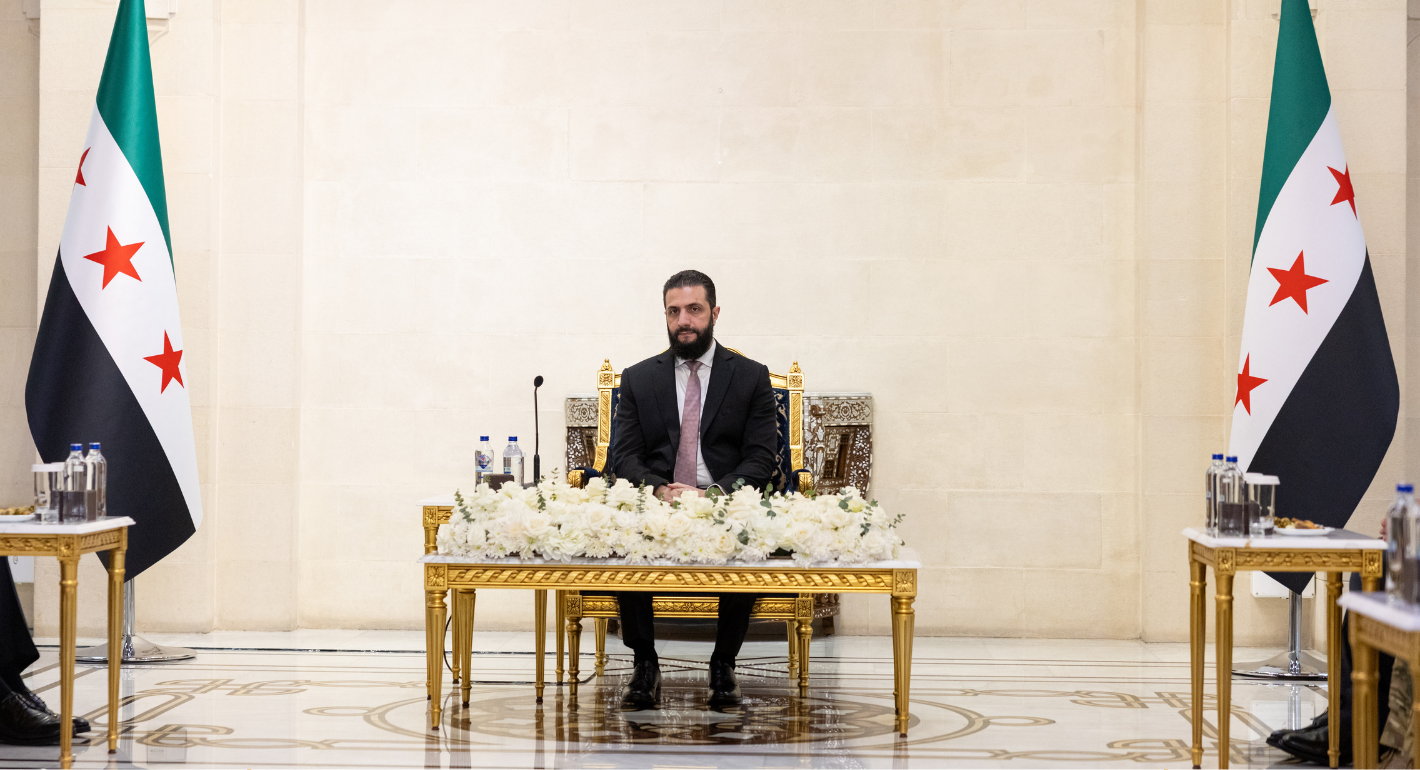
    Can Europe Still Matter in Syria?

    Europe’s interests in Syria extend beyond migration management, yet the EU trails behind other players in the country’s post-Assad reconstruction. To boost its influence in Damascus, the union must upgrade its commitment to ensuring regional stability.
      Bianka Speidl, Hanga Horváth-Sántha
  • Commentary
    Strategic Europe
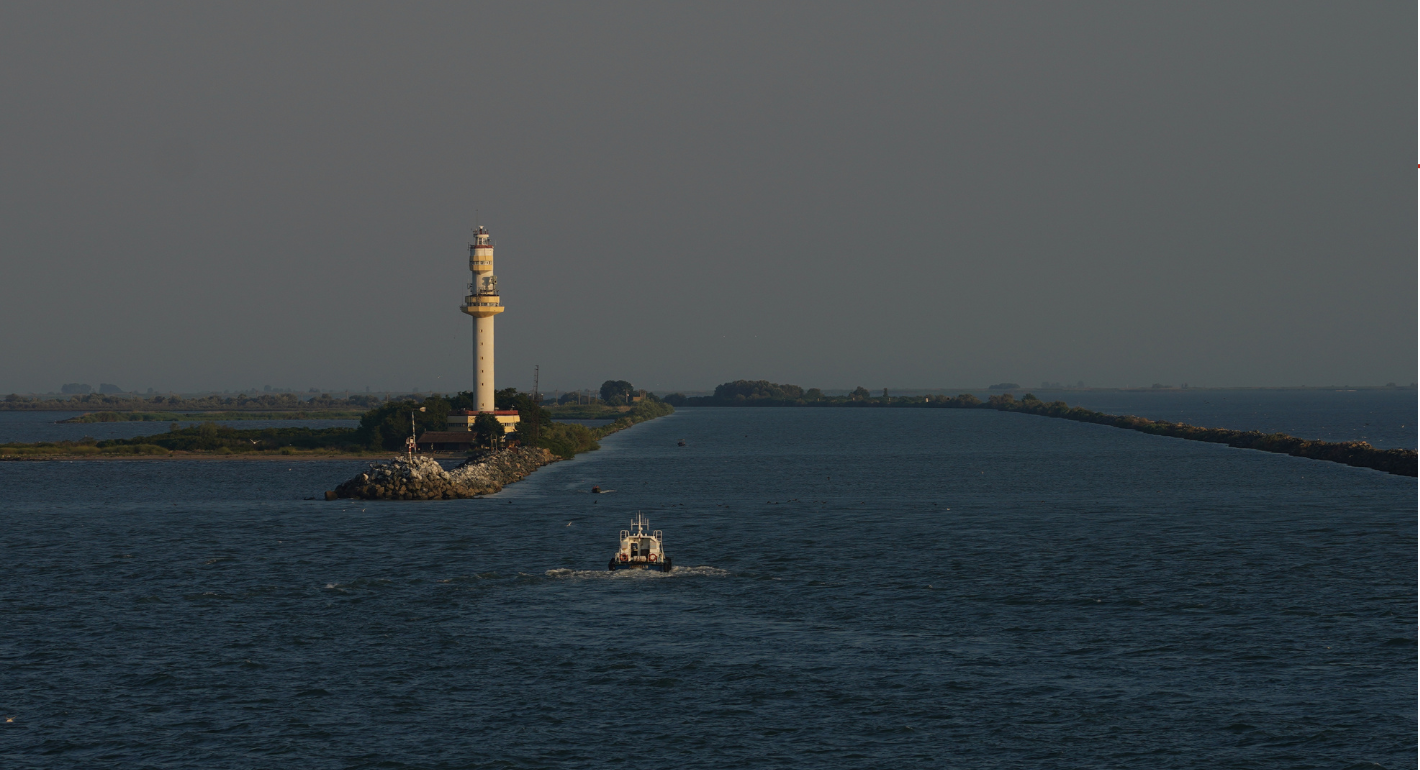
    Europolis, Where Europe Ends

    A prophetic Romanian novel about a town at the mouth of the Danube carries a warning: Europe decays when it stops looking outward. In a world of increasing insularity, the EU should heed its warning.

      Thomas de Waal
  • Commentary
    Strategic Europe
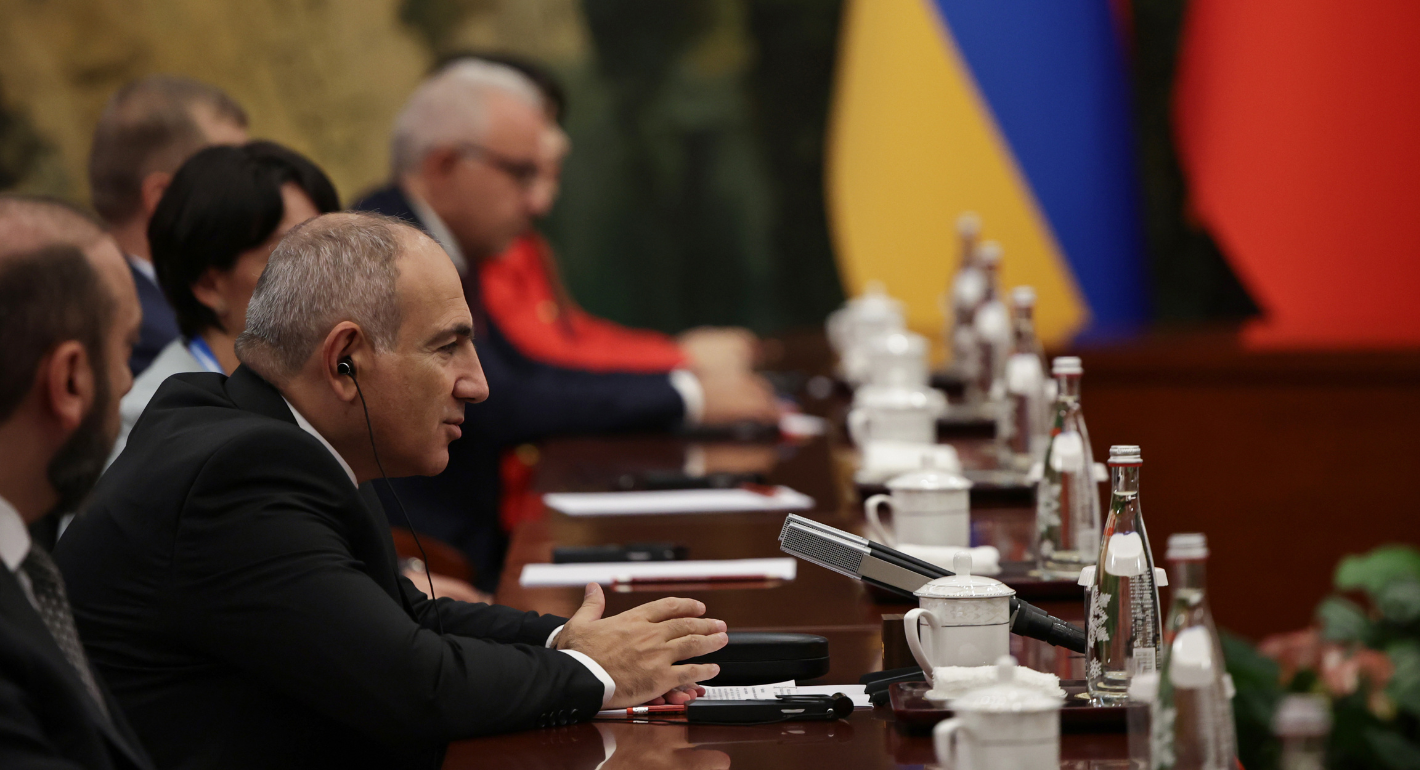
    Armenia’s Election Is a Foreign Affair

    As the 2026 Armenian election approaches, Prime Minister Nikol Pashinyan is facing fierce opposition from both Russia and the diaspora. He will need the help of Europe, the United States, and regional neighbours to advance his ambitious foreign policy. 

      Thomas de Waal
  • Moldova Election Russia Europe
    Article
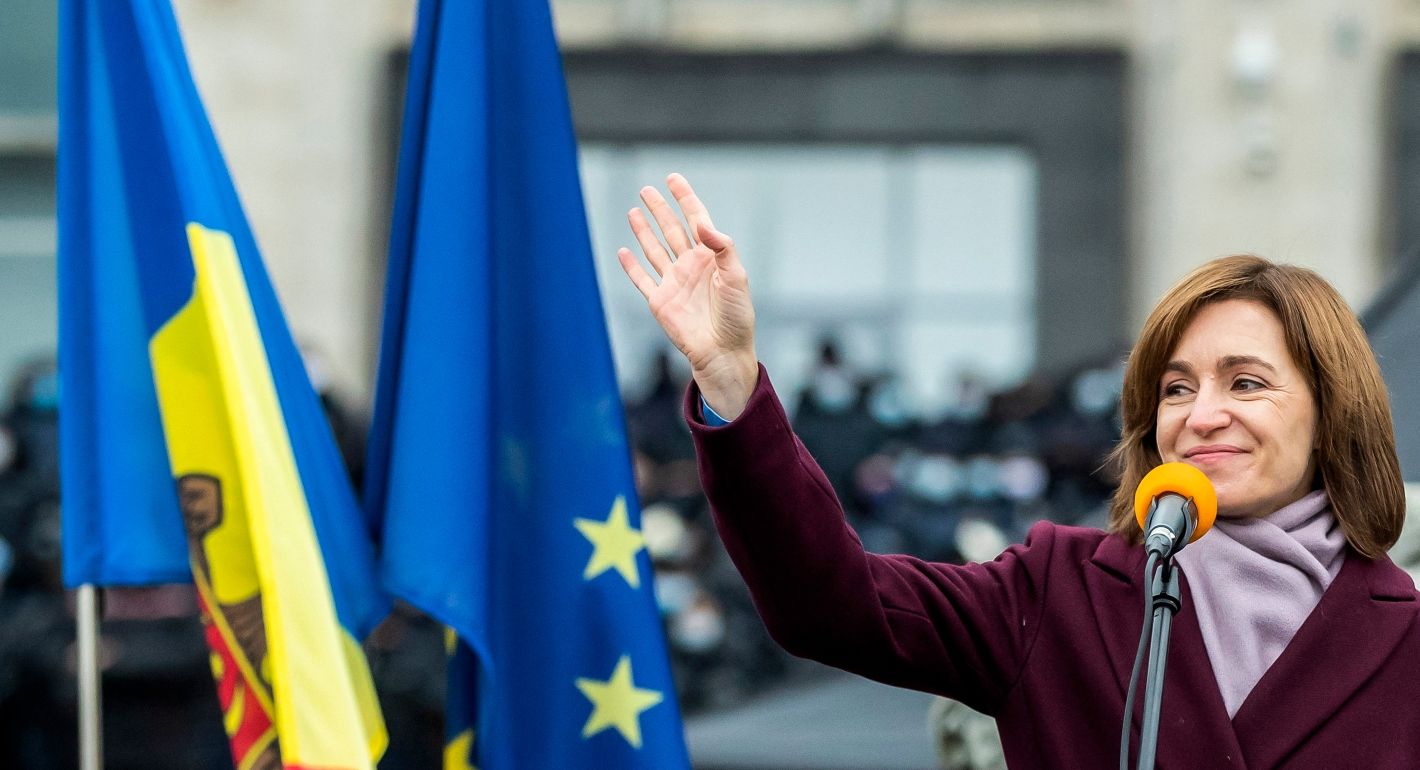
    Moldova’s Election Is a Test for Russian Influence in Europe

    Moldova’s parliamentary election is make-or-break for the country’s European future. The outcome will test whether Chișinău will stay on the EU accession path or fall prey to Russia’s multi-domain interference campaign.
      Oana Popescu-Zamfir

Get more news and analysis from
Carnegie Europe
Carnegie Europe logo, white
Rue du Congrès, 151000 Brussels, Belgium
  • Research
  • Strategic Europe
  • About
  • Experts
  • Projects
  • Events
  • Contact
  • Careers
  • Privacy
  • For Media
  • Gender Equality Plan
Get more news and analysis from
Carnegie Europe
© 2026 Carnegie Endowment for International Peace. All rights reserved.