The international community must provide support to countries across the Middle East in order to contain the numerous financial and economic risks created by the current unrest.
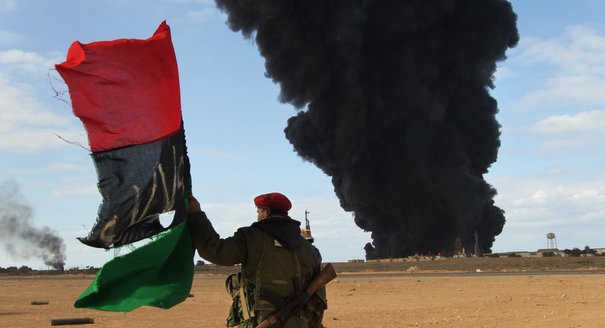
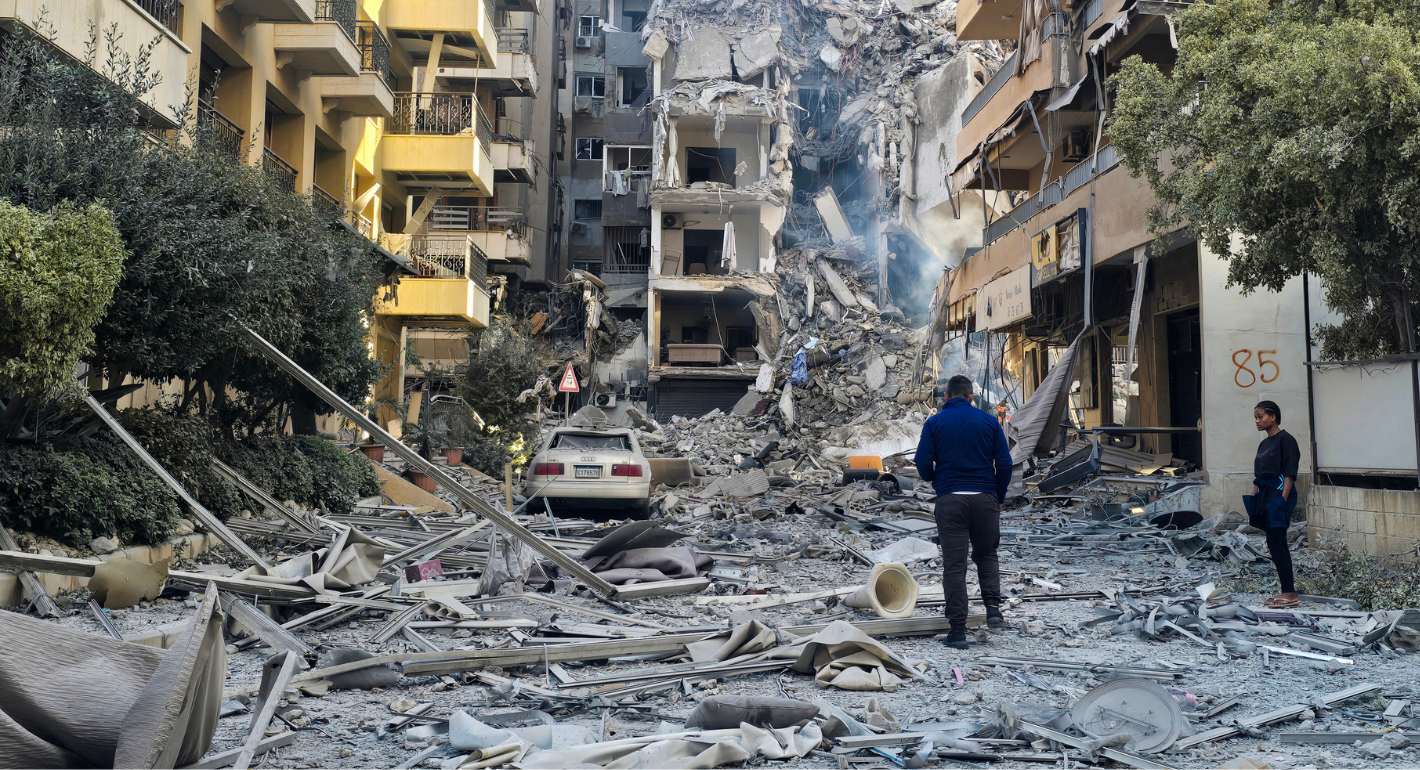
The Middle East BailoutPolitical turmoil across the Middle East and North Africa means trouble for the global economy. With two presidents out (in Tunisia and Egypt after largely peaceful revolutions), foreign military intervention in Libya’s civil war, unresolved crises in Bahrain and Yemen, constitutional change in Morocco, government dissolution in Jordan, and protests spreading in Syria, there is no going back, and the economic implications will not stay confined to the region. The governments still clinging to power are hampered by floundering domestic economies and are now less likely than ever to implement much needed reform. The world has no choice but to sit up and take notice.
While more change has occurred in the last two months than in the previous 50 years, this is just the beginning. In the face of uncertainty, the outside world needs to support the region economically to reduce the financial consequences of the unrest. Today, there are four major economic risks—two for the region and two for the world—and there is no time to lose in recognizing them and taking steps to contain them.
Deteriorating fiscal situations. With governments now forced to essentially "buy" peace with domestic handouts and new spending packages, the macroeconomic stability of the region is in danger. And as the investment climate continues to get worse and the tourism industry takes a major hit, the pressures on both new and old regimes will only increase. This will make it harder for the region's leaders to respond in ways that will contribute to long-term economic growth.
Lost faith in liberal economic reform. Unlike the fall of the Berlin Wall when revolution aspired to a liberal economic system, change in the Middle East is about refusing an autocratic political system and calling for democracy—without a clear vision for what economic system should be put in place. There is a significant possibility that the governments that ultimately emerge out of this crisis will renounce previous economic reforms as misguided and argue that they contributed to the region's plight. This would be a major step backwards.
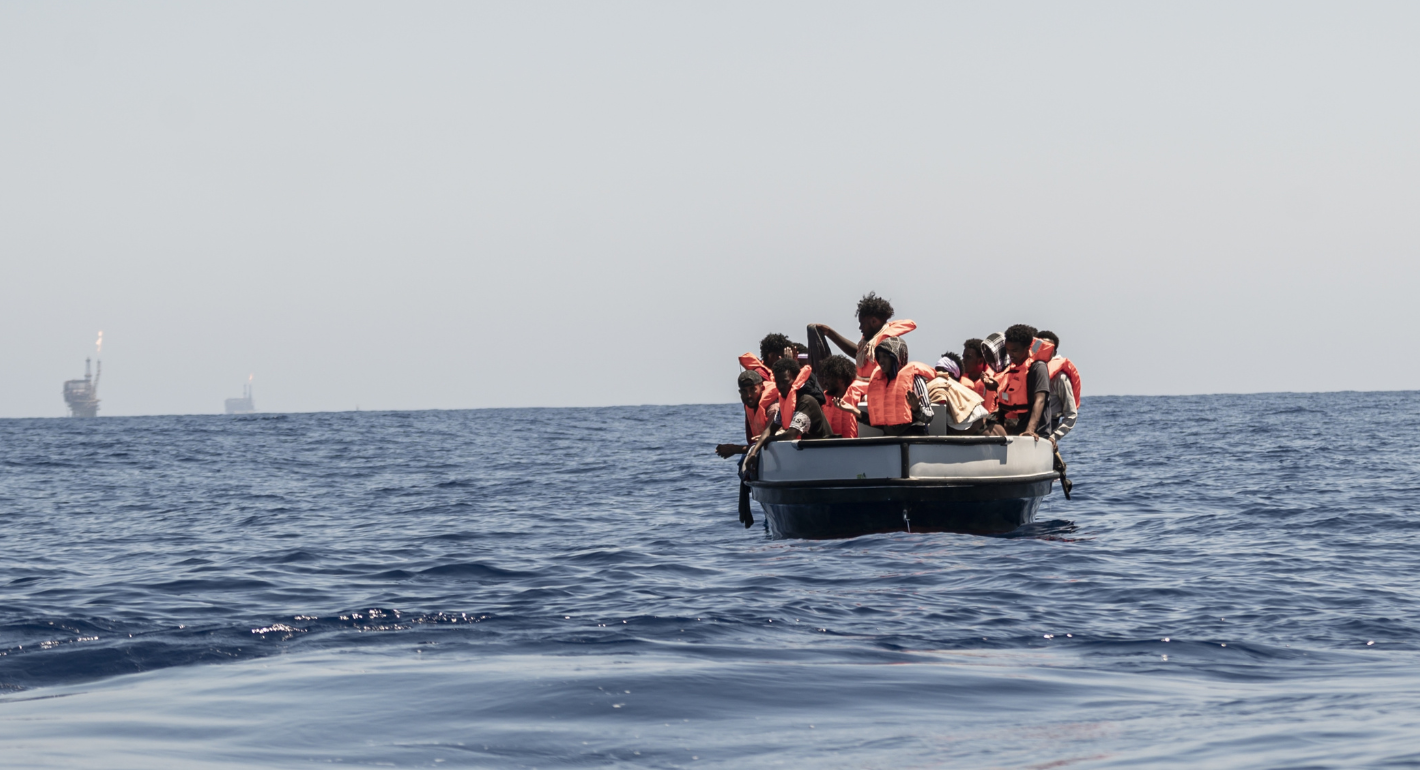
Emigration Pressures. Chaos and violence have already caused desperate Tunisian refugees to make the short but dangerous crossing to the Italian island of Pantelleria. With forces loyal to Muammar Qaddafi and rebels seemingly locked in a stalemate, Libyan emigrants may soon join the exodus. Migration from Sub Saharan Africa to Italy—which has historically used Libya as a staging post—may also increase if the restrictive Qaddafi regime falls. If there is a large-scale exodus from troubled countries, it will put greater pressure on European governments already wrestling with their own economic problems.
Oil Shocks. A major rise in oil prices is, correctly, the most feared negative impact facing the global economy. Already, analysts estimate that the turmoil may have added 25 percent to the price of crude. If unrest continues to spread in the Gulf area—which accounts for 40 percent of the world’s oil reserves—oil production and transportation could be severely compromised. Against a background of rising demand and lagging supply growth, any number of events in the region could lead to a protracted surge in oil prices, and, in an extreme scenario, potentially even abort the global economic recovery. Even in the best of worlds, prolonged political uncertainty is likely to lead to both higher and more volatile oil prices for many years to come.
It is essential that the United States, Europe, and the BRICs—particularly China and India as large oil importers—support the region economically during its transition. The World Bank and International Monetary Fund need to rapidly deploy their considerable know-how and resources in that direction. Interventions could range from balance of payments lending, to technical assistance on fiscal, governance and civil service reform, and, as World Bank President Robert Zoellick has recently proposed, financial support for civil society. It is in the large economies' own interest to ensure that economic reforms continue apace with political reforms. Otherwise the risks only get worse.
Former Senior Associate, International Economics Program
Dadush was a senior associate at the Carnegie Endowment for International Peace. He focuses on trends in the global economy and is currently tracking developments in the eurozone crisis.
Marwan Muasher is vice president for studies at Carnegie, where he oversees research in Washington and Beirut on the Middle East. Muasher served as foreign minister (2002–2004) and deputy prime minister (2004–2005) of Jordan, and his career has spanned the areas of diplomacy, development, civil society, and communications.
Carnegie does not take institutional positions on public policy issues; the views represented herein are those of the author(s) and do not necessarily reflect the views of Carnegie, its staff, or its trustees.
When the U.S.-Iran memorandum of understanding was announced, the UK, France, Germany, and Italy declared their readiness to help demine the Strait of Hormuz and lift nuclear sanctions on Tehran. But does Europe need new tools to recover a diplomatic role?
As geopolitical rivalry weaponizes global supply chains, the EU’s true vulnerability lies in emerging-risk imports. For these goods, suppliers are growing more concentrated, substitution more difficult, and political risk is looming.
The EU is putting together a new security strategy to meet today’s myriad challenges. But for any proposal to be effective, the union needs to grapple with its identity and ambitions.
The EU’s new migration policy is not suited to today’s realities. With climate change increasingly becoming a driver of displacement, Europe needs to rethink its deterrence-focused approach.
Europe seems to have accepted its sidelining in the Middle East. The EU must reassert its support for the international rules-based order and step up engagement.