

Q&A
Stephen Tankel
{
  "authors": [
    "Stephen Tankel"
  ],
  "type": "legacyinthemedia",
  "centerAffiliationAll": "dc",
  "centers": [
    "Carnegie Endowment for International Peace"
  ],
  "collections": [],
  "englishNewsletterAll": "ctw",
  "nonEnglishNewsletterAll": "",
  "primaryCenter": "Carnegie Endowment for International Peace",
  "programAffiliation": "SAP",
  "programs": [
    "South Asia"
  ],
  "projects": [],
  "regions": [
    "South Asia",
    "Pakistan"
  ],
  "topics": [
    "Security",
    "Foreign Policy"
  ]
}
Source: Getty
U.S. assistance to civilian institutions in Pakistan is more likely to encourage Pakistani stability than an approach that relies solely on monetary aid to elicit counter-terrorism assistance.
Source: Politico
IMGXYZ7422IMGZYXAny approach that relies solely on money to elicit counterterrorism assistance from Pakistan is bound to fail because it fails to account for that country’s domestic reality and its geopolitical perceptions. The Pakistan army views the Taliban and the Haqqani Network as the best, and perhaps only, tools for shaping a better outcome in Afghanistan, where it fears Indian influence will translate into encirclement. Notably, neither the Taliban nor the Haqqani Network is involved in the insurgency currently raging inside Pakistan, and the army is leery of action that could alter this reality.
In short, the army sees other countries reaping the benefits were it to act against these militants, while Pakistan would be left to deal with the costs (both domestic and geopolitical). No amount of money is likely to change that calculus in the near term and neither side should pretend otherwise.
That is not a reason to discontinue funding, but it is a reason to be more discriminating about where the money goes. In particular, assistance to civilian institutions remains a worthwhile investment. One of the narratives in Pakistan since Sept. 11 has been that the United States will abandon it after American objectives vis-à-vis Al Qaeda are achieved. Continuing to engage with Pakistan and to provide aid for civilian institutions – for example, to increase governance capacity, promote economic development and build up civilian law enforcement capabilities – is a powerful way to signal that America is not a fairweather friend.
It is also necessary as a means of helping to encourage Pakistani stability in the short term and growth in the longer term. Both are necessary for greater stability in South Asia, a region in which the United States will continue to have equities long after Al Qaeda has been defeated.
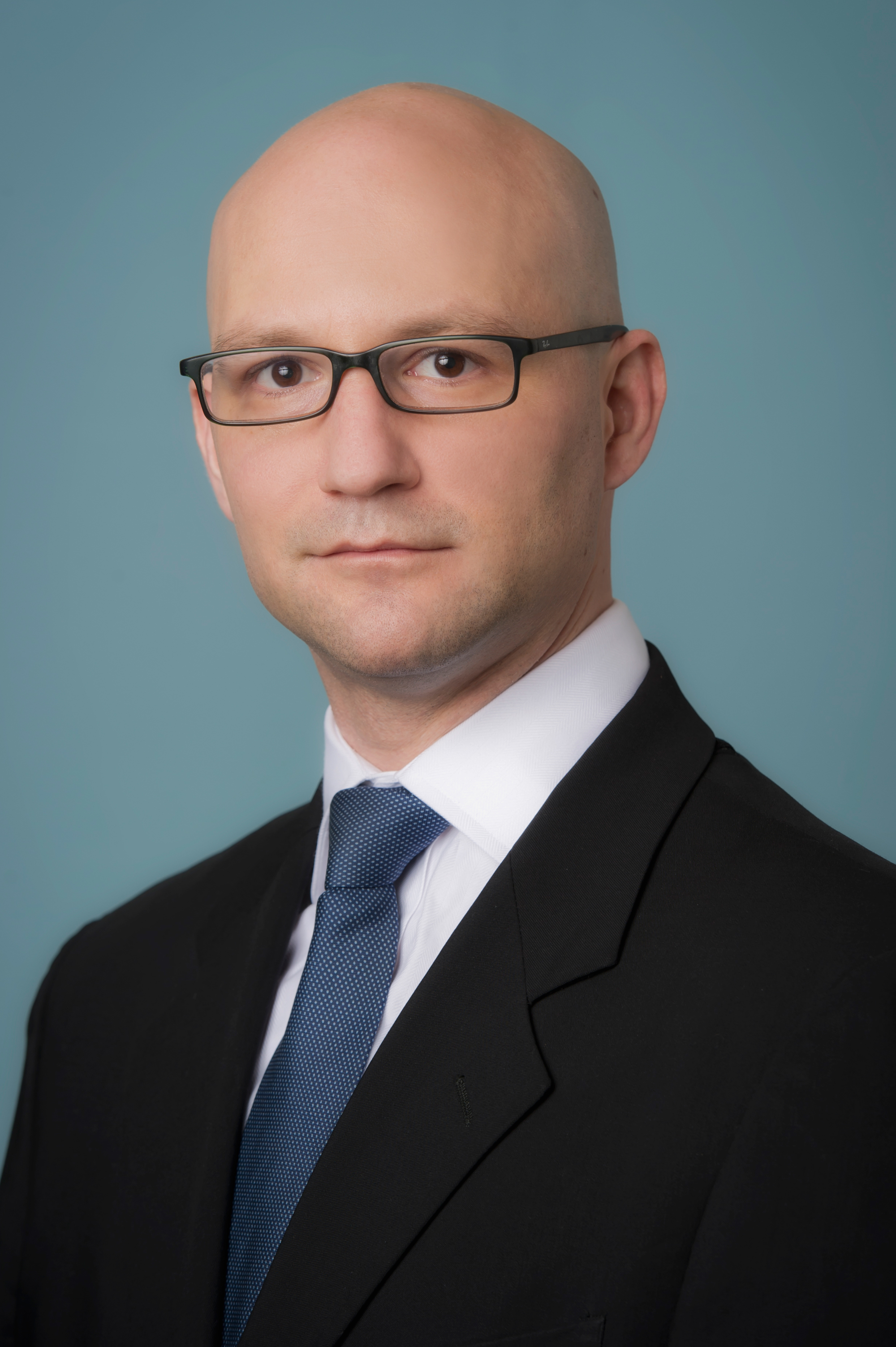
Former Nonresident Scholar, South Asia Program
Tankel was a nonresident scholar at the Carnegie Endowment, where his research focuses on insurgency, terrorism, and the evolution of nonstate armed groups.
Recent Work
Stephen Tankel
Stephen Tankel
Carnegie does not take institutional positions on public policy issues; the views represented herein are those of the author(s) and do not necessarily reflect the views of Carnegie, its staff, or its trustees.

French President Emmanuel Macron has unveiled his country’s new nuclear doctrine. Are the changes he has made enough to reassure France’s European partners in the current geopolitical context?

Rym Momtaz, ed.
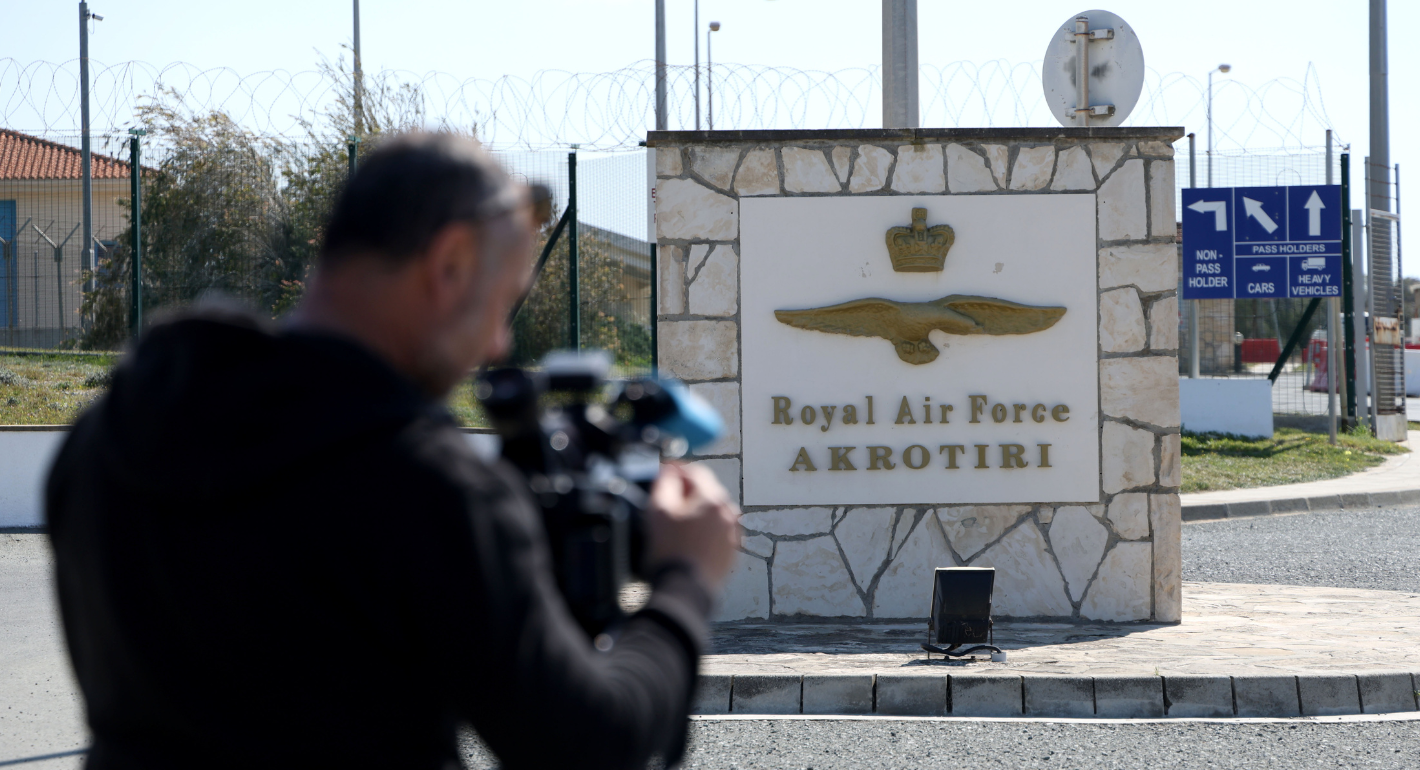
The drone strike on the British air base in Akrotiri brings Europe’s proximity to the conflict in Iran into sharp relief. In the fog of war, old tensions in the Eastern Mediterranean risk being reignited, and regional stakeholders must avoid escalation.

Marc Pierini
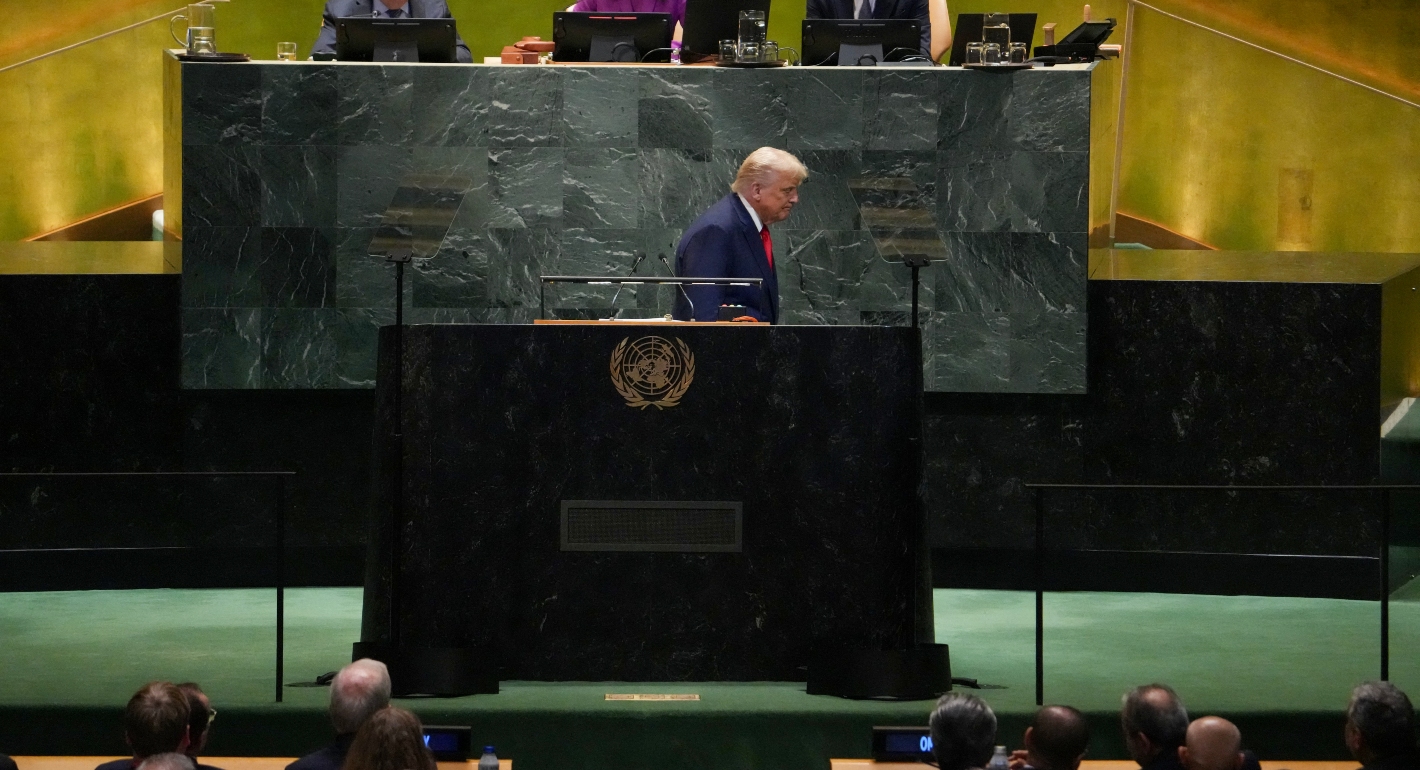
For years, the United States anchored global cyber diplomacy. As Washington rethinks its leadership role, the launch of the UN’s Cyber Global Mechanism may test how allies adjust their engagement.
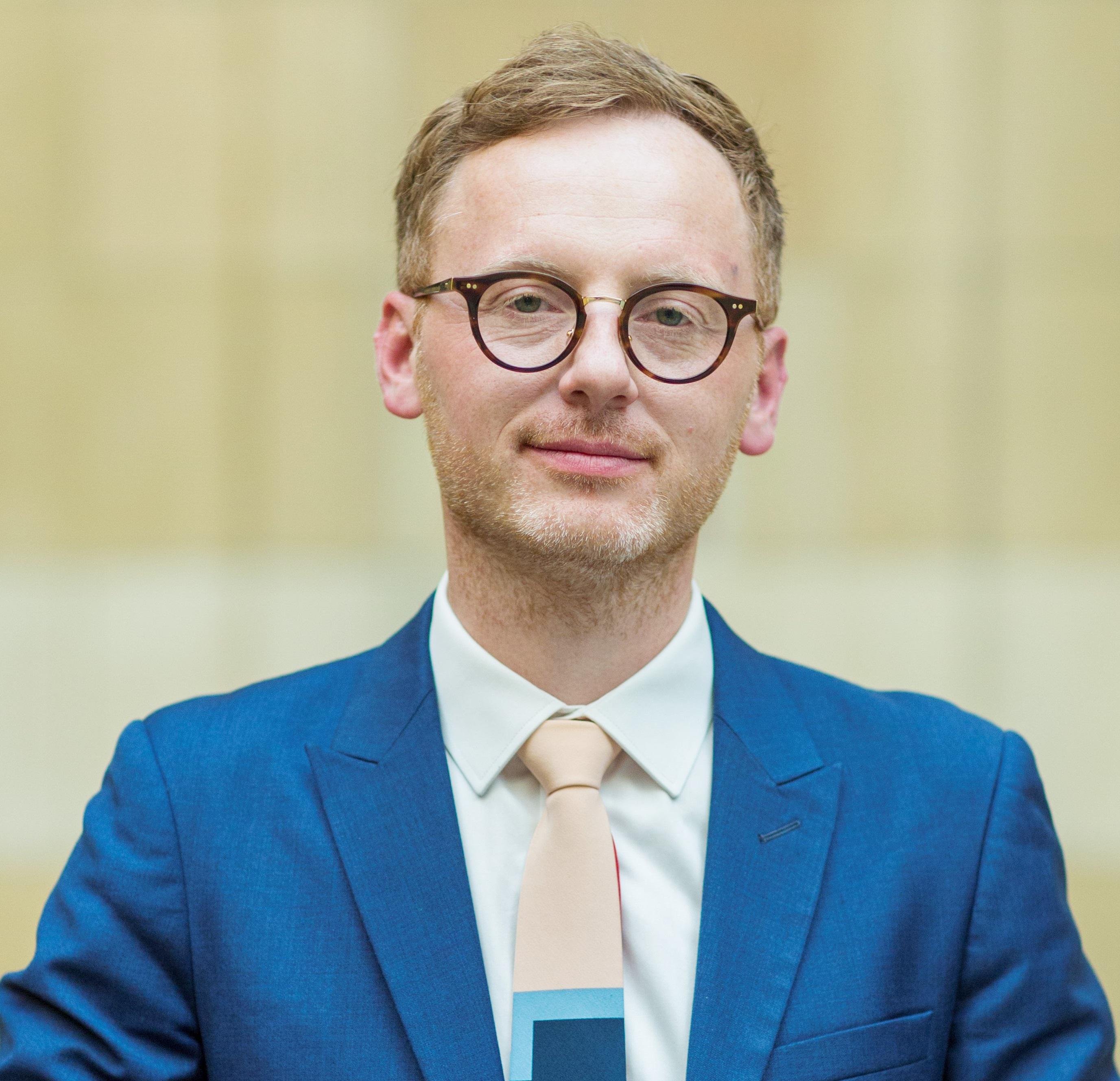
Patryk Pawlak, Chris Painter
Europe isn’t as weak in the new geopolitics of power as many would believe. But to leverage its assets and claim a sphere of influence, Brussels must stop undercutting itself.

Dimitar Bechev
Europe’s reaction to the war in Iran has been disunited and meek, a far cry from its previously leading role in diplomacy with Tehran. To avoid being condemned to the sidelines while escalation continues, Brussels needs to stand up for international law.

Pierre Vimont