

Q&A
Stephen Tankel
{
  "authors": [
    "Stephen Tankel"
  ],
  "type": "legacyinthemedia",
  "centerAffiliationAll": "dc",
  "centers": [
    "Carnegie Endowment for International Peace"
  ],
  "collections": [],
  "englishNewsletterAll": "ctw",
  "nonEnglishNewsletterAll": "",
  "primaryCenter": "Carnegie Endowment for International Peace",
  "programAffiliation": "SAP",
  "programs": [
    "South Asia"
  ],
  "projects": [],
  "regions": [
    "South Asia",
    "Afghanistan",
    "Pakistan"
  ],
  "topics": [
    "Security",
    "Military"
  ]
}
Source: Getty
While Pakistan may be using the Afghan insurgency in order to improve its own strategic position in Afghanistan, it remains unclear how much direct control it exerts over insurgent groups like the Haqqani network.
Source: C-SPAN's Washington Journal
Speaking on C-SPAN’s Washington Journal, Carnegie’s Stephen Tankel examined the complicated relationship between the Haqqani network, Pakistan’s intelligence service (ISI), and Pakistan's overall strategy in Afghanistan. He argued that the Haqqani network is the most lethal insurgent group within Afghanistan, a status it maintains in part through its reliance on Pakistan as a safe haven. He noted, however, that U.S. Admiral Mike Mullen's assertion that the Haqqani network was a "veritable arm" of the ISI is subject to some doubt, as the exact level of Pakistan’s control of the group is unclear. Ultimately, however, Tankel argued that there is little doubt that Pakistan has used the Taliban in order to improve its own strategic position in Afghanistan.
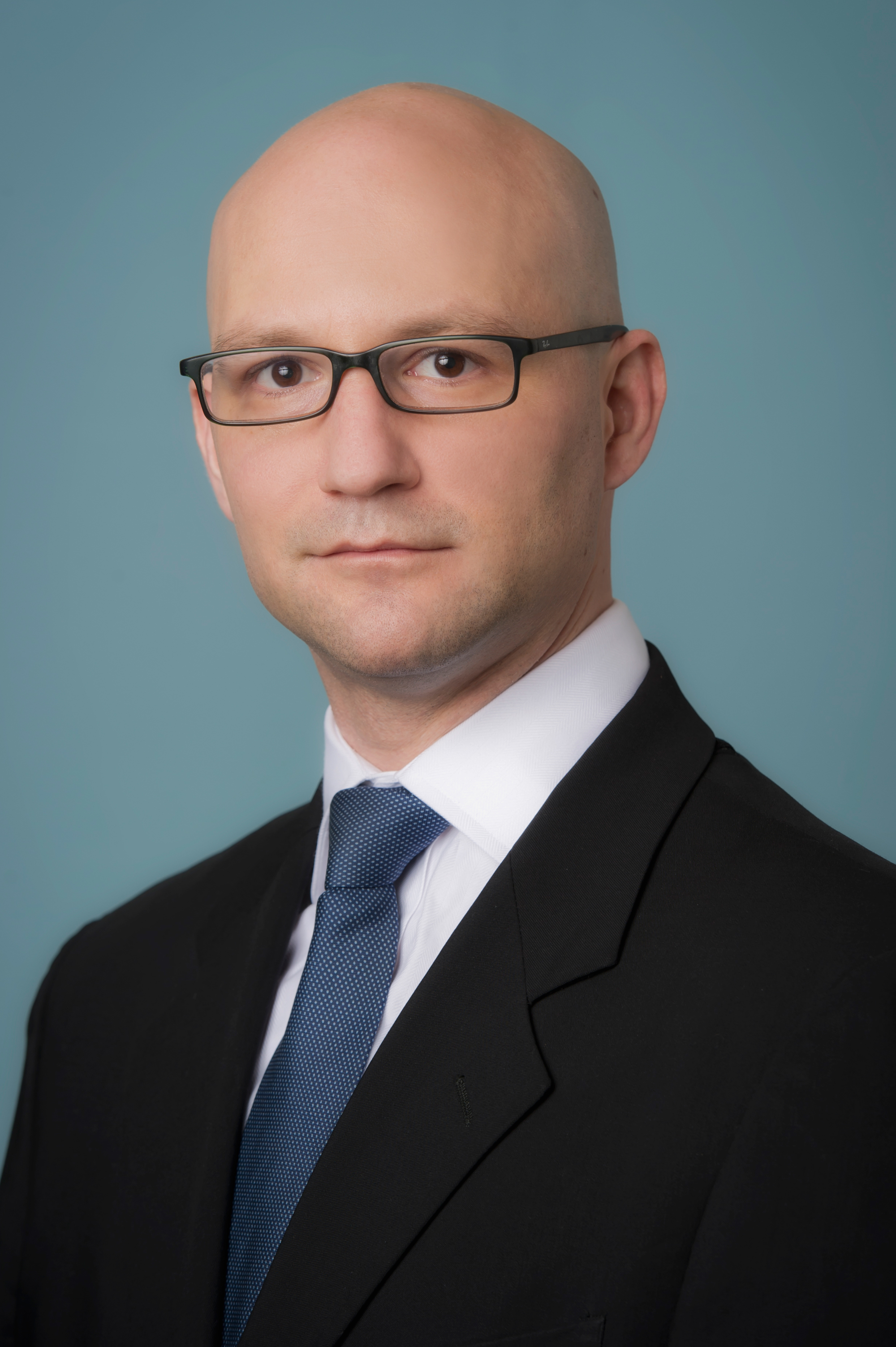
Former Nonresident Scholar, South Asia Program
Tankel was a nonresident scholar at the Carnegie Endowment, where his research focuses on insurgency, terrorism, and the evolution of nonstate armed groups.
Recent Work
Stephen Tankel
Stephen Tankel
Carnegie does not take institutional positions on public policy issues; the views represented herein are those of the author(s) and do not necessarily reflect the views of Carnegie, its staff, or its trustees.

Europe is facing rising populism internally as well as external pressures from Russia, China, Turkey, and the United States.

Dimitar Bechev

The new U.S.–Denmark–Greenland agreement will help Washington exert political, economic, and financial dominance under the guise of security. Yet, it acknowledged Copenhagen’s and Nuuk’s sovereignty on the island.

Marc Pierini

A summer of escalation in the Black Sea has hurt Ukraine economically and is exacerbating world food security. A truce is needed—as is a broader reframing of Europe’s Ukraine strategy.

Thomas de Waal

Are Germany’s economic, industrial, and political struggles becoming a liability for the EU’s ability to rise to the geopolitical moment?

Rym Momtaz, ed.

European states control several Overseas Countries and Territories around the world that carry strategic, economic, and environmental weight. As great powers challenge the rules-based order, defending them is a geopolitical imperative for Europe.
Marc Pierini