

In The Media
David Rothkopf
{
  "authors": [
    "David Rothkopf"
  ],
  "type": "legacyinthemedia",
  "centerAffiliationAll": "",
  "centers": [
    "Carnegie Endowment for International Peace"
  ],
  "collections": [],
  "englishNewsletterAll": "",
  "nonEnglishNewsletterAll": "",
  "primaryCenter": "Carnegie Endowment for International Peace",
  "programAffiliation": "",
  "programs": [],
  "projects": [],
  "regions": [
    "North America",
    "United States"
  ],
  "topics": [
    "Political Reform",
    "Economy"
  ]
}
Source: Getty
If the Occupy Wall Street demonstrators want to make a lasting impact, they should encourage large investors to avoid doing business with banks whose practices are damaging to society.
Source: Financial Times

While the rallies of these self-appointed representatives of “the other 99 per cent” have condemned the social inequality and irresponsible financial practices they blame for crises and hardship, the organisers have yet to translate their anger into specific demands. Absent such concrete goals, the group risks being written off as a social fad: tent city tantrum zones with roughly the shelf-life of a Kardashian marriage.
A quick look at the financial pages suggests an approach more likely to trigger reforms than burning another top-hatted banker in effigy. Reading between the headlines, protesters would see that markets punish those they feel have misbehaved – such as the Greek or Italian governments – by raising their cost of capital.
Anti-Wall Street protesters might therefore consider giving the banks and other corporate malefactors a taste of their own medicine. They could turn to the growing community of large institutional investors – including public funds, unions and sovereign wealth funds – that have embraced the idea of socially responsible investing (SRI) and push for a broadening of that concept to include banks whose practices are damaging to society.
The number of investors who have embraced SRI is estimated to have grown from a couple of hundred in the mid-1990s to more than 2,100 today. The UN-supported Principles for Responsible Investment, requiring signatories to weigh economic, social and corporate governance issues when making investment decisions, have the support of 944 big investors.
Two of the PRI signatories are the big California public funds, Calpers and Calstrs. Calpers was an influential player in the movement to make socially responsible investment more mainstream. In 2000, both funds took money out of tobacco, an asset class they felt to be problematic, and redirected it to investments perceived to provide greater social benefit. While the move was controversial and hit the funds’ performance to a modest degree, the effort has endured. Calpers alone today runs assets of almost $400bn. That kind of clout would really occupy Wall Street’s attention, if banks that engaged in reckless or predatory practices were suddenly deemed by Calpers and/or other big investors to be socially irresponsible and thus off limits.
On the face of it, it is not too hard a case to make. While standards differ for such efforts, there are common themes. The Norwegian government’s pension fund seeks to avoid contributing to “unethical acts or omissions, such as violations of humanitarian principles, serious violations of human rights, gross corruption or severe environmental damages”. Funds regularly screen out investments associated with perceived negative social consequences, such as alcohol, tobacco, gambling, nuclear energy, military equipment or polluters.
Unethical acts? Gambling? These already seem to fit some of our larger and more reckless financial institutions. If Citibank pays a $285m fine for knowingly selling products that it was itself betting against, if Goldman executives actively discussed promoting securities they knew to be “crap”, don’t they invite exclusion from socially responsible investment portfolios? What about institutions that lent money to Greece “off balance sheet” in an effort to minimise impact on credit ratings, and so enabled bad practices that will probably keep the people of Greece living in recession for many years? Is it socially responsible to invest in the companies who have turned markets into casinos?
Of course it isn’t. Many such firms have arguably done greater damage than companies currently proscribed, with tactics every bit as toxic.
Do SRI efforts have an impact? Research and experience suggest they do. While the impact on the cost of capital has sometimes been modest, there have been instances, as with boycotts of investments in South African companies during apartheid, when the consequences were more pronounced. Once bans were lifted, the equity value of many South African companies soared. Boards charged with promoting shareholder value must pay attention when several potential big investors just say “no”. The conclusion is inescapable: one of the best ways to take Occupy Wall Street to the next level would be to hit its targets right where they live – in their wallets.
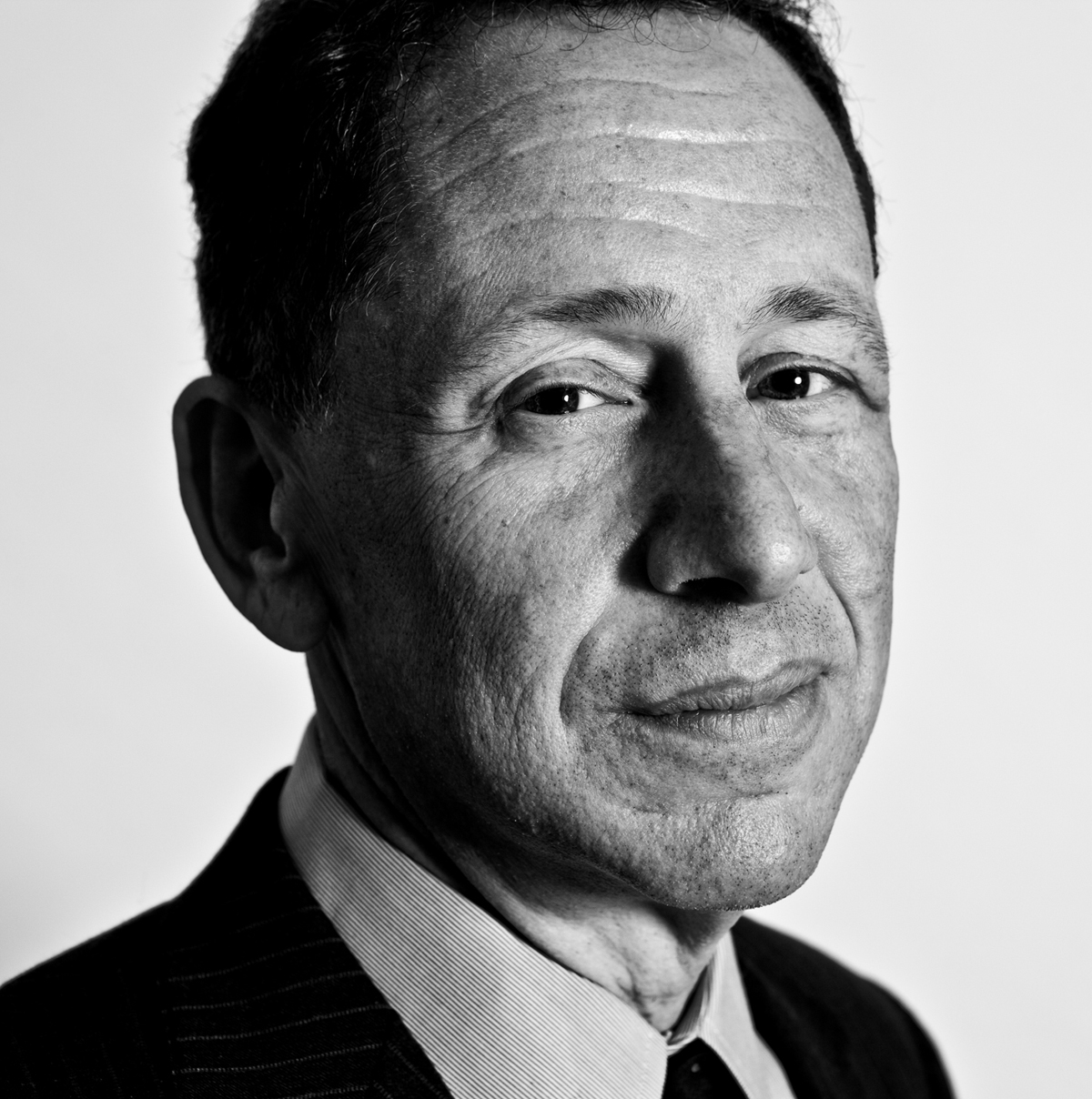
Former Visiting Scholar
David Rothkopf was a visiting scholar at the Carnegie Endowment as well as the former CEO and editor in chief of the FP Group.
Recent Work
David Rothkopf
David Rothkopf
Carnegie does not take institutional positions on public policy issues; the views represented herein are those of the author(s) and do not necessarily reflect the views of Carnegie, its staff, or its trustees.

In Ukraine, Gaza, and Iran, AI warfare has come to dominate, with barely any oversight or accountability. Europe must lead the charge on the responsible use of new military technologies.

Raluca Csernatoni

Montenegro and Albania are frontrunners for EU enlargement in the Western Balkans, but they can’t just sit back and wait. To meet their 2030 accession ambitions, they must make a strong positive case.


Dimitar Bechev, Iliriana Gjoni
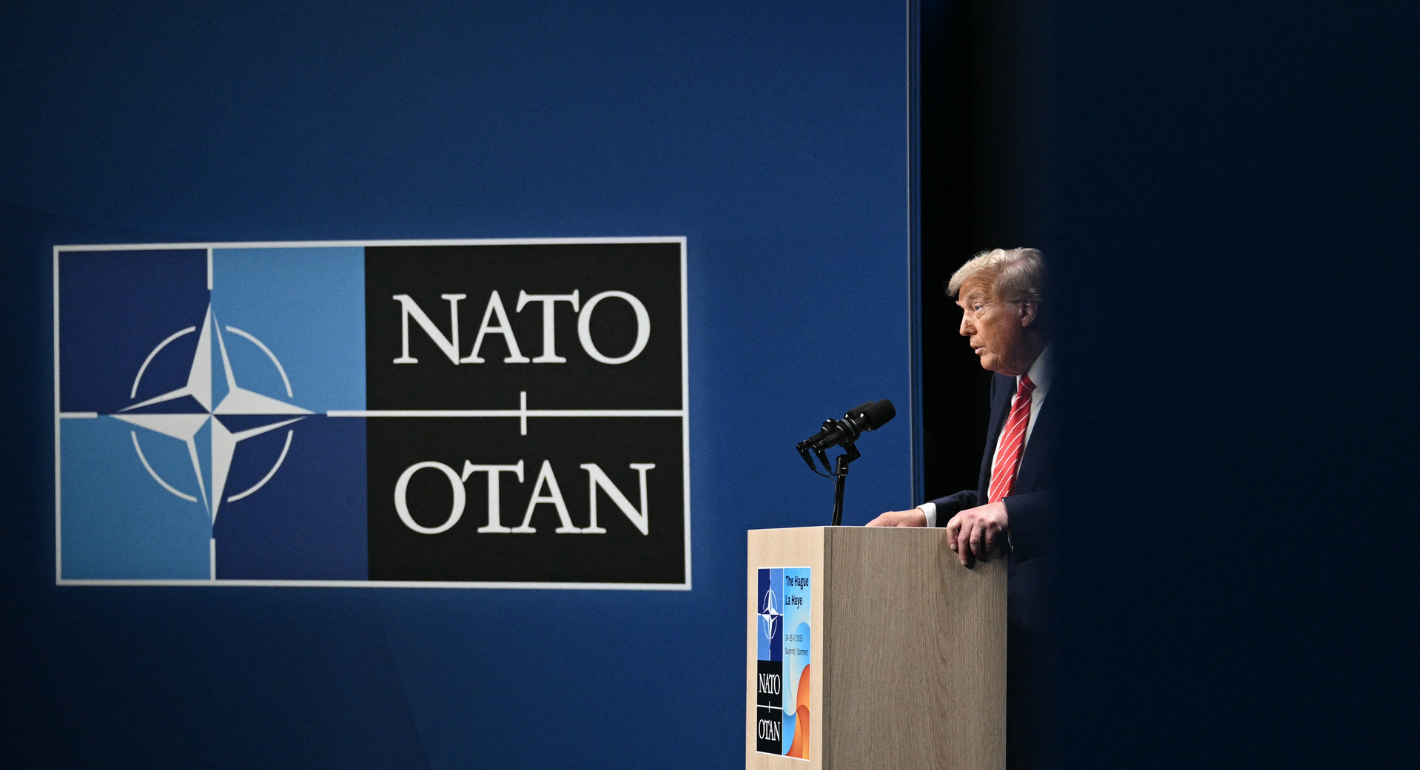
Donald Trump has repeatedly bashed NATO and European allies, threatening to annex Canada and Greenland and deploring their lack of enthusiasm for his war of choice in Iran. Is this latest round of abuse the final straw?

Rym Momtaz, ed.
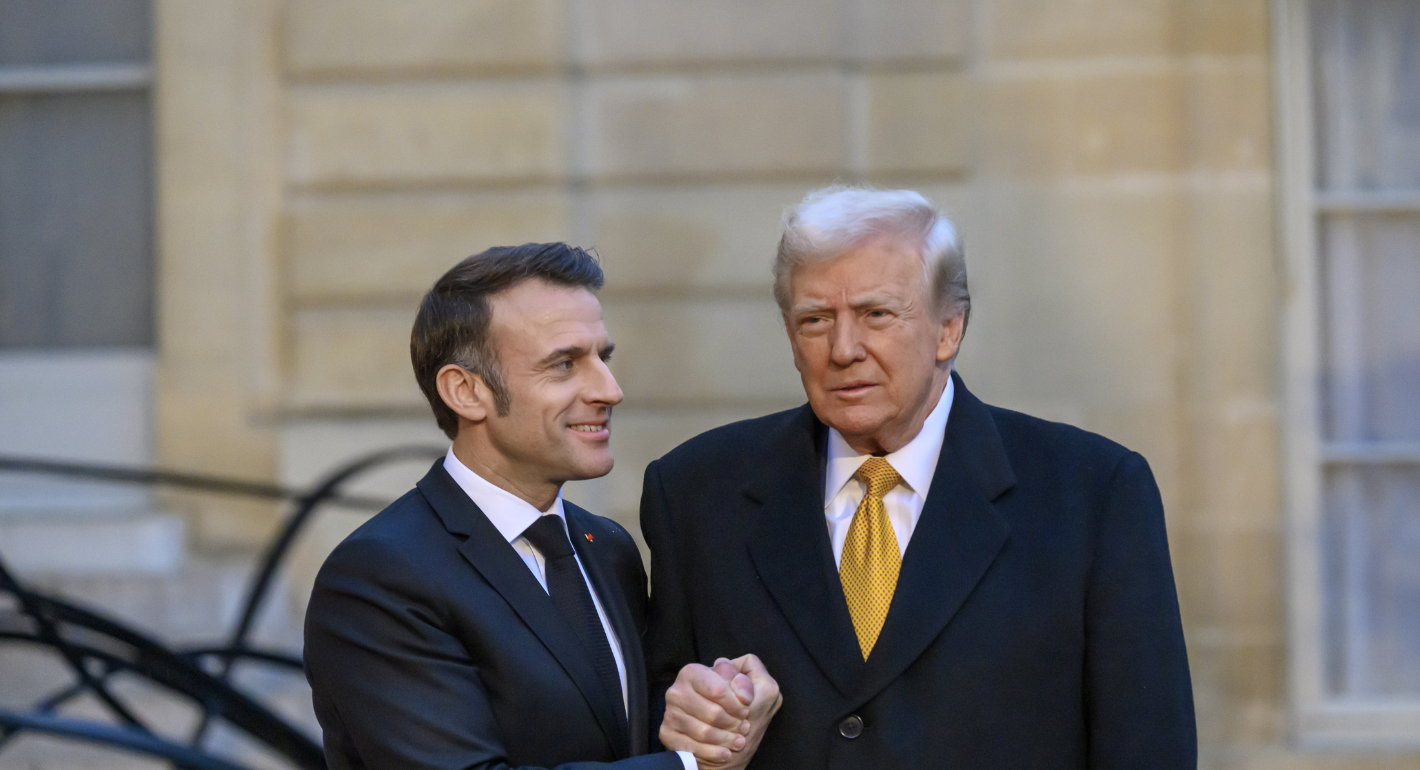
Donald Trump’s repudiation of NATO goes against the Make America Great Again vision of a U.S.-centered foreign policy. If the goal is to preserve the alliance by boosting Europe’s commitments, leaning into France’s vision is the most America First way forward.
Rym Momtaz

The wars in Ukraine and the Middle East are existential threats to Europe as a peace project. Leaders and citizens alike must reaffirm their solidarity to face up to today’s multifaceted challenges.

Marc Pierini