

Commentary
Yukon Huang, Isaac B. Kardon, Matt Sheehan
{
  "authors": [
    "Yukon Huang"
  ],
  "type": "legacyinthemedia",
  "centerAffiliationAll": "dc",
  "centers": [
    "Carnegie Endowment for International Peace",
    "Carnegie China"
  ],
  "collections": [],
  "englishNewsletterAll": "asia",
  "nonEnglishNewsletterAll": "",
  "primaryCenter": "Carnegie China",
  "programAffiliation": "AP",
  "programs": [
    "Asia"
  ],
  "projects": [],
  "regions": [
    "East Asia",
    "China"
  ],
  "topics": [
    "Economy"
  ]
}
Source: Getty
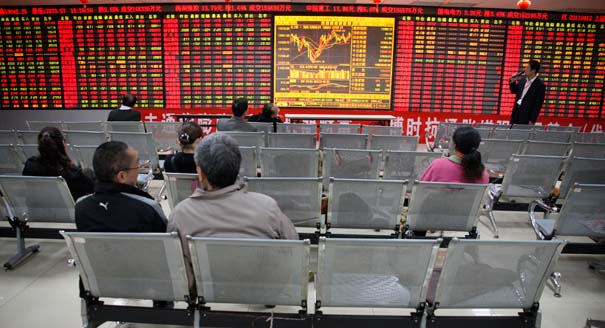
Beijing has been using the financial system to fund public expenditure needs, many of which are not commercial in nature and would normally be undertaken through the budget.
Source: Financial Times

But focusing on emerging financial risks is a case of treating the symptoms of the problem, rather than understanding and dealing with its origins. When Deng Xiaoping launched his efforts decades ago to boost economic growth, he needed to secure the resources to ramp up investments along the coast. But the Communist party leader faced the reality that government revenues had fallen to only 11 per cent of gross domestic product by the mid-1990s and the only alternative was to tap household savings in the banking system. Although revenues have been increasing steadily, China’s national budget still amounts to only 25 per cent of GDP, compared with an average of 35 per cent for other middle income countries and over 40 per cent for OECD economies.

Senior Fellow, Asia Program
Huang is a senior fellow in the Carnegie Asia Program where his research focuses on China’s economy and its regional and global impact.
Recent Work

Yukon Huang, Isaac B. Kardon, Matt Sheehan
Yukon Huang, Genevieve Slosberg

The hybrid warfare landscape is evolving rapidly, leaving policymakers without clear strategies. To better inform their work in addressing emerging challenges, governments must dig deeper into the underlying dynamics at play.


Raluca Csernatoni, Alicia Wanless

As geopolitical rivalry weaponizes global supply chains, the EU’s true vulnerability lies in emerging-risk imports. For these goods, suppliers are growing more concentrated, substitution more difficult, and political risk is looming.

Sinan Ülgen

The EU is putting together a new security strategy to meet today’s myriad challenges. But for any proposal to be effective, the union needs to grapple with its identity and ambitions.

Pierre Vimont

Amid uncertainty caused by the Iran war, the global drive for nonproliferation has stalled. With Europe diplomatically marginalized and countries reassessing their nuclear options, efforts to curb the spread of nuclear weapons risk becoming irrelevant.

Jane Darby Menton
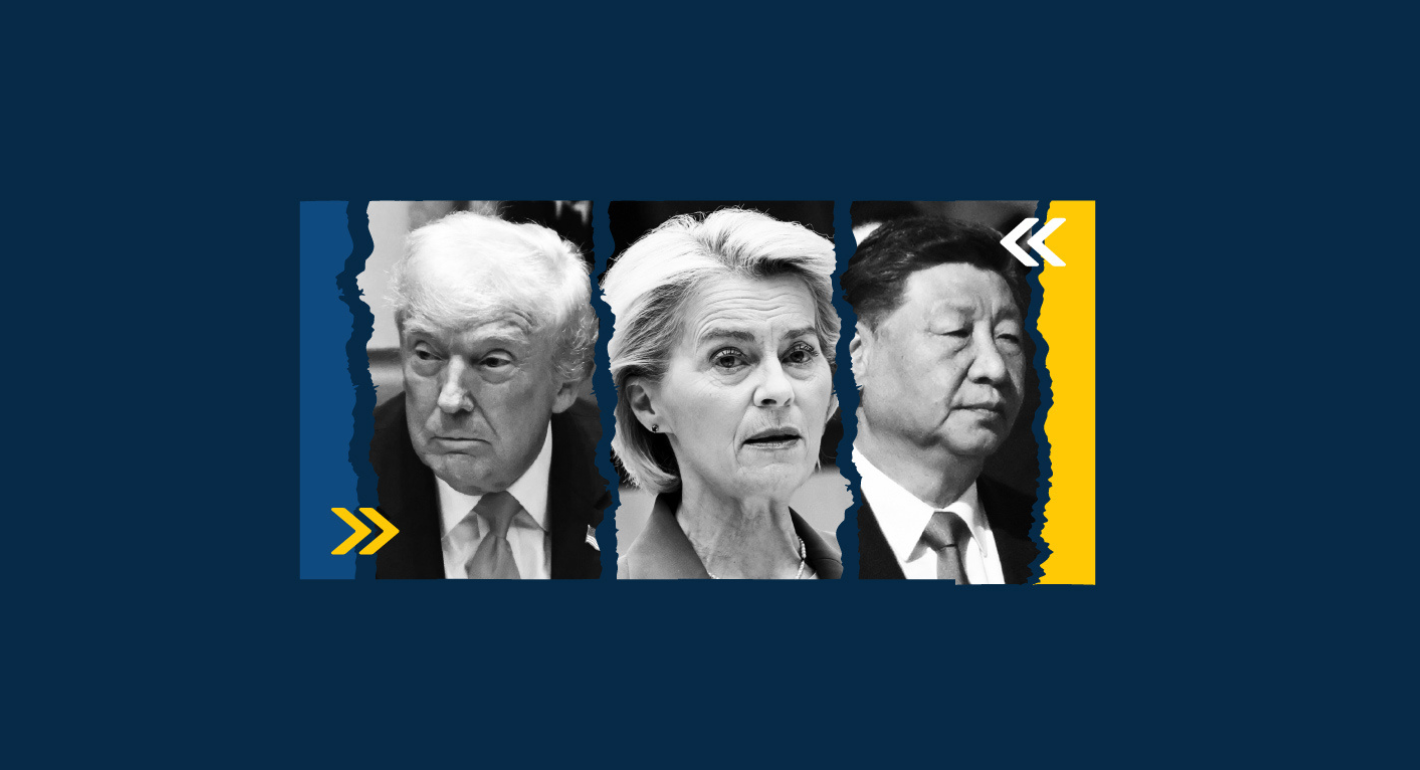
Between the United States’ market-driven approach and China's state-led industrial strategy, Europe is reckoning with how it can remain competitive in the global economy. But is Europe in danger of becoming a U.S. or China colony?

Noah Barkin, Anu Bradford