

Commentary
Uri Dadush
{
  "authors": [
    "Uri Dadush"
  ],
  "type": "legacyinthemedia",
  "centerAffiliationAll": "",
  "centers": [
    "Carnegie Endowment for International Peace"
  ],
  "collections": [],
  "englishNewsletterAll": "",
  "nonEnglishNewsletterAll": "",
  "primaryCenter": "Carnegie Endowment for International Peace",
  "programAffiliation": "",
  "programs": [],
  "projects": [],
  "regions": [
    "North America",
    "United States",
    "Southern, Eastern, and Western Africa",
    "South Asia",
    "India",
    "East Asia",
    "China"
  ],
  "topics": [
    "Economy"
  ]
}
REQUIRED IMAGE
Over the past several decades, the World Bank has broadened its approach to growth and poverty reduction by moving beyond hard infrastructure initiatives to systemic reforms in education and health care and the development of social safety nets.
Source: C-SPAN
Speaking on C-SPAN’s Washington Journal, Uri Dadush provided a primer on the World Bank’s mission and operations. He discussed how the bank’s approach to development has evolved over the years; outgoing president Robert Zoellick’s achievements at the bank; and the institution’s intense engagement with Africa. Over the past several decades, Dadush noted, the World Bank has broadened its approach to growth and poverty reduction, shifting from “projects” to “programs” and moving beyond hard infrastructure initiatives—the construction of roads, bridges, and power stations—to systemic reforms in education and health care and the development of social safety nets. The bank has made mistakes, but also learned from them, Dadush added; it has played a critical role, moreover, in launching the green revolution, which helped increase agricultural productivity and reduce poverty, and eradicate river blindness, among other accomplishments.

Former Senior Associate, International Economics Program
Dadush was a senior associate at the Carnegie Endowment for International Peace. He focuses on trends in the global economy and is currently tracking developments in the eurozone crisis.
Recent Work
Uri Dadush
Uri Dadush
Carnegie does not take institutional positions on public policy issues; the views represented herein are those of the author(s) and do not necessarily reflect the views of Carnegie, its staff, or its trustees.

Trump is distracted and Ukraine wants Europe to step up. The continent’s leaders must find their voice and assert it in talks with Russia.

Alissa de Carbonnel
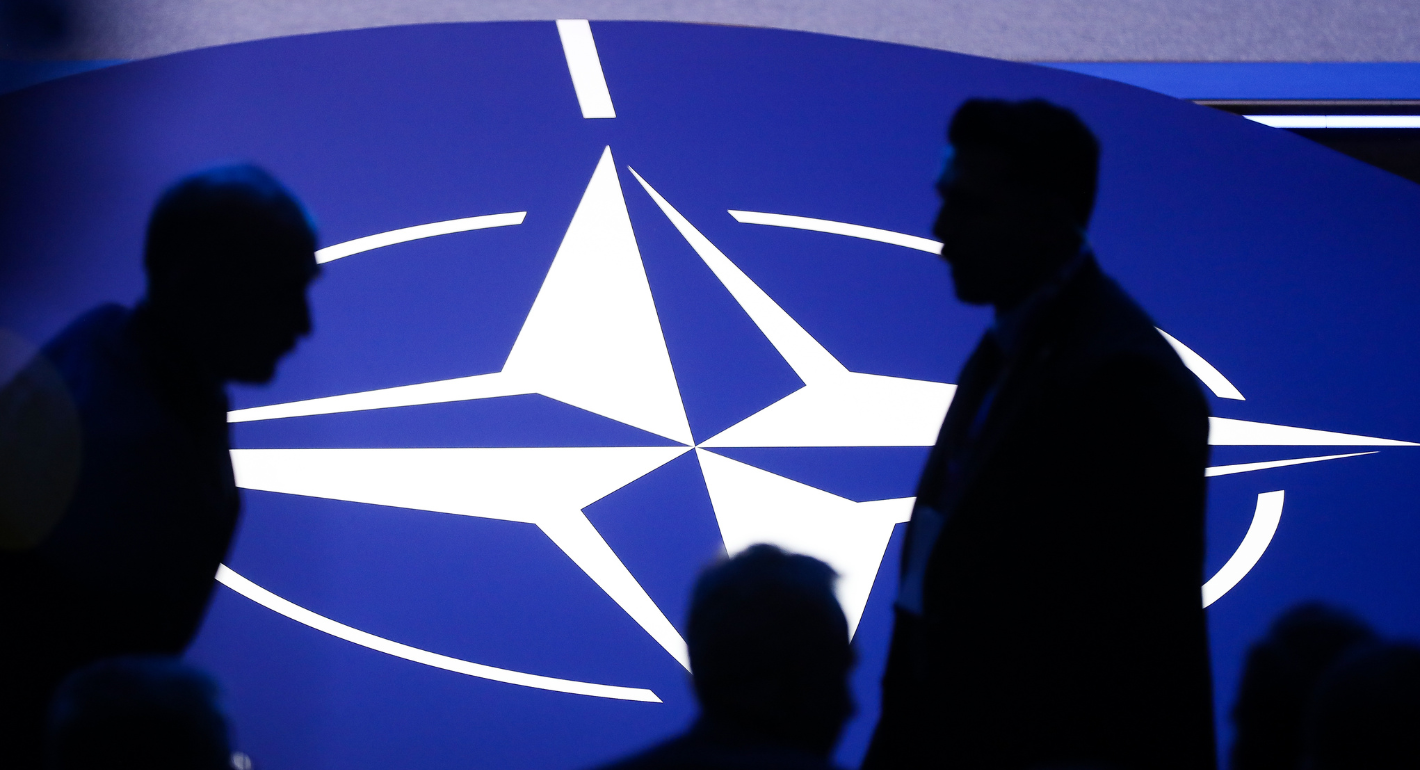
Over the past ten years, NATO has held almost as many summits as it did during the entirety of the Cold War. Are they still useful, or is it time to stop holding annual meetings?

Rym Momtaz, ed.
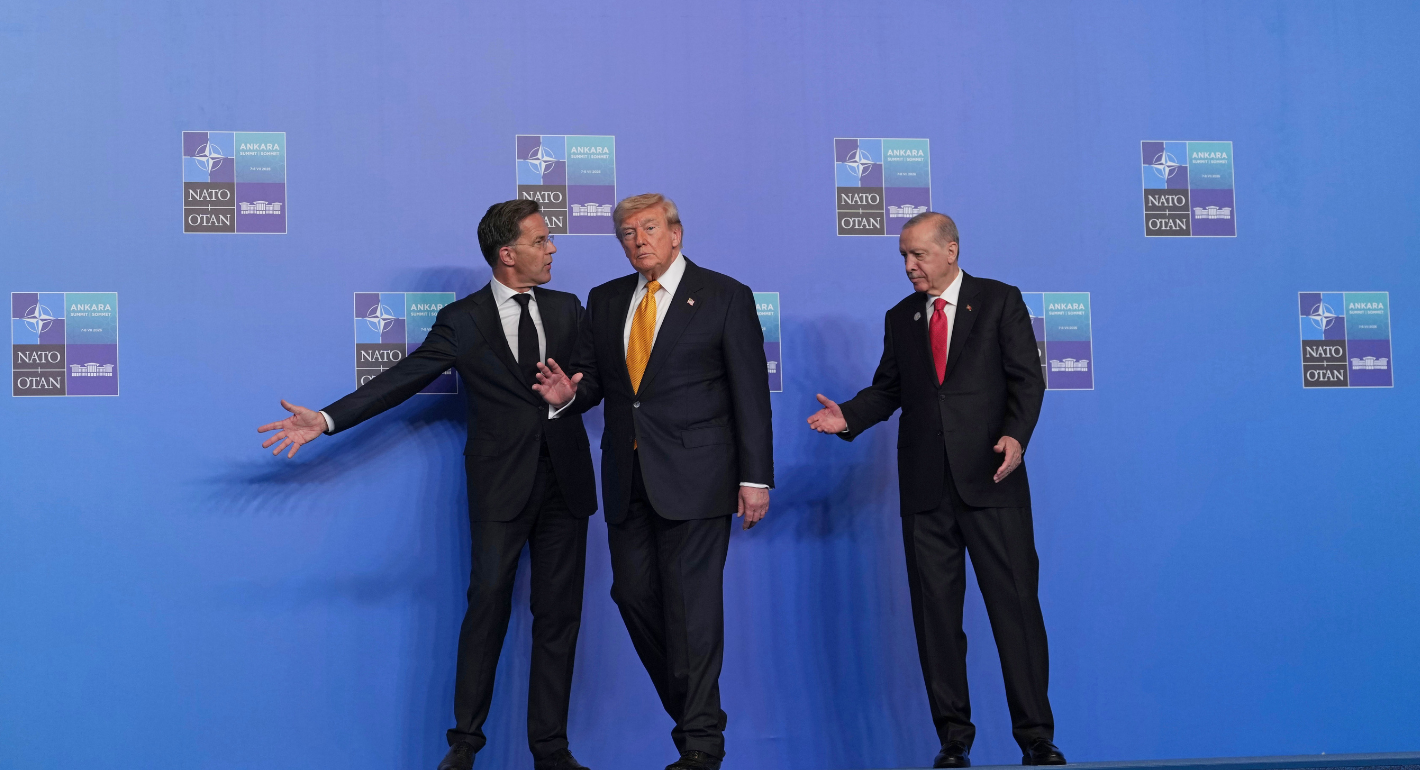
Nearly a year and a half after Europeans leaned into sucking up to Trump, the strategy has produced some benefits when it comes to Ukraine.
Rym Momtaz

Autonomous AI agents are increasingly prevalent in cyberspace. The EU needs a real-time monitoring strategy, to invest in AI defenses, and to reduce its strategic dependence on U.S. frontier models.


Raluca Csernatoni, Patryk Pawlak
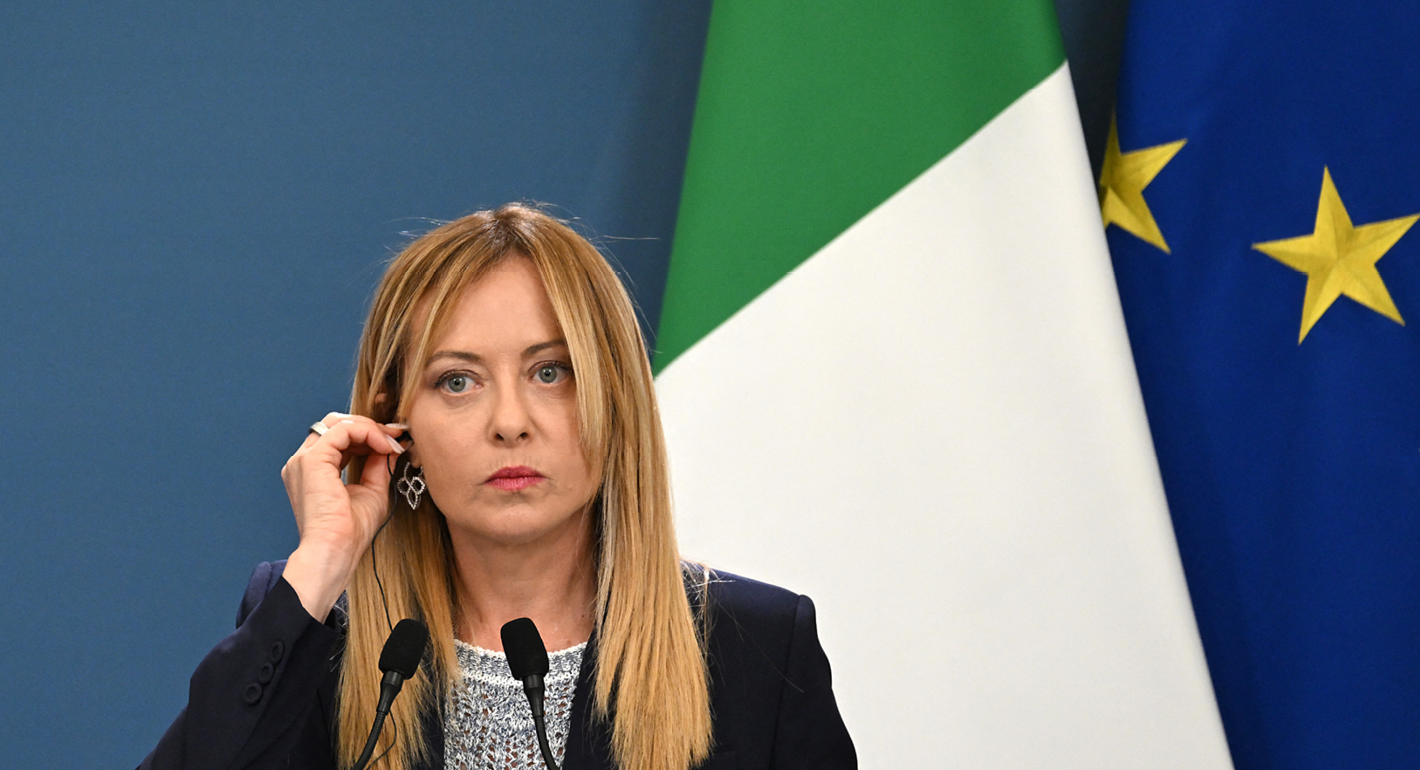
When Giorgia Meloni very publicly rebuked Donald Trump’s disparaging remarks about her, it surprised many who saw her as a European extension of Trumpism. Is the spat a sign of trouble in the radical right’s transatlantic axis?
Rym Momtaz, ed.