

Commentary
Nikolay Petrov
{
  "authors": [
    "Nikolay Petrov"
  ],
  "type": "legacyinthemedia",
  "centerAffiliationAll": "",
  "centers": [
    "Carnegie Endowment for International Peace",
    "Carnegie Russia Eurasia Center"
  ],
  "collections": [],
  "englishNewsletterAll": "",
  "nonEnglishNewsletterAll": "",
  "primaryCenter": "Carnegie Russia Eurasia Center",
  "programAffiliation": "",
  "programs": [],
  "projects": [],
  "regions": [
    "Caucasus",
    "Russia"
  ],
  "topics": []
}
Source: Getty
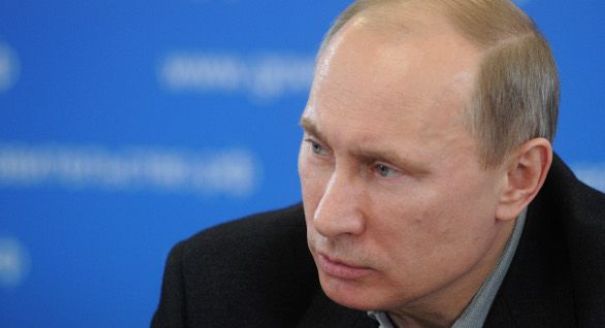
In the aftermath of the presidential elections, Putin’s uncertain political position and weakened political strength may prove both a domestic and international limitation.
Source: The Moscow Times

Following the March 4 election, the Kremlin began tightening the screws with crackdowns on mass rallies and protesters, and taking a hard line on the criminal cases against Alexei Kozlov and Pussy Riot. The authorities have made it abundantly clear that they have no intention of liberalizing anything. They intend to put the millions of Internet "hamsters" back in their cages, leaving radical "professional revolutionaries" as the primary public face of the opposition.
The only bright spot in this otherwise gloomy picture has been the announcement that the authorities are willing to register the Republican Party led by Vladimir Ryzhkov. This is part of a larger tactic of dividing and marginalizing the opposition.As President-elect Vladimir Putin begins his next term as national leader, we are witnessing an accelerating kaleidoscope of activity that was previously hidden from public view — political infighting punctuated by plaintive cries and angry roars as the bloody scraps of political battles are bandied about.
A few recent examples are the dismissal of St. Petersburg police chief Mikhail Sukhodolsky, who until recently was an influential first deputy of the Interior Ministry; investigations in the criminal case against Renova founder Viktor Vekselberg and his contentious departure from the RusAl board of directors; the public scandal concerning Federal Space Agency director Vladimir Popovkin, whose head was bashed with a bottle during a drunken brawl in his office; and the publication of incriminating material on First Deputy Prime Minister Igor Shuvalov and his wife, who reportedly received tens of millions of dollars in compensation from billionaires Yevgeny Shvidler and Alisher Usmanov in exchange for huge state loans and other preferential treatment.
Putin is in a sticky situation. His uncertain political position makes him a hostage to the major business and political clans, thus greatly limiting his flexibility in making political and staffing appointments.
Moreover, Putin lacks the political strength to radically improve his image as the "bad cop" spouting tough anti-Western rhetoric. Putin must now rely on outgoing President Dmitry Medvedev, who may serve as prime minister for most of Putin's six-year term, to provide a democratic face to the government. Oligarch Mikhail Prokhorov may also be able to provide Putin's administration a modern, Western face if he accepts an official, or unofficial, role in government.
From 2000 to 2007, Putin managed to ride the wave of economic growth and prosperity. During the subsequent economic downturn, he funded his populist policies with the large budgetary reserves built up during the boom years.
But now that the election is over and the time has come to backtrack from costly populist policies, Putin is unable to persuade the country that the huge airplane flying Russia's passengers is headed for a sharp fall. It is very possible that somebody else will have to manage this rough landing in a couple of years, when the state's financial reserves have been depleted and no other options remain.
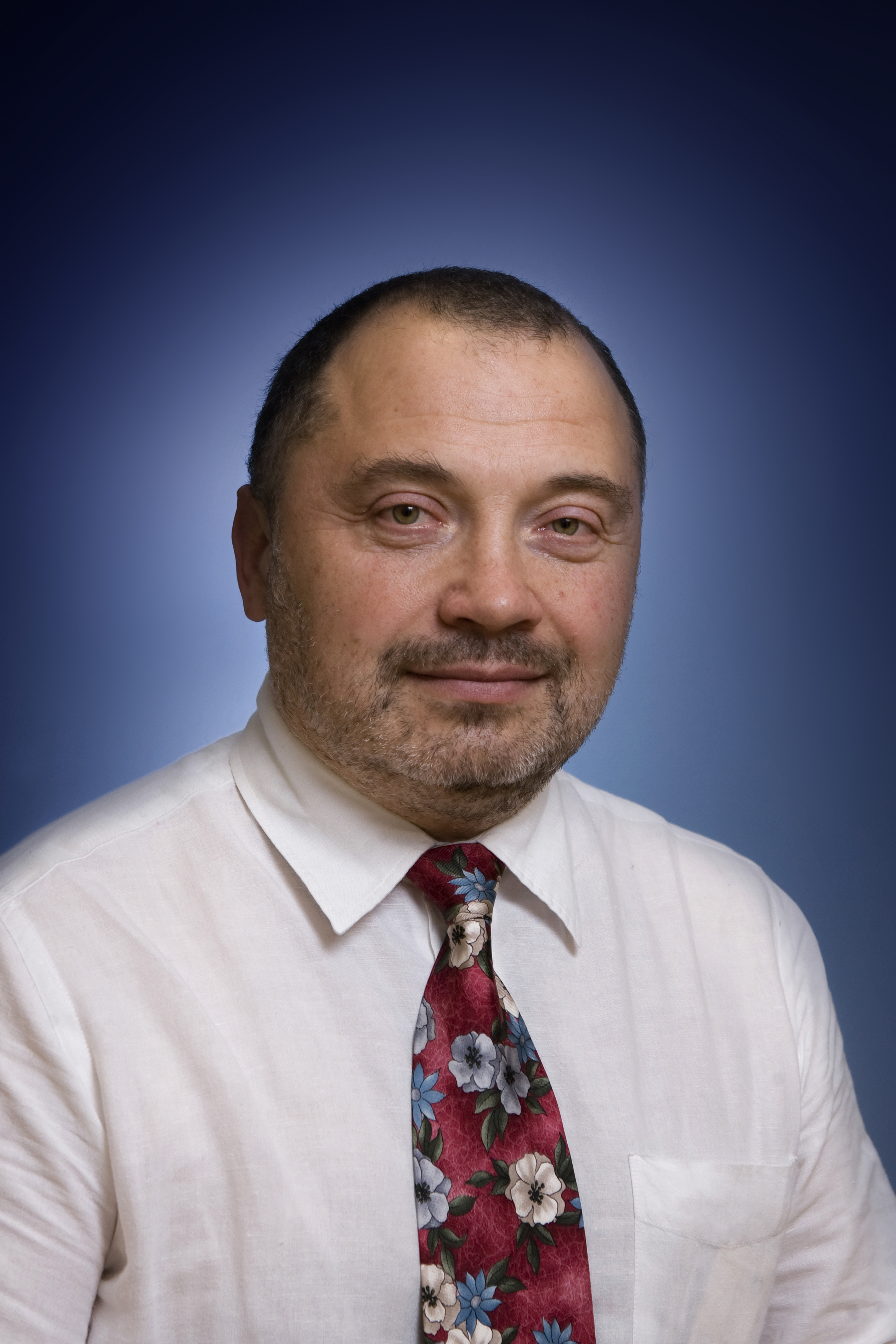
Former Scholar-in-Residence, Society and Regions Program, Moscow Center
Nikolay Petrov was the chair of the Carnegie Moscow Center’s Society and Regions Program. Until 2006, he also worked at the Institute of Geography at the Russian Academy of Sciences, where he started to work in 1982.
Recent Work
Nikolay Petrov
Nikolay Petrov
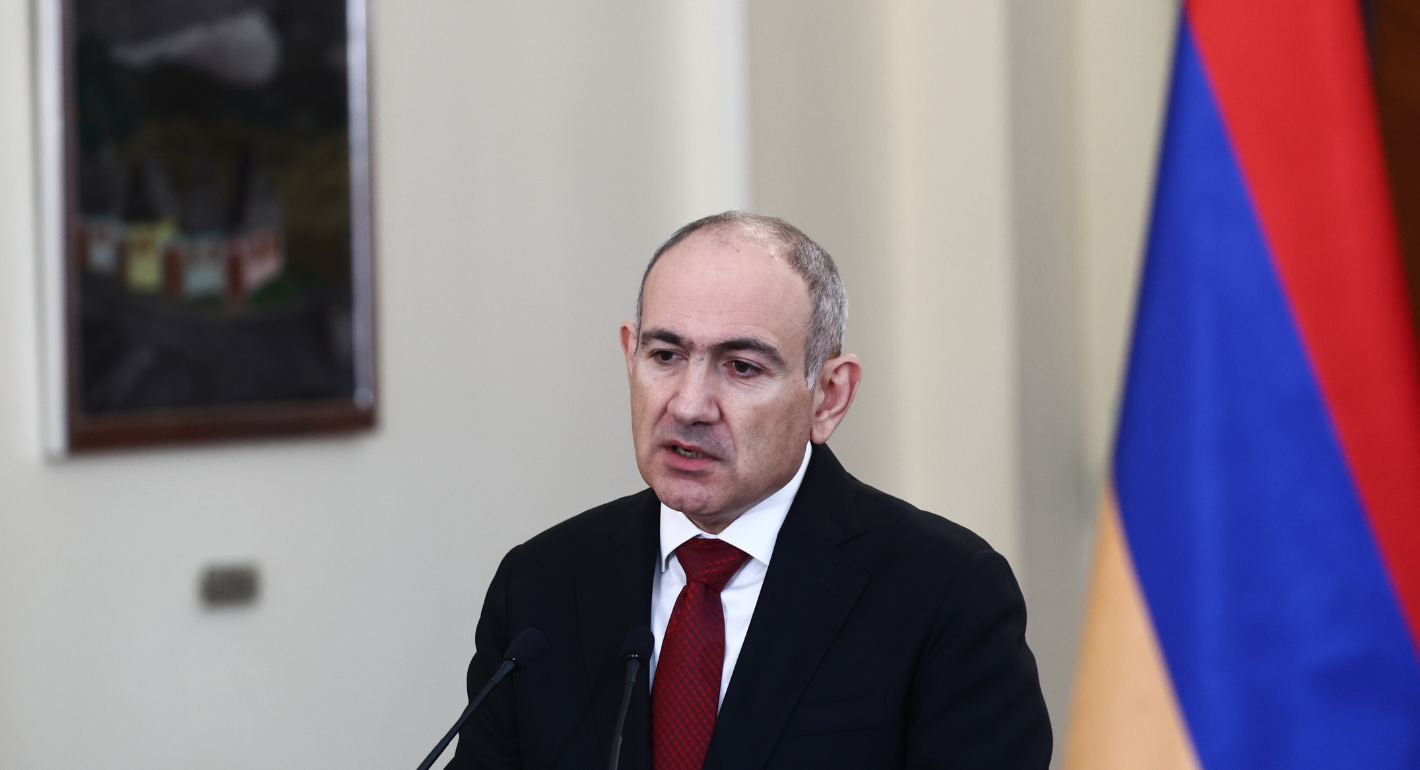
Europe has an interest in supporting Armenian leader Nikol Pashinyan as he tries to make peace with neighbors and loosen ties with Russia. But it is depersonalized support in the long term, not quickfire flash, that will win the day.

Thomas de Waal
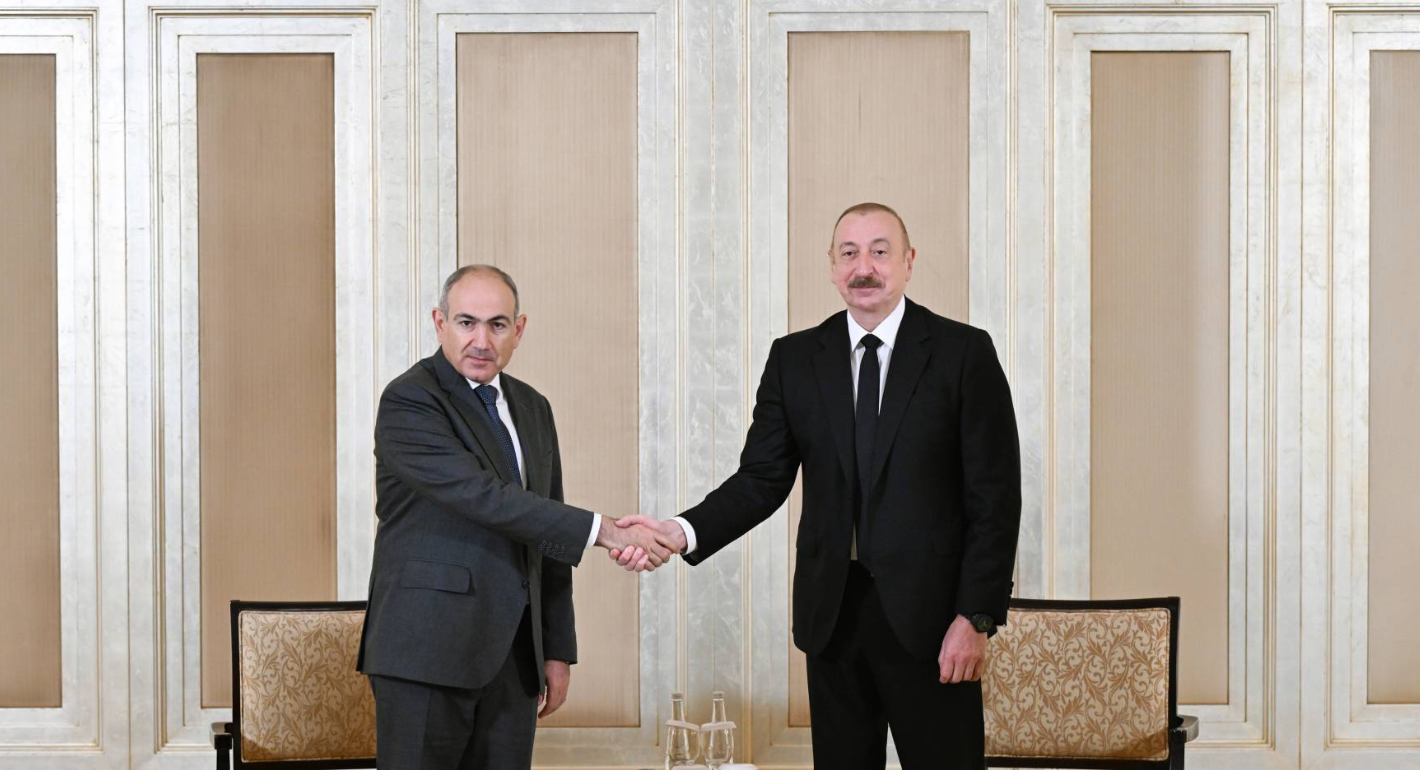
The U.S.-sponsored TRIPP deal is driving the Armenia-Azerbaijan peace process forward. But foreign and domestic hurdles remain before connectivity and economic interdependence can open up the South Caucasus.
Thomas de Waal, Areg Kochinyan, Zaur Shiriyev
The war in Ukraine is costing Russia its leverage overseas. Across the South Caucasus and Middle East, this presents an opportunity for Europe to pick up the pieces and claim its own sphere of influence.

William Dixon, Maksym Beznosiuk
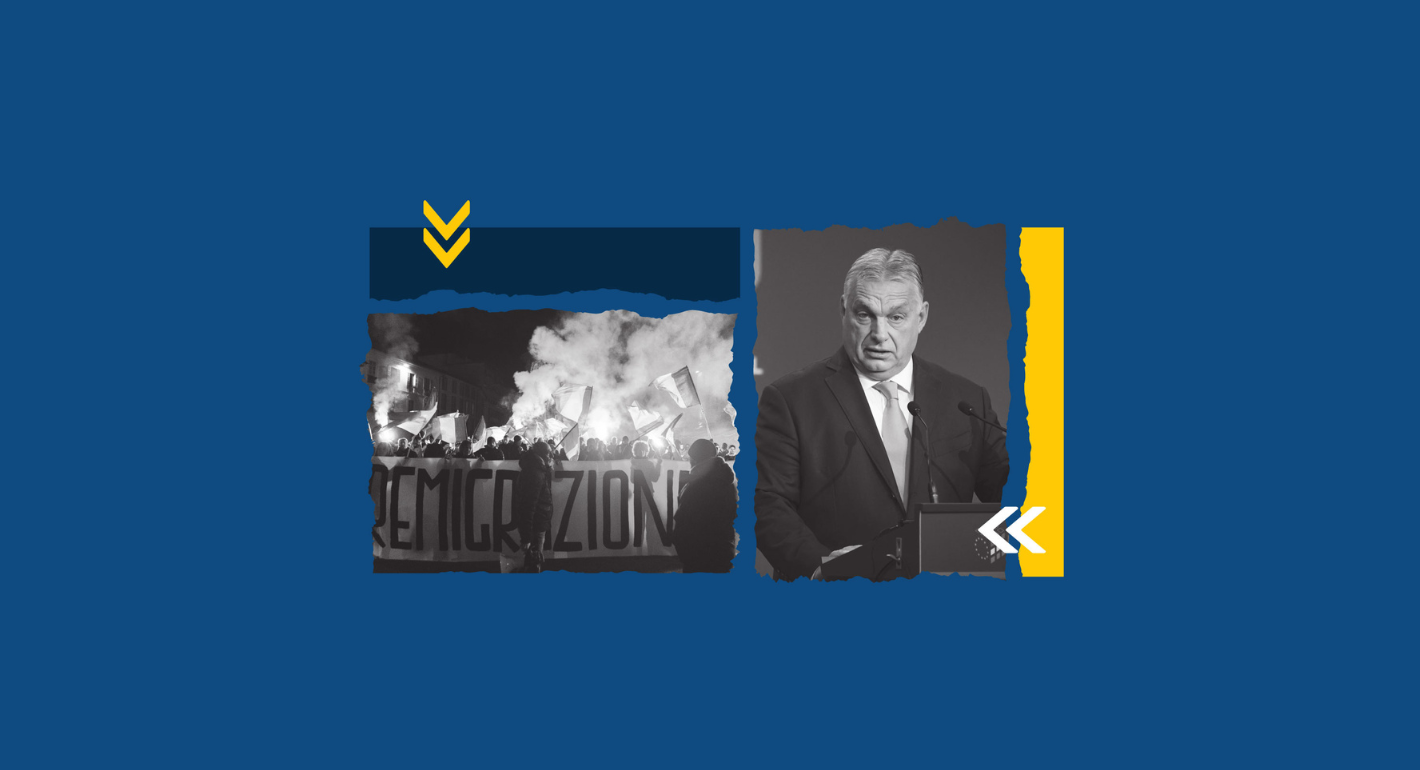
Amid increased polarization and the influence of disinformation, radical-right parties are once again gaining traction across Europe. With landmark elections on the horizon in several countries, are the EU’s geostrategic vision and fundamental values under existential threat?

Catherine Fieschi, Cas Mudde

French President Emmanuel Macron has unveiled his country’s new nuclear doctrine. Are the changes he has made enough to reassure France’s European partners in the current geopolitical context?

Rym Momtaz, ed.