• Research
  • Strategic Europe
  • About
  • Experts
Carnegie Europe logoCarnegie lettermark logo
EUUkraine
  • Donate
{
  "authors": [
    "Jan Techau"
  ],
  "type": "other",
  "centerAffiliationAll": "",
  "centers": [
    "Carnegie Endowment for International Peace",
    "Carnegie Europe"
  ],
  "collections": [],
  "englishNewsletterAll": "",
  "nonEnglishNewsletterAll": "",
  "primaryCenter": "Carnegie Europe",
  "programAffiliation": "",
  "programs": [],
  "projects": [],
  "regions": [
    "Europe"
  ],
  "topics": [
    "Foreign Policy"
  ]
}
Source: Getty

Other
Carnegie Europe

Remembrance Day Lecture

Peace is achieved through a permanent balancing of diverging interests and an understanding that work toward peace will never end; it must be achieved again and again.

Link Copied
By Jan Techau
Published on Nov 10, 2012

Source: Flemish Parliament

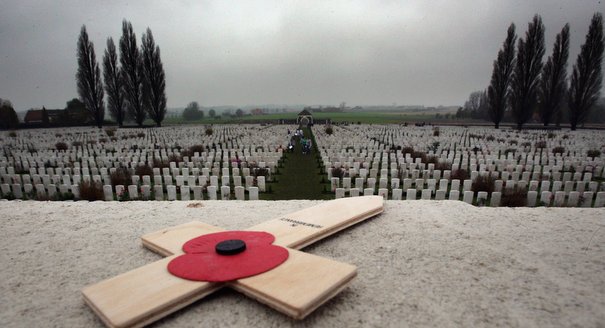
Each year, the Flemish Peace Institute, the Peace Fund of the City of Ypres, and the In Flanders Fields Museum commemorate the end of the First World War with a Remembrance Day Lecture. This year, Carnegie’s Jan Techau was invited to discuss his thoughts on war and peace on the eve of Armistice Day. Techau took this opportunity to discuss the process of peace in Europe and beyond.
Highlights

  • Peace: Techau argued that peace, like health, is not an end state, but a continuous process. It is achieved through a permanent balancing of diverging interests and an understanding that work toward peace will never end; it must be achieved again and again.
     
  • Europe and the Process of Peace: The EU is an ideal example of “peace as a process” rather than a “peace process,” Techau said. The EU created a mechanism to address and resolve past problems by applying commonly accepted rules that remove causes of conflict and in turn produce peace. This contrasts with the currently failing Middle East peace process which lacks machinery and commonly accepted rules, and therefore is unable to solve problems, he added. He argued that Europe has not lost its intrinsic instabilities and is still capable of war, genocide, jealousy, inflated nationalism, disregard for minorities, territorial disputes, racism, a lack of compassion, and other negative qualities, but it has the mechanisms to fight these negative trends.
     
  • Europe and the World: Techau explained that over the last 60 years, Europe has focused on internal peace. It has shown little concern for its external role, as it outsourced its global strategic engagements to the United States in order to focus on pacifying itself. However, as U.S. defense priorities shift and EU integration with the world is becoming more profound, Europe is no longer able to continue to carry on this way, Techau contended. He stressed that Europe’s peace, wealth, freedom, and stability are no longer upheld internally, and Europe must look externally if it wants to maintain internal peace. He argued that Europe must become a more unified, stronger, and more self-confident global player, with a foreign policy and strategy, the means to implement them, and a willingness to tackle the tricky issues. Techau added that in order to maintain peace in a world that is increasingly interconnected, it is imperative that Europe go global with its peace mechanism.
     
  • An Ambitious Europe: The problem, according to Techau, is less a lack of money and attention span than a lack of ambition. He defined this ambition as the will to survive, the aspiration to look at facts and developments in the world, and to do something about the issues coming Europe’s way. Lack of ambition results in a lack of solidarity, Techau said. Europe needs an ambitious foreign policy, not to dominate, but to survive. Techau concluded that Europe needs to be a force for good in the world, because few others want to be that, and few others can.

About the Author

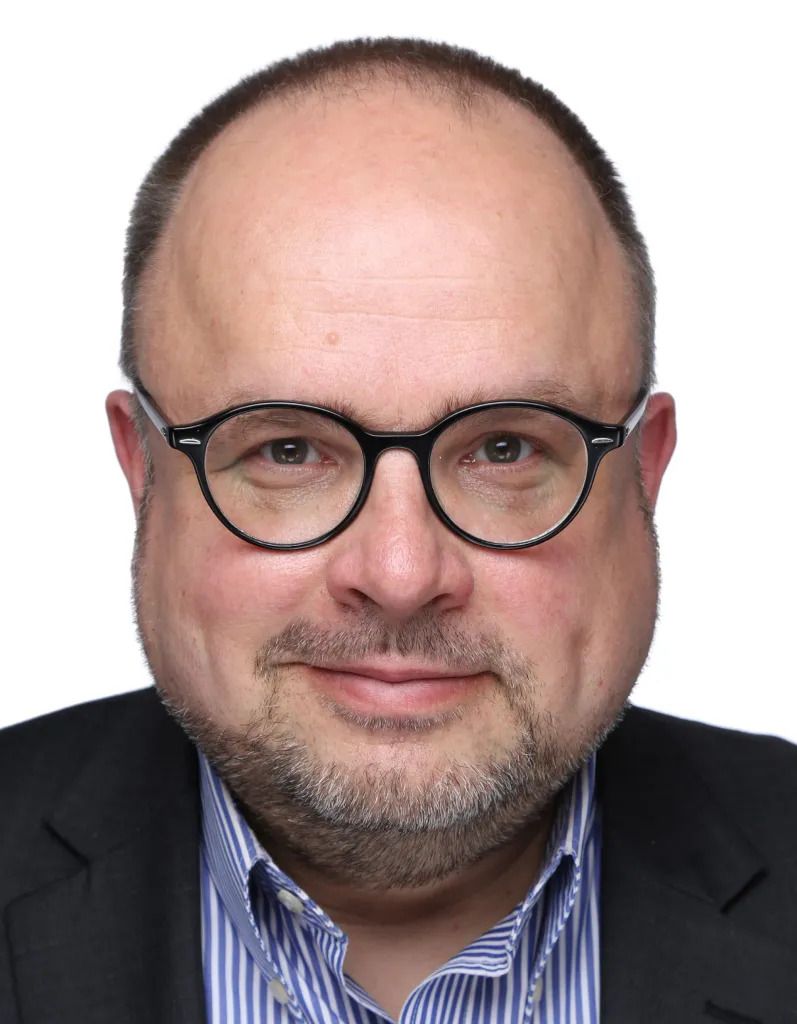
Jan Techau

Director, Europe Team, Eurasia Group

Techau is director with Eurasia Group's Europe team, covering Germany and European security from Berlin. Previously, he was director of Carnegie Europe.

    Recent Work
  • Commentary
    Can Europe Trust the United States Again?

      Nathalie Tocci, Jan Techau

  • Commentary
    Pre-Reformation Europe and the Coming Schism

      Jan Techau

Jan Techau
Director, Europe Team, Eurasia Group
Jan Techau
Foreign PolicyEurope

Carnegie does not take institutional positions on public policy issues; the views represented herein are those of the author(s) and do not necessarily reflect the views of Carnegie, its staff, or its trustees.
More Work from Carnegie Europe

  • Commentary
    Strategic Europe
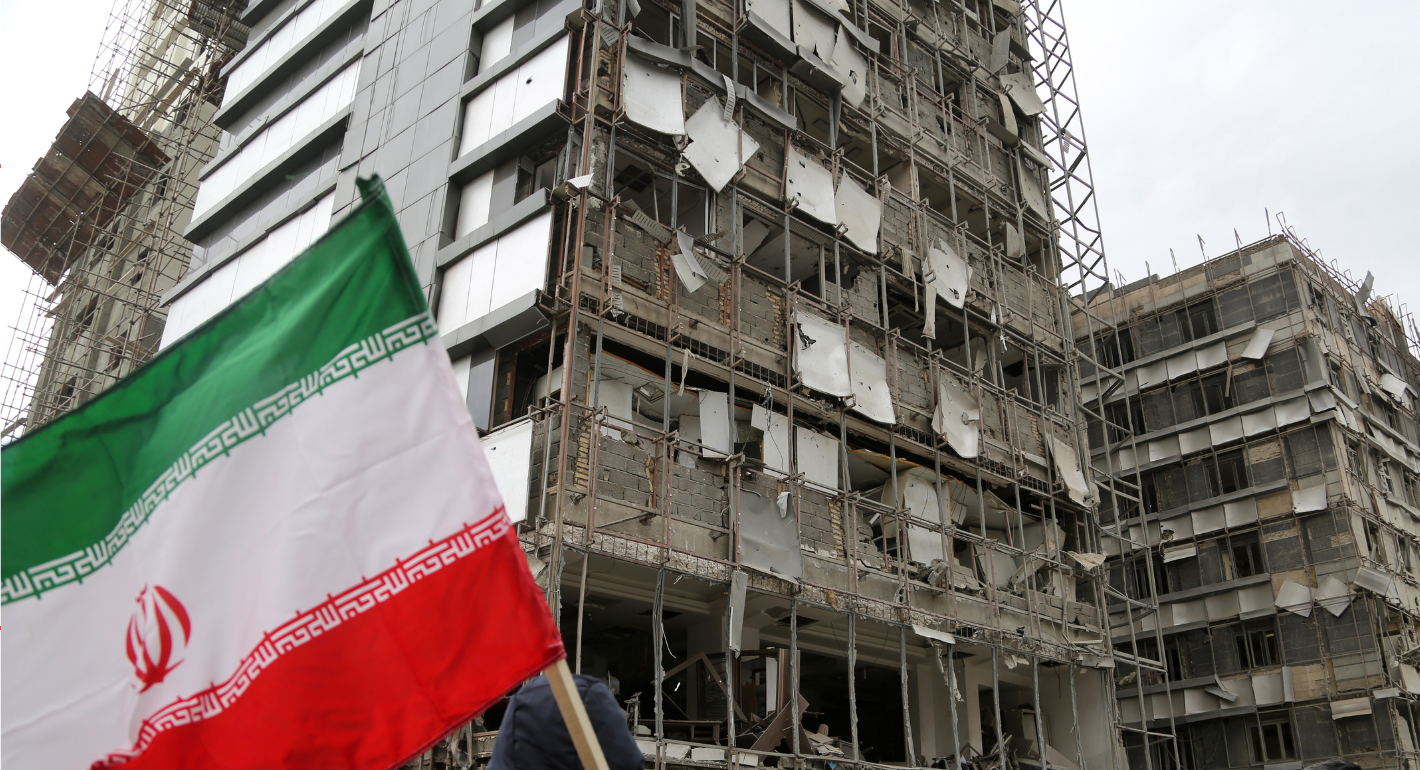
    Europe on Iran: Gone with the Wind

    Europe’s reaction to the war in Iran has been disunited and meek, a far cry from its previously leading role in diplomacy with Tehran. To avoid being condemned to the sidelines while escalation continues, Brussels needs to stand up for international law.

      Pierre Vimont
  • Commentary
    Strategic Europe
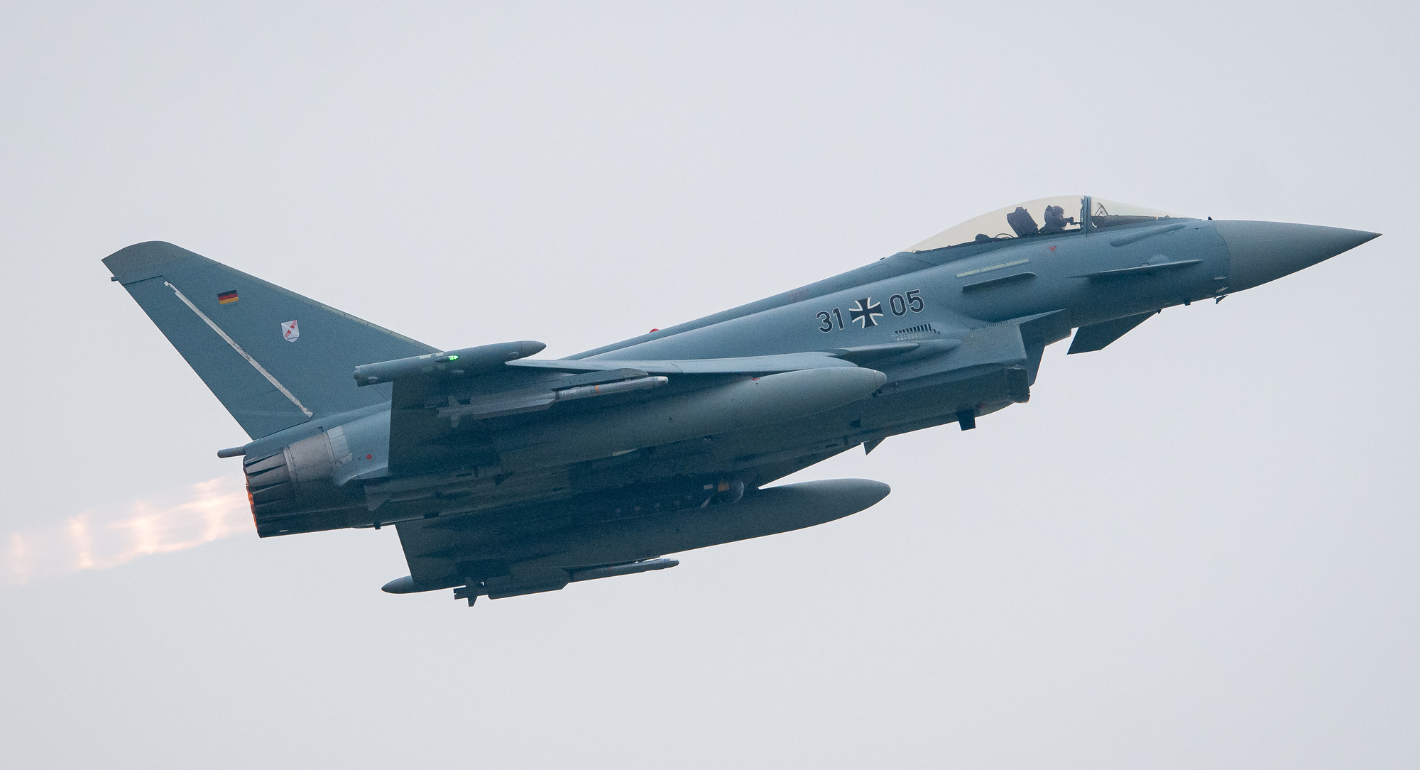
    Taking the Pulse: Can European Defense Survive the Death of FCAS?

    France and Germany’s failure to agree on the Future Combat Air System (FCAS) raises questions about European defense. Amid industrial rivalries and competing strategic cultures, what does the future of European military industrial projects look like?

      • Rym Momtaz

      Rym Momtaz, ed.

  • Commentary
    Strategic Europe
    Macron Makes France a Great Middle Power

    France has stopped clinging to notions of being a great power and is embracing the middle power moment. But Emmanuel Macron has his work cut out if he is to secure his country’s global standing before his term in office ends.

      • Rym Momtaz

      Rym Momtaz

  • Commentary
    How Can Europe Renew a Stalled Enlargement Process?

    Despite offering security benefits to candidates and the EU alike, the enlargement agenda appears stalled. Why is progress not being made, and is it time for Europe to rethink its approach?
      Sylvie Goulard, Gerald Knaus
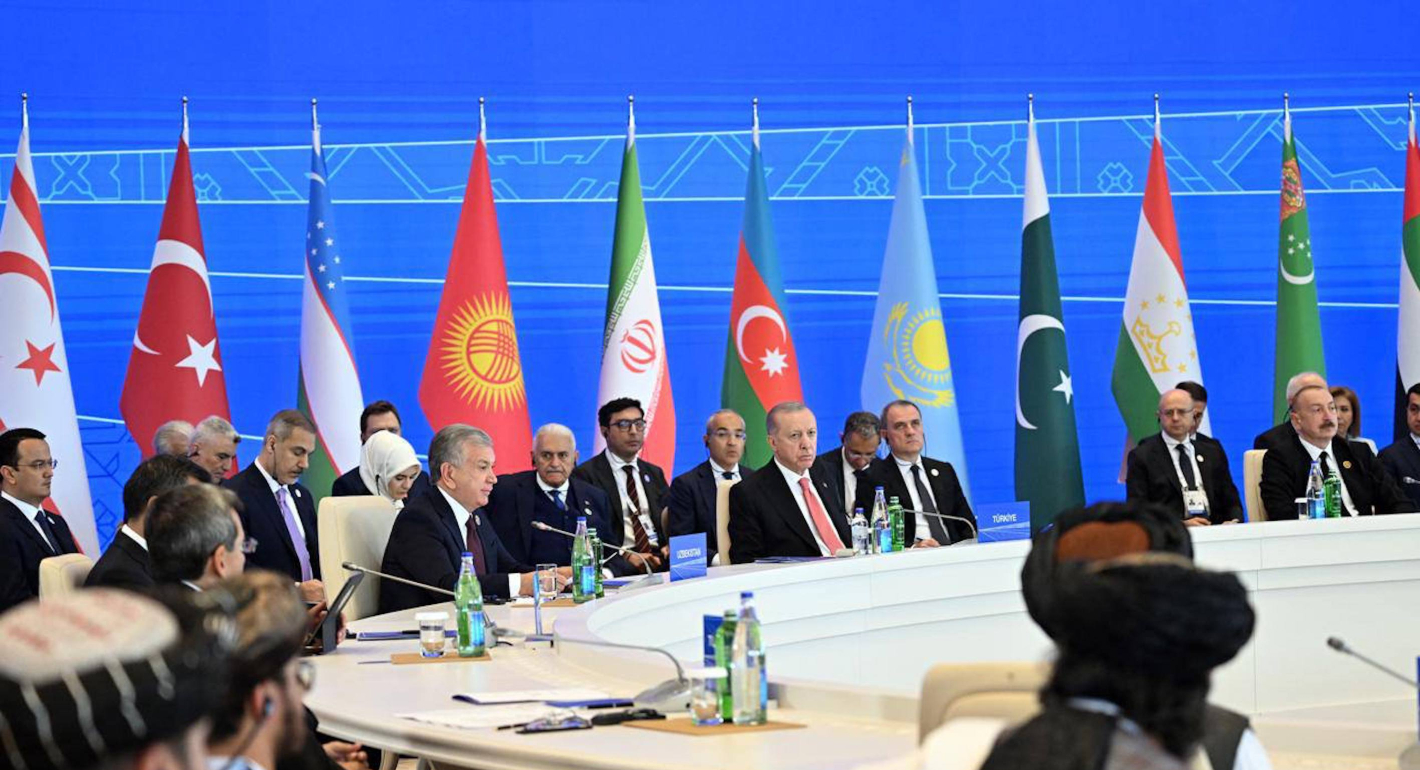
  • Turkey Erdogan Caucasus Central Asia
    Article
    How Turkey Can Help the Economies of the South Caucasus to Diversify

    Over the past two decades, regional collaboration in the South Caucasus has intensified. Turkey and the EU should establish a cooperation framework to accelerate economic development and diversification.

      • Feride Inan
      • Güven Sak
      • Berat Yücel

      Feride İnan, Güven Sak, Berat Yücel

Get more news and analysis from
Carnegie Europe
Carnegie Europe logo, white
Rue du Congrès, 151000 Brussels, Belgium
  • Research
  • Strategic Europe
  • About
  • Experts
  • Projects
  • Events
  • Contact
  • Careers
  • Privacy
  • For Media
  • Gender Equality Plan
Get more news and analysis from
Carnegie Europe
© 2026 Carnegie Endowment for International Peace. All rights reserved.