

Research
- +10
Rosa Balfour, Frances Z. Brown, Yasmine Farouk, …
{
  "authors": [
    "Moisés Naím"
  ],
  "type": "legacyinthemedia",
  "centerAffiliationAll": "",
  "centers": [
    "Carnegie Endowment for International Peace"
  ],
  "collections": [],
  "englishNewsletterAll": "",
  "nonEnglishNewsletterAll": "",
  "primaryCenter": "Carnegie Endowment for International Peace",
  "programAffiliation": "",
  "programs": [],
  "projects": [],
  "regions": [
    "North America"
  ],
  "topics": [
    "Political Reform",
    "Economy",
    "Global Governance"
  ]
}
Source: Getty
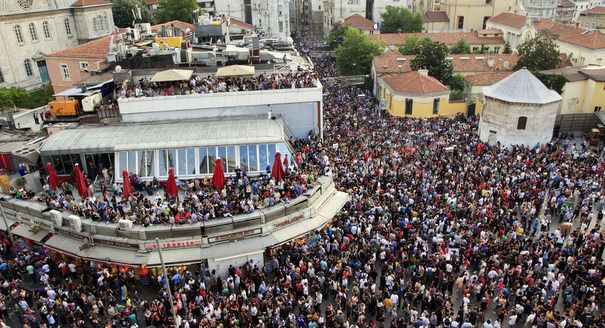
The “hyper-connecting” of the world has led to a profusion of people, countries, and institutions. However, this has come at the expense of those who held a high concentration of power.
Source: NYT Conferences
Speaking to Thomas Friedman of the New York Times, Carnegie’s Moisés Naím explained that the “hyper-connecting” of the world has led to a profusion of people, countries, and institutions. Today, more people are living in cities than on farms, as urbanization has grown faster than ever before. Moreover, the planet’s population is the youngest it has ever been. Tourism reached the 1 billion mark, with people moving from one country to another 37 percent more than a decade ago. Naím argued that this profusion has led to the erosion of the power of the most influential institutions, bosses, and leaders. In order to have power, an actor needs to have something special to shield it from competitors. The more, mobility, and mentality revolutions are challenging those in power, and all barriers are being undermined by them, asserted Naím.
Recent social movements have further challenged the legitimacy of these high power- yielding institutions. The movements have been successful in disrupting the current system, but have not been successful in organizing a solution. All of these widespread movements have a number of grievances—including quality of life, quality of housing, and inequality. These are all challenges that are very difficult to address immediately by an action-oriented political movement, Naím concluded.

Distinguished Fellow
Moisés Naím is a distinguished fellow at the Carnegie Endowment for International Peace, a best-selling author, and an internationally syndicated columnist.
Recent Work



Rosa Balfour, Frances Z. Brown, Yasmine Farouk, …
Moisés Naím
Carnegie does not take institutional positions on public policy issues; the views represented herein are those of the author(s) and do not necessarily reflect the views of Carnegie, its staff, or its trustees.
Between the United States’ market-driven approach and China's state-led industrial strategy, Europe is reckoning with how it can remain competitive in the global economy. But is Europe in danger of becoming a U.S. or China colony?
Noah Barkin, Anu Bradford
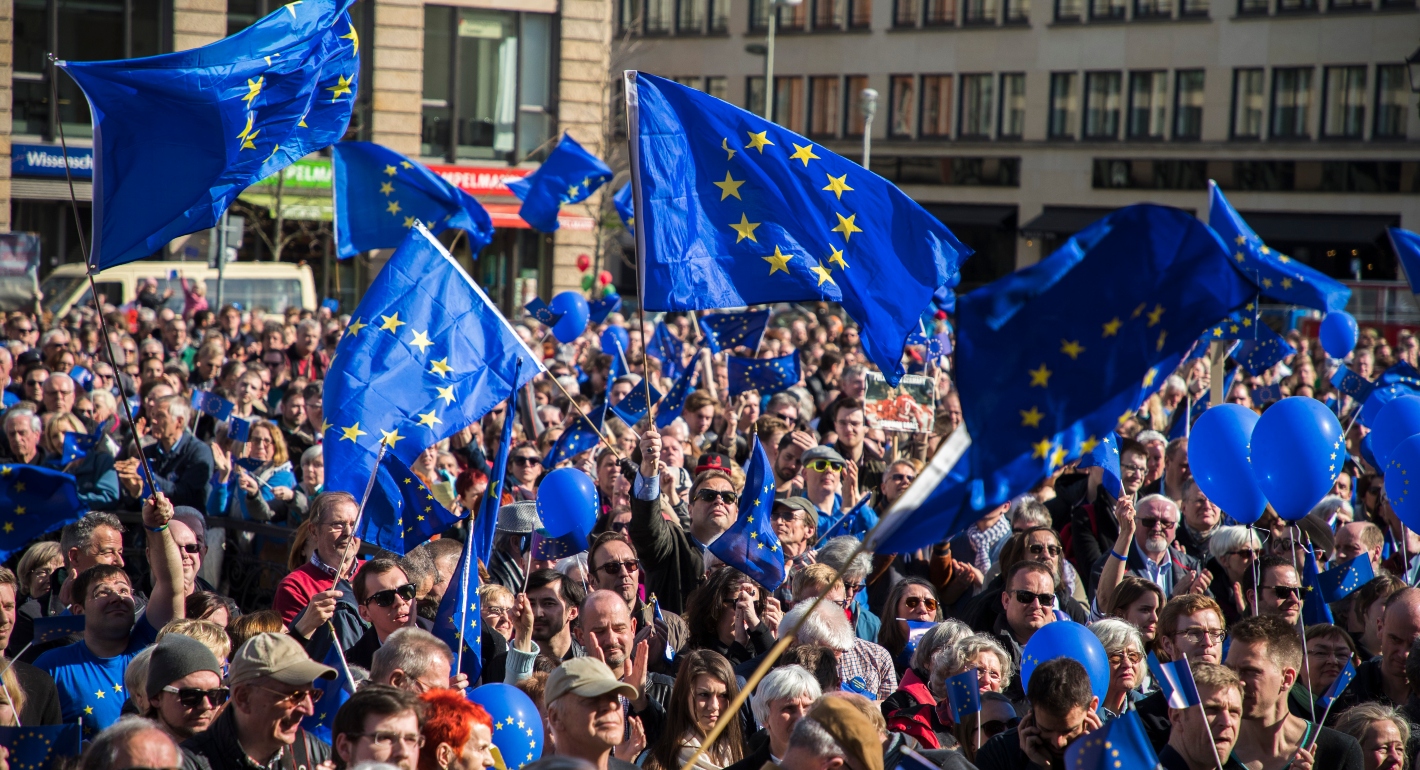
Preparing candidate countries for EU membership is no longer enough. As the enlargement process becomes a reality, the union must also prepare its own societies.

Iliriana Gjoni
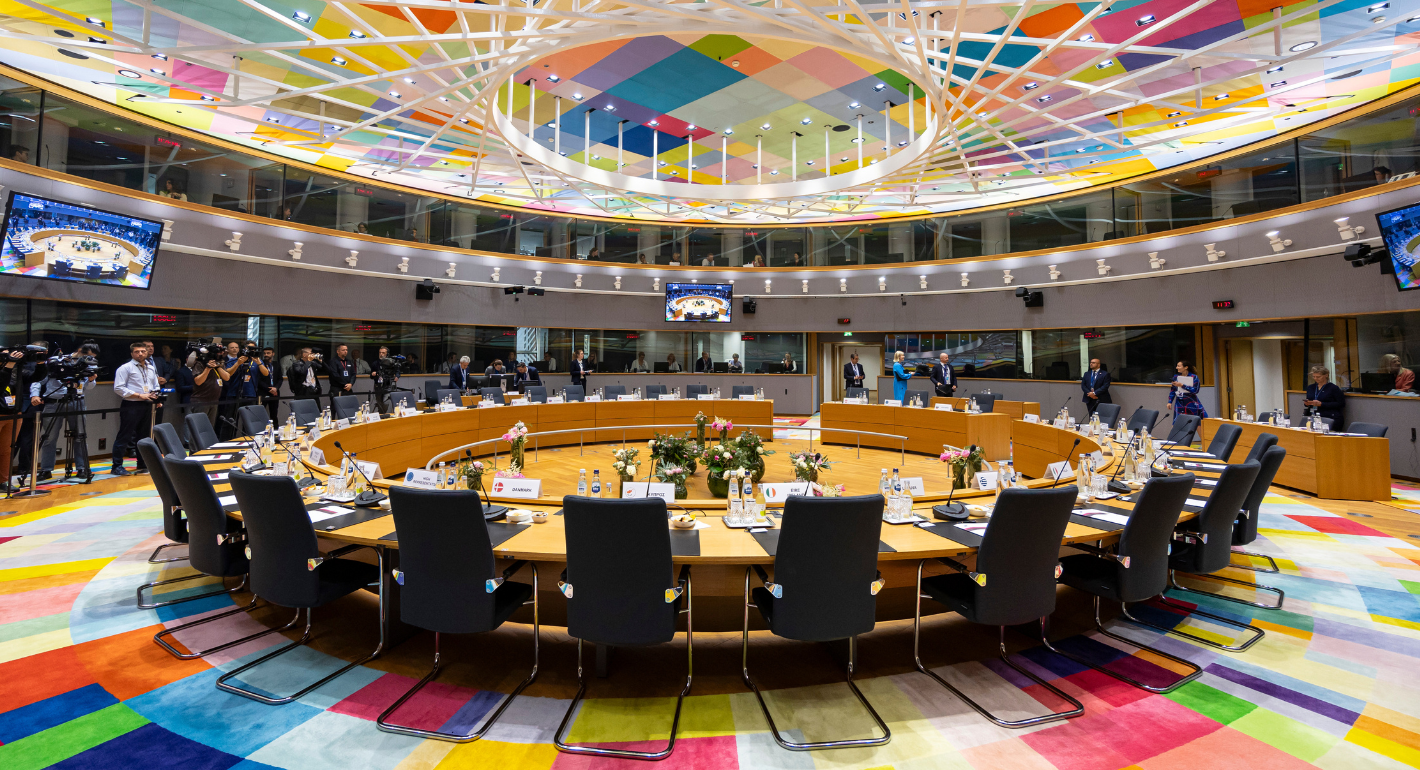
Countries face several hurdles in joining the EU, including the final stage of ratifying their accession treaties. Procedural reforms and substantive adjustments could help move the process forward.

Stefan Lehne
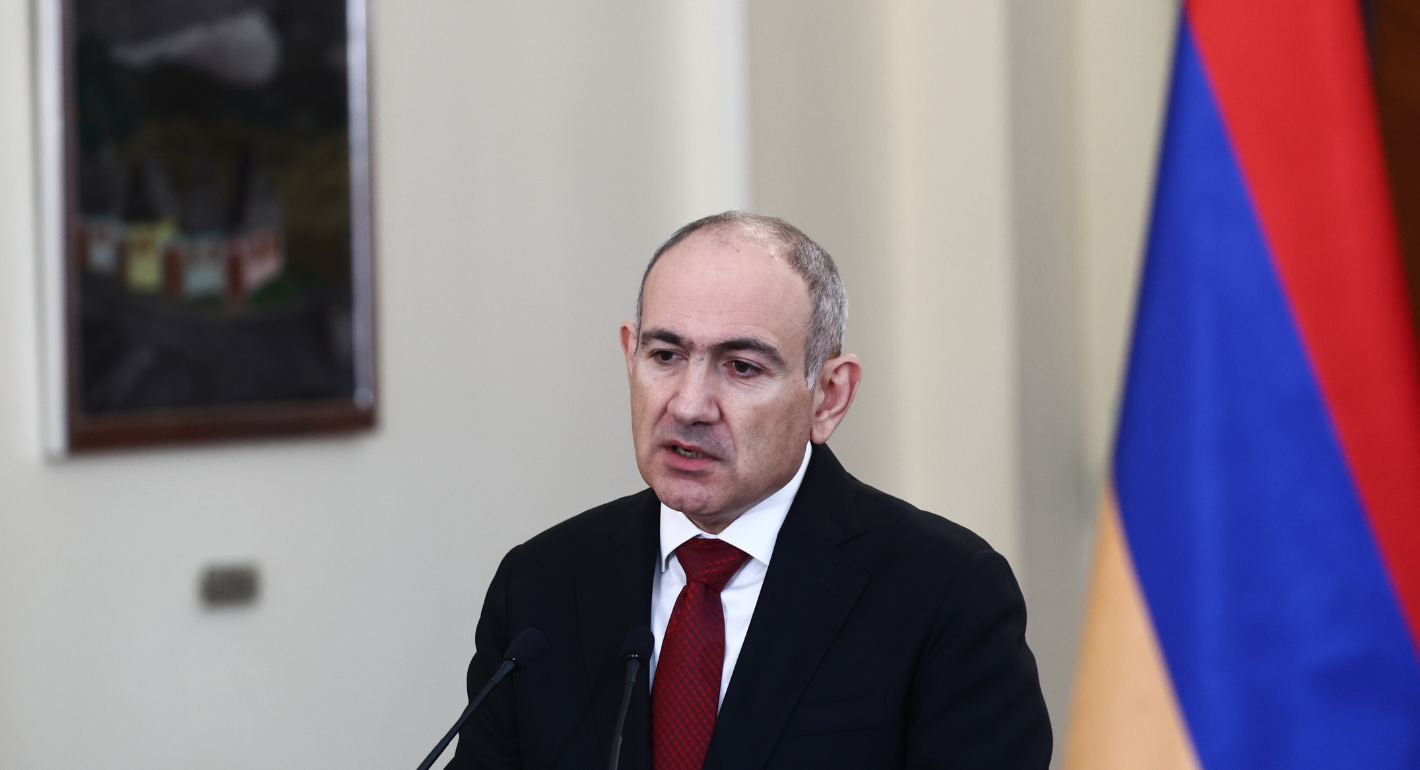
Europe has an interest in supporting Armenian leader Nikol Pashinyan as he tries to make peace with neighbors and loosen ties with Russia. But it is depersonalized support in the long term, not quickfire flash, that will win the day.

Thomas de Waal
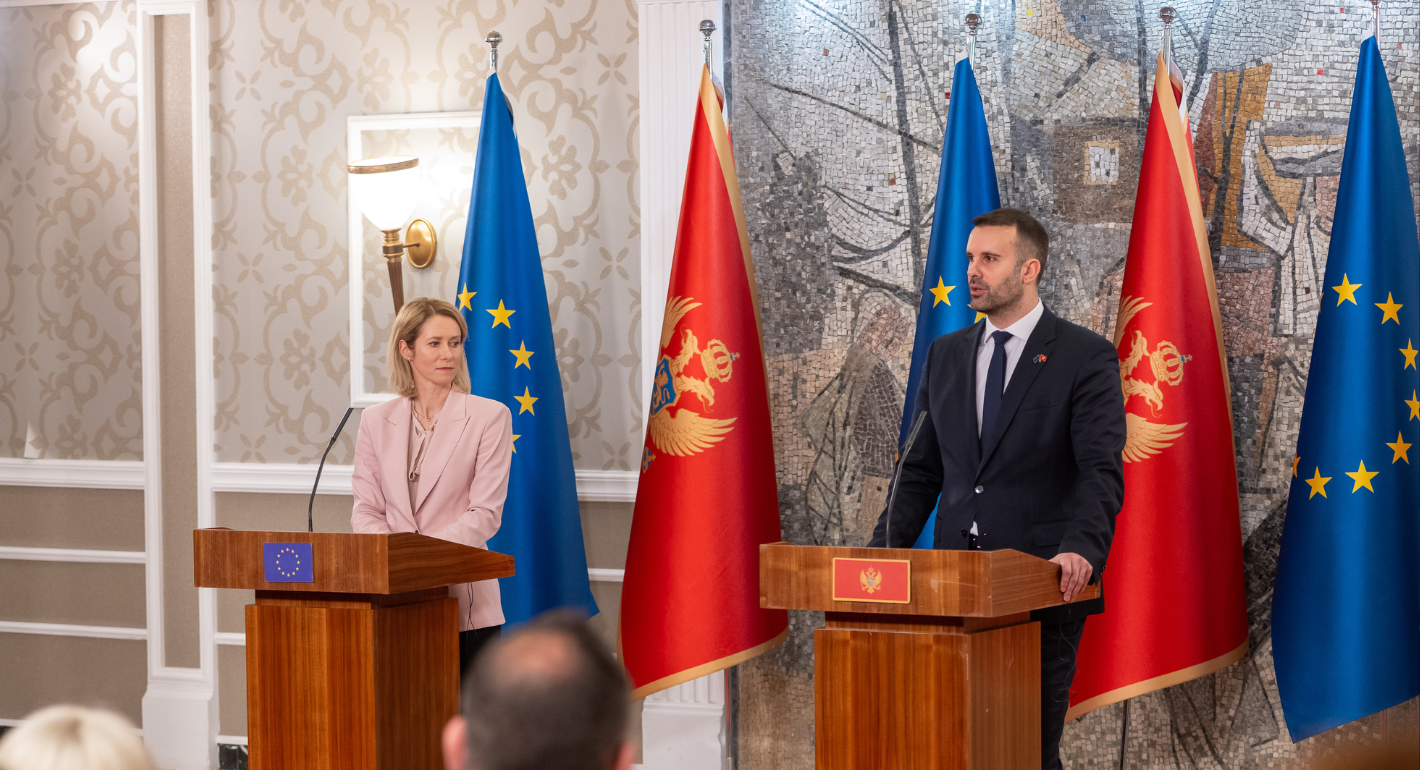
Montenegro and Albania are frontrunners for EU enlargement in the Western Balkans, but they can’t just sit back and wait. To meet their 2030 accession ambitions, they must make a strong positive case.

Dimitar Bechev, Iliriana Gjoni