

Commentary
Dmitri Trenin
{
  "authors": [
    "Dmitri Trenin"
  ],
  "type": "commentary",
  "centerAffiliationAll": "",
  "centers": [
    "Carnegie Endowment for International Peace",
    "Carnegie Russia Eurasia Center"
  ],
  "collections": [],
  "englishNewsletterAll": "",
  "nonEnglishNewsletterAll": "",
  "primaryCenter": "Carnegie Russia Eurasia Center",
  "programAffiliation": "",
  "programs": [],
  "projects": [
    "Eurasia in Transition"
  ],
  "regions": [],
  "topics": []
}
Source: Getty
The United Nations is a recognized platform for debate, but its performance depends on its key members actually working together.
The UN inspectors’ report on the chemical attack near Damascus on August 21 did not assign blame to a particular party. Yet, this is precisely the question which most people are most interested in. For the United States and its allies the circumstantial evidence is enough to implicate the Assad regime. Russia, for its part, has not only expressed serious doubts, but, after consultations with the Syrian government, has presented evidence which it insists is pointing in the other direction. Moreover, Moscow and the Western capitals are again at loggerheads whether military force may be used according to Chapter VII of the UN Charter in case Damascus does not live up to its new commitments on chemical disarmament.
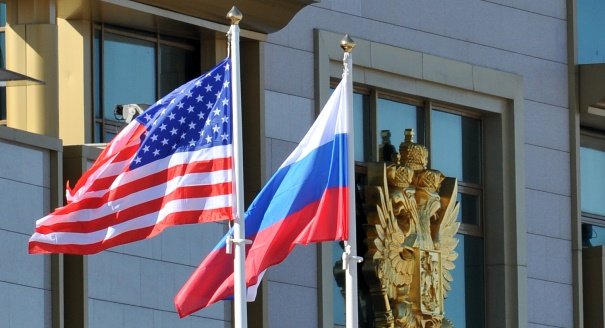
This is hardly surprising. The Geneva agreement between the United States and Russia does not mean that either side has changed its basic positions on the right to the use of force and protection of people vs. protection of sovereignty, or on its attitude to the Assad regime. Washington and Moscow are as far apart as ever with regard to political settlement in Syria. The two sides only agree about the need to take chemical weapons out of the equation. Tellingly, President Putin’s outreach to the American people has produced a pushback from most members of the U.S. political class and opinion leaders.
This week, Russia’s state-run television has been celebrating Moscow’s achievement, during the Geneva talks on Syria, of “diplomatic parity” with Washington. It feels almost as a throwback to a time four decades ago when the Soviet Union gained strategic parity with the United States. It would make sense to hold off on champagne, however. For Moscow to become a recognized purveyor of regional and global public goods a long and hard slog lies ahead. No doubt this is the right goal, and the road needs to be covered. Syria, and the Middle East more broadly, is an unlikely place for quick fixes, and the implementation of the chemical weapons accord will take time and require a monumental effort. The United Nations is a recognized platform for debate, but its performance depends on its key members actually working together.
Former Director, Carnegie Moscow Center
Trenin was director of the Carnegie Moscow Center from 2008 to early 2022.
Recent Work
Dmitri Trenin
Dmitri Trenin
Carnegie does not take institutional positions on public policy issues; the views represented herein are those of the author(s) and do not necessarily reflect the views of Carnegie, its staff, or its trustees.