

Article
- +1
Toby Dalton, Mark Hibbs, Nicole Grajewski, …
{
  "authors": [
    "Mark Hibbs"
  ],
  "type": "legacyinthemedia",
  "centerAffiliationAll": "dc",
  "centers": [
    "Carnegie Endowment for International Peace",
    "Malcolm H. Kerr Carnegie Middle East Center"
  ],
  "collections": [],
  "englishNewsletterAll": "ctw",
  "nonEnglishNewsletterAll": "",
  "primaryCenter": "Carnegie Endowment for International Peace",
  "programAffiliation": "NPP",
  "programs": [
    "Nuclear Policy"
  ],
  "projects": [],
  "regions": [
    "Middle East",
    "Iran"
  ],
  "topics": [
    "Nuclear Policy",
    "Arms Control",
    "Nuclear Energy"
  ]
}
Source: Getty
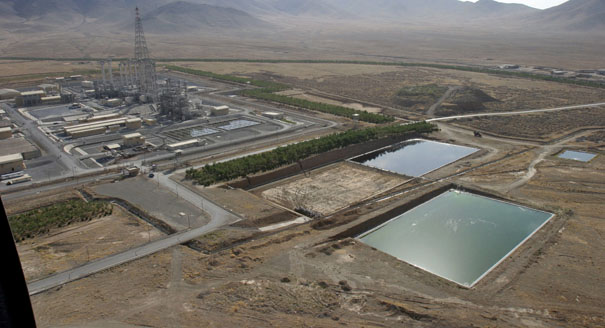
Despite undergoing some delays, Iran’s construction of a new heavy water reactor to the northwest of the city of Arak could eventually match the proliferation risk posed by the country’s uranium enrichment program.
Source: Jane’s Intelligence Review
Despite undergoing some delays, Iran's construction of a new heavy water reactor to the northwest of the city of Arak could eventually match the proliferation risk posed by the country's uranium enrichment programme.
In 2003, Iran informed the International Atomic Energy Agency (IAEA) of its intention to construct the heavy water Iran Nuclear Research Reactor (IR-40). At this time, the IAEA also learned that for nearly 20 years Iran had failed to declare many of its nuclear activities, including the secret development of gas centrifuges for use in the underground uranium enrichment facility at Natanz. Iran also informed the IAEA that the IR-40 would use uranium dioxide fuel, heavy water as a coolant and moderator, and would have a thermal output of 40 megawatts (MW).
Tehran's non-compliance with United Nations Security Council Resolution 1696 (2006) ordering the country to suspend its uranium enrichment programme and the IR-40 project has been the subject of negotiations between Iran and the P5+1 - the five permanent members of the Security Council (China, France, Russia, the United Kingdom, and the United States) plus Germany. Until recently, these negotiations have largely focused on containing Iran's uranium enrichment programme, particularly after Iran's disclosure of a second enrichment facility at Fordow, near the city of Qom, in 2009.However, as Iran makes incremental progress towards its completion, the IR-40 project is set to take centre stage in talks concerning the future of Iran's nuclear programme. Like Iran's uranium enrichment plants, the IR-40 represents a dual-use technology that could be applied for either peaceful purposes, such as medical research, or making weapons. Although Tehran claims the IR-40 is intended for research and making medical and commercial isotopes, it is also possible that the reactor could be used to obtain weapons-grade plutonium if Iran gains the capability to reprocess the irradiated fuel from the reactor.
Nevertheless, Iran faces challenges in the design, equipment procurement, and construction of an indigenous reactor of this type, especially given the international sanctions to which it is currently subjected (see box). This may account for some of the delays in the project.
In May 2013, Iran informed the IAEA that it would begin operating the IR-40 in the third quarter of 2014. However, just a few months later, according to an IAEA report to its Board of Governors on 28 August 2013, Iran said it would no longer meet that schedule, although it gave no explanation for the delay.
Looming before any start-up date, however, are Israeli threats to undertake strikes against Iran's nuclear infrastructure unless diplomacy manages to halt Tehran's progress towards a latent nuclear weapons capability. In September 2012, Israeli prime minister Binyamin Netanyahu warned that Iran would cross a "red line" if it produced enough 20%-enriched uranium for one nuclear weapon, and in May 2013 Netanyahu stated that the IR-40 reactor posed a "challenge" to Israel, claiming that Tehran intended to use it to "build a plutonium-based bomb". The P5+1 considers the prospect of Israel attacking the IR-40 before fuel is loaded in preparation for start-up as a credible scenario.
Whether Israel - or at some later time the US - would strike the IR-40 reactor is a matter of conjecture and probably depends upon several factors, including the outcome of ongoing negotiations and whether Iran will voluntarily restrain its nuclear progress under the leadership of newly elected president Hassan Rowhani, as well as an assessment of the proliferation risks posed by the reactor itself.
The full article is published in Jane's Intelligence Review.
Nonresident Senior Fellow, Nuclear Policy Program
Hibbs is a Germany-based nonresident senior fellow in Carnegie’s Nuclear Policy Program. His areas of expertise are nuclear verification and safeguards, multilateral nuclear trade policy, international nuclear cooperation, and nonproliferation arrangements.
Recent Work


Toby Dalton, Mark Hibbs, Nicole Grajewski, …
Mark Hibbs
Carnegie does not take institutional positions on public policy issues; the views represented herein are those of the author(s) and do not necessarily reflect the views of Carnegie, its staff, or its trustees.
When the U.S.-Iran memorandum of understanding was announced, the UK, France, Germany, and Italy declared their readiness to help demine the Strait of Hormuz and lift nuclear sanctions on Tehran. But does Europe need new tools to recover a diplomatic role?

Rym Momtaz, ed.
The EU’s new migration policy is not suited to today’s realities. With climate change increasingly becoming a driver of displacement, Europe needs to rethink its deterrence-focused approach.

Shana Tabak
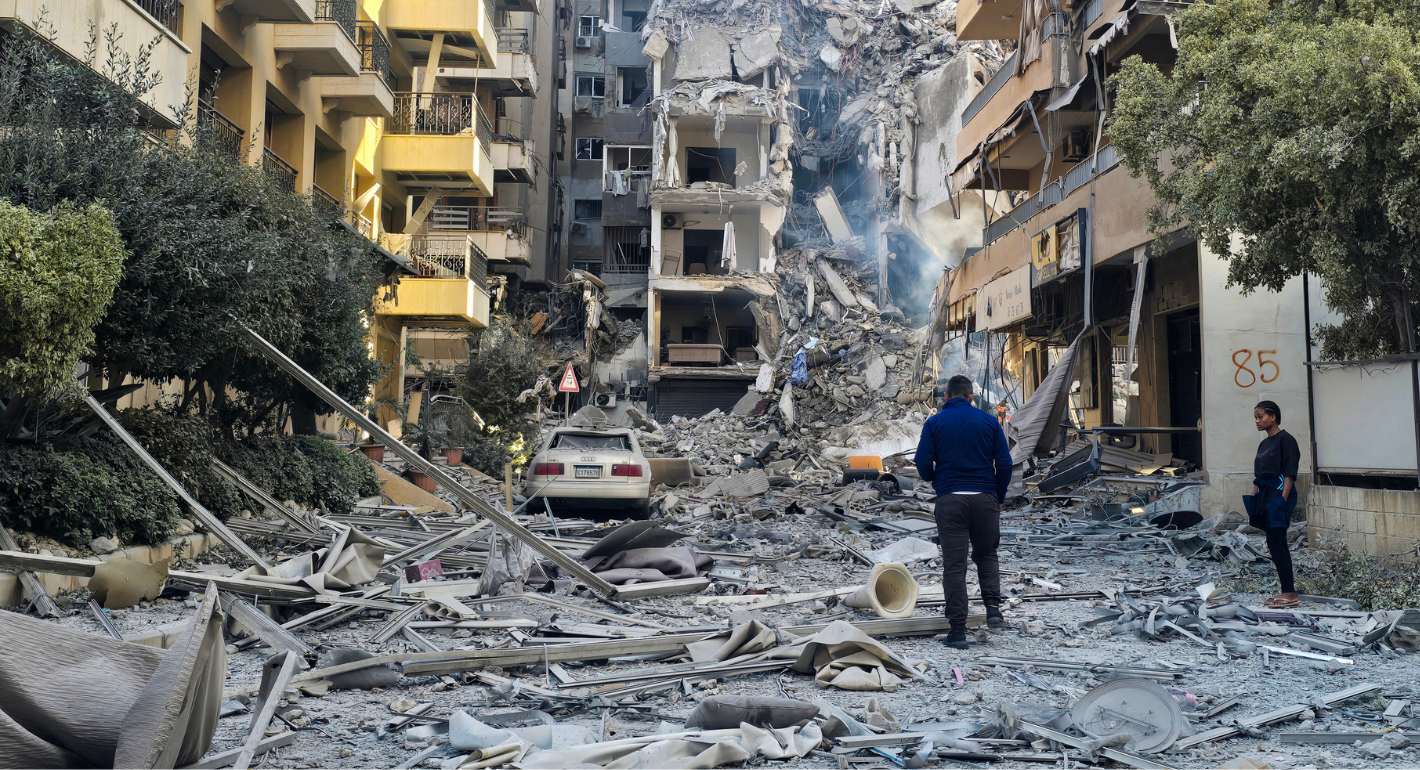
Europe seems to have accepted its sidelining in the Middle East. The EU must reassert its support for the international rules-based order and step up engagement.
Rym Momtaz
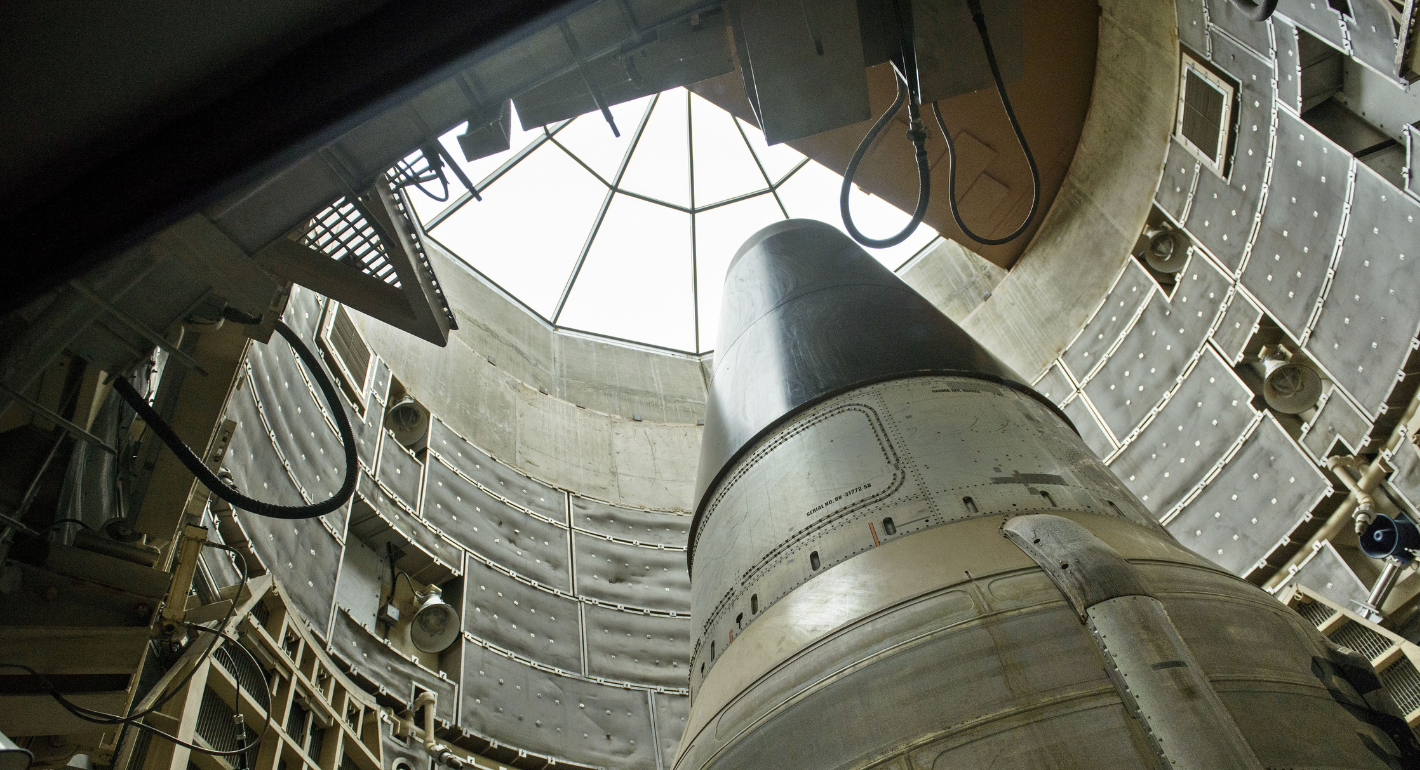
Amid uncertainty caused by the Iran war, the global drive for nonproliferation has stalled. With Europe diplomatically marginalized and countries reassessing their nuclear options, efforts to curb the spread of nuclear weapons risk becoming irrelevant.

Jane Darby Menton
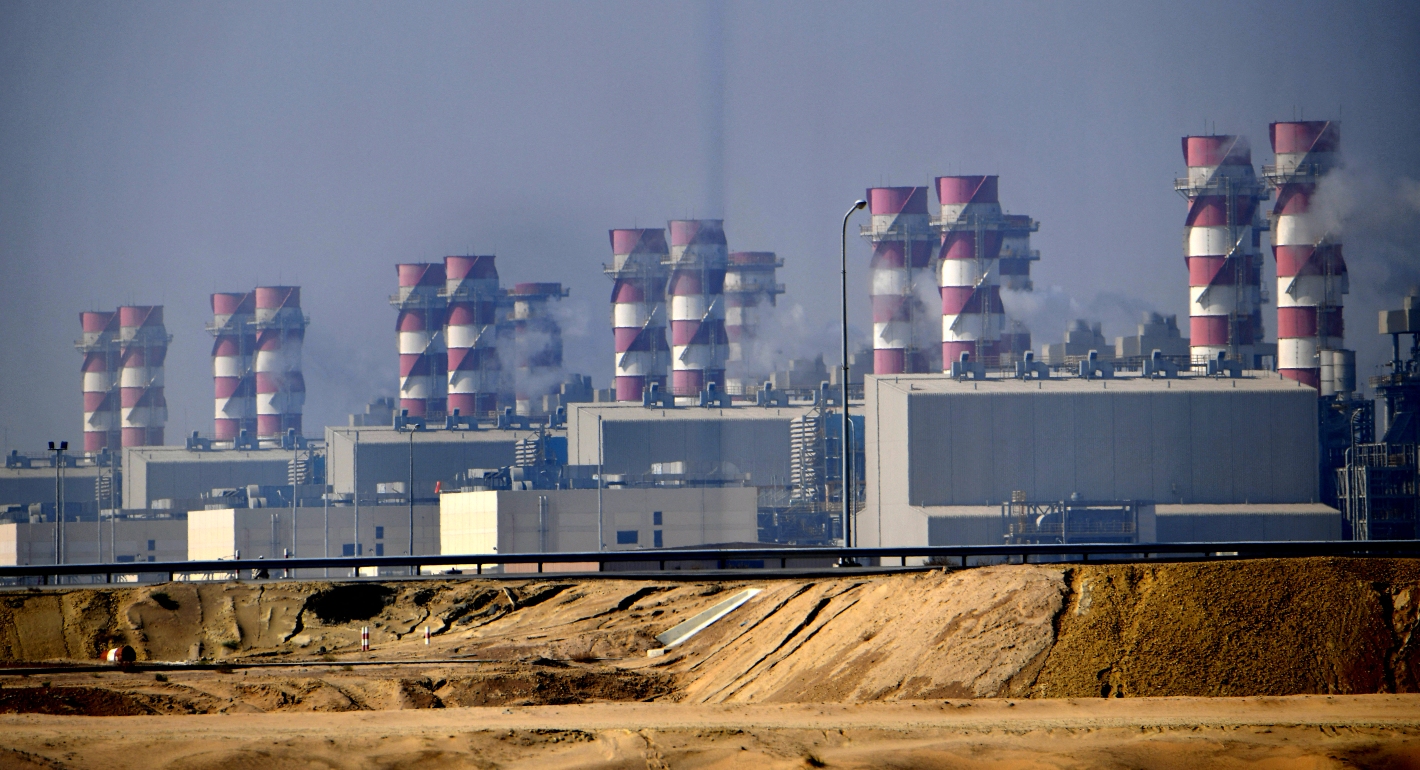
The U.S.-Iran war has crossed a dangerous threshold: water infrastructure in the Gulf is now a target. Ecological statecraft is no longer peripheral to security, it's part of its foundations.

Olivia Lazard, Ali Bin Shahid