

Article
- +1
Toby Dalton, Mark Hibbs, Nicole Grajewski, …
{
  "authors": [
    "Mark Hibbs"
  ],
  "type": "legacyinthemedia",
  "centerAffiliationAll": "dc",
  "centers": [
    "Carnegie Endowment for International Peace",
    "Malcolm H. Kerr Carnegie Middle East Center"
  ],
  "collections": [
    "Iranian Proliferation"
  ],
  "englishNewsletterAll": "ctw",
  "nonEnglishNewsletterAll": "",
  "primaryCenter": "Carnegie Endowment for International Peace",
  "programAffiliation": "NPP",
  "programs": [
    "Nuclear Policy"
  ],
  "projects": [],
  "regions": [
    "Middle East",
    "Iran"
  ],
  "topics": [
    "Nuclear Policy"
  ]
}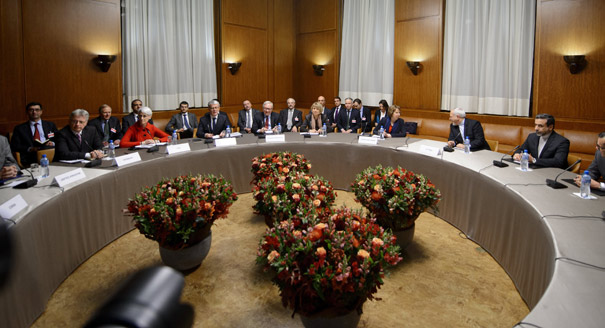
Source: Getty
The international community must be aware of the risks and opportunities inherent in a final deal over Iran’s nuclear program.
Source: Bulletin of the Atomic Scientists
The agreement reached in Geneva has been widely received with approval and some relief, including by myself, for very good reasons. The deal gives us a baseline for building confidence toward the longer-term goal of reducing the threat that Iran will become a nuclear-armed state. Without such an initial understanding with Iran on how to proceed in this direction, the ultimate logic of Iran’s uninterrupted nuclear development is that the United States and Israel will edge toward a war with Iran.
The agreement made in Geneva, however, stands between aspirations and hard realities. The aspirations are for an Iran that negotiates with the P5+1 powers a comprehensive and permanent solution to the crisis. The endgame would be an Iran that is in the NPT, in full compliance with its obligations, and that enjoys a “broader conclusion” from the IAEA that its nuclear program is fully understood and exclusively dedicated to peaceful use, and without a virtual nuclear weapon capability. In return, Iran would no longer be under sanctions, and, to the extent possible, it would have a cooperative relationship with the United States and other Western powers.The hard realities include the possibility that, on the basis of its previous behavior, Iran may see the initial agreement as yet another opportunity to buy time, to continue developing and adding to its sensitive nuclear capabilities, and to leverage these assets in interminable negotiations with the powers that do not result in a final long-term accord commiting Iran to limits on the scope and extent of its sensitive nuclear activities.
If Iran sees the value of fully complying with the terms of the initial agreement, and the US administration is permitted by the US Congress to respond by negotiating, concluding, and bringing into force with Iran a long-term agreement, we may turn the corner on the Iran nuclear crisis. If instead Iran sees the initial agreement as a tactical opportunity to keep on a trajectory of accumulating more sensitive nuclear assets, the crisis will continue, and Iran’s leverage may increase.
This article was originally published in Bulletin of the Atomic Scientists.

Nonresident Senior Fellow, Nuclear Policy Program
Hibbs is a Germany-based nonresident senior fellow in Carnegie’s Nuclear Policy Program. His areas of expertise are nuclear verification and safeguards, multilateral nuclear trade policy, international nuclear cooperation, and nonproliferation arrangements.
Recent Work

Toby Dalton, Mark Hibbs, Nicole Grajewski, …
Mark Hibbs
Carnegie does not take institutional positions on public policy issues; the views represented herein are those of the author(s) and do not necessarily reflect the views of Carnegie, its staff, or its trustees.
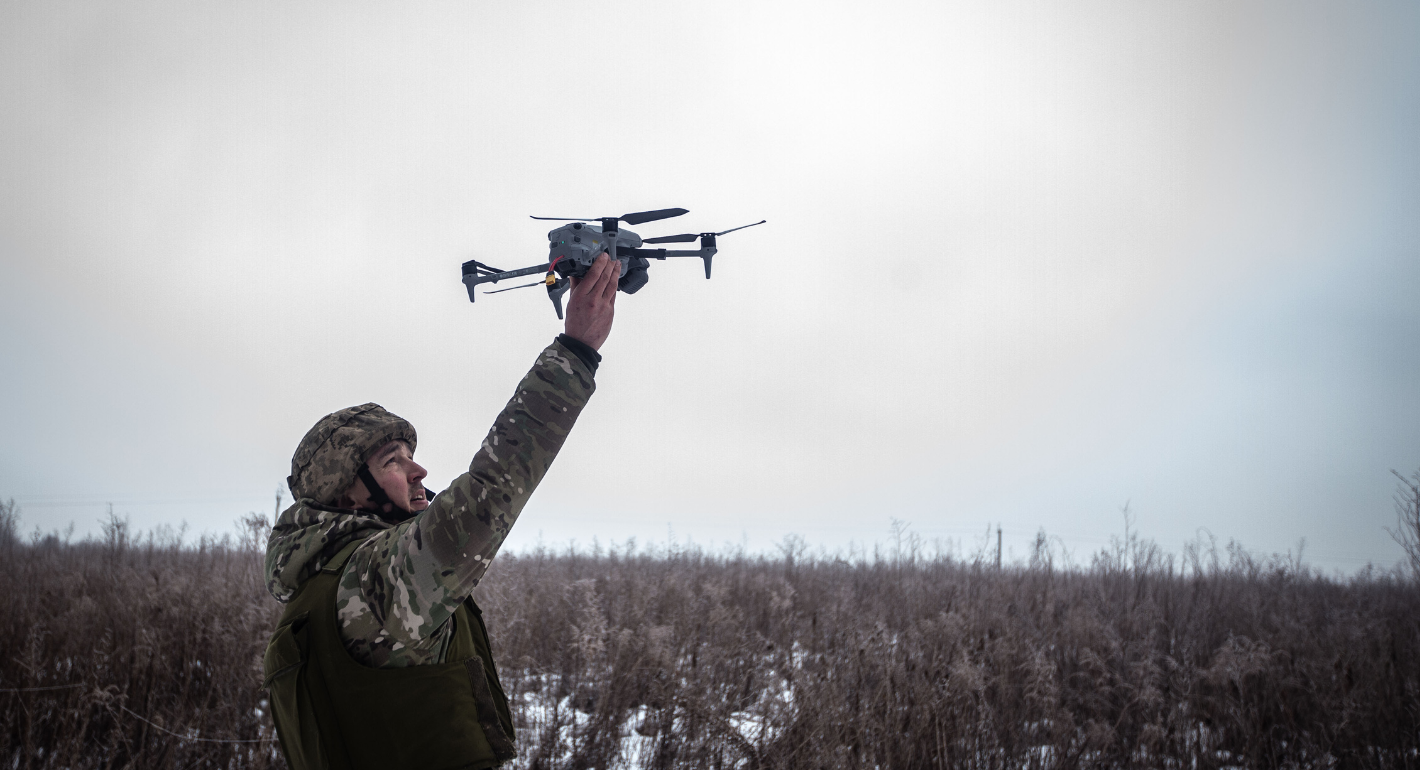
In Ukraine, Gaza, and Iran, AI warfare has come to dominate, with barely any oversight or accountability. Europe must lead the charge on the responsible use of new military technologies.

Raluca Csernatoni
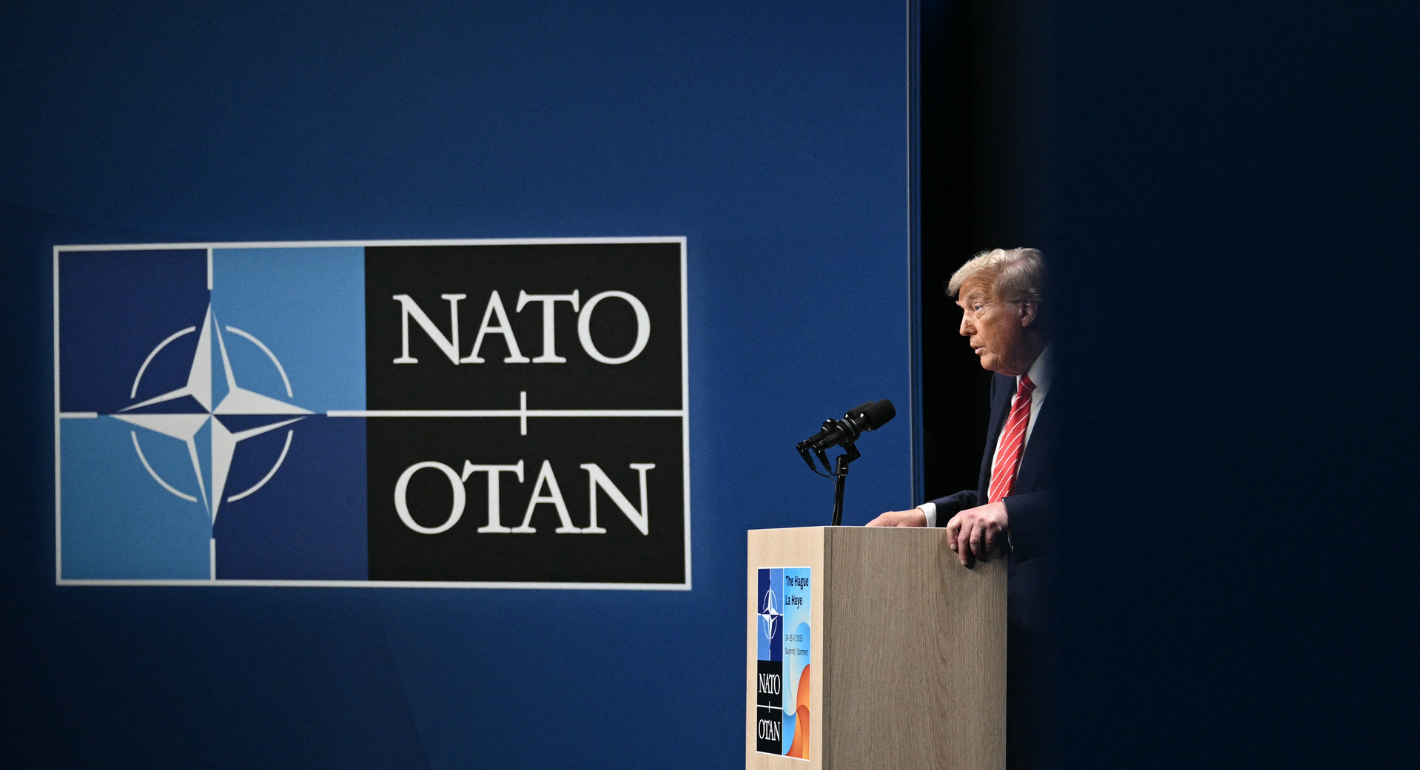
Donald Trump has repeatedly bashed NATO and European allies, threatening to annex Canada and Greenland and deploring their lack of enthusiasm for his war of choice in Iran. Is this latest round of abuse the final straw?

Rym Momtaz, ed.
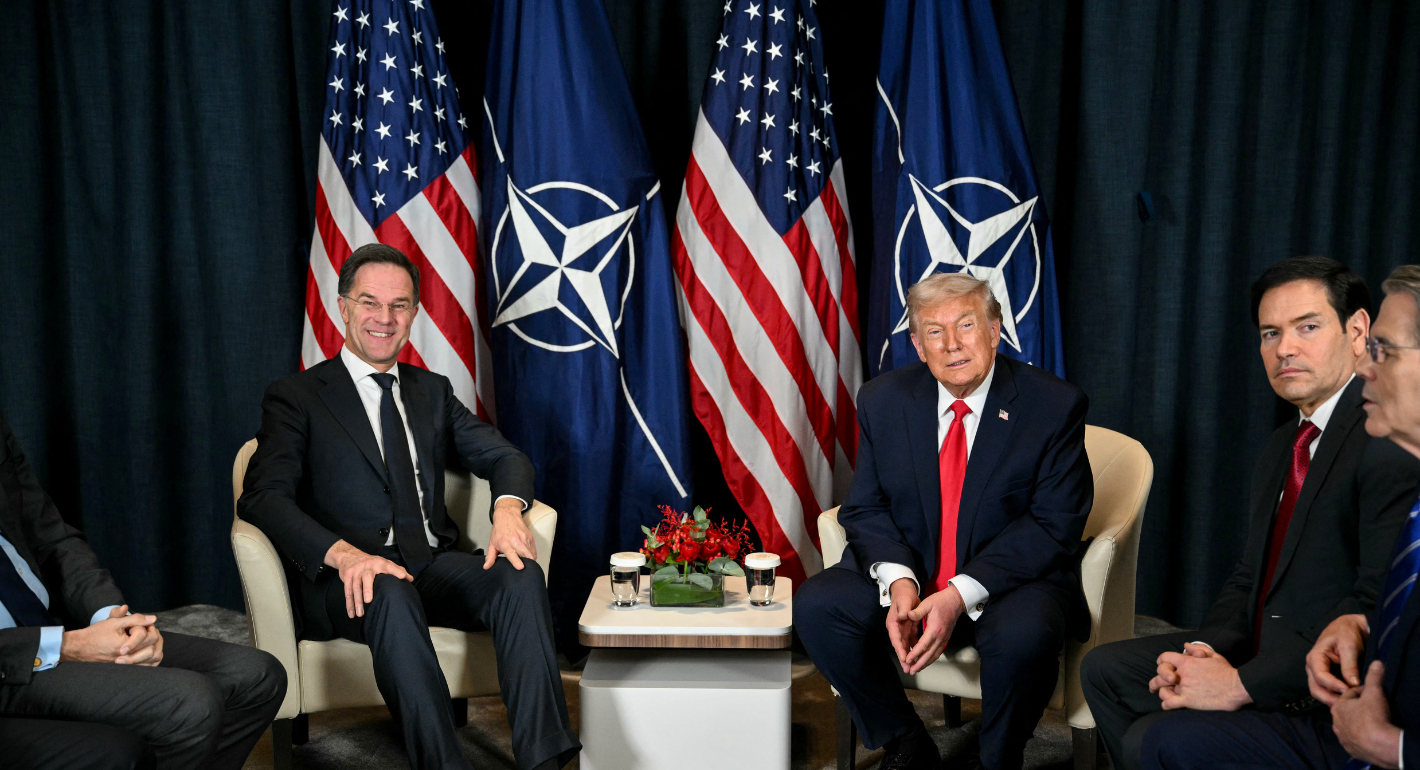
Donald Trump has demanded that European allies send ships to the Strait of Hormuz while his war of choice in Iran rages on. He has constantly berated NATO while the alliance’s secretary-general has emphatically supported him.
Rym Momtaz, ed.
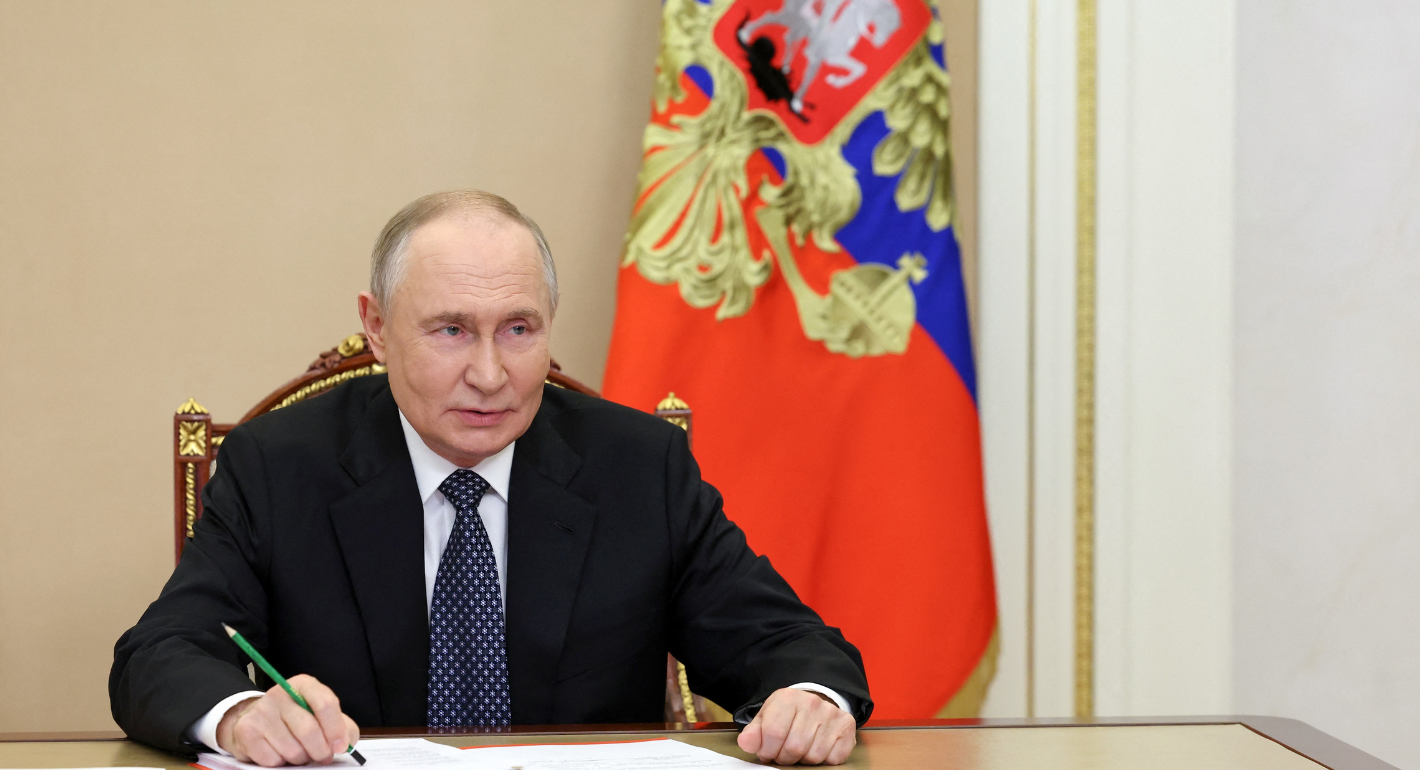
The war in Ukraine is costing Russia its leverage overseas. Across the South Caucasus and Middle East, this presents an opportunity for Europe to pick up the pieces and claim its own sphere of influence.

William Dixon, Maksym Beznosiuk
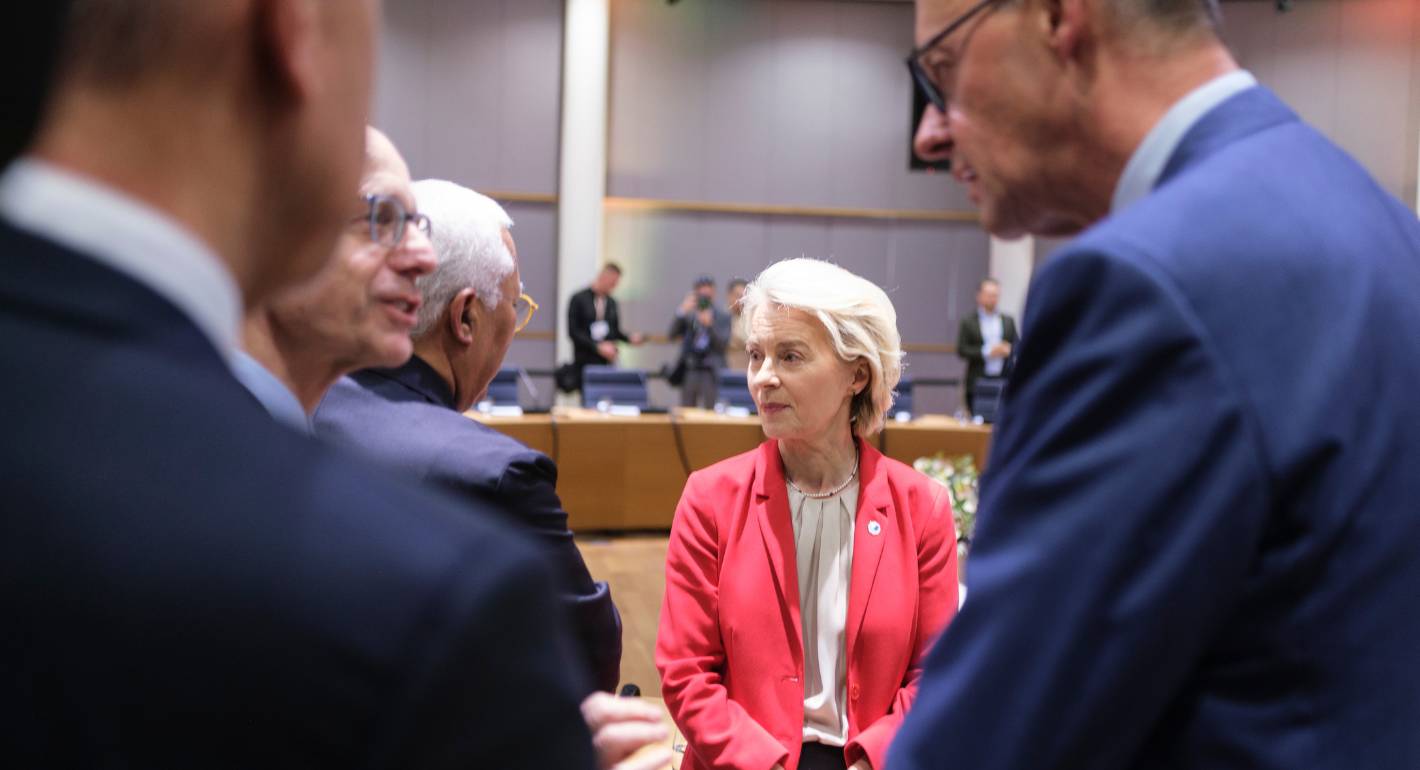
The war in Iran proves the United States is now a destabilizing actor for Europe and the Arab Gulf. From protect their economies and energy supplies to safeguarding their territorial integrity, both regions have much to gain from forming a new kind of partnership together.
Rym Momtaz