

Commentary
Michael Pettis
{
  "authors": [
    "Michael Pettis"
  ],
  "type": "legacyinthemedia",
  "centerAffiliationAll": "dc",
  "centers": [
    "Carnegie Endowment for International Peace"
  ],
  "collections": [],
  "englishNewsletterAll": "asia",
  "nonEnglishNewsletterAll": "",
  "primaryCenter": "Carnegie Endowment for International Peace",
  "programAffiliation": "AP",
  "programs": [
    "Asia"
  ],
  "projects": [],
  "regions": [
    "East Asia",
    "China"
  ],
  "topics": [
    "Economy"
  ]
}
Source: Getty
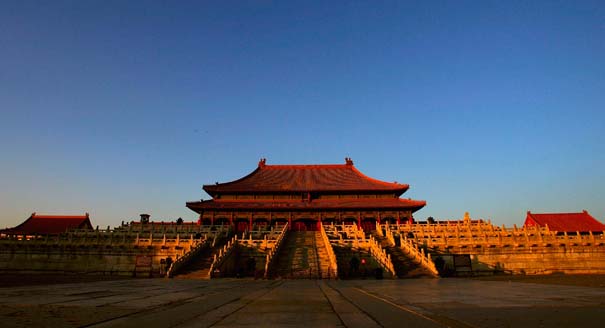
The reforms necessary to rebalance China’s economy require the political resolve to reallocate resources and benefits from state elites to households.
Source: CNBC
Carnegie’s Michael Pettis spoke on CNBC about what to expect from the Third Plenum of the 18th Chinese Communist Party Congress. Pettis explained that China has historically grown by pouring investment into manufacturing and construction, and that these investments have disproportionately benefited the elite. Going forward, China must reallocate resources away from the government elite and toward small- and medium-size private enterprises and Chinese households, he said.
Although most economists agree that this is the path that China must take with its economic reforms, this is really a political issue about the distribution of the benefits of growth, which Pettis said makes him pessimistic about how much progress can be made. When asked about the prospects for political reform, Pettis explained that historically only competitive democracies and centralized authoritarian regimes have successfully undertaken such sweeping structural reforms. As such, he argued that, since a rapid transition to democracy is not feasible, “a stable and orderly adjustment may require increasing concentration of power” in the hands of President Xi Jinping and his allies.

Nonresident Senior Fellow, Carnegie China
Michael Pettis is a nonresident senior fellow at the Carnegie Endowment for International Peace. An expert on China’s economy, Pettis is professor of finance at Peking University’s Guanghua School of Management, where he specializes in Chinese financial markets.
Recent Work
Michael Pettis
Michael Pettis

With its public finances in shambles, the far right polling at 35 percent ahead of the 2027 presidential election, and a growing protest movement, is France’s crisis a threat to the EU’s geopolitical awakening?

Rym Momtaz, ed.
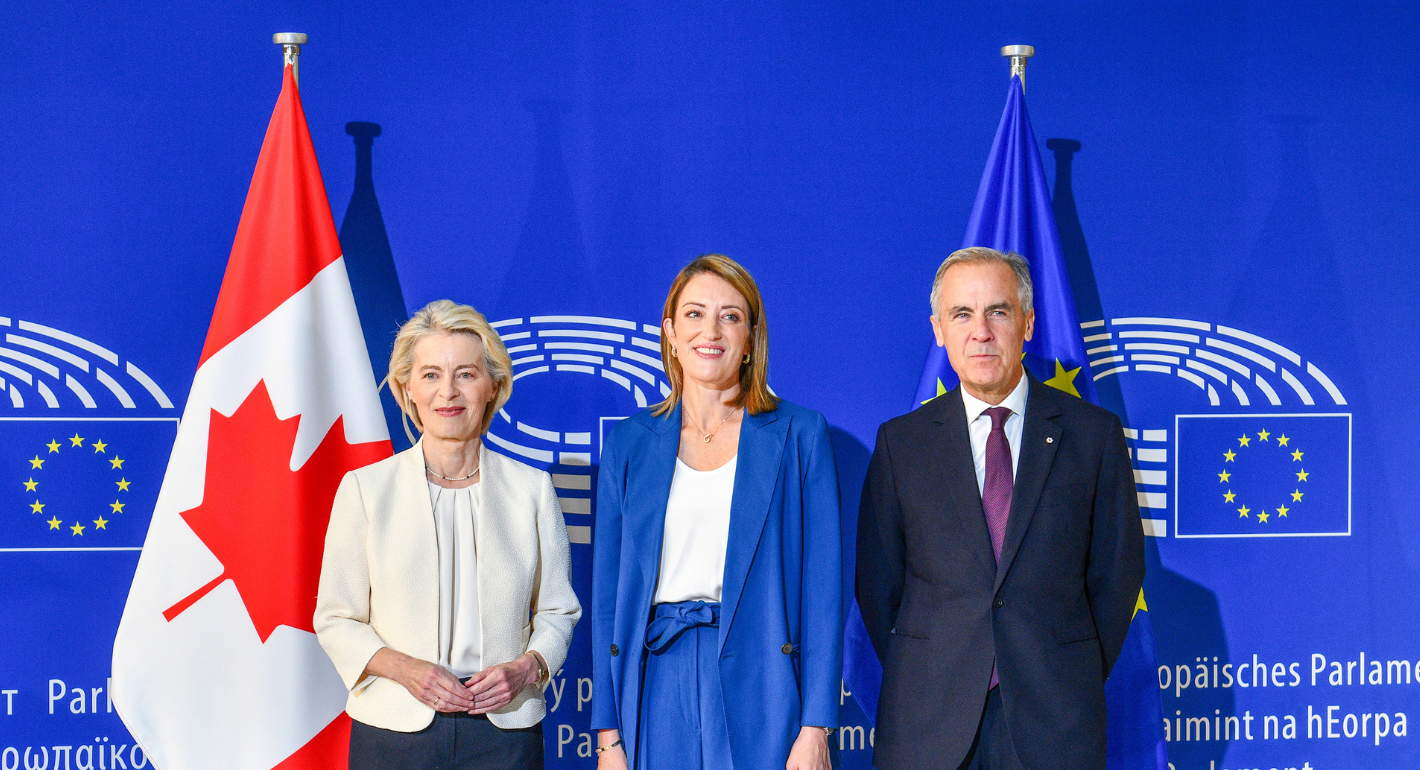
While the EU and European governments are embracing the much-lauded middle-power moment, this entails three difficult conundrums.
Richard Youngs
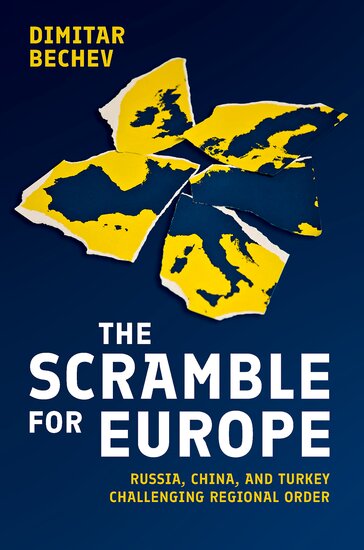
Europe is facing rising populism internally as well as external pressures from Russia, China, Turkey, and the United States.

Dimitar Bechev
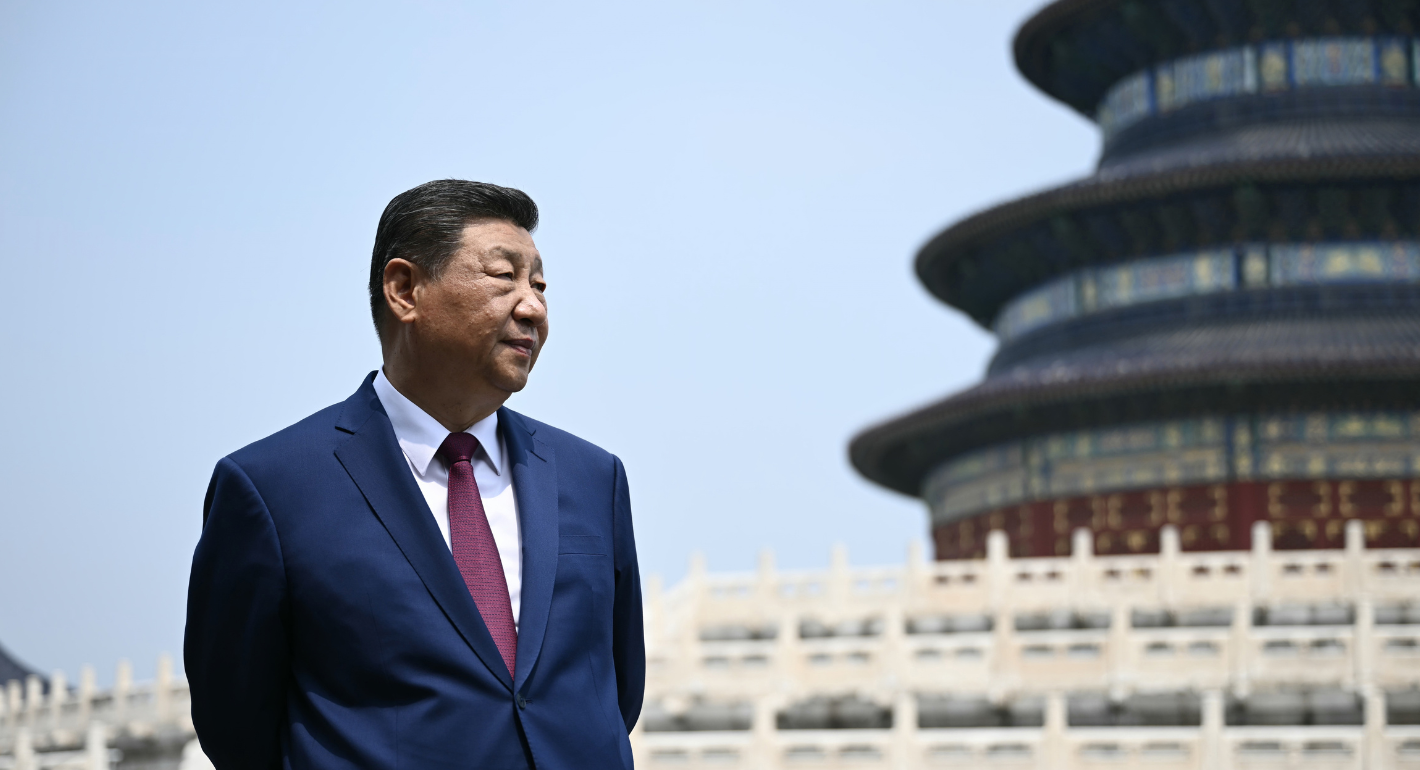
The European Commissioner for Trade is headed to China. But after President Xi’s bridge-building visit to Washington, can a more isolated EU overcome Beijing’s stranglehold on critical raw materials? Who will blink first?
Rym Momtaz, ed.
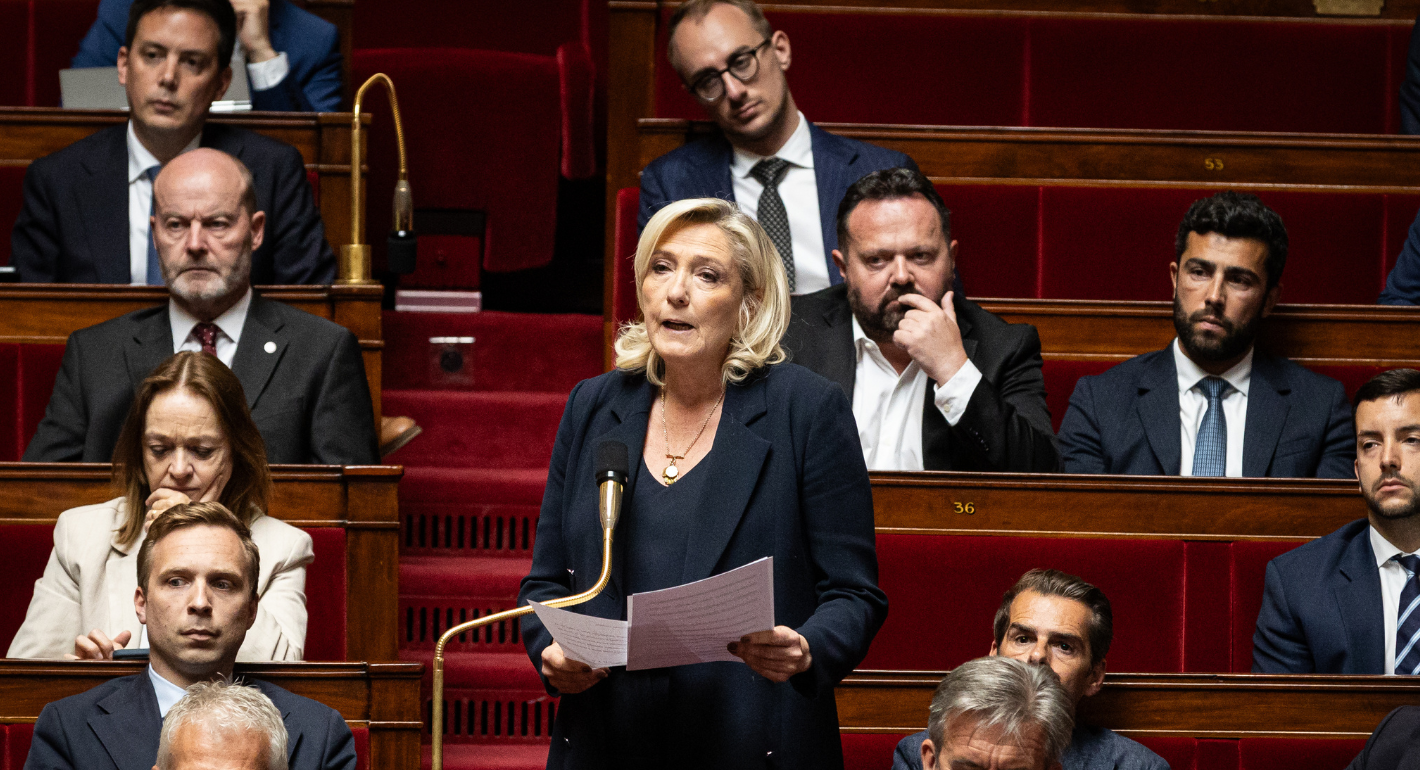
The domestic impacts of how long it is taking to end the war in Ukraine have pushed the French electorate to the political extremes and compromised the country’s diplomatic capacity.
Rym Momtaz