

Report
- +3
James M. Acton, Alexey Arbatov, Vladimir Dvorkin, …
{
  "authors": [
    "Petr Topychkanov"
  ],
  "type": "commentary",
  "centerAffiliationAll": "",
  "centers": [
    "Carnegie Endowment for International Peace",
    "Carnegie Russia Eurasia Center"
  ],
  "collections": [],
  "englishNewsletterAll": "",
  "nonEnglishNewsletterAll": "",
  "primaryCenter": "Carnegie Russia Eurasia Center",
  "programAffiliation": "",
  "programs": [],
  "projects": [
    "Eurasia in Transition"
  ],
  "regions": [
    "South Asia",
    "Pakistan"
  ],
  "topics": [
    "Security",
    "Military"
  ]
}
Source: Getty
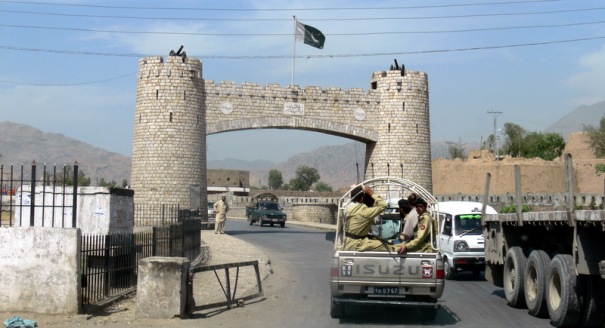
The nomination of Mullah Fazlullah as the new head of the Tehrik-e-Taliban Pakistan (TTP) does not seem to dramatically change prospects for an agreement between the TTP and Islamabad. Yet if signed, this agreement will not be able to stop violence in the tribal area of Pakistan and neighbor regions.
In his recent article about the new head of the Tehrik-e-Taliban Pakistan (TTP), Christophe Jaffrelot has expressed an opinion that the elimination in a drone attack of the previous TTP chief Hakimullah Mehsud and the naming of Mullah Fazlullah to lead the TTP have torpedoed the peace talks between TTP and the Pakistan authorities.
For me, the impact of this change in the TTP leadership on the talks is not so evident. There are at least three questions which make me doubt that it is highly significant, if at all.
The first question is whether the conflicting parties are ready to achieve any kind of a long-term agreement. In previous cases, the TTP used agreements with Islamabad for tactical purposes, i.e. to gain time, replenish resources, and redeploy forces. The Armed Forces of Pakistan used these agreements in the same way as well. Starting with the 2003 agreement reached after the Al Mizan military operation in South Waziristan, there was not a single agreement between the TTP and the Pakistani authorities which would last for more than a couple of months.
The second question is about the role of the TTP chiefs in guaranteeing agreements with Islamabad. It is hard to believe that these chiefs can make all the fighters in Pakistan calling themselves Talibs follow such agreements. Instead of having a strong hierarchical structure, the TTP represents a cloud of big and small groups, including foreign fighters, mostly from Central Asia and the Russian Caucasus. In this environment a personal position of the TTP chief on the talks with Islamabad and even his signature under the agreement cannot stop the violence in the tribal area.
The third question is about the external actors. Jaffrelot's article mentions that the United States may be interested in torpedoing the talks out of fear that an agreement between the TTP and Islamabad could allow Talibs from Pakistan to cross the Durand line to fight against the NATO and the Afghan Armed Forces.
There are at least two, though mutually contradicting, arguments against such an opinion. The first one is that a probable agreement between the TTP and Islamabad would mean that the TTP would have an opportunity to use its fighters as police in the territories which would be under the control of the TTP. There will be no need to think about how to occupy the fighters abroad because there will be a job for them in the tribal area.
The second argument is based on the well-known fact that many fighters from the TTP have already been involved in insurgent operations in Afghanistan. Therefore, even in the situation of heavy military operations in the tribal area, the TTP can send some groups abroad (and not only to Afghanistan).
The nomination of Mullah Fazlullah does not seem to dramatically change prospects for an agreement between the TTP and Islamabad. It is still possible. Yet if signed, this agreement will not be able to stop violence in the tribal area of Pakistan and neighbor regions.
Former Fellow, Nonproliferation Program, Moscow Center
Topychkanov was a fellow in the Carnegie Moscow Center’s Nonproliferation Program.
Recent Work

James M. Acton, Alexey Arbatov, Vladimir Dvorkin, …
Petr Topychkanov
Carnegie does not take institutional positions on public policy issues; the views represented herein are those of the author(s) and do not necessarily reflect the views of Carnegie, its staff, or its trustees.

Mounting economic strain and battlefield losses will not necessarily make the Kremlin less dangerous. They could instead push Moscow toward a more aggressive hybrid campaign designed to test NATO’s Eastern flank, exploit allied hesitation, and fracture European resolve.

Maksym Beznosiuk
Over the past ten years, NATO has held almost as many summits as it did during the entirety of the Cold War. Are they still useful, or is it time to stop holding annual meetings?

Rym Momtaz, ed.
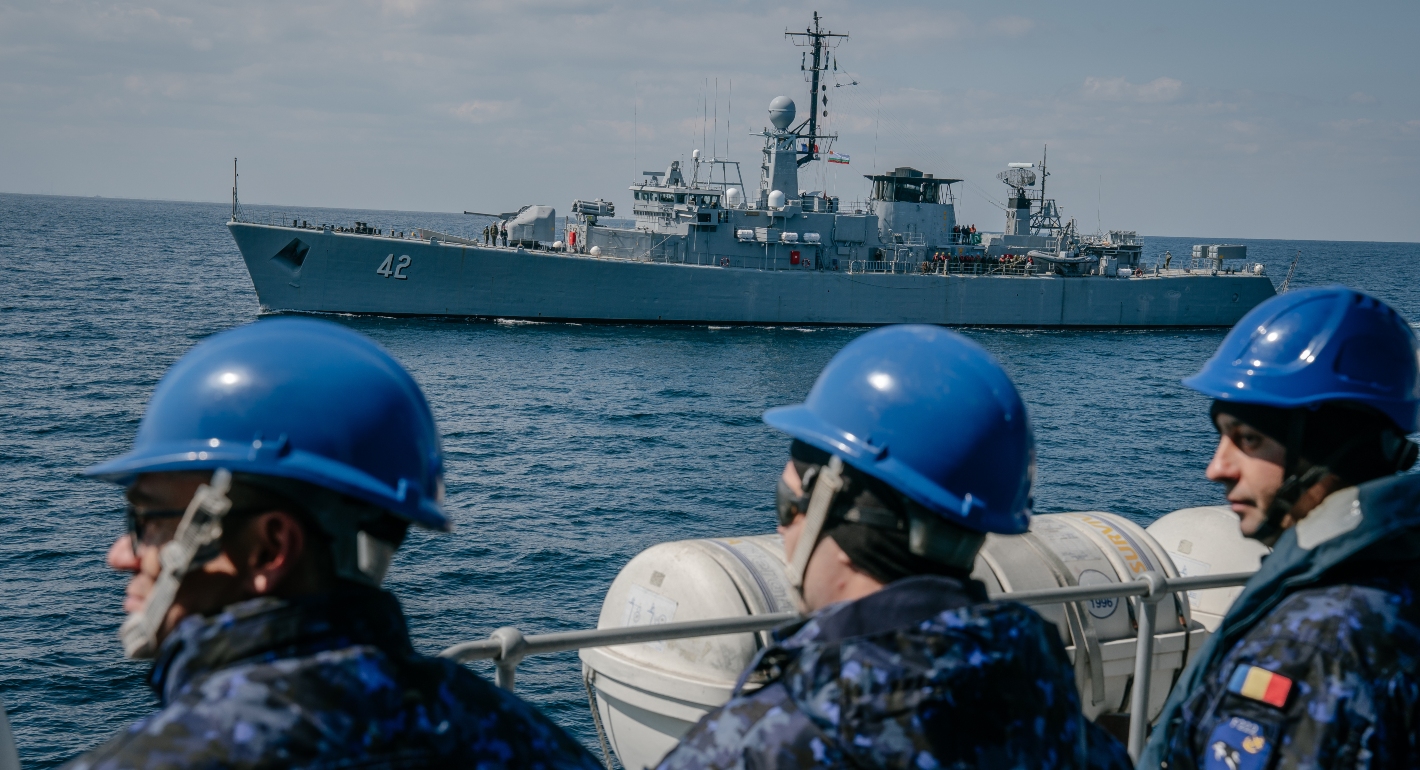
As Russia's war on Ukraine drags on, NATO is expanding its footprint in the Black Sea. Turkey, Romania, and Bulgaria are upgrading their fleets and deepening trilateral cooperation.

Dimitar Bechev
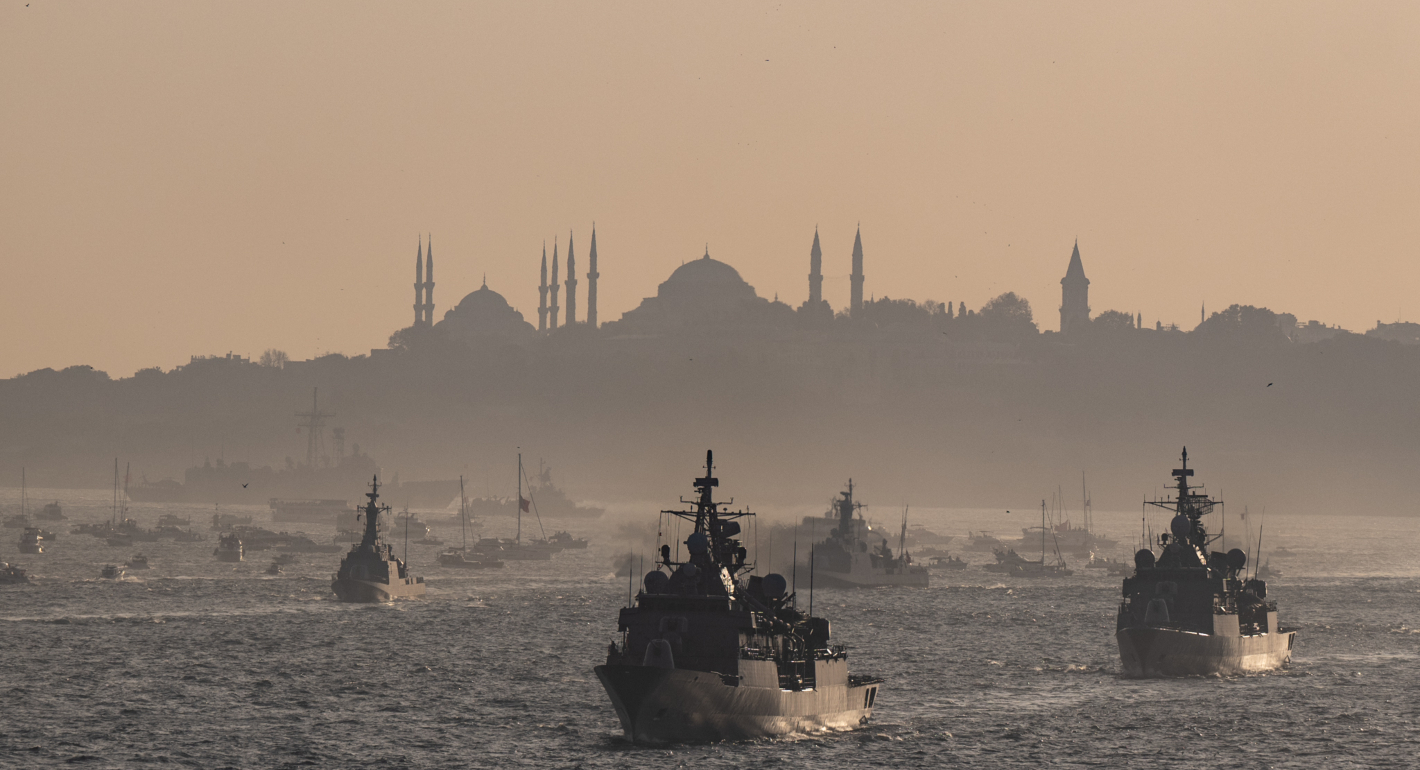
For ninety years, Turkey has been positioned as the principal gatekeeper of Black Sea security. As a result, European and NATO efforts to support Ukraine will require closer engagement with Ankara.

Thomas de Waal

Western Europe’s dual-use infrastructure melted down during its latest heat wave. If a predicted hot weather event can take the continent by surprise, what chance does it have to withstand unexpected geopolitical crises?
Rym Momtaz