

In The Media
Vikram Nehru
{
  "authors": [
    "Vikram Nehru"
  ],
  "type": "legacyinthemedia",
  "centerAffiliationAll": "dc",
  "centers": [
    "Carnegie Endowment for International Peace"
  ],
  "collections": [],
  "englishNewsletterAll": "asia",
  "nonEnglishNewsletterAll": "",
  "primaryCenter": "Carnegie Endowment for International Peace",
  "programAffiliation": "AP",
  "programs": [
    "Asia",
    "South Asia"
  ],
  "projects": [],
  "regions": [
    "Southeast Asia",
    "Indonesia"
  ],
  "topics": []
}
Source: Getty
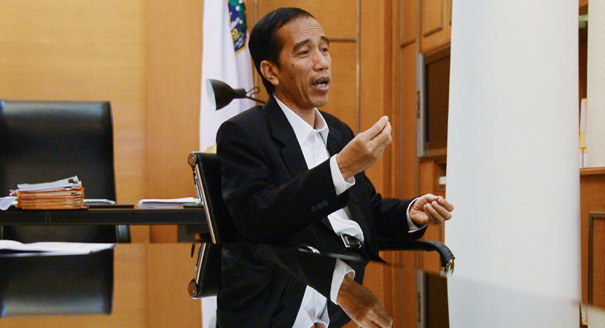
Jokowi will likely be a leader whose biggest imprint will be improvement in the quality, effectiveness, integrity and inclusiveness of government rather than in dramatic economic reforms.
Source: Boao Review
On August 21, 2014, Indonesia's Constitutional Court confirmed Joko Widodo - popularly known as Jokowi - as Indonesia's next president.
Former Nonresident Senior Fellow, Asia Program
Nehru was a nonresident senior fellow in the Carnegie Asia Program. An expert on development economics, growth, poverty reduction, debt sustainability, governance, and the performance and prospects of East Asia, his research focuses on the economic, political, and strategic issues confronting Asia, particularly Southeast Asia.
Recent Work
Vikram Nehru
Vikram Nehru
Carnegie does not take institutional positions on public policy issues; the views represented herein are those of the author(s) and do not necessarily reflect the views of Carnegie, its staff, or its trustees.
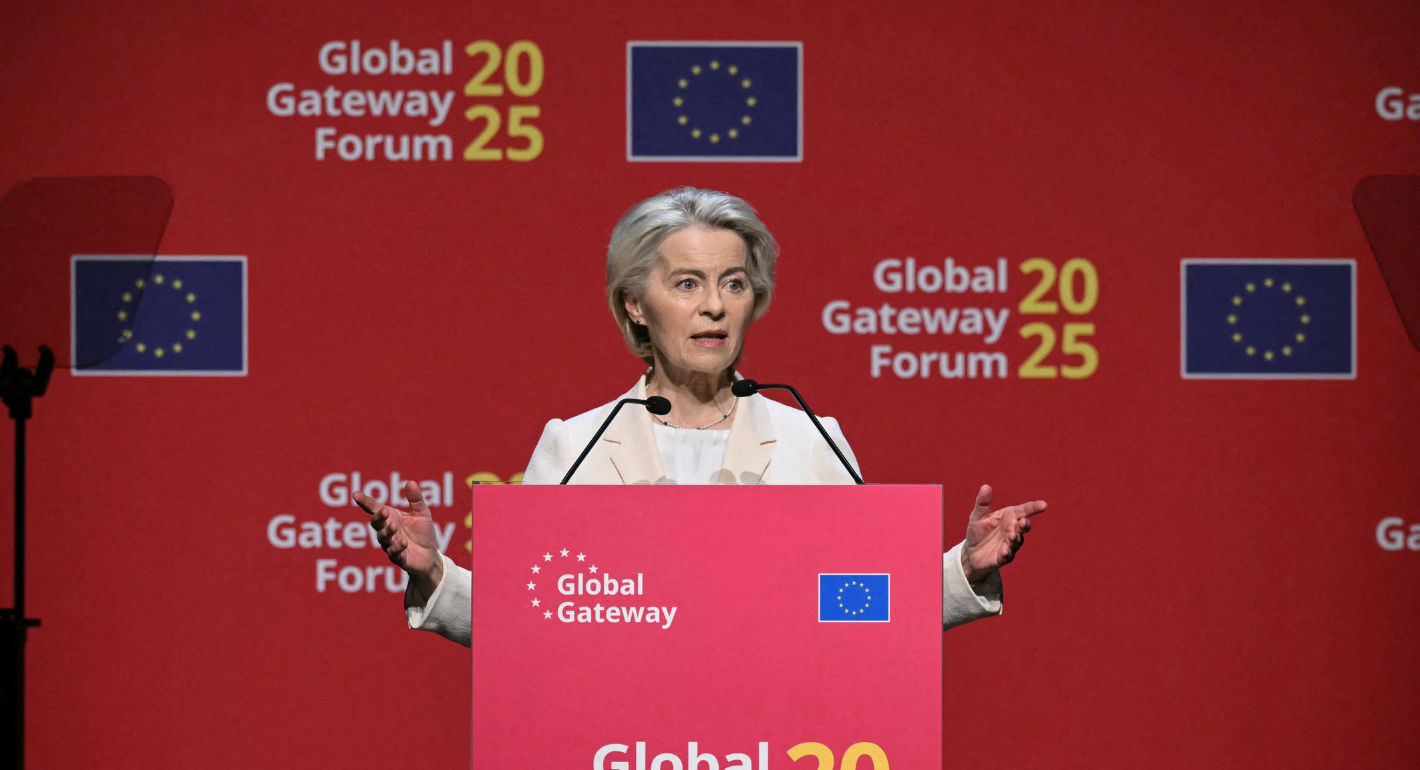
In competition with China’s Belt and Road Initiative, the Global Gateway strategy needs to find an edge. To better promote its interests through investment, the EU’s offer must become more coherent, transparent, and accountable.

Ceren Ergenc, Chaofan Yu
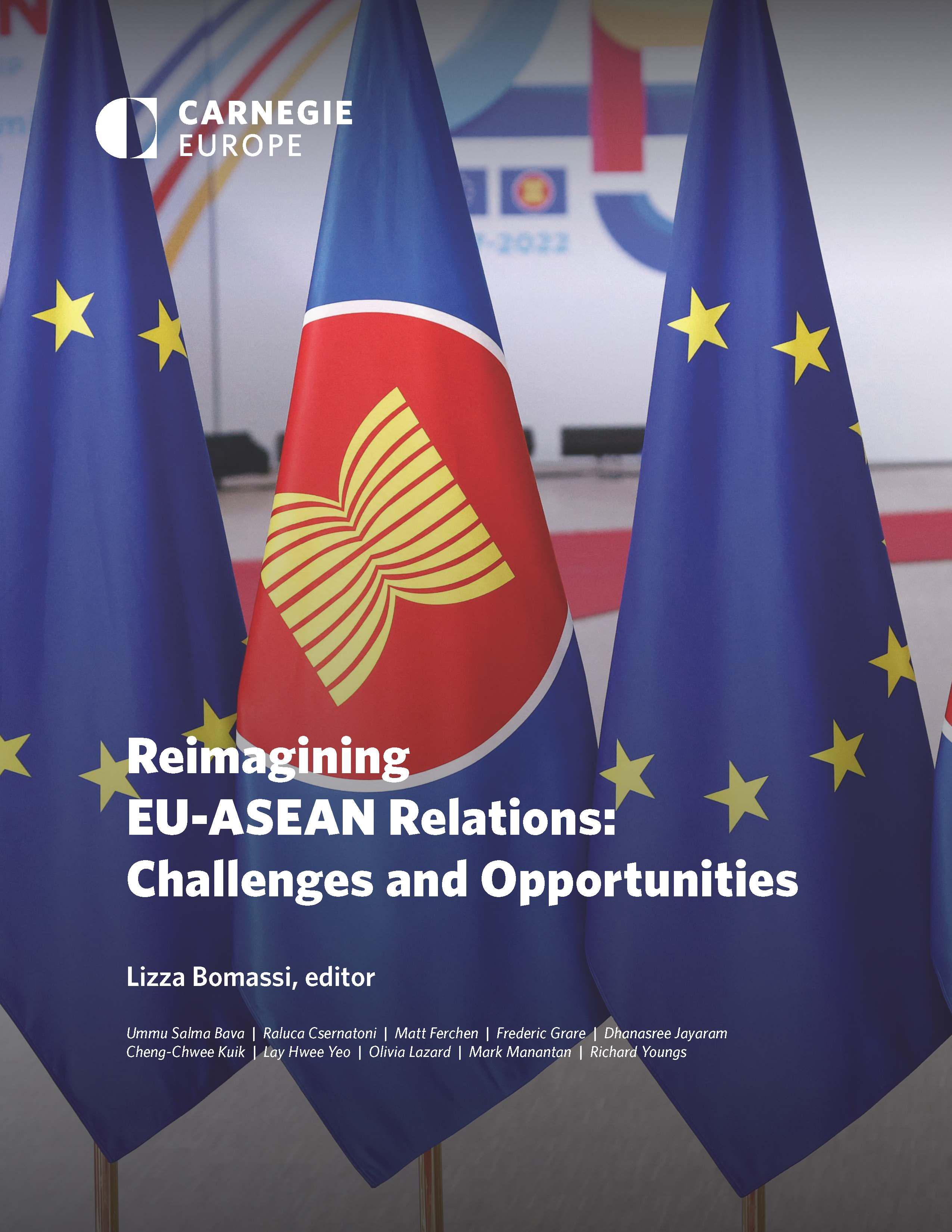
The EU and ASEAN have diverging priorities in climate, security, technology, trade, and democracy. Stronger cooperation in these fields would enable the two blocs to tackle shared challenges and pursue common interests.
Lizza Bomassi

The first Summit for Democracy succeeded in bringing democratic governments together to discuss a range of issues. But to achieve more effective democratic coordination, the process should move away from its intergovernmental nature and involve more civil society actors.

Richard Youngs
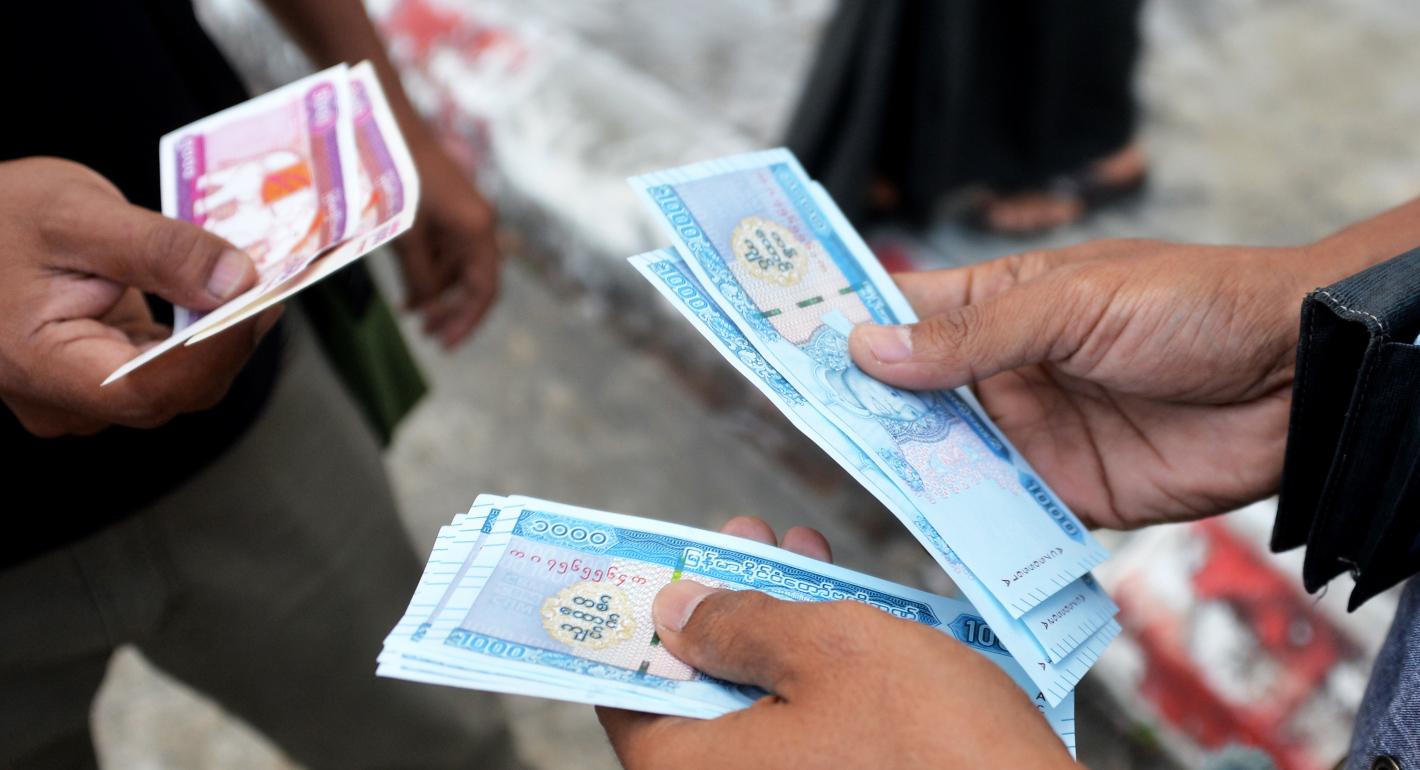
In the last decade, nondemocratic regimes have received more development assistance than democratic countries. This reveals how donors struggle with autocratization despite a rhetorical commitment to democracy.
Marc de Tollenaere
Expectations were high for the first in-person EU-ASEAN summit in years but the meeting agenda did not rise to the occassion. Despite having plenty of common ground, the bloc missed an opportunity to strengthen its commitment to ASEAN by leaving the big ticket items to the side.
Lizza Bomassi