

Research
- +4
Milan Vaishnav, Rahul Verma, Rukmini S., …
{
  "authors": [
    "Christophe Jaffrelot"
  ],
  "type": "legacyinthemedia",
  "centerAffiliationAll": "dc",
  "centers": [
    "Carnegie Endowment for International Peace"
  ],
  "collections": [],
  "englishNewsletterAll": "ctw",
  "nonEnglishNewsletterAll": "",
  "primaryCenter": "Carnegie Endowment for International Peace",
  "programAffiliation": "SAP",
  "programs": [
    "South Asia"
  ],
  "projects": [],
  "regions": [
    "South Asia",
    "India"
  ],
  "topics": [
    "Political Reform"
  ]
}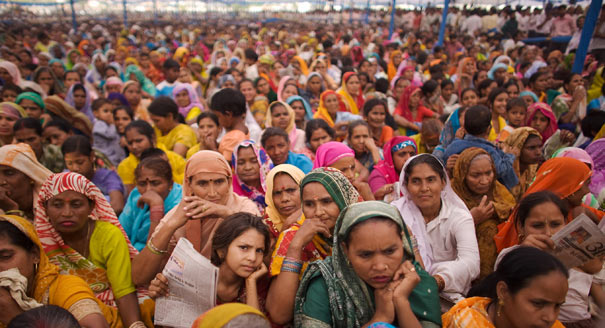
Source: Getty
Yogi Adityanath, a polarizing BJP member of parliament, will play a prominent role if the party’s electoral rhetoric shifts from development to sectarian issues.
Source: Indian Express
Last month, senior Bihar BJP leader Sushil Modi declared that if Yogi Adityanath, BJP MP from Gorakhpur, had spoken of “love jihad” in Bihar the way he did in Uttar Pradesh, he “would have contradicted him”. It was a strong statement coming from an RSS-trained politician, which suggests that the BJP’s rising star in UP belongs to a different school of thought.
Adityanath embodies a specific tradition that can be traced back to Digvijay Nath, a major figure in the line of mahants of the Gorakhnath temple of Gorakhpur. For more than half a century, the mahants have played a role in politics. An orphan from Udaipur — and a Rajput, as the mahant of the Gorakhnath temple has always been — Digvijay Nath, who was born in 1894, was brought up in the math. He joined the Congress in 1921 and was arrested for taking “active part” in the Chauri Chaura incident (Lok Sabha Who’s Who, 1967). He joined the Hindu Mahasabha in 1937 — when Savarkar took over — three years after being appointed mahant, and soon became head of the party’s unit in the United Provinces. Like many members of the Mahasabha, he strongly opposed Gandhi. Just three days before Gandhi’s murder, he “exhorted Hindu militants to kill the Mahatma”, according to Krishna and Dhirendra K. Jha (Ayodhya: The Dark Night, page 28). This landed him in jail, but for nine months only.
In 1949, Digvijay Nath realised that the Babri Masjid issue could be of great use to his party in the post-Partition context and he became the “unifying factor for all those who wanted the Ayodhya strategy to succeed” (Ayodhya, page 60). He joined the Akhil Bharatiya Ramayana Mahasabha, which organised a nine-day long recitation of the Ramcharitmanas in front of the Babri Masjid, at the end of which Hindu nationalists broke into the mosque and placed statues of Ram and Sita inside it. Digvijay Nath was promoted to national general secretary of the Hindu Mahasabha and declared that if his party “attains power, it would deprive the Muslims of the right to vote for five to 10 years, the time that it would take for them to convince the government that their interests and sentiments are pro-Indian” (The Statesman, June 13, 1950).Digvijay Nath also worked with Swami Karpatriji, founder of the Ram Rajya Parishad, which, like the Hindu Mahasabha, had always kept a distance from the Sangh Parivar, and vice versa. Digvijay Nath and Karpatriji were still working together when the Sarvadaliya Gauraksha Maha-Abhiyan Samiti (Committee for the Great All-Party Campaign for the Protection of the Cow) was set up in 1966 by the Vishwa Hindu Parishad. The campaign brought Digvijay Nath closer to the VHP, but he remained part of the Hindu Mahasabha till his death in 1969 — he had been elected MP of Gorakhpur on a Mahasabha ticket in 1967. His successor, Mahant Avaidyanath, who describes Digvijay Nath as being a “father” to him in the Lok Sabha Who’s Who, 1991, has had a similar career: elected MLA as an independent from Maniram in 1962, 1967, 1969, 1974 and 1977, he also became MP from Gorakhpur, as an independent in 1970 and as a Hindu Mahasabha candidate in 1989.
Then Avaidyanath joined the BJP. He was elected BJP MP of Gorakhpur in 1991 and 1996. The rapprochement between the two political strands happened largely because of the Ayodhya movement, started by Digvijay Nath and taken up by the Sangh Parivar in the 1980s. But the two strands did not merge completely. Avaidyanath retained a degree of autonomy, which his successor, Adityanath, has also maintained.
Adityanath is a Rajput from Uttarakhand, like Avaidyanath, whom he also calls his “father” (figuratively). He was appointed successor to Avaidyanath way back in 1994. Four years later, at 26, he became the youngest MP in the Lok Sabha, and he has been re-elected four times since then. This means that Gorakhpur has consistently returned a candidate from the same “political family” for almost 25 years.
Within his fiefdom, Adityanath has established a certain hegemony. He fielded his own candidates, such as Radhamohan Das Agarwal, who contested state elections as a Hindu Mahasabha candidate in 2002 and 2007, against official BJP candidates. After his first electoral win in 1998, Adityanath created his own youth wing, the Hindu Yuva Vahini, distinct from the RSS and the Bajrang Dal. This group was implicated in a communal riot in 2007, which resulted in the death of two people in Gorakhpur. Curfew was imposed for several days. Adityanath was arrested but soon released.
There have been recurrent tensions between Adityanath and the BJP high command because of his demands for tickets for his lieutenants. But so far, the bargaining has not resulted in the kind of rift seen in the BJP-Shiv Sena coalition in Maharashtra. This is probably because BJP leaders feel they need the new mahant of Gorakhpur — Adityanath took over as mahant after Avaidyanath’s death on September 14. Indeed, Adityanath was the star BJP campaigner in the recent UP by-elections. One of the main themes of his campaign speeches was “love jihad”, defined thus on his website: “a system where a girl surrounded with fragrance is enticed into a stinking world; where the girl leaves her civilised parents for parents who might have been siblings in the past; where purity is replaced with ugliness; where relationships have no meaning; where a woman is supposed to give birth every nine months; where the girl is not free to practice her religion; and if the girl realises her mistakes and wants to be freed, she is sold off”.
During the by-election campaign, Adityanath exhorted Hindus to convert 100 Muslim women for every Hindu converted by Muslims. The Election Commission reprimanded him for speech that was “provoking feelings of enmity”. But this is probably what the polarisation strategy is about. It contributed to the BJP’s success in western UP in the Lok Sabha elections, which happened in the wake of the Muzaffarnagar riots. In the by-elections, though, this technique did not yield dividends for the BJP. But will the party consider that this failure stemmed from highlighting the wrong themes at a time people are more interested in development than in anything else? Or will it continue in the same vein? If it does, Adityanath may assert himself even more. And in that case, the Ayodhya issue will probably stage a comeback on the BJP agenda in UP, since Adityanath’s personal beliefs will also be freighted with the legacy of Digvijay Nath and Avaidyanath.
This article was originally published in the Indian Express.
Former Nonresident Scholar, South Asia Program
Jaffrelot’s core research focuses on theories of nationalism and democracy, mobilization of the lower castes and Dalits (ex-untouchables) in India, the Hindu nationalist movement, and ethnic conflicts in Pakistan.
Recent Work

Milan Vaishnav, Rahul Verma, Rukmini S., …
Christophe Jaffrelot
Carnegie does not take institutional positions on public policy issues; the views represented herein are those of the author(s) and do not necessarily reflect the views of Carnegie, its staff, or its trustees.

As the EU confronts profound challenges, several leaders have called for fundamental reform to the union’s model—but only modest, superficial changes have resulted. What if Europe really could be reimagined from zero today: What should such a redesigned European order look like?

Richard Youngs, ed.
Preparing candidate countries for EU membership is no longer enough. As the enlargement process becomes a reality, the union must also prepare its own societies.

Iliriana Gjoni
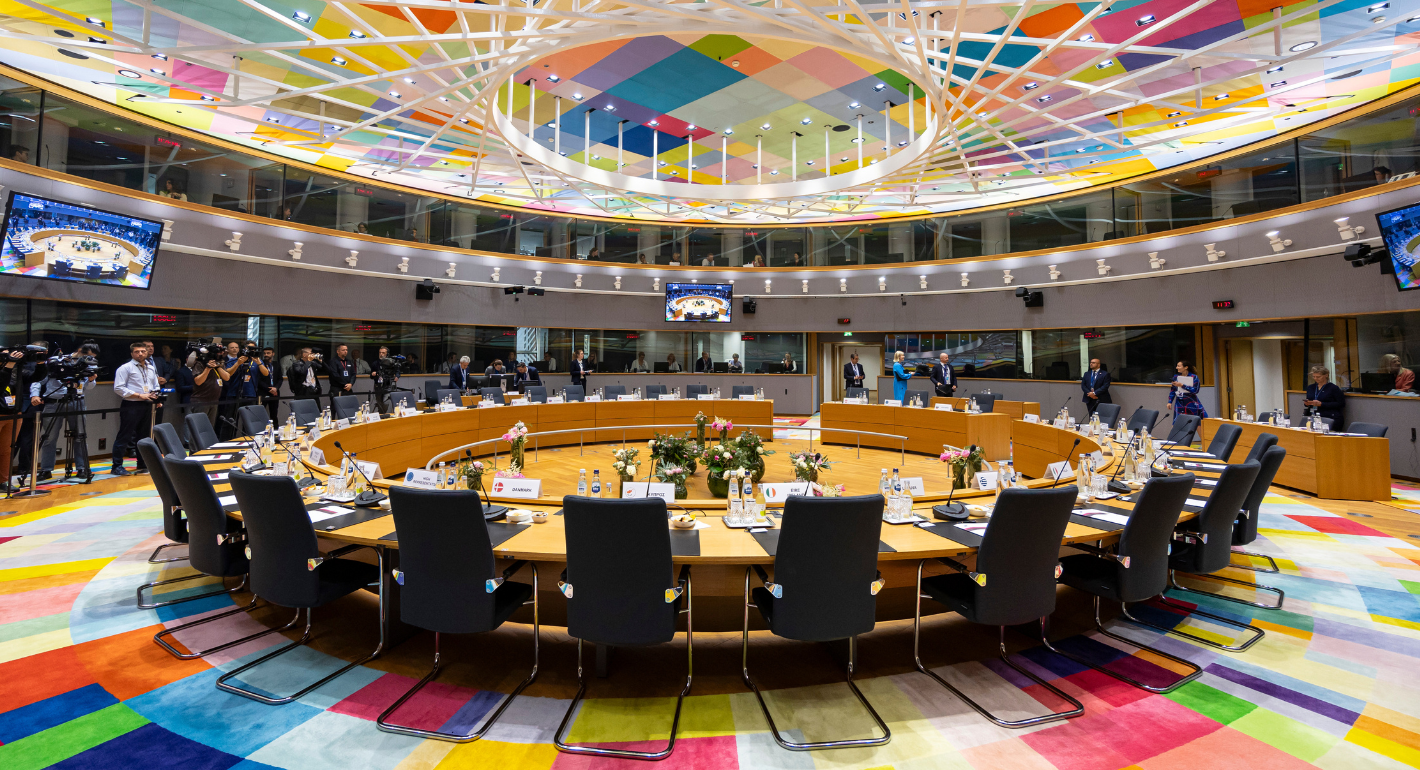
Countries face several hurdles in joining the EU, including the final stage of ratifying their accession treaties. Procedural reforms and substantive adjustments could help move the process forward.

Stefan Lehne
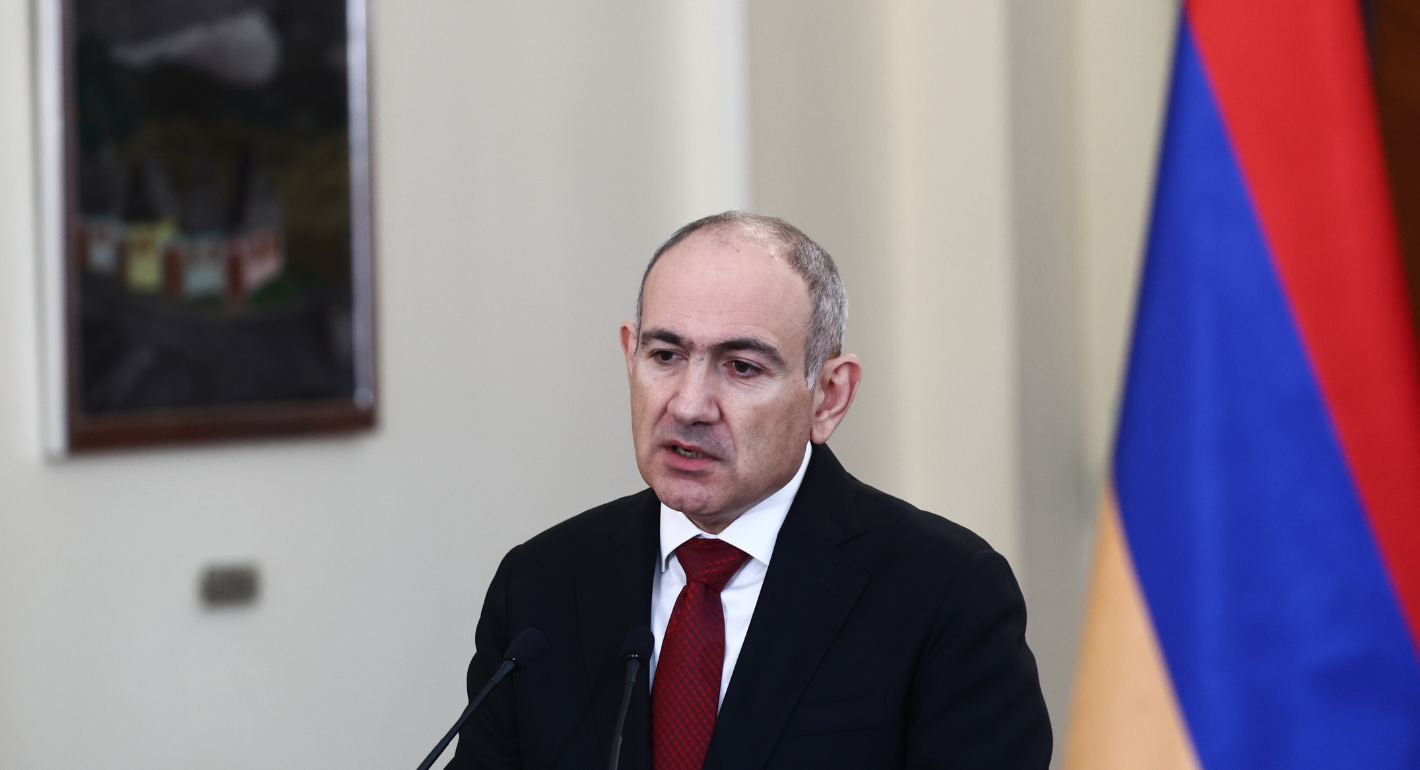
Europe has an interest in supporting Armenian leader Nikol Pashinyan as he tries to make peace with neighbors and loosen ties with Russia. But it is depersonalized support in the long term, not quickfire flash, that will win the day.

Thomas de Waal
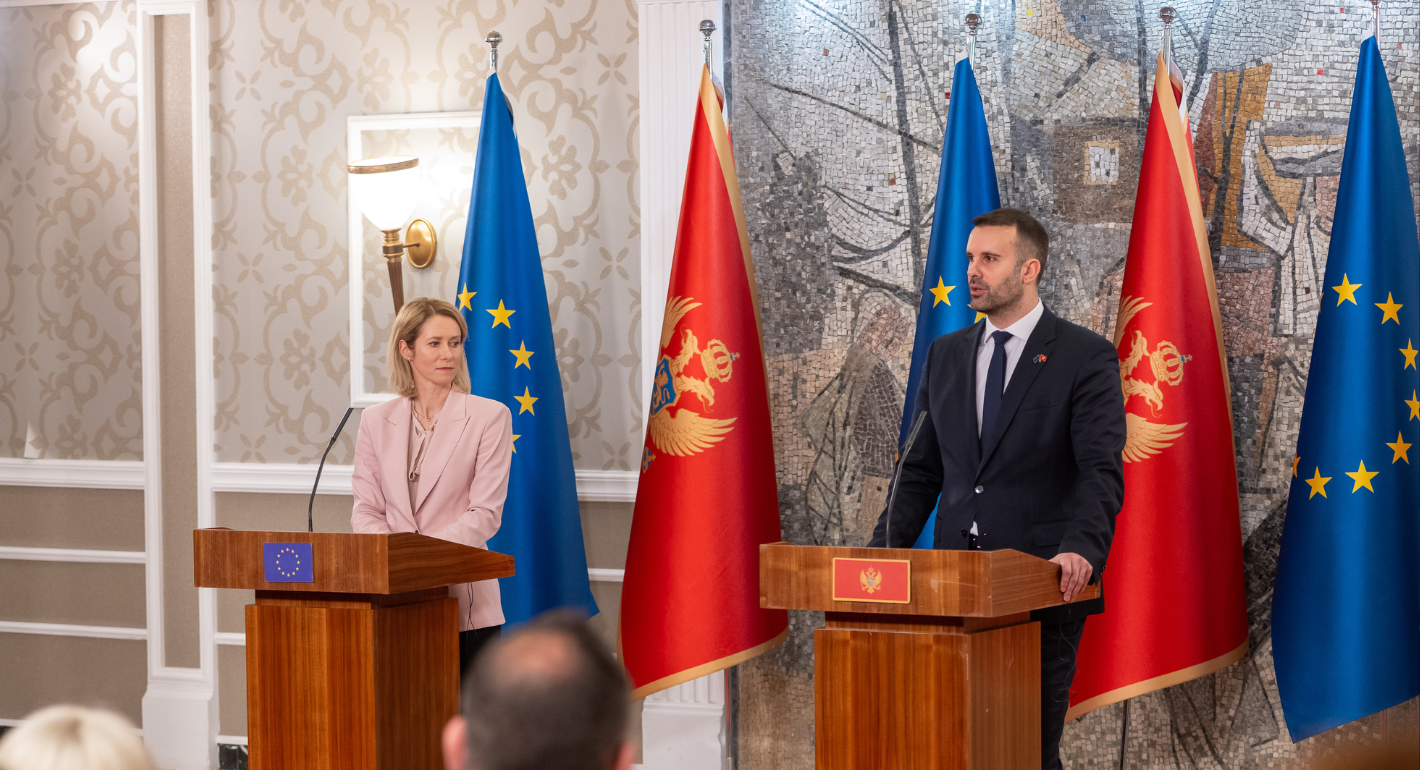
Montenegro and Albania are frontrunners for EU enlargement in the Western Balkans, but they can’t just sit back and wait. To meet their 2030 accession ambitions, they must make a strong positive case.

Dimitar Bechev, Iliriana Gjoni