

Article
C. Raja Mohan, Darshana M. Baruah
{
  "authors": [
    "C. Raja Mohan"
  ],
  "type": "legacyinthemedia",
  "centerAffiliationAll": "dc",
  "centers": [
    "Carnegie Endowment for International Peace",
    "Carnegie India"
  ],
  "collections": [],
  "englishNewsletterAll": "ctw",
  "nonEnglishNewsletterAll": "",
  "primaryCenter": "Carnegie India",
  "programAffiliation": "SAP",
  "programs": [
    "South Asia"
  ],
  "projects": [],
  "regions": [
    "South Asia",
    "India"
  ],
  "topics": [
    "Foreign Policy"
  ]
}
Source: Getty
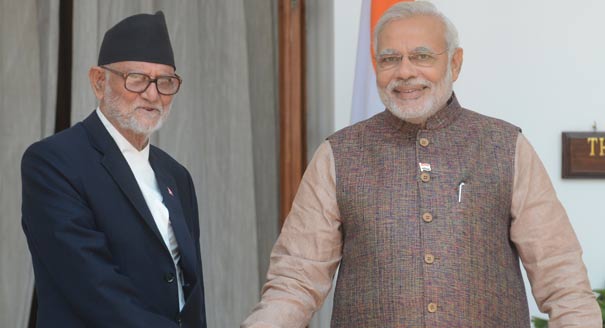
Prime Minister Narendra Modi’s decision not to travel to three important religious places in Nepal and to limit his visit to Kathmandu, which is hosting the South Asian summit, has disappointed many on either side of the border.
Source: Indian Express
Prime Minister Narendra Modi’s decision not to travel to Janakpur, Lumbini and Muktinath, three important religious places in Nepal, and limit his visit this week to Kathmandu, which is hosting the South Asian summit, has disappointed many on either side of the border.
For some though it is a relief. Many liberals in Nepal and India have long been concerned that the victory of Narendra Modi in the last general elections might undermine India’s secular foundations, “saffronise” India’s foreign policy, project the Hindutva agenda into Nepal and empower the much despised royalists in that country.
Modi’s visit to the Pashupatinath temple during his visit to Kathmandu in August and the PM’s offer of prayers there led to much grumbling in Delhi and sections of the leftists in Nepal.But Modi’s display of his religiosity in public was never an issue for the masses on either side of the border. They would expect all visitors, especially Hindus, to make sure they have a ‘darshan’ of Lord Pashupati.
Asia is a deeply religious place. Leaders from Pakistan and Bangladesh would never to miss an opportunity to visit Ajmer Sharif when they happen to be India. Visitors from East Asia make sure they go to Saranath. Political figures from far and near make a beeline for India’s god-men.
Indian spirituality has enjoyed a significant global market especially since the 1960s when the Beatles showed up at the door of Maharshi Mahesh Yogi. Today yoga is all the rage, in both the east and the west.
Does India’s constitutional commitment to secularism prevent an Indian prime minister from wearing his religiosity in public? Jawaharlal Nehru, the atheist, had no reason to visit religious places at home or abroad; but our first PM always celebrated the civilizational heritage of India and the world. The religiosity of his successors has spanned a wide range.
The canon of secularism does not ordain that political leaders be ‘areligious’. What it demands is a clear separation of personal beliefs in God and the formation of state policies.
India will have every reason to be concerned if Modi’s personal faith or the Hindu religious organizations associated with his political party, the BJP, begin to influence the nation’s foreign policy.
There is no evidence of that so far. By endorsing a republican constitution for Nepal and refusing to meet former King Gyanendra, Modi has dissociated himself from the presumed preferences of the Vishwa Hindu Parishad and others.
Modi, however, is absolutely right in recognizing that cultural and spiritual bonds between India and Nepal provide a strong foundation for building an enduring partnership with Kathmandu.
Even more important, Modi is very conscious of the potential of the shared heritage in transforming the economic fortunes of the India-Nepal borderlands. This region hosts some of the world’s oldest religious sites, including the birthplace of Buddha in Lumbini as well as Ayodhya and Janakpur associated with the Ramayana.
Modi has long argued that tourism is an important means to promote economic growth and create jobs. Religious tourism, the PM has suggested, could be the basis for rapid economic growth on both sides of the Himalayas. The religious heritage of this region is of great interest not only to the people of the Subcontinent but also of the entire world.
Modi’s visit to Janakpur and Lumbini would have highlighted the importance of modernising trans-border connectivity, preserving the rich heritage, and turning the many ancient cities in the region into modern centres for pilgrimage and tourism.
Ideas for twinning cities, for example Ayodhya with Janakpur and Saranath with Lumbini were reportedly on Modi’s agenda. He can surely finalise some of these agreements during his visit to Kathmandu when he meets Nepal’s leadership on the margins of the South Asian summit.
The Foreign Office in Delhi has said Modi’s preoccupation with the election campaign in Jharkhand and Kashmir is the main reason for canceling the visits to Janakpur, Lumbini and Muktinath and that the PM will travel there at the earliest opportunity.
One hopes that by the time Modi gets to these places, India would have taken concrete steps towards the promotion of trans-border connectivity and tourism between the two countries.
This article was originally published in the Indian Express.
Former Nonresident Senior Fellow, Carnegie India
A leading analyst of India’s foreign policy, Mohan is also an expert on South Asian security, great-power relations in Asia, and arms control.
Recent Work

C. Raja Mohan, Darshana M. Baruah


Alexander Gabuev, Paul Haenle, C. Raja Mohan, …
Carnegie does not take institutional positions on public policy issues; the views represented herein are those of the author(s) and do not necessarily reflect the views of Carnegie, its staff, or its trustees.
The war in Iran proves the United States is now a destabilizing actor for Europe and the Arab Gulf. From protect their economies and energy supplies to safeguarding their territorial integrity, both regions have much to gain from forming a new kind of partnership together.

Rym Momtaz
French President Emmanuel Macron has unveiled his country’s new nuclear doctrine. Are the changes he has made enough to reassure France’s European partners in the current geopolitical context?
Rym Momtaz, ed.
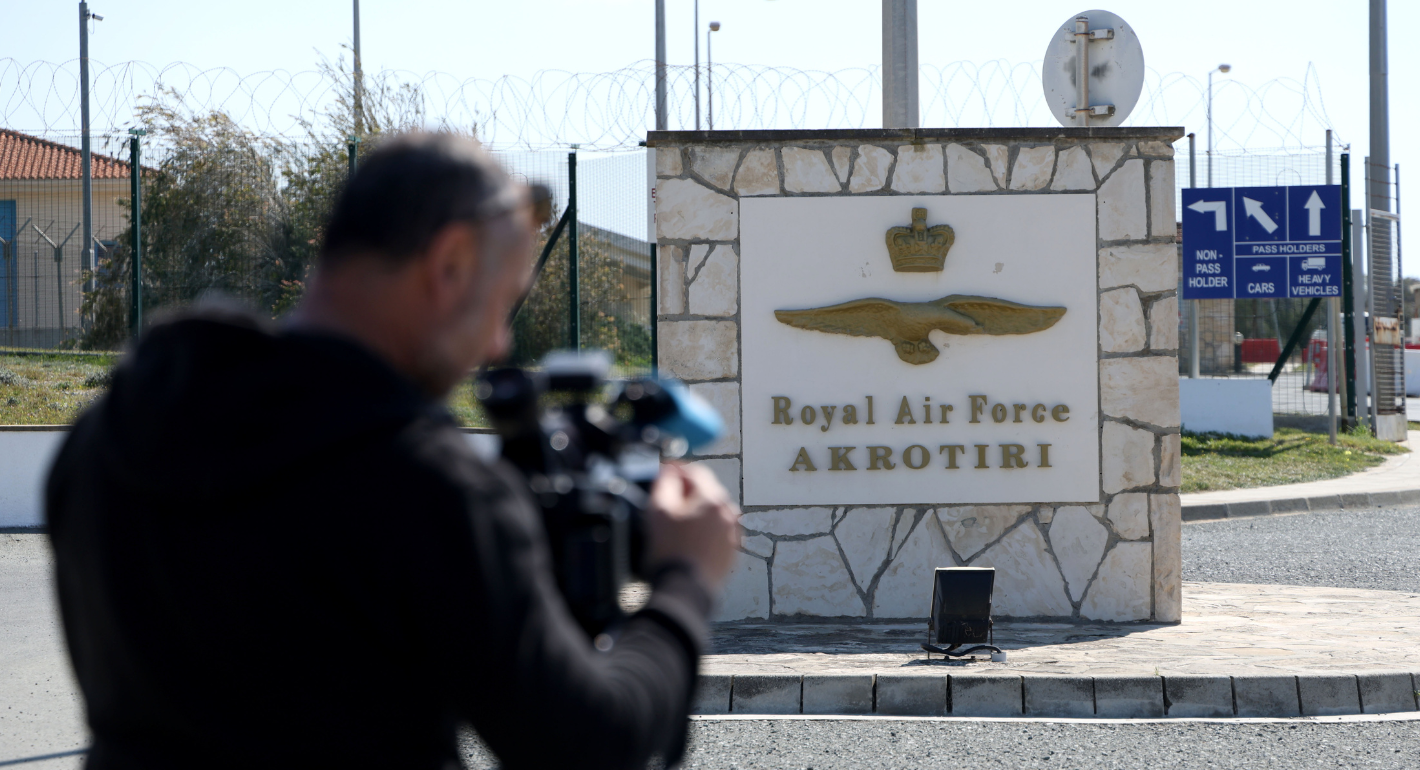
The drone strike on the British air base in Akrotiri brings Europe’s proximity to the conflict in Iran into sharp relief. In the fog of war, old tensions in the Eastern Mediterranean risk being reignited, and regional stakeholders must avoid escalation.

Marc Pierini
For years, the United States anchored global cyber diplomacy. As Washington rethinks its leadership role, the launch of the UN’s Cyber Global Mechanism may test how allies adjust their engagement.

Patryk Pawlak, Chris Painter
Europe isn’t as weak in the new geopolitics of power as many would believe. But to leverage its assets and claim a sphere of influence, Brussels must stop undercutting itself.

Dimitar Bechev