

Article
Frederic Grare
{
  "authors": [
    "Frederic Grare"
  ],
  "type": "legacyinthemedia",
  "centerAffiliationAll": "dc",
  "centers": [
    "Carnegie Endowment for International Peace"
  ],
  "collections": [],
  "englishNewsletterAll": "ctw",
  "nonEnglishNewsletterAll": "",
  "primaryCenter": "Carnegie Endowment for International Peace",
  "programAffiliation": "SAP",
  "programs": [
    "South Asia"
  ],
  "projects": [],
  "regions": [
    "South Asia",
    "Pakistan"
  ],
  "topics": [
    "Political Reform",
    "Security"
  ]
}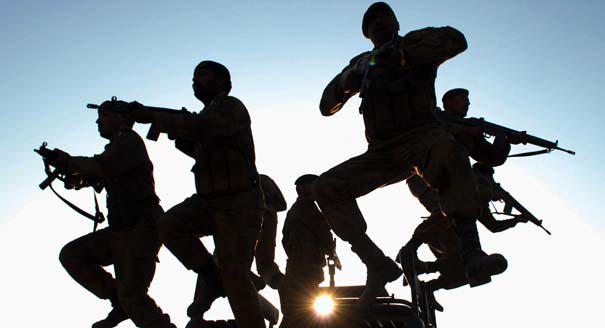
Source: Getty
The new head of Pakistan’s Inter-Services Intelligence, Lt. Gen. Rizwan Akhtar, is unlikely to make big changes in the organization’s strategic orientation or operations.
Source: World Politics Review
Last week, Lt. Gen. Rizwan Akhtar took over as head of Pakistan’s Directorate for Inter-Services Intelligence (ISI). In an email interview, Frederic Grare, senior associate and director of the Carnegie Endowment for International Peace’s South Asia program, discussed the evolution of ISI.
With regard to India and Afghanistan, there are few reasons to believe that the strategic priorities have changed. On India, this reflects both continuity in the strategic objectives and a tactical adjustment to current circumstances. With the Pakistani army fighting the Pakistani Taliban along the Afghan border, the ISI seeks to avoid any provocation that may lead to a military escalation on the line of control or the international border while also keeping the main issues, such as Kashmir, unresolved. On Afghanistan, the priorities remain unchanged. The overarching objective is still to promote a relatively friendly government in Kabul while limiting Indian influence as much as possible.
The means, however, have changed. The ISI is no longer limiting itself to the Pashtun areas, and has reached out to its former enemies of the Northern Alliance. The ISI is also trying to promote a reconciliation process between the Afghan government and the Taliban, but on its own terms and under its control.
Grare: The domestic role of the ISI has certainly evolved over the past two decades and seems to have increased in importance. In 2007, Pervez Kayani became the first director general (DG) of the agency to become chief of army staff, a promotion that would have been previously unthinkable and signals the growing importance of the ISI in military circles. The relationship between the ISI and the civilian political leadership has not changed. The DG of the ISI is officially nominated by the prime minister, but remains de facto accountable to the chief of army staff.
Grare: We should not read too much into the nomination of the new ISI head, Lt. Gen. Rizwan Akhtar. His regional priorities will continue to be set by the military. As for his relations with the civilian leadership, his nomination has been followed by a political crisis in which, according to representatives of all political parties in Pakistan, the leader of the opposition Pakistan Tehreek-e-Insaf, Imran Khan, and the cleric Tahir-ul-Qadri were only the public faces. Interestingly, one of the benefits the military got from the crisis was the reassertion of their control over foreign policy.
This interview was originally published in World Politics Review.
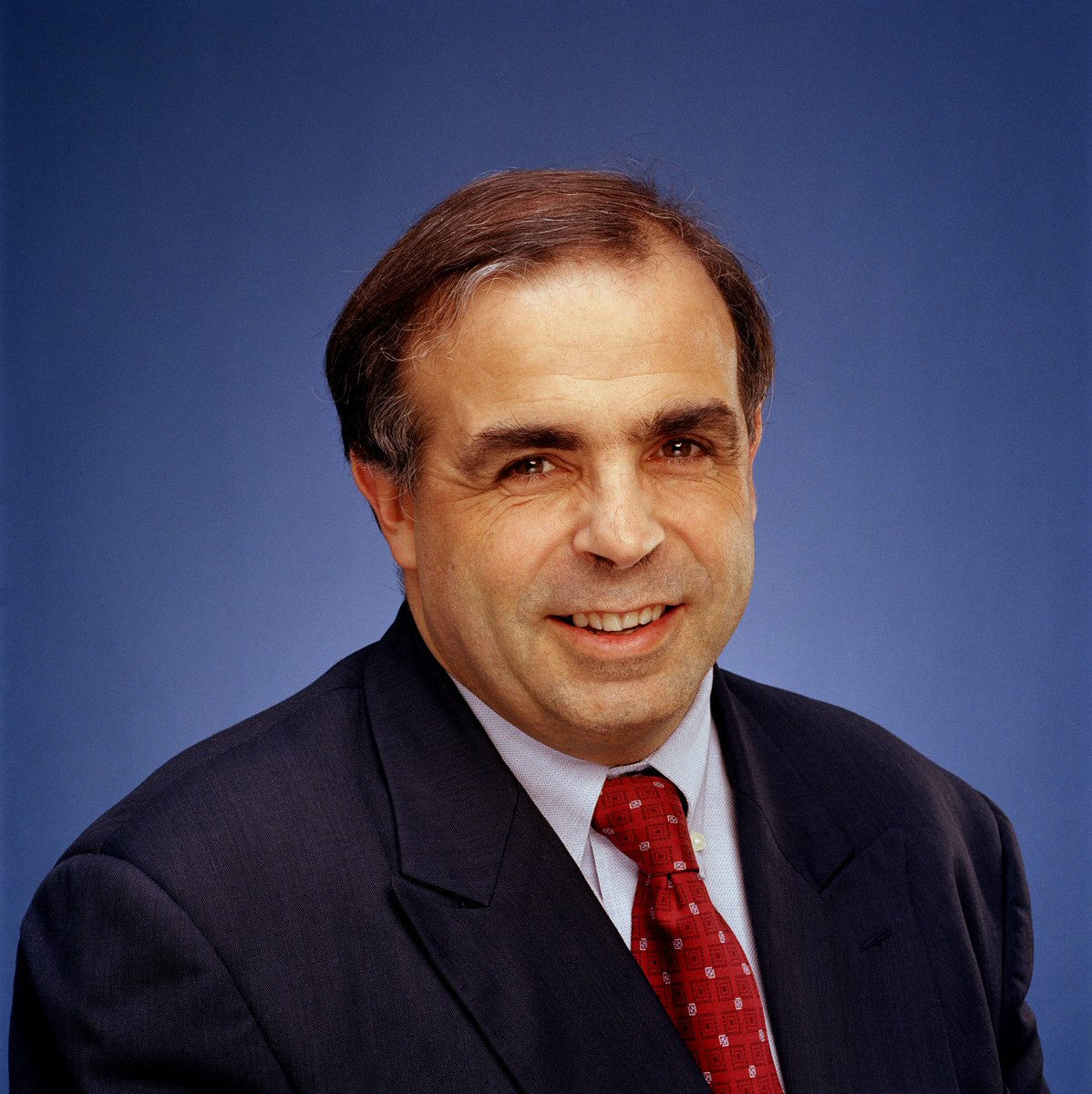
Former Nonresident Senior Fellow, South Asia Program
Frédéric Grare was a nonresident senior fellow at the Carnegie Endowment for International Peace, where his research focuses on Indo-Pacific dynamics, the search for a security architecture, and South Asia Security issues.
Recent Work
Frederic Grare
Frederic Grare
Carnegie does not take institutional positions on public policy issues; the views represented herein are those of the author(s) and do not necessarily reflect the views of Carnegie, its staff, or its trustees.
Between the United States’ market-driven approach and China's state-led industrial strategy, Europe is reckoning with how it can remain competitive in the global economy. But is Europe in danger of becoming a U.S. or China colony?
Noah Barkin, Anu Bradford
Preparing candidate countries for EU membership is no longer enough. As the enlargement process becomes a reality, the union must also prepare its own societies.

Iliriana Gjoni
Debate is heating up on how Turkey could be integrated into a common European defense framework. Commercial and industrial deals offer a better chance at alignment than sweeping political efforts.

Marc Pierini
Countries face several hurdles in joining the EU, including the final stage of ratifying their accession treaties. Procedural reforms and substantive adjustments could help move the process forward.

Stefan Lehne
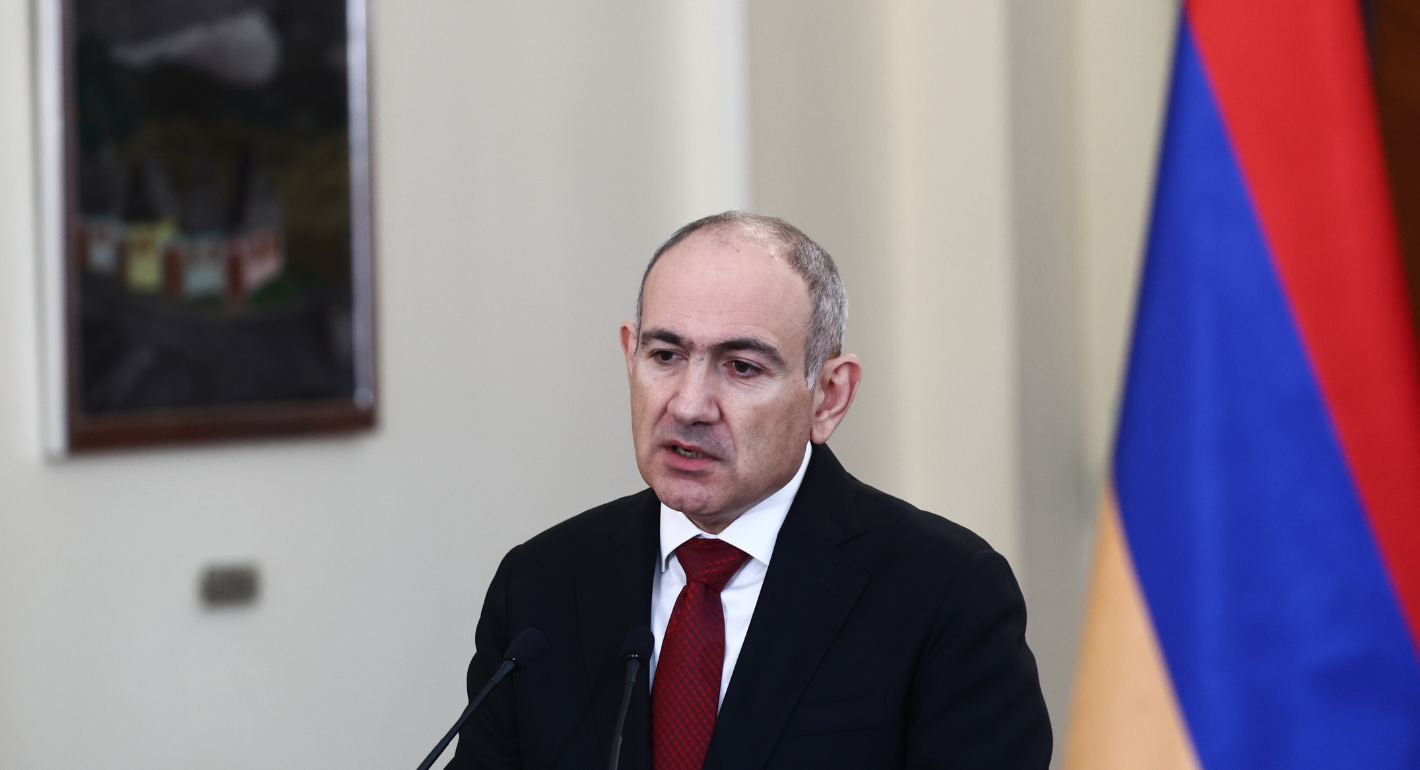
Europe has an interest in supporting Armenian leader Nikol Pashinyan as he tries to make peace with neighbors and loosen ties with Russia. But it is depersonalized support in the long term, not quickfire flash, that will win the day.

Thomas de Waal