

Paper
James L. Schoff, Douglas E. Rake, Joshua Levy
{
  "authors": [
    "James L. Schoff"
  ],
  "type": "legacyinthemedia",
  "centerAffiliationAll": "dc",
  "centers": [
    "Carnegie Endowment for International Peace"
  ],
  "collections": [],
  "englishNewsletterAll": "asia",
  "nonEnglishNewsletterAll": "",
  "primaryCenter": "Carnegie Endowment for International Peace",
  "programAffiliation": "AP",
  "programs": [
    "Asia"
  ],
  "projects": [],
  "regions": [
    "East Asia",
    "Japan"
  ],
  "topics": [
    "Economy"
  ]
}
Source: Getty
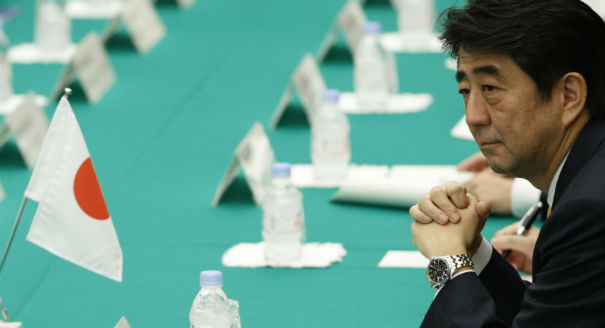
The December 2014 election has given Abe four more years until the next election. This potentially gives Abe the time needed to implement unpopular economic measures like structural reform in Japan.
Source: BloombergTV
In light of the low voter turnout in Japan’s December 2014, billed as a referendum on Prime Minister Abe’s economic policies known as “Abenomics,” Carnegie’s Jim Schoff was asked whether Abe should feel reaffirmed that his policies are what the Japanese people want. Schoff responded that the critical thing for Abe was that this election gave him a total of four years until needing another election, to implement his policies as a sort of “preemptive strike” against the uncoordinated opposition parties. Schoff said that Abe could now take the more unpopular steps and recover with a more productive economy. He added that Abe might take a number of specific short-term steps, such as implement a fiscal stimulus (around $25 billion) and a corporate tax cut so that the rate would be at a low of 20 percent. Schoff finished by saying that in the long-term Abe is looking to tackle deregulation in the electricity sector and also tackle the more entrenched issues of agriculture reform and healthcare reform.

Former Senior Fellow, Asia Program
James L. Schoff was a senior fellow in the Carnegie Asia Program. His research focuses on U.S.-Japan relations and regional engagement, Japanese technology innovation, and regional trade and security dynamics.
Recent Work
James L. Schoff, Douglas E. Rake, Joshua Levy
James L. Schoff
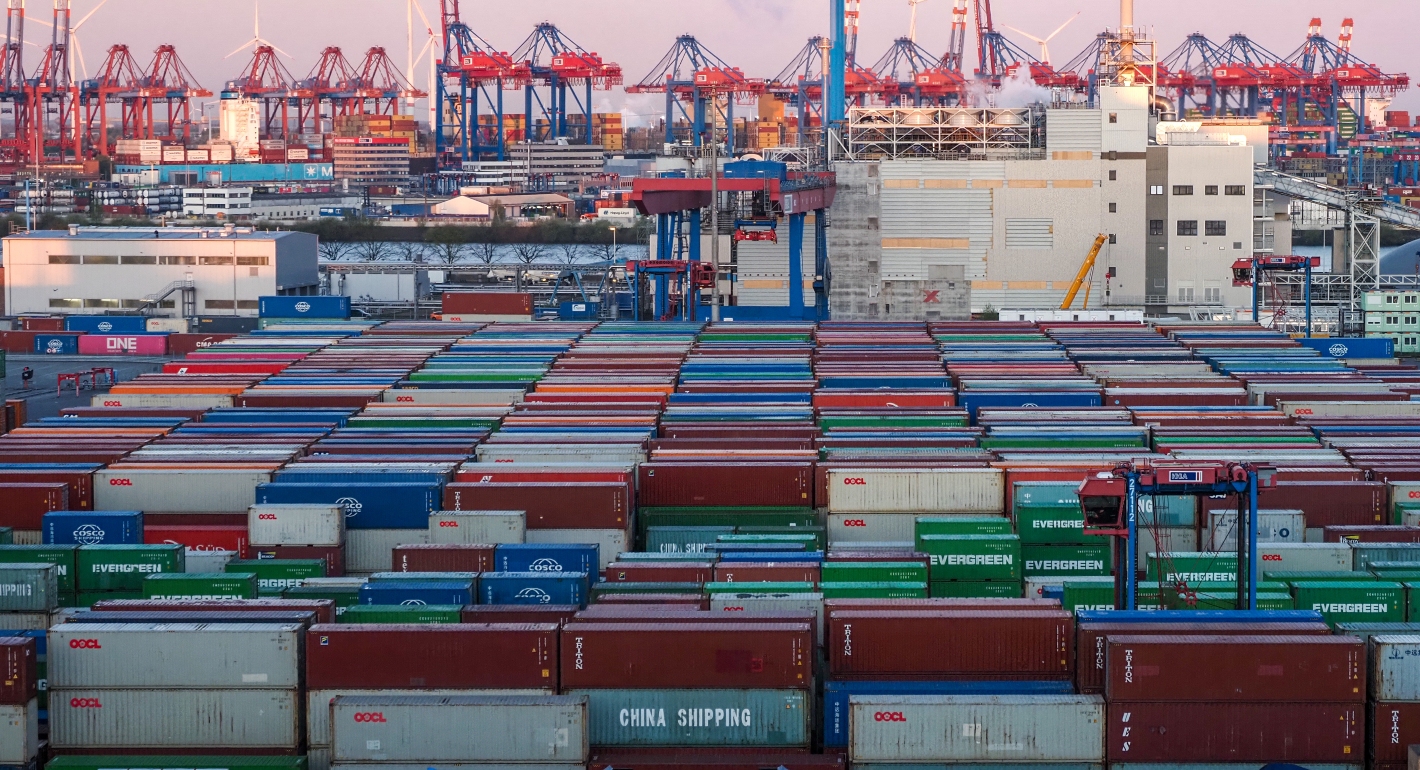
As geopolitical rivalry weaponizes global supply chains, the EU’s true vulnerability lies in emerging-risk imports. For these goods, suppliers are growing more concentrated, substitution more difficult, and political risk is looming.

Sinan Ülgen

The EU is putting together a new security strategy to meet today’s myriad challenges. But for any proposal to be effective, the union needs to grapple with its identity and ambitions.

Pierre Vimont
Between the United States’ market-driven approach and China's state-led industrial strategy, Europe is reckoning with how it can remain competitive in the global economy. But is Europe in danger of becoming a U.S. or China colony?

Noah Barkin, Anu Bradford
The U.S.-sponsored TRIPP deal is driving the Armenia-Azerbaijan peace process forward. But foreign and domestic hurdles remain before connectivity and economic interdependence can open up the South Caucasus.



Thomas de Waal, Areg Kochinyan, Zaur Shiriyev

Economic growth is at the heart of a dilemma between planetary and international security.

Olivia Lazard