

Commentary
Western Europe’s dual-use infrastructure melted down during its latest heat wave. If a predicted hot weather event can take the continent by surprise, what chance does it have to withstand unexpected geopolitical crises?
Rym Momtaz
{
  "authors": [
    "Adam R. Brandt",
    "Yuchi Sun",
    "Sharad Bharadwaj",
    "David Livingston",
    "Eugene Tan",
    "Deborah Gordon"
  ],
  "type": "other",
  "centerAffiliationAll": "dc",
  "centers": [
    "Carnegie Endowment for International Peace"
  ],
  "collections": [],
  "englishNewsletterAll": "ctw",
  "nonEnglishNewsletterAll": "",
  "primaryCenter": "Carnegie Endowment for International Peace",
  "programAffiliation": "SCP",
  "programs": [
    "Sustainability, Climate, and Geopolitics"
  ],
  "projects": [
    "Carnegie Oil Initiative"
  ],
  "regions": [
    "North America"
  ],
  "topics": [
    "Climate Change"
  ]
}
Source: Getty
In order to better understand the drivers of the energy productivity of oil production, it is possible to apply a detailed field-level engineering model of oil and gas production to estimate energy requirements of drilling, producing, processing, and transporting crude oil.
Source: Plos One
Studies of the energy return on investment (EROI) for oil production generally rely on aggregated statistics for large regions or countries. In order to better understand the drivers of the energy productivity of oil production, we use a novel approach that applies a detailed field-level engineering model of oil and gas production to estimate energy requirements of drilling, producing, processing, and transporting crude oil. We examine 40 global oilfields, utilizing detailed data for each field from hundreds of technical and scientific data sources.
Resulting net energy return (NER) ratios for studied oil fields range from ≈2 to ≈100 MJ crude oil produced per MJ of total fuels consumed. External energy return (EER) ratios, which compare energy produced to energy consumed from external sources, exceed 1000:1 for fields that are largely self-sufficient. The lowest energy returns are found to come from thermally-enhanced oil recovery technologies.
Results are generally insensitive to reasonable ranges of assumptions explored in sensitivity analysis. Fields with very large associated gas production are sensitive to assumptions about surface fluids processing due to the shifts in energy consumed under different gas treatment configurations. This model does not currently include energy invested in building oilfield capital equipment (e.g., drilling rigs), nor does it include other indirect energy uses such as labor or services....
Read the full text of this article on Plos One.
Adam R. Brandt
Yuchi Sun
Sharad Bharadwaj
Former Associate Fellow, Energy and Climate Program
Livingston was an associate fellow in Carnegie’s Energy and Climate Program, where his research focuses on emerging markets, technologies, and risks.
Eugene Tan
Former Junior Fellow, Energy and Climate Program

Former Director and Senior Fellow, Energy and Climate Program
Gordon was director of Carnegie’s Energy and Climate Program, where her research focuses on oil and climate change issues in North America and globally.
Carnegie does not take institutional positions on public policy issues; the views represented herein are those of the author(s) and do not necessarily reflect the views of Carnegie, its staff, or its trustees.

Western Europe’s dual-use infrastructure melted down during its latest heat wave. If a predicted hot weather event can take the continent by surprise, what chance does it have to withstand unexpected geopolitical crises?

Rym Momtaz
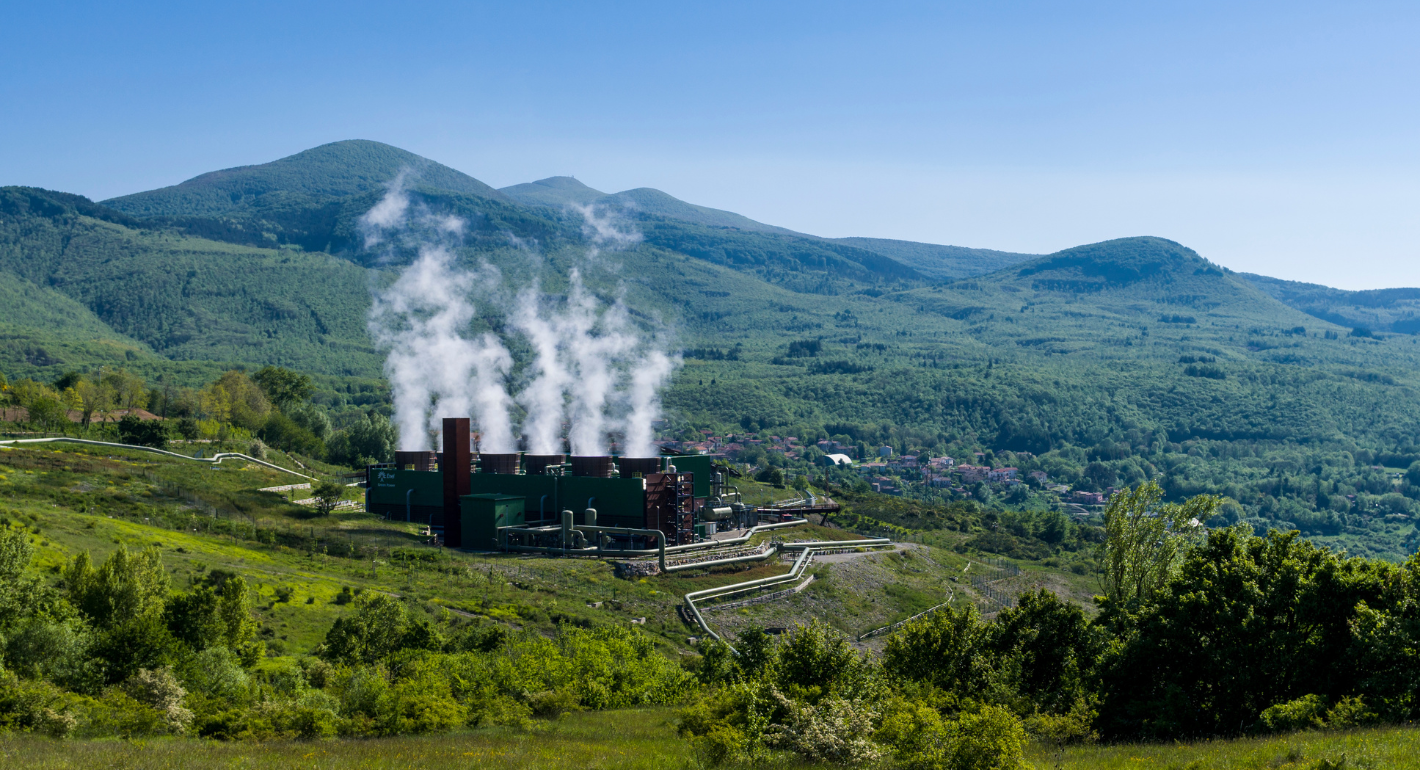
Europe’s industrial supply chains leave it vulnerable to global shocks. The EU needs a pragmatic green industrial strategy that balances durable partnerships and bolsters homegrown clean tech without sacrificing low-carbon ambition.


Milo McBride, Pauline Gerard
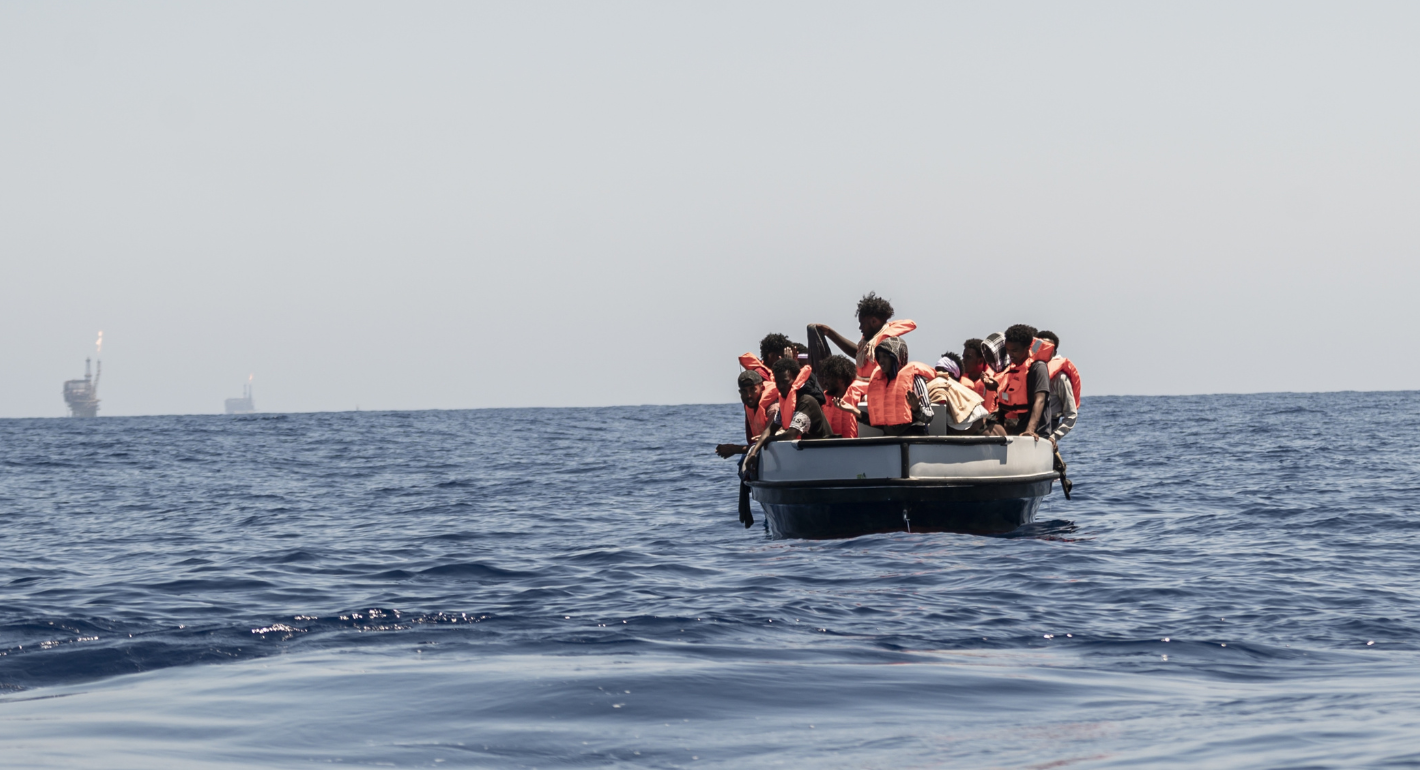
The EU’s new migration policy is not suited to today’s realities. With climate change increasingly becoming a driver of displacement, Europe needs to rethink its deterrence-focused approach.

Shana Tabak
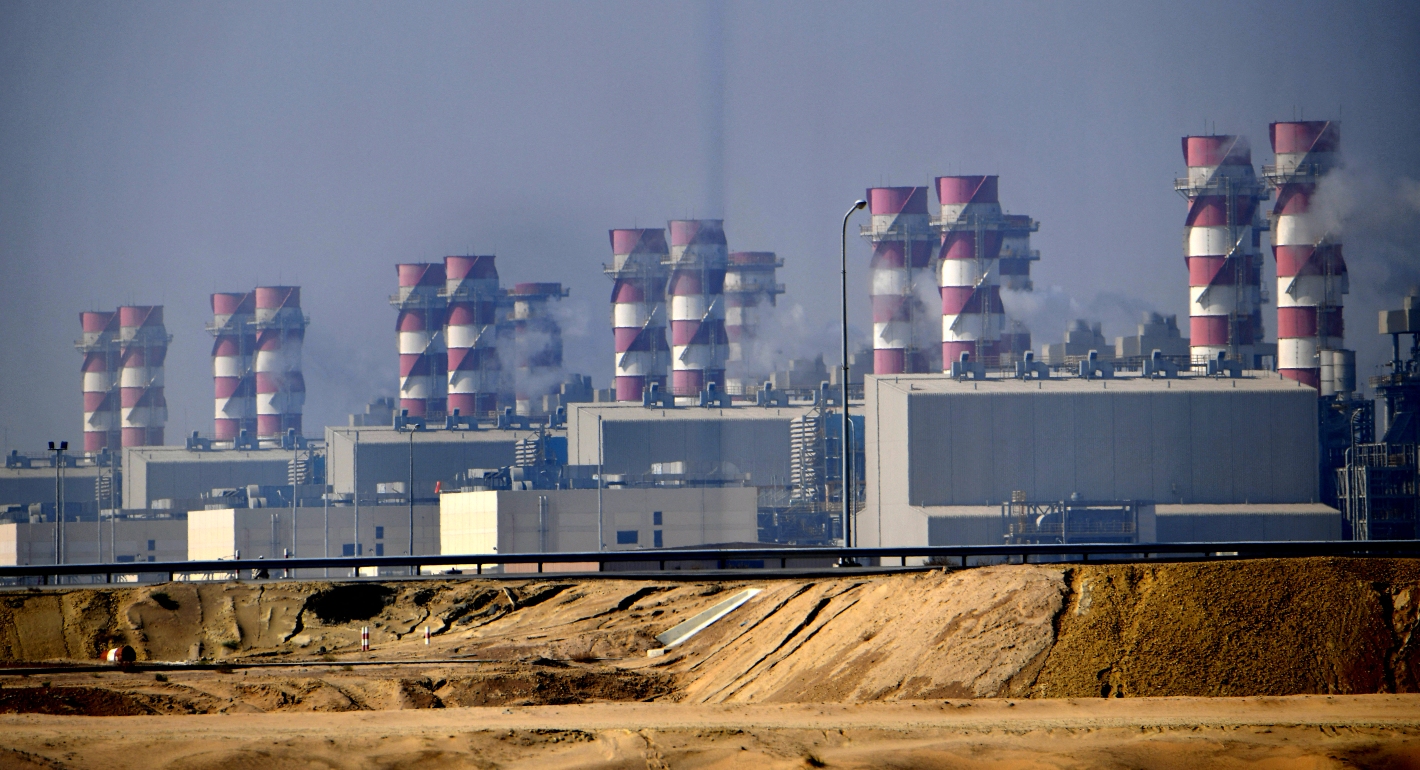
The U.S.-Iran war has crossed a dangerous threshold: water infrastructure in the Gulf is now a target. Ecological statecraft is no longer peripheral to security, it's part of its foundations.


Olivia Lazard, Ali Bin Shahid
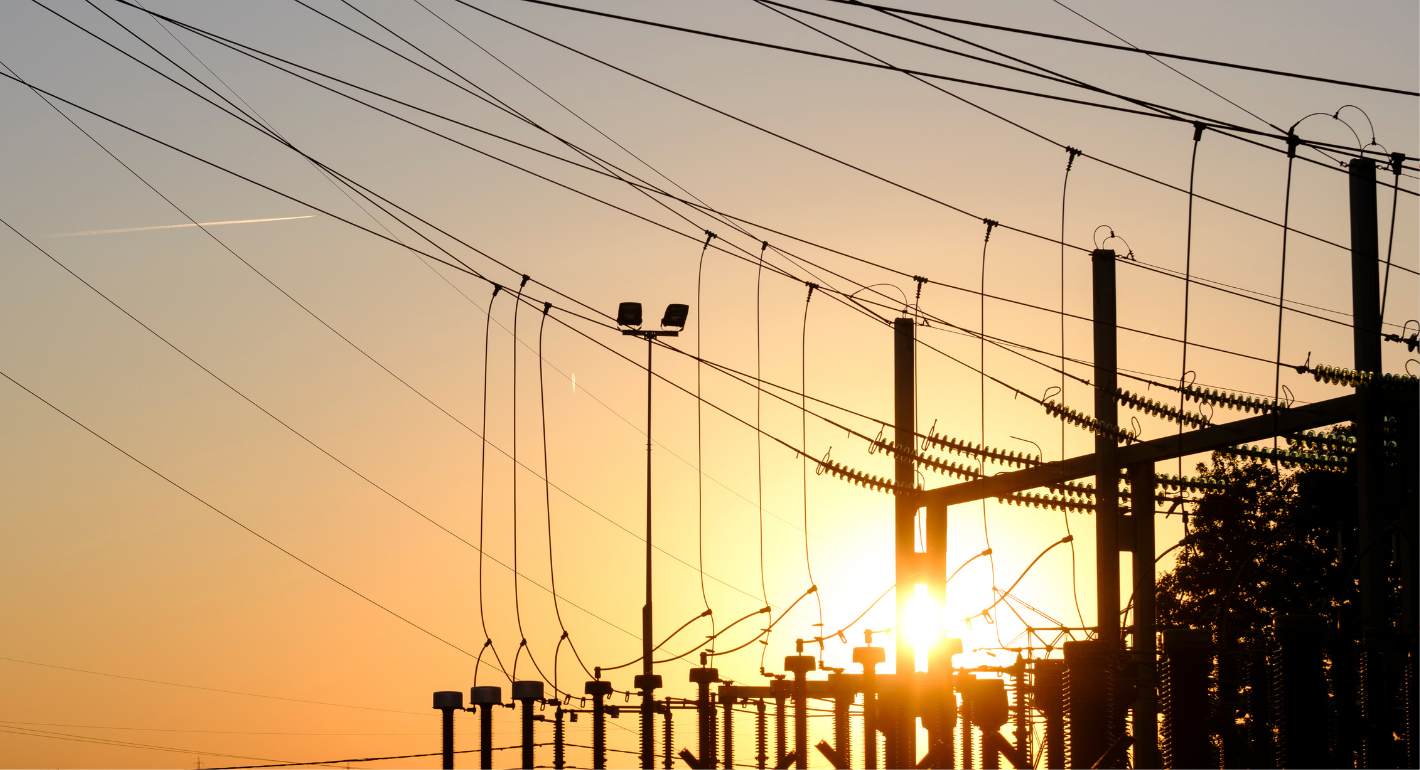
The closure of the Strait of Hormuz has triggered a global energy crisis, but Europe is stuck in reaction mode. Without more strategic foresight, the EU will remain dependent on fossil fuels and will never be truly secure.
Milo McBride, Pauline Gerard