

Research
- +4
Milan Vaishnav, Rahul Verma, Rukmini S., …
{
  "authors": [
    "Christophe Jaffrelot"
  ],
  "type": "other",
  "centerAffiliationAll": "dc",
  "centers": [
    "Carnegie Endowment for International Peace"
  ],
  "collections": [],
  "englishNewsletterAll": "ctw",
  "nonEnglishNewsletterAll": "",
  "primaryCenter": "Carnegie Endowment for International Peace",
  "programAffiliation": "SAP",
  "programs": [
    "South Asia"
  ],
  "projects": [],
  "regions": [
    "South Asia",
    "India"
  ],
  "topics": [
    "Democracy",
    "Economy"
  ]
}
Source: Getty
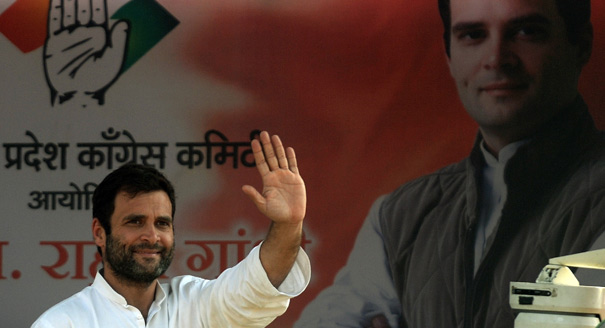
Caste politics are partially returning to Gujarat, as the Patel caste has begun to back Congress once more. Their shift away from the BJP is in response to growing inequality.
Source: Studies in Indian Politics
The Patels, a dominant caste of Gujarat, rallied around the Congress in the 1920s and remained behind the ruling party until the 1980s, when they shifted to the Bharatiya Janata Party (BJP) because of the pro-Other Backward Classes (OBCs) reservation policy of the Congress Chief Minister Madhavsinh Solanki. As evident from the 2015 local elections, rural Patels are getting back to Congress. They resent the fact that the BJP, the ruling party for almost two decades, refuses to include Patels on the list of the OBCs. This demand, articulated by Hardik Patel, and other youth leaders, reflects the growing socio-economic inequalities within this caste group, not only because of the gap between peasants and urban dwellers but also because of the scarcity of good jobs in the private sectors, one of the outcomes of the ‘Gujarat model’....
This article was originally published in Studies in Indian Politics.

Former Nonresident Scholar, South Asia Program
Jaffrelot’s core research focuses on theories of nationalism and democracy, mobilization of the lower castes and Dalits (ex-untouchables) in India, the Hindu nationalist movement, and ethnic conflicts in Pakistan.
Recent Work

Milan Vaishnav, Rahul Verma, Rukmini S., …
Christophe Jaffrelot
Carnegie does not take institutional positions on public policy issues; the views represented herein are those of the author(s) and do not necessarily reflect the views of Carnegie, its staff, or its trustees.

Radical-right parties are expected to do well in upcoming elections in four of the EU's biggest member states. If successful, they could prevent the union from addressing key challenges ahead.

Stefan Lehne
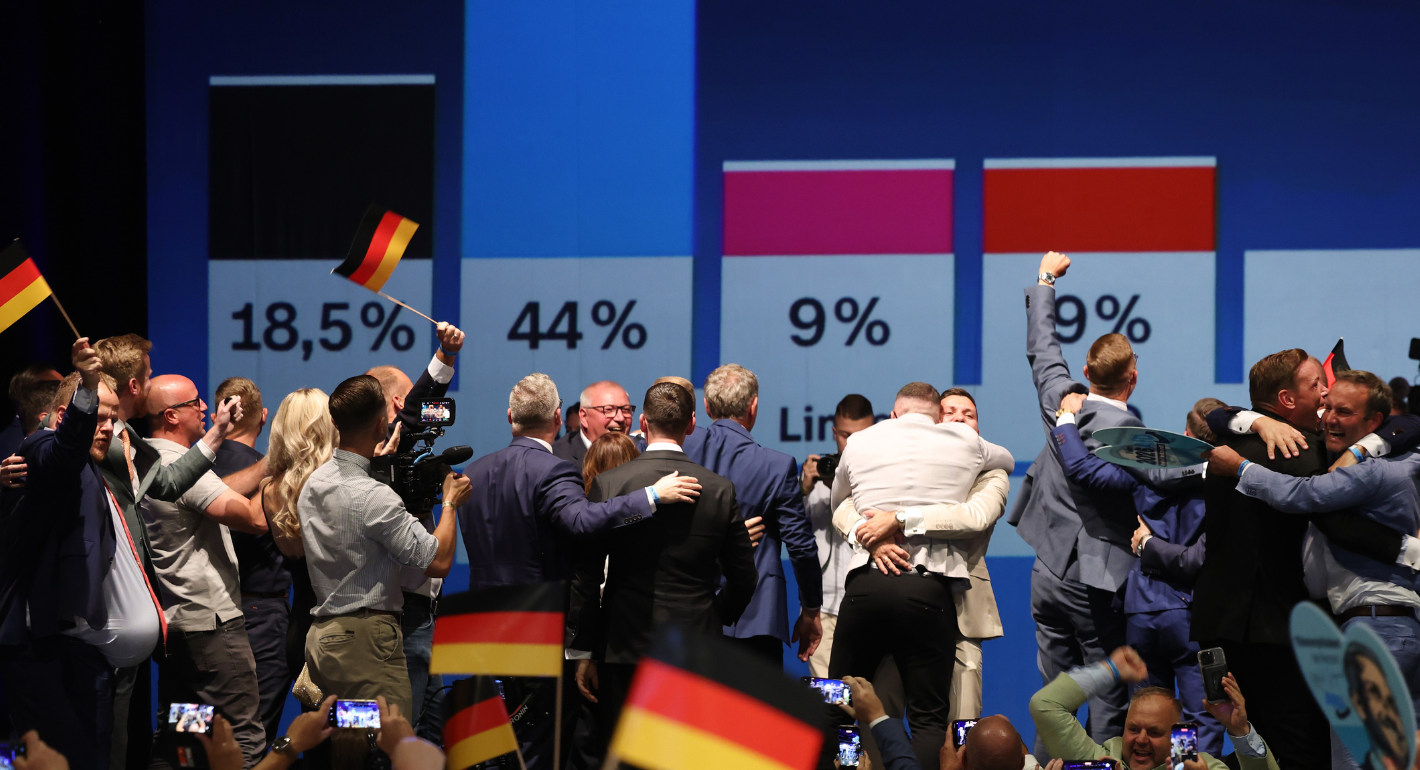
An overwhelming victory by a far-right-wing party in a small state in eastern Germany will have major repercussions for Chancellor Friedrich Merz’s coalition.

Judy Dempsey

In supporting Europe’s far-right, MAGA and Russia both want the same thing: a weaker EU. Europe must defend itself without abandoning the openness these forces exploit.

Armida van Rij

The hybrid warfare landscape is evolving rapidly, leaving policymakers without clear strategies. To better inform their work in addressing emerging challenges, governments must dig deeper into the underlying dynamics at play.


Raluca Csernatoni, Alicia Wanless

As the EU confronts profound challenges, several leaders have called for fundamental reform to the union’s model—but only modest, superficial changes have resulted. What if Europe really could be reimagined from zero today: What should such a redesigned European order look like?

Richard Youngs, ed.