

Commentary
Maha Yahya
{
  "authors": [
    "Maha Yahya"
  ],
  "type": "legacyinthemedia",
  "centerAffiliationAll": "dc",
  "centers": [
    "Carnegie Endowment for International Peace",
    "Malcolm H. Kerr Carnegie Middle East Center"
  ],
  "collections": [],
  "englishNewsletterAll": "menaTransitions",
  "nonEnglishNewsletterAll": "",
  "primaryCenter": "Malcolm H. Kerr Carnegie Middle East Center",
  "programAffiliation": "MEP",
  "programs": [
    "Middle East"
  ],
  "projects": [],
  "regions": [
    "Iran",
    "Levant",
    "Syria",
    "Iraq",
    "Middle East"
  ],
  "topics": [
    "Political Reform"
  ]
}
Source: Getty
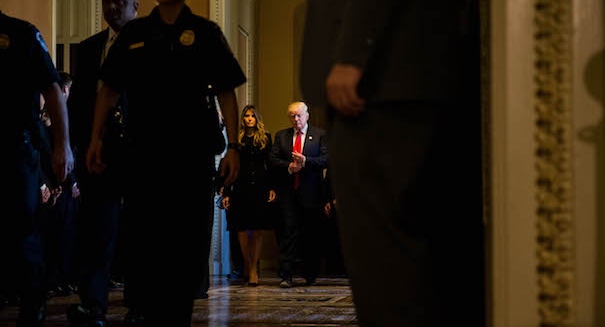
Trump's proposed heavy handed foreign policy could lead to a rise in radicalization globally.
Source: Al Jazeera
Carnegie Middle East Center's Director Maha Yahya joined Al Jazeera's Inside Story with Martine Dennis, alongside J.D. Gordon, national security and foreign policy adviser to Donald Trump, and Samer Shehata, associate professor of politics and international relations at the Doha Institute for Graduate Studies, to discuss US president-elect Donald Trump's stances on Syria, ISIL, and Iran. Yahya argued that Trump's proposed strategy of increased bombing of ISIL targets without regards to civilian lives is severely misguided and will only increase the threat of radicalization and terrorism globally. Yahya stated that eliminating ISIL means looking at the root causes of the group and working with the Iraqi government and US allies.
According to Yahya, rivalries between and the radicalization of Sunni and Shia communities and polarization between Saudi Arabia and Iran did not happen because strongmen in the region were removed but because how these strongmen ruled the region. She also noted that the US and its allies do have boots on the ground fighting ISIS. Maintaining Assad is not a viable solution for peace and could be fodder for more radicalization. Also Yahya pointed out that US-Russian cooperation should focus on local governance in Syria. On the topic of the Arab-Israeli conflict, Yahya argued that Trump's proposition to move the US embassy in Israel from Tel Aviv to Jerusalem and declare Jerusalem as the capital of Israel could spur a third intifada.

Director, Malcolm H. Kerr Carnegie Middle East Center
Maha Yahya is director of the Malcolm H. Kerr Carnegie Middle East Center, where her research focuses on citizenship, pluralism, and social justice in the aftermath of the Arab uprisings.
Recent Work
Maha Yahya
Maha Yahya
Carnegie does not take institutional positions on public policy issues; the views represented herein are those of the author(s) and do not necessarily reflect the views of Carnegie, its staff, or its trustees.
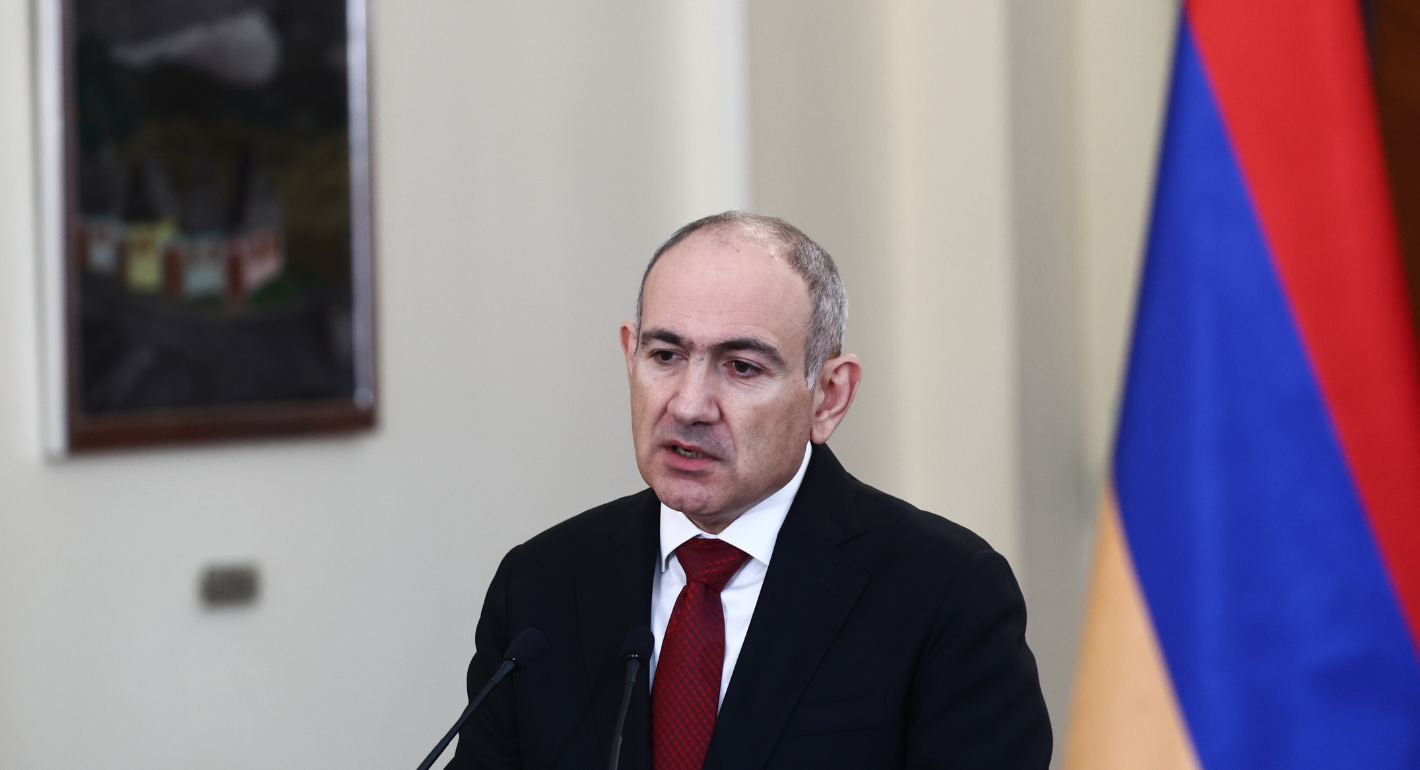
Europe has an interest in supporting Armenian leader Nikol Pashinyan as he tries to make peace with neighbors and loosen ties with Russia. But it is depersonalized support in the long term, not quickfire flash, that will win the day.

Thomas de Waal
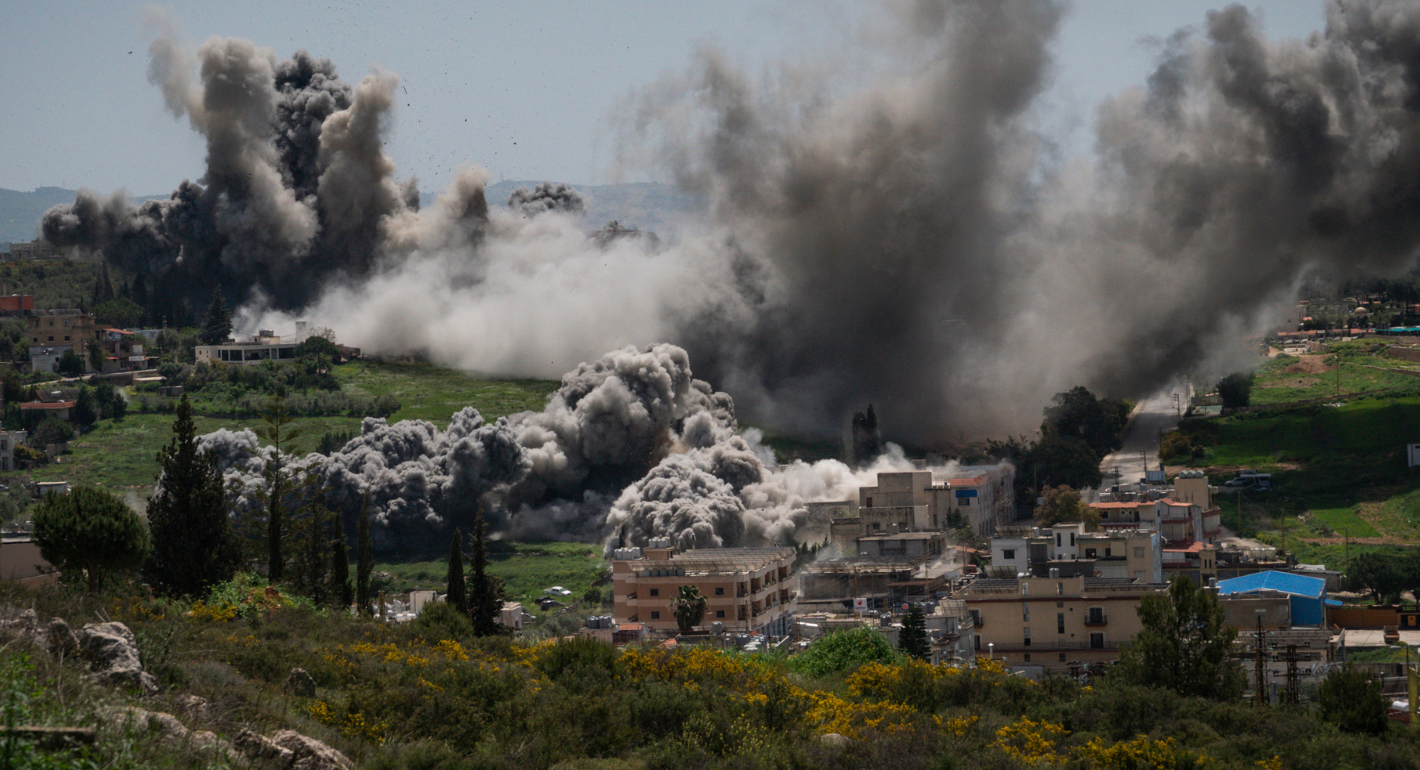
Europe has been standing by while its Southern neighborhood is being redrawn by force. To establish a path to peace between Israel and Lebanon, it’s time for Europeans to get involved with hard power.

Rym Momtaz

In Ukraine, Gaza, and Iran, AI warfare has come to dominate, with barely any oversight or accountability. Europe must lead the charge on the responsible use of new military technologies.

Raluca Csernatoni
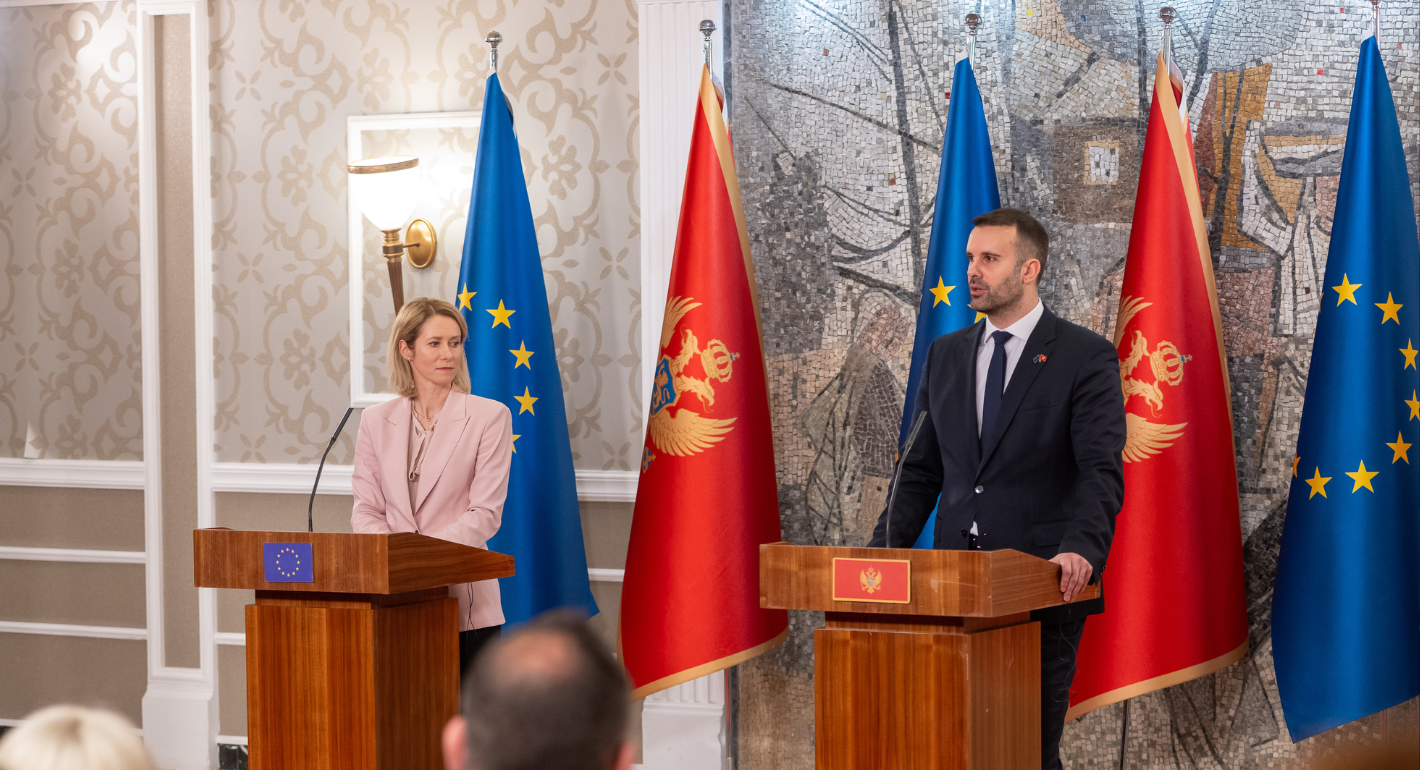
Montenegro and Albania are frontrunners for EU enlargement in the Western Balkans, but they can’t just sit back and wait. To meet their 2030 accession ambitions, they must make a strong positive case.


Dimitar Bechev, Iliriana Gjoni
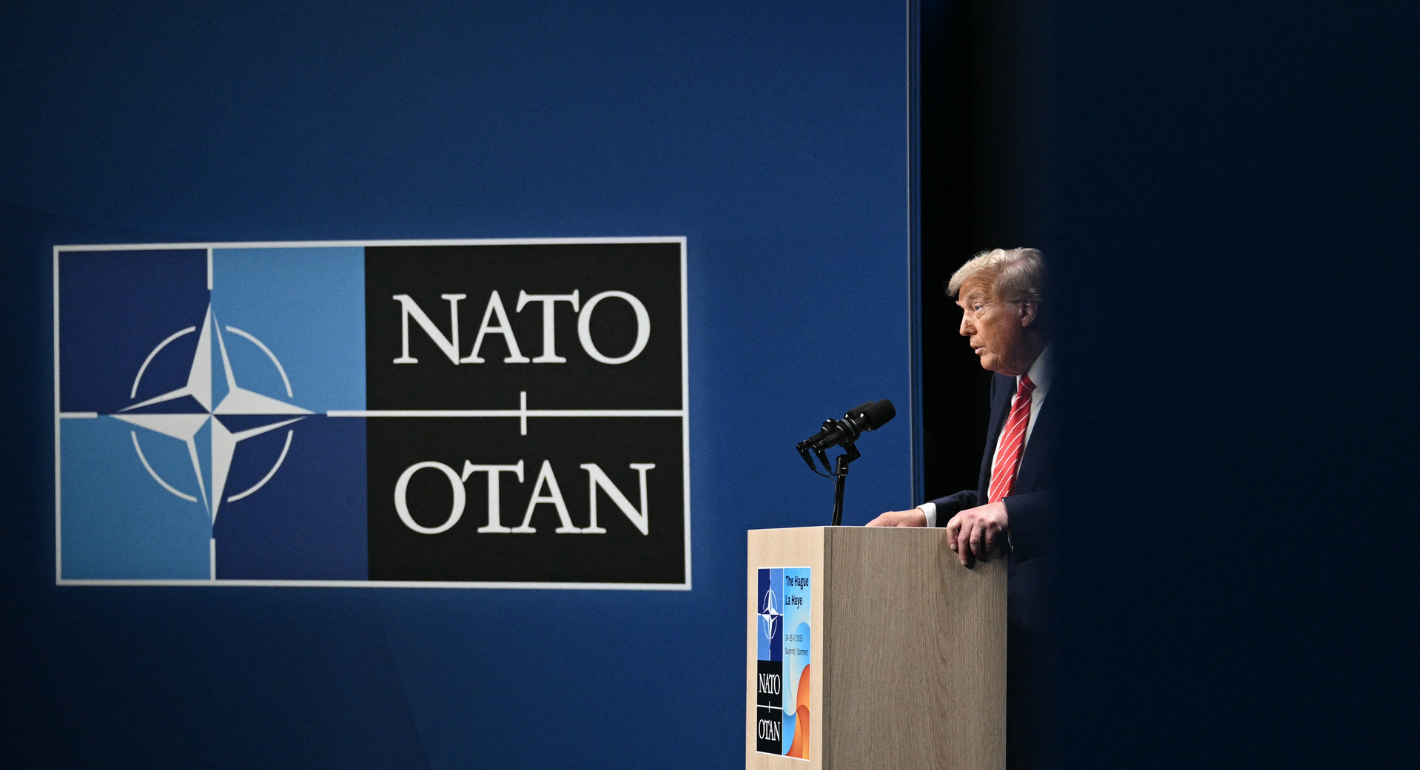
Donald Trump has repeatedly bashed NATO and European allies, threatening to annex Canada and Greenland and deploring their lack of enthusiasm for his war of choice in Iran. Is this latest round of abuse the final straw?
Rym Momtaz, ed.