

Commentary
Chung Min Lee
{
  "authors": [
    "Chung Min Lee"
  ],
  "type": "other",
  "centerAffiliationAll": "dc",
  "centers": [
    "Carnegie Endowment for International Peace"
  ],
  "collections": [],
  "englishNewsletterAll": "asia",
  "nonEnglishNewsletterAll": "",
  "primaryCenter": "Carnegie Endowment for International Peace",
  "programAffiliation": "AP",
  "programs": [
    "Asia"
  ],
  "projects": [],
  "regions": [
    "North America",
    "United States",
    "East Asia"
  ],
  "topics": [
    "Foreign Policy",
    "Global Governance"
  ]
}
Source: Getty
Asia in the 21st century is going to be a key test bed of the commercial peace theory and whether the U.S.-China strategic rivalry will result in some type of a conflict.
Source: Pacific Review
This paper explores the probable causes and consequences of an Asian Paradox or the highly incongruous structure of Asia within the broader international system: at once the engine of global economic growth while at the same time, the repository of all of the world's outstanding security threats and challenges. Asia in the 21st century is going to be a key test bed of the commercial peace theory and whether the U.S.-China strategic rivalry will result in some type of a conflict. Attention is also paid to the potential consequences flowing from the end of Asia's Meiji era or when all of Asia'smajor powers and key middle powers have achieved or are well on their way of achieving what Japan accomplished by the late 1890s: a wealthy economy and a strong military. How an increasingly wealthy, technologically advanced, and a militarily sophisticated Asia decides to cope with numerous security dilemmas is Asia's new Long March including the extent to which the region's strategically consequential states are willing to preserve and to strengthen the prevailing liberal international order.
Senior Fellow, Asia Program
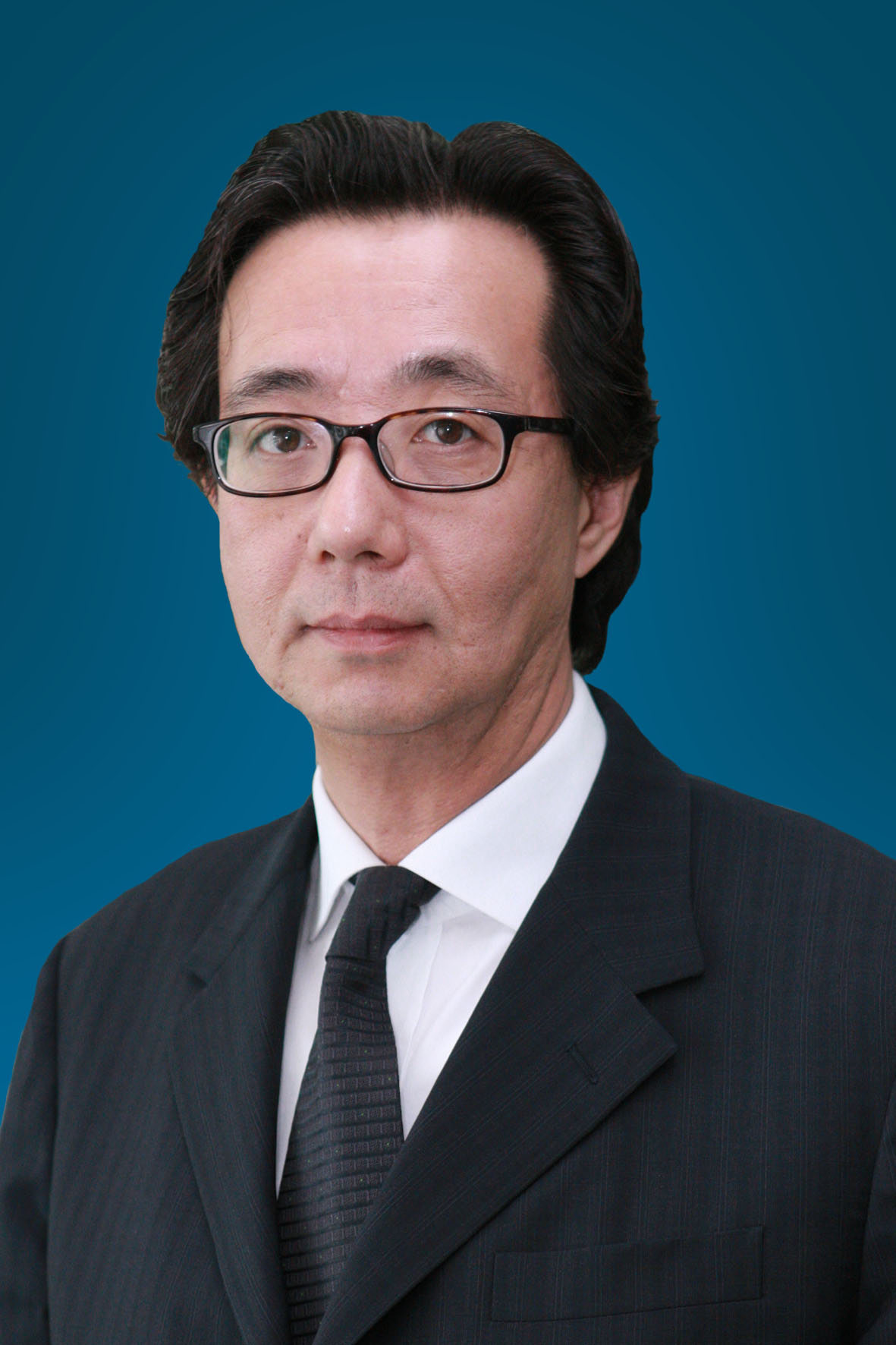
Chung Min Lee is a senior fellow in Carnegie’s Asia Program. He is an expert on Korean and Northeast Asian security, defense, intelligence, and crisis management.
Recent Work
Chung Min Lee
Carnegie does not take institutional positions on public policy issues; the views represented herein are those of the author(s) and do not necessarily reflect the views of Carnegie, its staff, or its trustees.

The European Commissioner for Trade is headed to China. But after President Xi’s bridge-building visit to Washington, can a more isolated EU overcome Beijing’s stranglehold on critical raw materials? Who will blink first?

Rym Momtaz, ed.

European NATO countries are wrestling with the possibility of U.S. disengagement from the alliance. With the continent’s security increasingly uncertain, governments must restore the credibility of their collective defense.



Hans-Dieter Lucas, Adam Thomson, Pierre Vimont

The new U.S.–Denmark–Greenland agreement will help Washington exert political, economic, and financial dominance under the guise of security. Yet, it acknowledged Copenhagen’s and Nuuk’s sovereignty on the island.

Marc Pierini

A summer of escalation in the Black Sea has hurt Ukraine economically and is exacerbating world food security. A truce is needed—as is a broader reframing of Europe’s Ukraine strategy.

Thomas de Waal

Are Germany’s economic, industrial, and political struggles becoming a liability for the EU’s ability to rise to the geopolitical moment?
Rym Momtaz, ed.