

Commentary
Are Germany’s economic, industrial, and political struggles becoming a liability for the EU’s ability to rise to the geopolitical moment?
Rym Momtaz, ed.
{
  "authors": [
    "Dalia Ghanem",
    "Raquel Barras Tejudo",
    "Giovanni Faleg",
    "Yahia H. Zoubir"
  ],
  "type": "other",
  "centerAffiliationAll": "dc",
  "centers": [
    "Carnegie Endowment for International Peace",
    "Malcolm H. Kerr Carnegie Middle East Center"
  ],
  "collections": [],
  "englishNewsletterAll": "menaTransitions",
  "nonEnglishNewsletterAll": "",
  "primaryCenter": "Malcolm H. Kerr Carnegie Middle East Center",
  "programAffiliation": "MEP",
  "programs": [
    "Middle East"
  ],
  "projects": [],
  "regions": [
    "Maghreb",
    "North Africa"
  ],
  "topics": [
    "Security"
  ]
}
Source: Getty
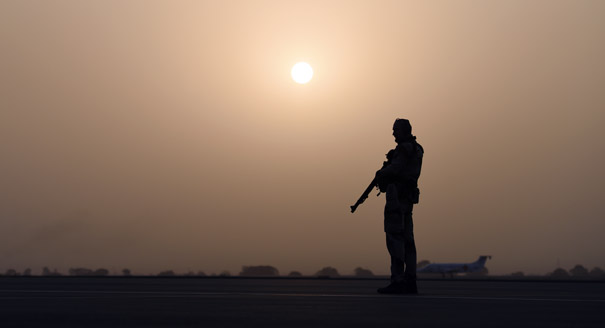
The Sahel is a source of high instability for the Maghreb and by extension for Europe.
Source: EuroMeSCo
Over the last decade, the EU’s engagement in the Sahel region has dramatically increased and is now more than ever focused on security. The Sahel has been suffering from a multidimensional crisis, such as poor governance, corruption, structural weaknesses and underdevelopment, while challenges such as droughts and famine affect all levels of society and can lead to strikes, revolts and violence. One must also add criminality, illicit trafficking and the rise of Jihadism. As a result, the Sahel is a source of high instability for the Maghreb and by extension for Europe.
The EU has been fostering bilateral and multilateral initiatives with Sahelian countries and tried to improve the dire socioeconomic conditions and the security situation. Despite all these efforts, the Sahel remains a quagmire and is likely to continue to be for the next decade. To stop the dangers coming from the Sahel, the EU must harmonise its multiple approaches to the region and ensure the ownership of Sahelian states over what happens and what is being undertaken, notably through the African Union and the Economic Community of West African States. Moreover, the EU has to treat regional partners such as Algeria like fully-fledged partners in Sahelian affairs.
The Joint Policy Study is composed of four chapters. The first chapter assesses the Jihadist threat in the Sahel; the second the impacts of foreign interventions; the third weighs the importance of including Algeria, an indisputable military power and peace broker; and, finally, the fourth assesses climate and demographic challenges for Sahelian security. All four chapters provide EU policy-makers with a set of policy recommendations to better approach what have become Europe’s African borders.
This Joint Policy Study was written in the framework of the EuroMeSCo Working Package “Sahel and Security in the Mediterranean”, led by Dr. Dalia Ghanem-Yazbeck, Resident Scholar at Carnegie Middle East Centre.
Former Senior Resident Scholar, Malcolm H. Kerr Carnegie Middle East Center
Dalia Ghanem was a senior resident scholar at the Malcolm H. Kerr Carnegie Middle East Center in Beirut, where her research focuses on Algeria’s political, economic, social, and security developments. Her research also examines political violence, radicalization, civil-military relationships, transborder dynamics, and gender.
Raquel Barras Tejudo
Giovanni Faleg
Yahia H. Zoubir
Carnegie does not take institutional positions on public policy issues; the views represented herein are those of the author(s) and do not necessarily reflect the views of Carnegie, its staff, or its trustees.

Are Germany’s economic, industrial, and political struggles becoming a liability for the EU’s ability to rise to the geopolitical moment?

Rym Momtaz, ed.

European states control several Overseas Countries and Territories around the world that carry strategic, economic, and environmental weight. As great powers challenge the rules-based order, defending them is a geopolitical imperative for Europe.

Marc Pierini

Mounting economic strain and battlefield losses will not necessarily make the Kremlin less dangerous. They could instead push Moscow toward a more aggressive hybrid campaign designed to test NATO’s Eastern flank, exploit allied hesitation, and fracture European resolve.

Maksym Beznosiuk

Over the past ten years, NATO has held almost as many summits as it did during the entirety of the Cold War. Are they still useful, or is it time to stop holding annual meetings?
Rym Momtaz, ed.
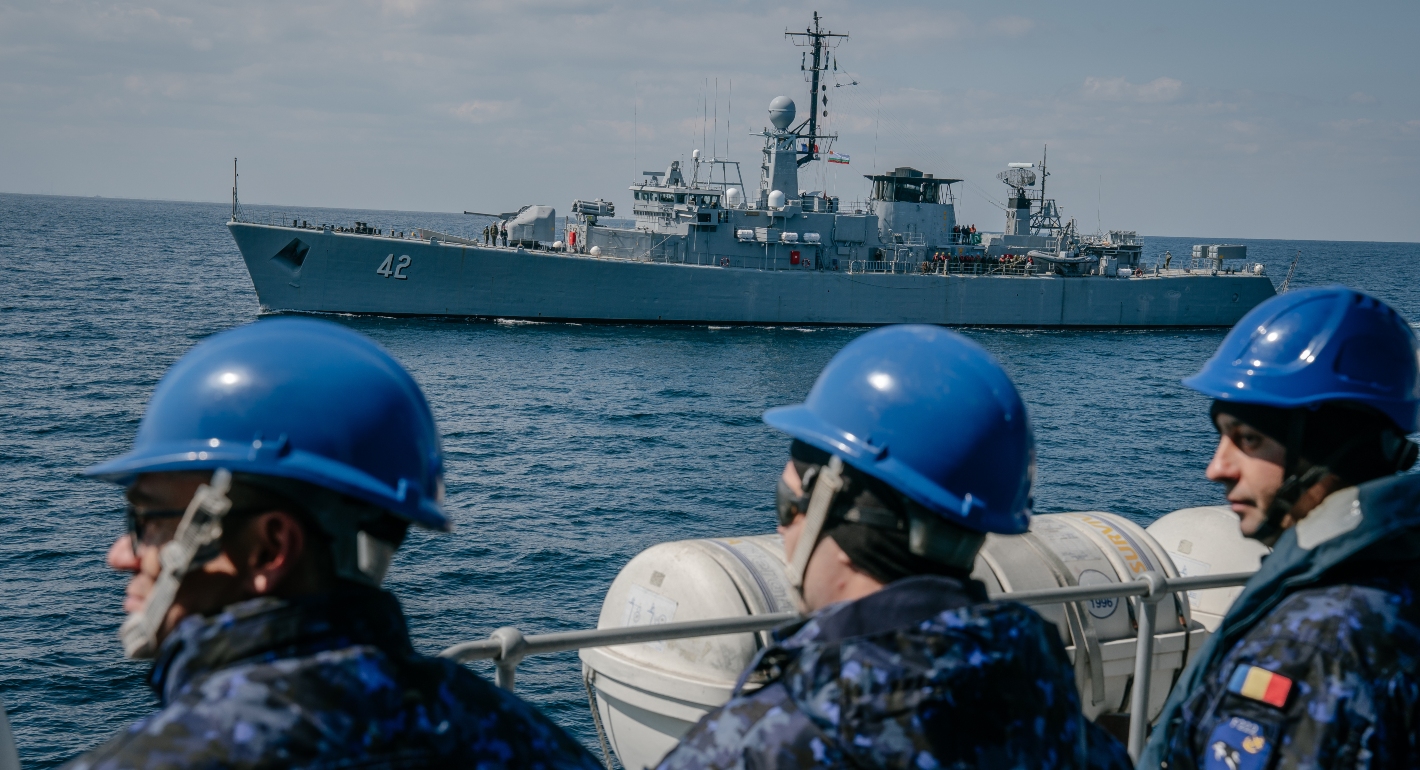
As Russia's war on Ukraine drags on, NATO is expanding its footprint in the Black Sea. Turkey, Romania, and Bulgaria are upgrading their fleets and deepening trilateral cooperation.

Dimitar Bechev