• Research
  • Strategic Europe
  • About
  • Experts
Carnegie Europe logoCarnegie lettermark logo
EUNATO
  • Donate
{
  "authors": [],
  "type": "pressRelease",
  "centerAffiliationAll": "dc",
  "centers": [
    "Carnegie Endowment for International Peace"
  ],
  "collections": [],
  "englishNewsletterAll": "ctw",
  "nonEnglishNewsletterAll": "",
  "primaryCenter": "Carnegie Endowment for International Peace",
  "programAffiliation": "TIA",
  "programs": [
    "Technology and International Affairs"
  ],
  "projects": [],
  "regions": [
    "Iran"
  ],
  "topics": []
}
REQUIRED IMAGE

REQUIRED IMAGE

Press Release

Hewlett Foundation Grants $2 Million to Carnegie Endowment for Work on International Cyber Policy

The Carnegie Endowment for International Peace announced a $2 million grant from the William and Flora Hewlett Foundation for its Cyber Policy Initiative.

Link Copied
Published on Dec 3, 2018

WASHINGTON – The Carnegie Endowment for International Peace announced a $2 million grant from the William and Flora Hewlett Foundation for its Cyber Policy Initiative.

This two-year grant, for which Carnegie is committed to raising matching funds, will help sustain and strengthen Carnegie’s efforts to bridge the gap between the pace of technological innovation and the global policy response. Leveraging Carnegie’s independent, global network, the Cyber Policy Initiative facilitates international cooperation to develop strategies, policies, and norms to achieve greater stability and civility in cyberspace. Much of this work seeks to mobilize market forces to motivate suppliers and users of technology to adopt cybersecurity best practices, recognizing the challenges that governments face in managing such rapidly evolving technology.

“The Carnegie Endowment for International Peace is already a go-to source for governments and industry alike for pragmatic policy solutions to the world’s most destabilizing cyber threats,” said Hewlett Foundation President Larry Kramer. “We’re delighted to support their growth and expansion, and eager to see how they put our grant funds to use for the benefit of societies around the world.”

“Weak rules and norms in cyberspace put global peace and prosperity at enormous risk. As cyber attacks grow more frequent and serious, it is becoming clear that governments and the private sector cannot tame cyberspace on their own,” said Carnegie Endowment President William J. Burns. “The Hewlett Foundation has been a terrific partner in our efforts to address this important policy challenge. I am deeply grateful for the foundation’s continued, generous support, and look forward to the opportunity to work closely with other equally fortunate grantees.” 

The Cyber Policy Initiative, part of Carnegie’s Technology and International Affairs Program, is a global endeavor composed of experts with deep scholarly expertise and extensive practical experience in law, diplomacy, military, national security policy, and the private sector.

Press Contact: Meshal DeSantis | +1 202 939 2233 | mdesantis@ceip.org

Iran

Carnegie does not take institutional positions on public policy issues; the views represented herein are those of the author(s) and do not necessarily reflect the views of Carnegie, its staff, or its trustees.

More Work from Carnegie Europe

  • Commentary
    Strategic Europe
    Taking the Pulse: Is European Diplomacy on Iran Outdated?

    When the U.S.-Iran memorandum of understanding was announced, the UK, France, Germany, and Italy declared their readiness to help demine the Strait of Hormuz and lift nuclear sanctions on Tehran. But does Europe need new tools to recover a diplomatic role?

      • Rym Momtaz

      Rym Momtaz, ed.

  • Commentary
    Strategic Europe
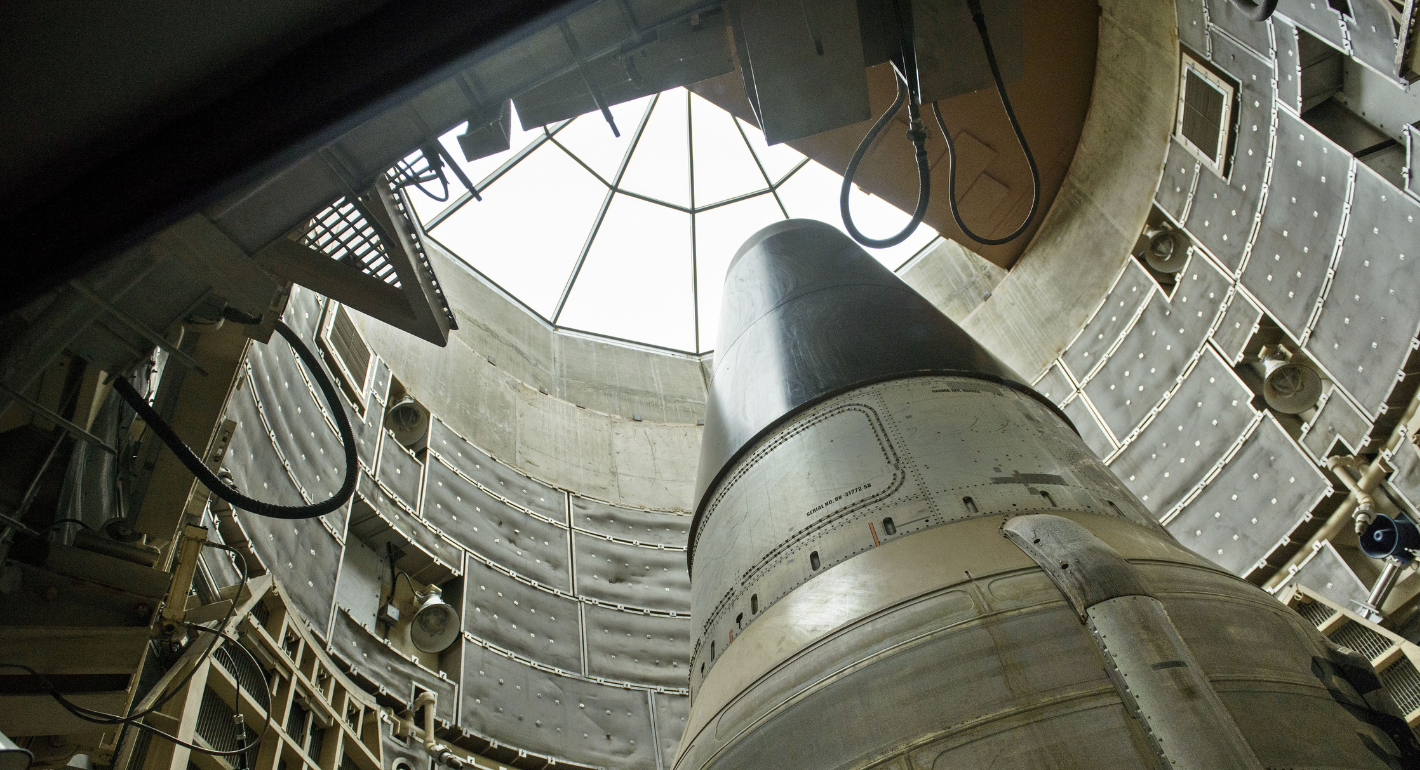
    Europe Should Not Let Nuclear Nonproliferation Die

    Amid uncertainty caused by the Iran war, the global drive for nonproliferation has stalled. With Europe diplomatically marginalized and countries reassessing their nuclear options, efforts to curb the spread of nuclear weapons risk becoming irrelevant.

      • Jane Darby Menton

      Jane Darby Menton

  • Climate desalination plant Saudi Arabia
    Paper
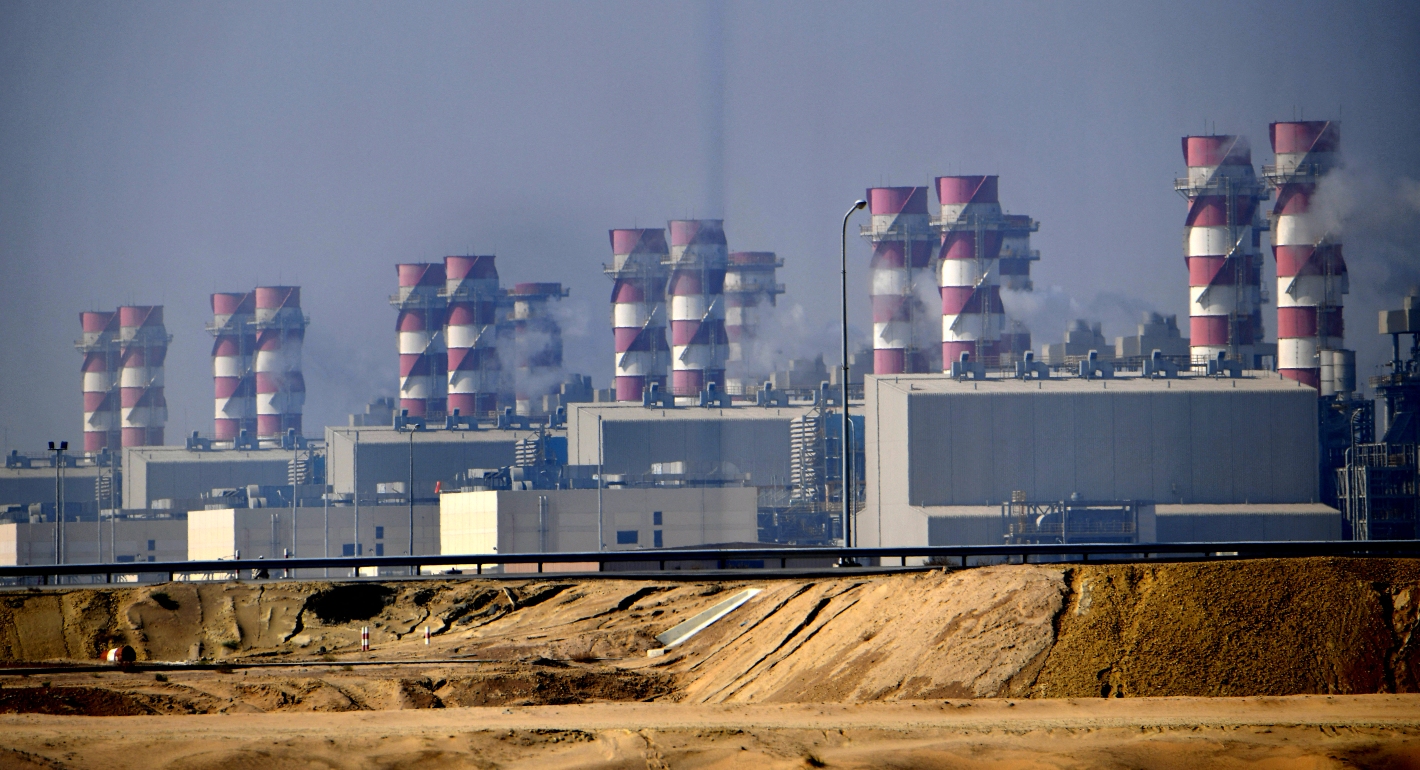
    Ecological Statecraft in the Midst of War: Water, Regeneration, and the Future of Gulf Security

    The U.S.-Iran war has crossed a dangerous threshold: water infrastructure in the Gulf is now a target. Ecological statecraft is no longer peripheral to security, it's part of its foundations.

      • Ali Bin Shahid

      Olivia Lazard, Ali Bin Shahid

  • Commentary
    Strategic Europe
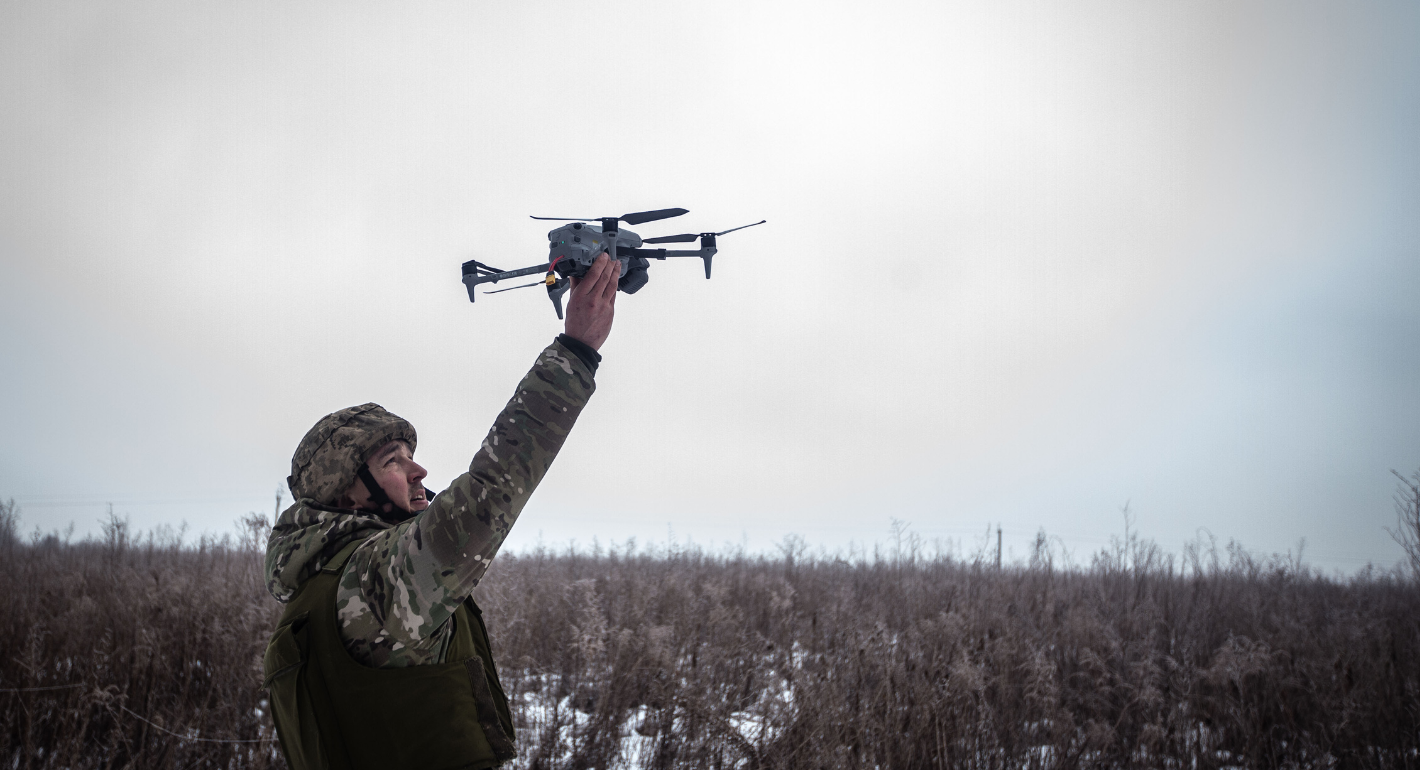
    The Fog of AI War

    In Ukraine, Gaza, and Iran, AI warfare has come to dominate, with barely any oversight or accountability. Europe must lead the charge on the responsible use of new military technologies.

      Raluca Csernatoni

  • Commentary
    Strategic Europe
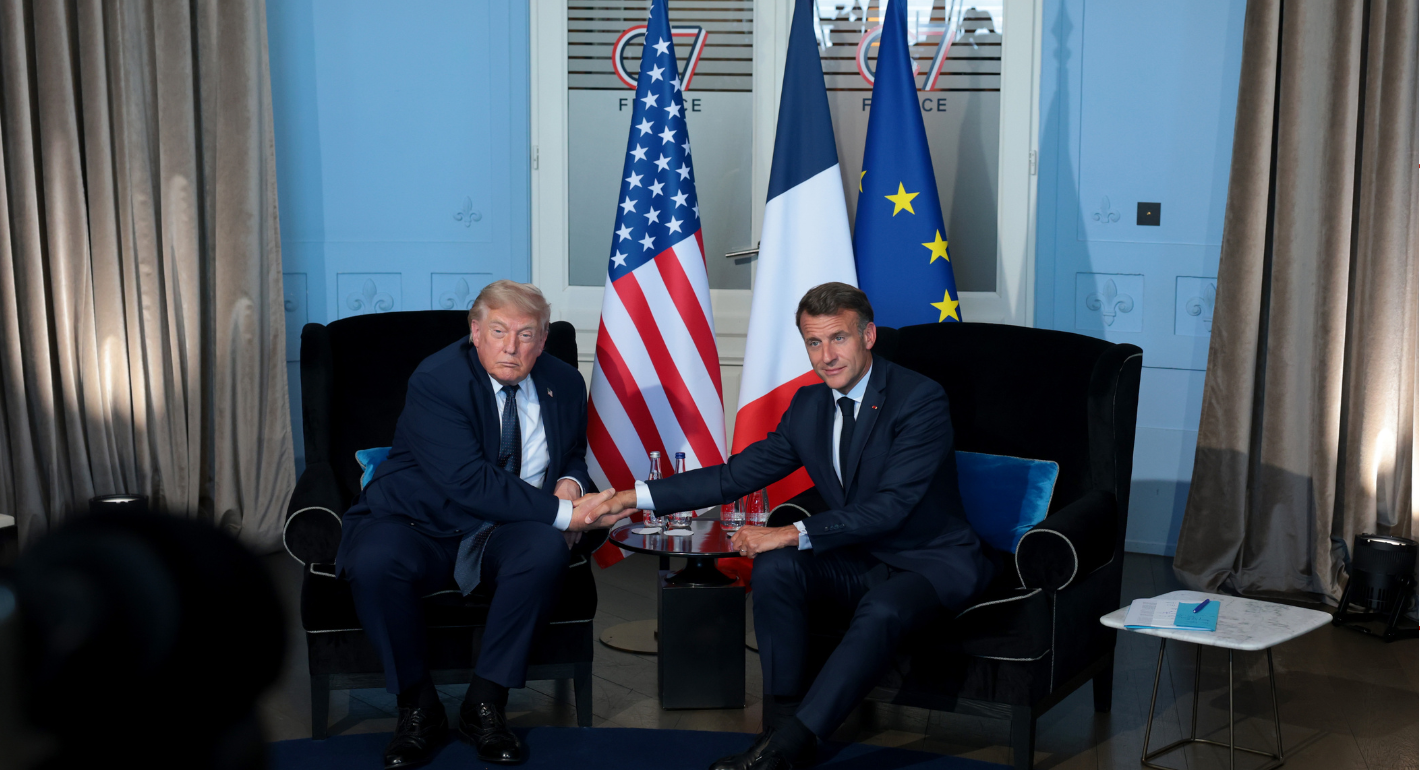
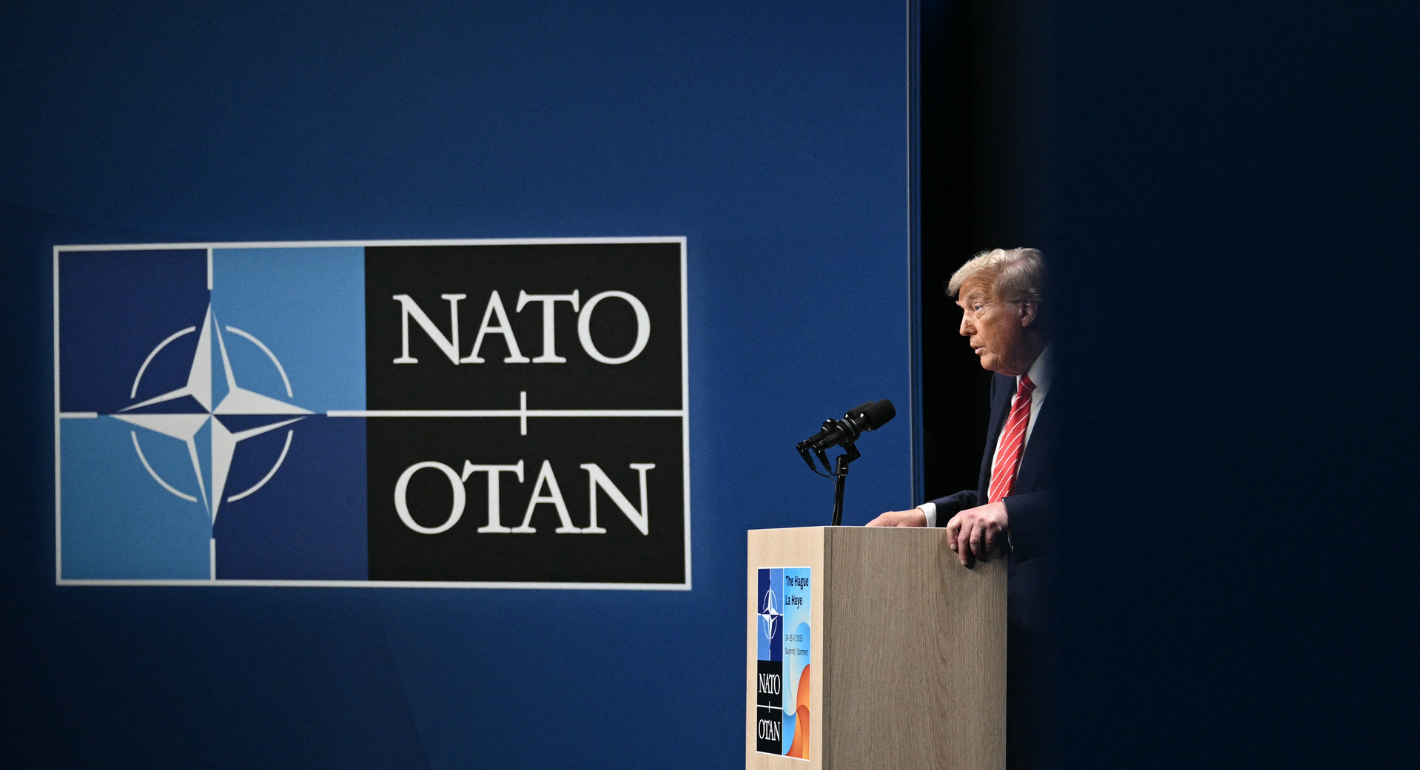
    Taking the Pulse: Can NATO Survive the Iran War?

    Donald Trump has repeatedly bashed NATO and European allies, threatening to annex Canada and Greenland and deploring their lack of enthusiasm for his war of choice in Iran. Is this latest round of abuse the final straw?

      • Rym Momtaz

      Rym Momtaz, ed.

Get more news and analysis from
Carnegie Europe
Carnegie Europe logo, white
Rue du Congrès, 151000 Brussels, Belgium
  • Research
  • Strategic Europe
  • About
  • Experts
  • Projects
  • Events
  • Contact
  • Careers
  • Privacy
  • For Media
  • Gender Equality Plan
Get more news and analysis from
Carnegie Europe
© 2026 Carnegie Endowment for International Peace. All rights reserved.