

Q&A
Steve Feldstein, Dara Massicot
{
  "authors": [
    "Steve Feldstein"
  ],
  "type": "legacyinthemedia",
  "centerAffiliationAll": "dc",
  "centers": [
    "Carnegie Endowment for International Peace"
  ],
  "collections": [],
  "englishNewsletterAll": "democracy",
  "nonEnglishNewsletterAll": "",
  "primaryCenter": "Carnegie Endowment for International Peace",
  "programAffiliation": "DCG",
  "programs": [
    "Democracy, Conflict, and Governance"
  ],
  "projects": [],
  "regions": [
    "North America",
    "United States",
    "Middle East",
    "United Arab Emirates"
  ],
  "topics": [
    "Global Governance",
    "Technology"
  ]
}
Source: Getty
As digital surveillance abuse challenges national security, what can national and foreign governments do to curb this breach of privacy?
Source: World Politics Review
Earlier this year, Reuters broke a stunning story. It disclosed that intelligence services from the United Arab Emirates had hired ex-U.S. operatives from the National Security Agency to hack into the iPhones of Emirati citizens in order to access their personal phone numbers, emails, passwords and even follow their location. The operation, code-named “Project Raven,” was supposed to track Islamic State cells. But Reuters uncovered a much more sinister pattern of surveillance. Under the guise of national security, Raven contractors broke into the personal communications of scores of human rights activists, civil society leaders and investigative journalists, both in the United Arab Emirates and in the United States, including American citizens.
One of the targets was Emirati activist Ahmed Mansoor, a public critic of the UAE’s human rights record; in 2015, he won the Martin Ennals Award for Human Rights Defenders, considered by some the Nobel Prize for human rights. Using an advanced surveillance tool named “Karma,” Raven operatives downloaded troves of material from Mansoor’s personal computer—email screenshots, private phone numbers, personal photos. The Emirati government then used this material to convict Mansoor in a secret 2017 trial, nominally for “damaging the country’s unity” after taking photos of a prisoner he visited in an Emirati jail, and sentenced him to 10 years in solitary confinement.
This article was originally published by the World Politics Review.
Senior Fellow, Democracy, Conflict, and Governance Program
Steve Feldstein is a senior fellow at the Carnegie Endowment for International Peace in the Democracy, Conflict, and Governance Program. His research focuses on technology, national security, the global context for democracy, and U.S. foreign policy.
Recent Work

Steve Feldstein, Dara Massicot

Jon Bateman, Steve Feldstein
Carnegie does not take institutional positions on public policy issues; the views represented herein are those of the author(s) and do not necessarily reflect the views of Carnegie, its staff, or its trustees.
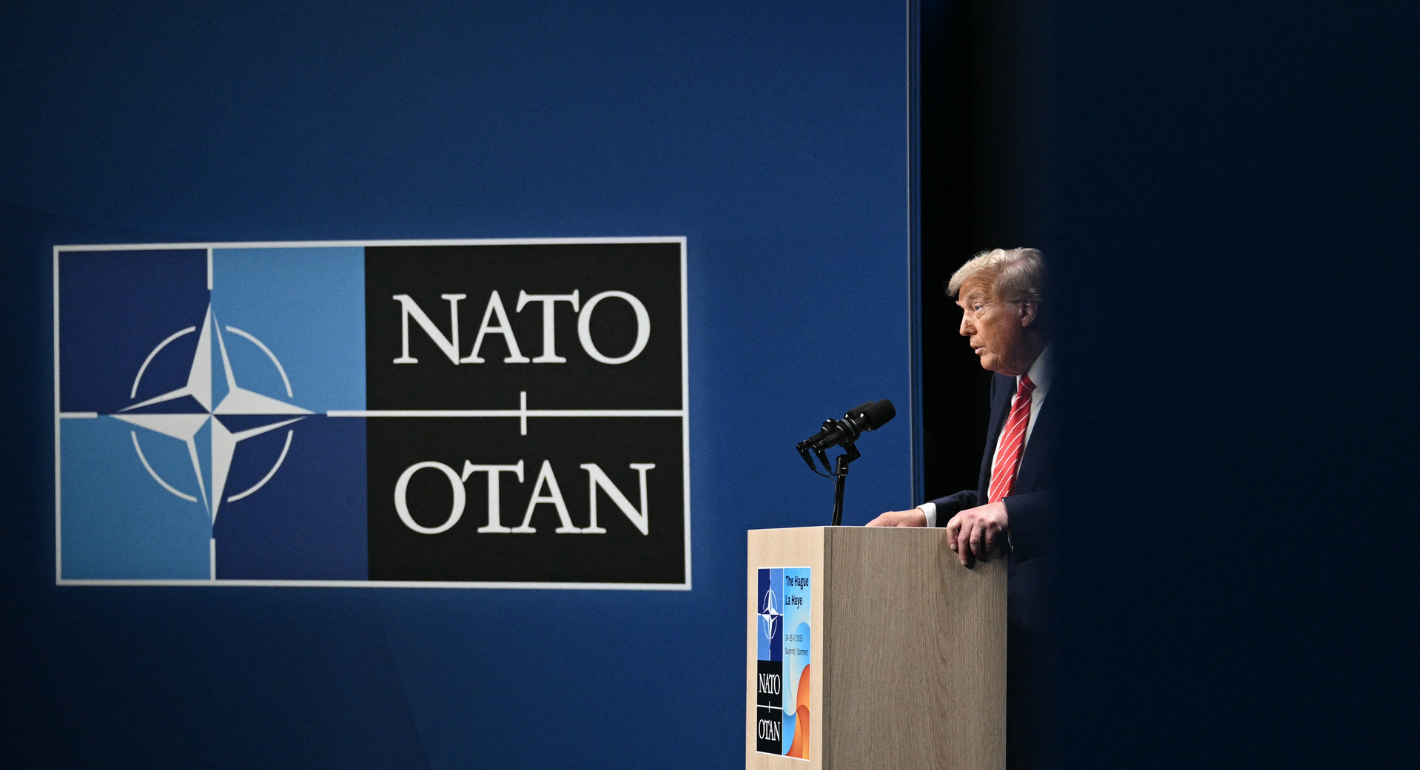
Donald Trump has repeatedly bashed NATO and European allies, threatening to annex Canada and Greenland and deploring their lack of enthusiasm for his war of choice in Iran. Is this latest round of abuse the final straw?

Rym Momtaz, ed.
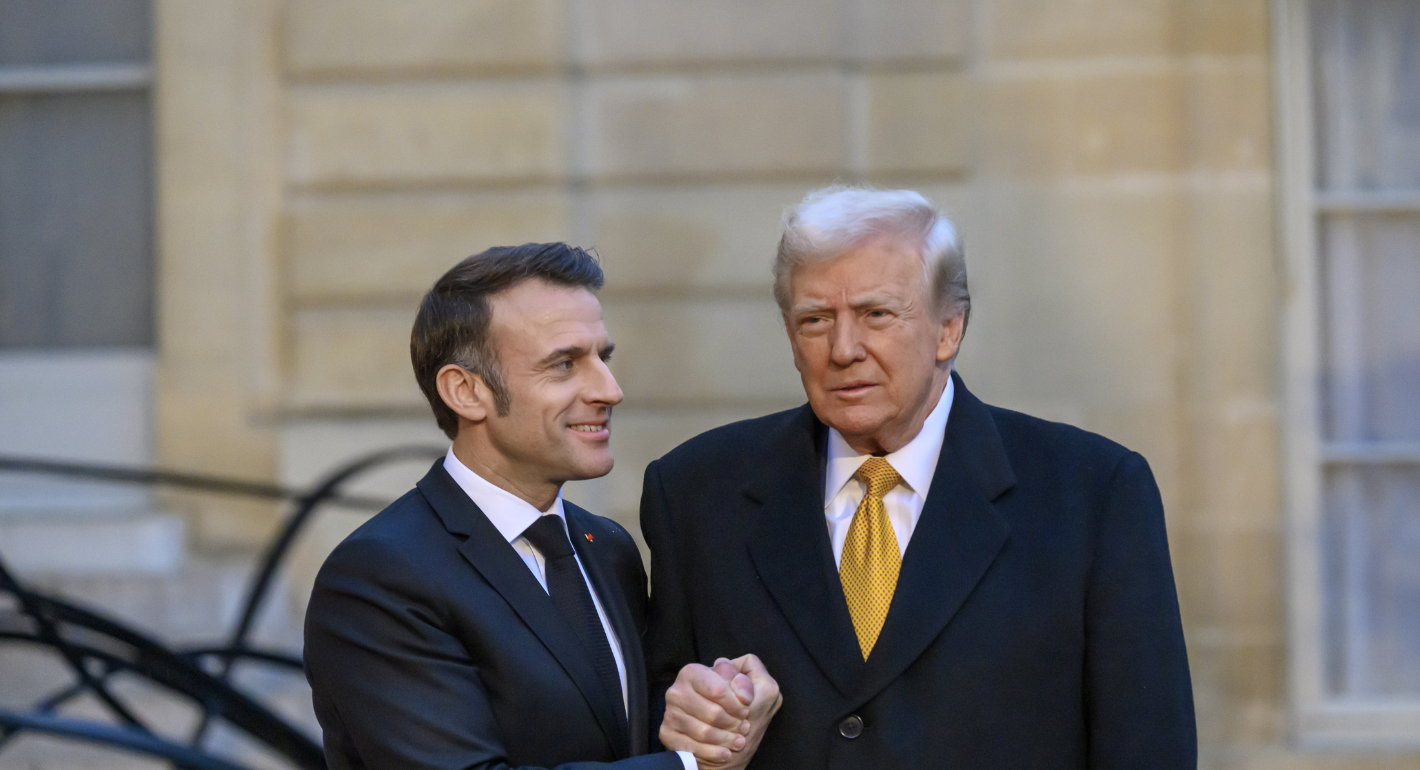
Donald Trump’s repudiation of NATO goes against the Make America Great Again vision of a U.S.-centered foreign policy. If the goal is to preserve the alliance by boosting Europe’s commitments, leaning into France’s vision is the most America First way forward.
Rym Momtaz

The wars in Ukraine and the Middle East are existential threats to Europe as a peace project. Leaders and citizens alike must reaffirm their solidarity to face up to today’s multifaceted challenges.

Marc Pierini
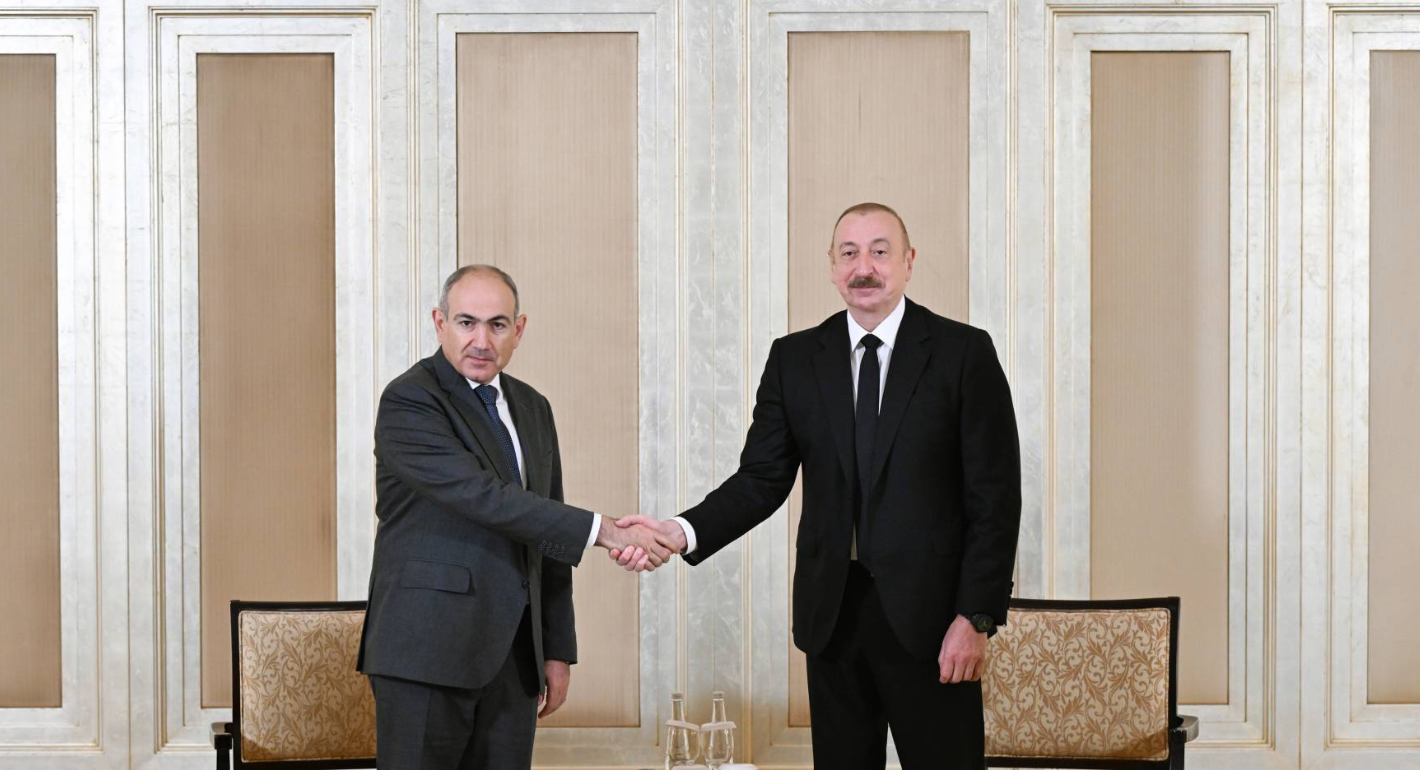
The U.S.-sponsored TRIPP deal is driving the Armenia-Azerbaijan peace process forward. But foreign and domestic hurdles remain before connectivity and economic interdependence can open up the South Caucasus.

Thomas de Waal, Areg Kochinyan, Zaur Shiriyev
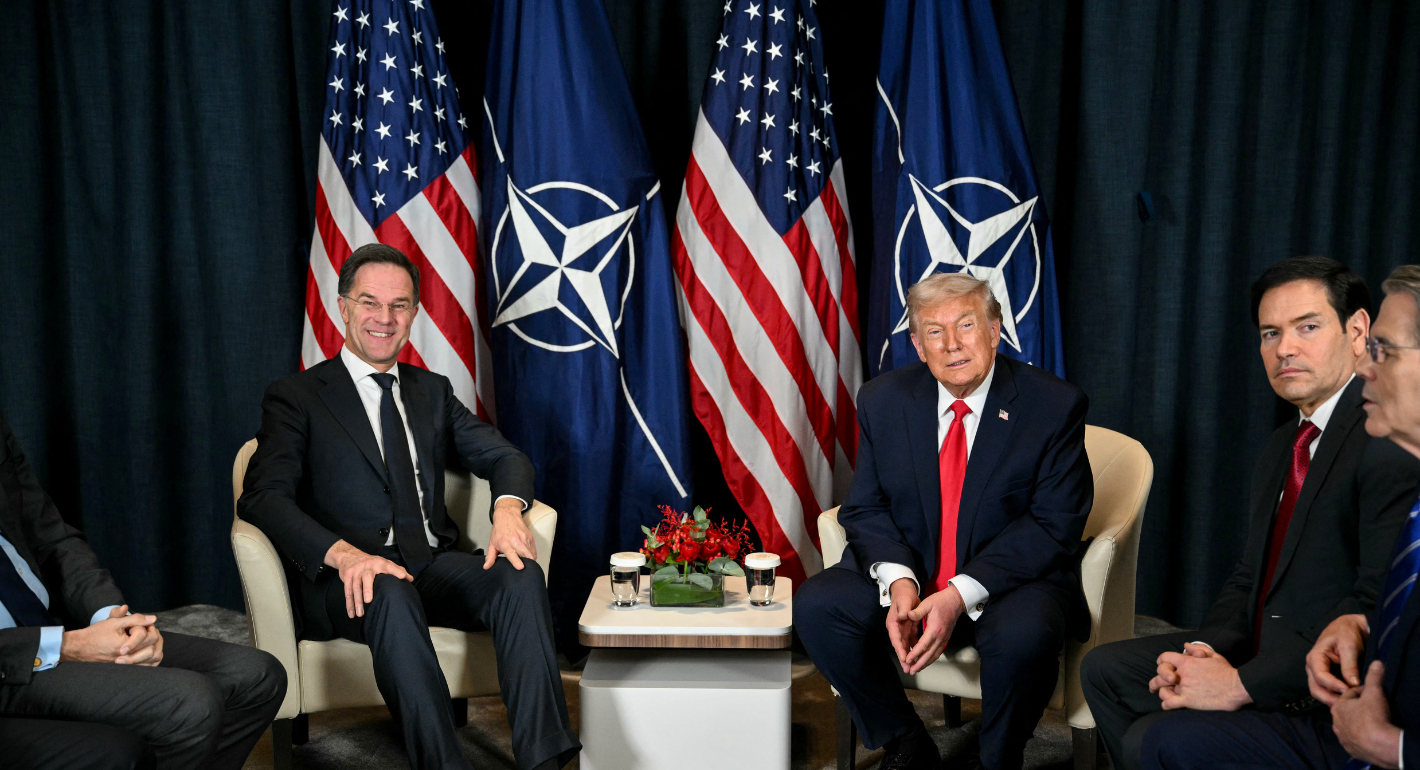
Donald Trump has demanded that European allies send ships to the Strait of Hormuz while his war of choice in Iran rages on. He has constantly berated NATO while the alliance’s secretary-general has emphatically supported him.
Rym Momtaz, ed.