

Article
Suyash Rai, Anirudh Burman
{
  "authors": [
    "Anirudh Burman"
  ],
  "type": "legacyinthemedia",
  "centerAffiliationAll": "",
  "centers": [
    "Carnegie Endowment for International Peace",
    "Carnegie India"
  ],
  "collections": [],
  "englishNewsletterAll": "",
  "nonEnglishNewsletterAll": "",
  "primaryCenter": "Carnegie India",
  "programAffiliation": "",
  "programs": [],
  "projects": [
    "Technology and Society"
  ],
  "regions": [
    "South Asia",
    "India"
  ],
  "topics": [
    "Technology"
  ]
}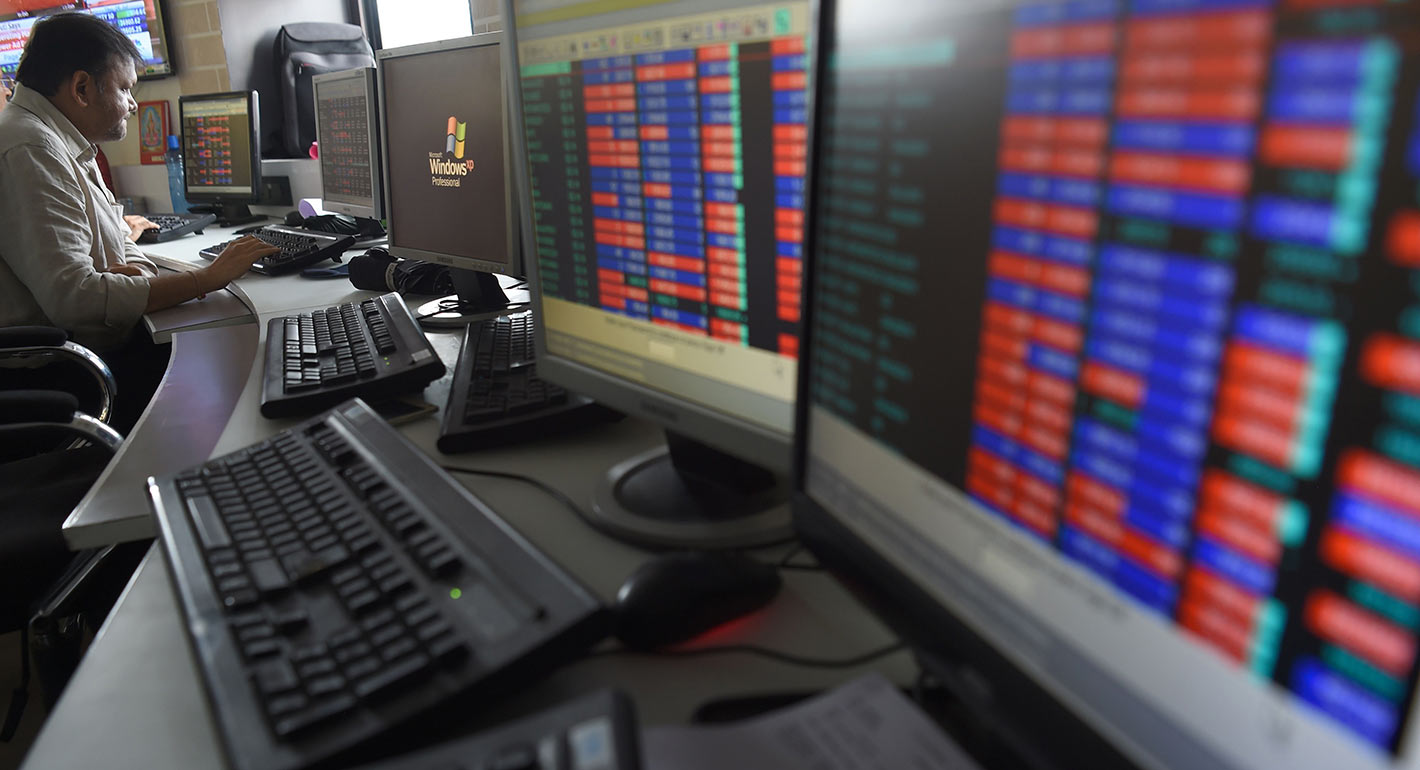
Source: Getty
The Narendra Modi government wants to reportedly water down the provisions related to data localization proposed in the draft Personal Data Protection Bill 2018 formulated by the Justice Srikrishna Committee.
Source: Print
The Narendra Modi government wants to reportedly water down the provisions related to data localisation proposed in the draft Personal Data Protection Bill 2018 formulated by the Justice Srikrishna Committee.
The debate on the free-flow and storage of data has assumed significance in the wake of technological developments – such as Artificial Intelligence (AI) – that can harness data to provide better and cheaper services to consumers. The debate on data localisation is now not only a political one, but also a geopolitical one, and a key aspect of trade talks between India and other countries like the US. However, it is important to examine and analyse whether localisation, as defined in the data protection bill, would actually meet its underlying objectives.

Former Associate Research Director and Fellow, Carnegie India
Anirudh Burman was an associate research director and fellow at Carnegie India. He works on key issues relating to public institutions, public administration, the administrative and regulatory state, and state capacity.
Recent Work

Suyash Rai, Anirudh Burman
Anirudh Burman
Carnegie does not take institutional positions on public policy issues; the views represented herein are those of the author(s) and do not necessarily reflect the views of Carnegie, its staff, or its trustees.

The hybrid warfare landscape is evolving rapidly, leaving policymakers without clear strategies. To better inform their work in addressing emerging challenges, governments must dig deeper into the underlying dynamics at play.


Raluca Csernatoni, Alicia Wanless

Autonomous AI agents are increasingly prevalent in cyberspace. The EU needs a real-time monitoring strategy, to invest in AI defenses, and to reduce its strategic dependence on U.S. frontier models.

Raluca Csernatoni, Patryk Pawlak
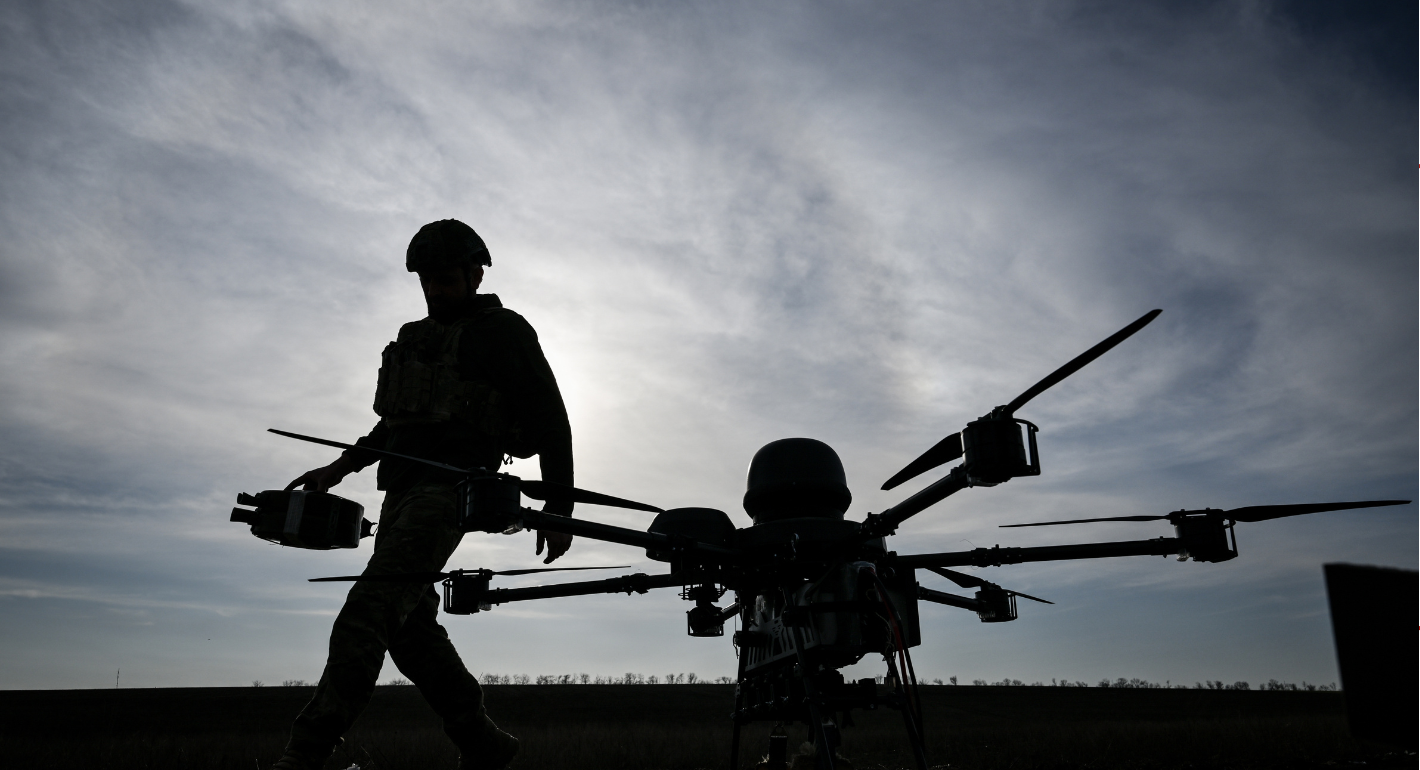
Defense tech innovations will be at the heart of Europe’s new security strategy. But so far, Brussels has been making moves without a broader plan, undermining readiness and credibility.
Raluca Csernatoni
For years, the United States anchored global cyber diplomacy. As Washington rethinks its leadership role, the launch of the UN’s Cyber Global Mechanism may test how allies adjust their engagement.

Patryk Pawlak, Chris Painter
Integrating AI into the workplace will increase job insecurity, fundamentally reshaping labor markets. To anticipate and manage this transition, the EU must build public trust, provide training infrastructures, and establish social protections.

Amanda Coakley