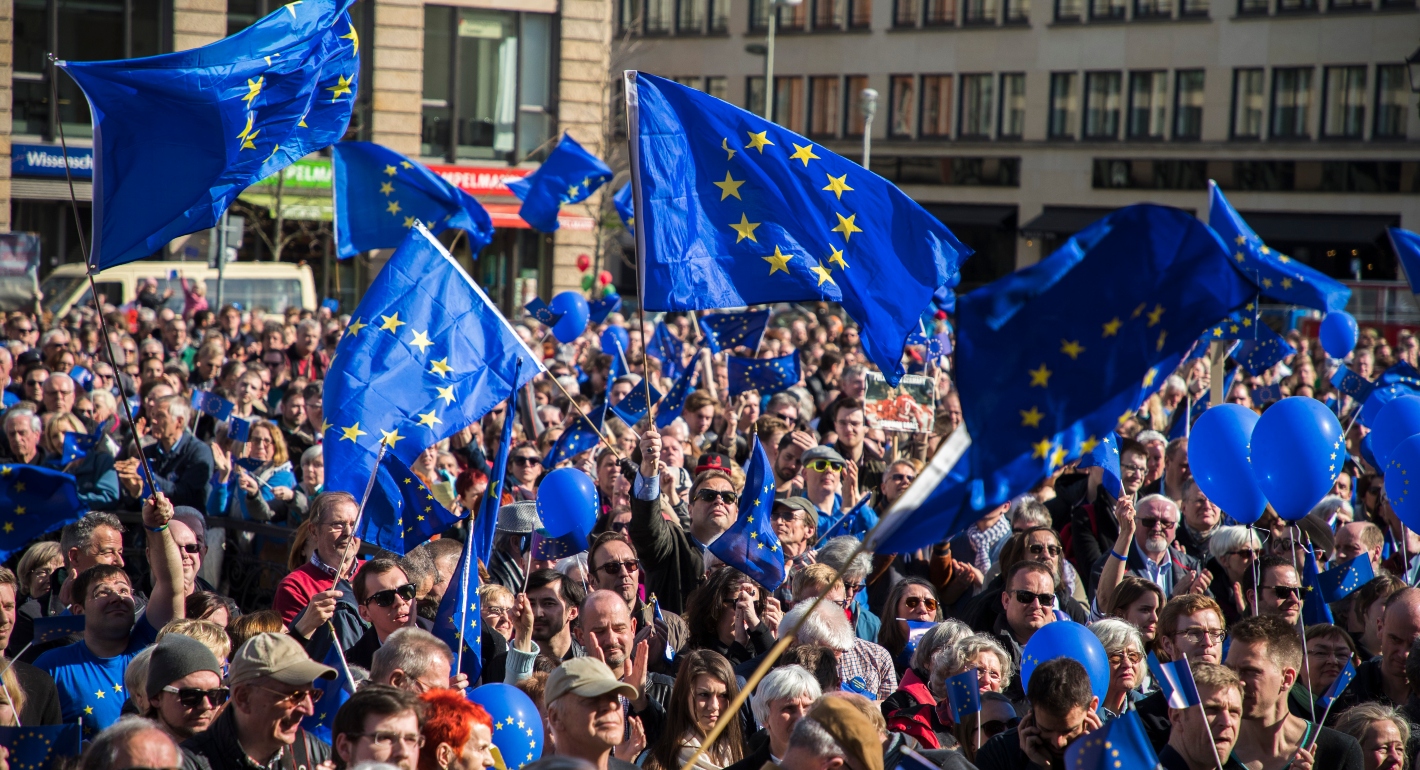


Countries face several hurdles in joining the EU, including the final stage of ratifying their accession treaties. Procedural reforms and substantive adjustments could help move the process forward.
Stefan Lehne
{
"authors": [
"Moisés Naím",
"Brian Winter"
],
"type": "legacyinthemedia",
"centerAffiliationAll": "dc",
"centers": [
"Carnegie Endowment for International Peace"
],
"collections": [],
"englishNewsletterAll": "americanStatecraft",
"nonEnglishNewsletterAll": "",
"primaryCenter": "Carnegie Endowment for International Peace",
"programAffiliation": "ASP",
"programs": [
"American Statecraft"
],
"projects": [],
"regions": [
"North America"
],
"topics": [
"Political Reform"
]
}Source: Getty
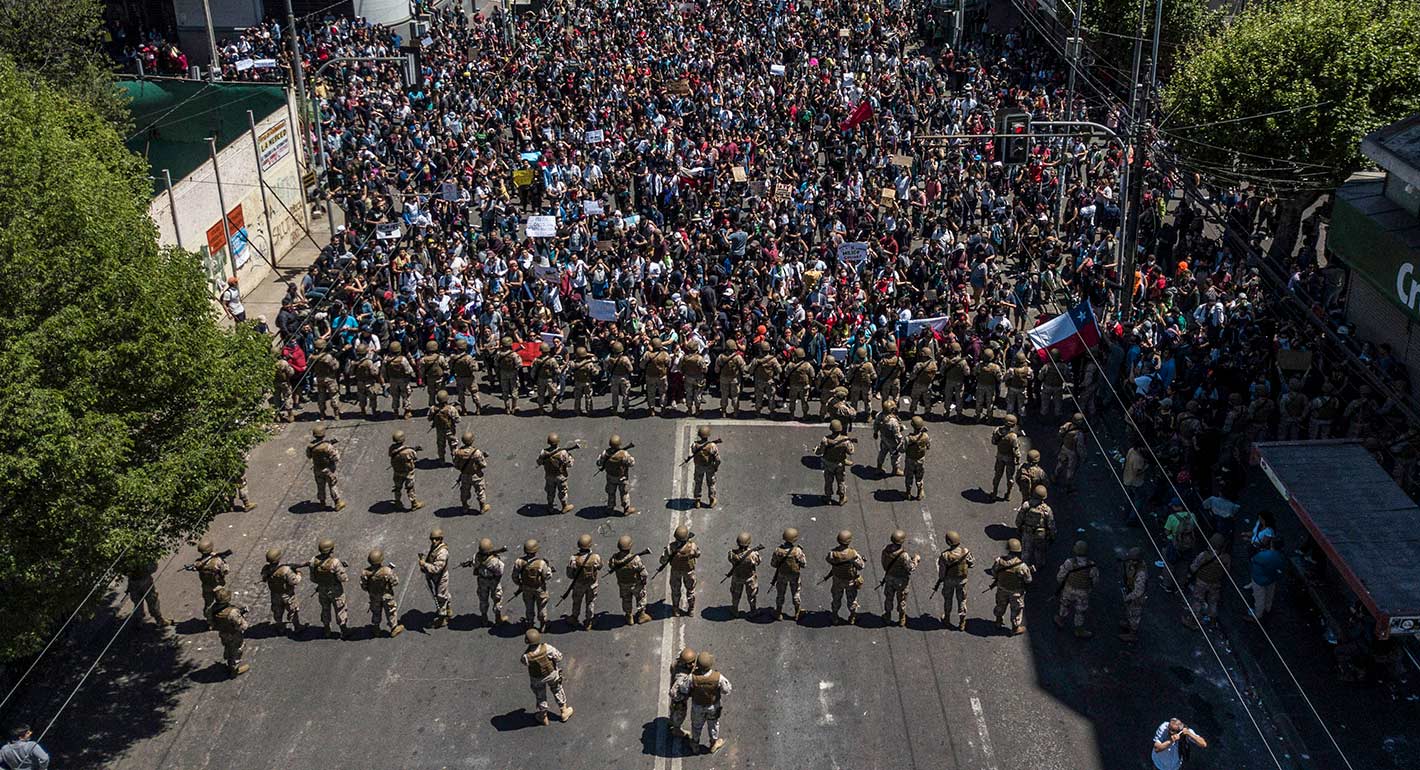
The protests now raging across much of Latin America originated from different sparks but are connected by a single common denominator: economic malaise.
Source: Foreign Affairs
In a world aflame with protest, Latin America stands out as a raging ten-alarm fire. From Bolivia to Ecuador, Haiti to Honduras, the closing months of 2019 have seen enormous, sometimes violent demonstrations prompted by a truly dizzying array of grievances, including electoral fraud, corruption, and rising fuel and public transportation prices. Even Chile, the region’s ostensible oasis of calm and prosperity, erupted in protests and riots that left 20 dead and forced President Sebastián Piñera to declare a state of emergency. It is now an open question whether any country in the region can be considered truly stable....
Distinguished Fellow
Moisés Naím is a distinguished fellow at the Carnegie Endowment for International Peace, a best-selling author, and an internationally syndicated columnist.
Brian Winter
Brian Winter is vice president for policy at the Americas Society/Council of the Americas.
Carnegie does not take institutional positions on public policy issues; the views represented herein are those of the author(s) and do not necessarily reflect the views of Carnegie, its staff, or its trustees.
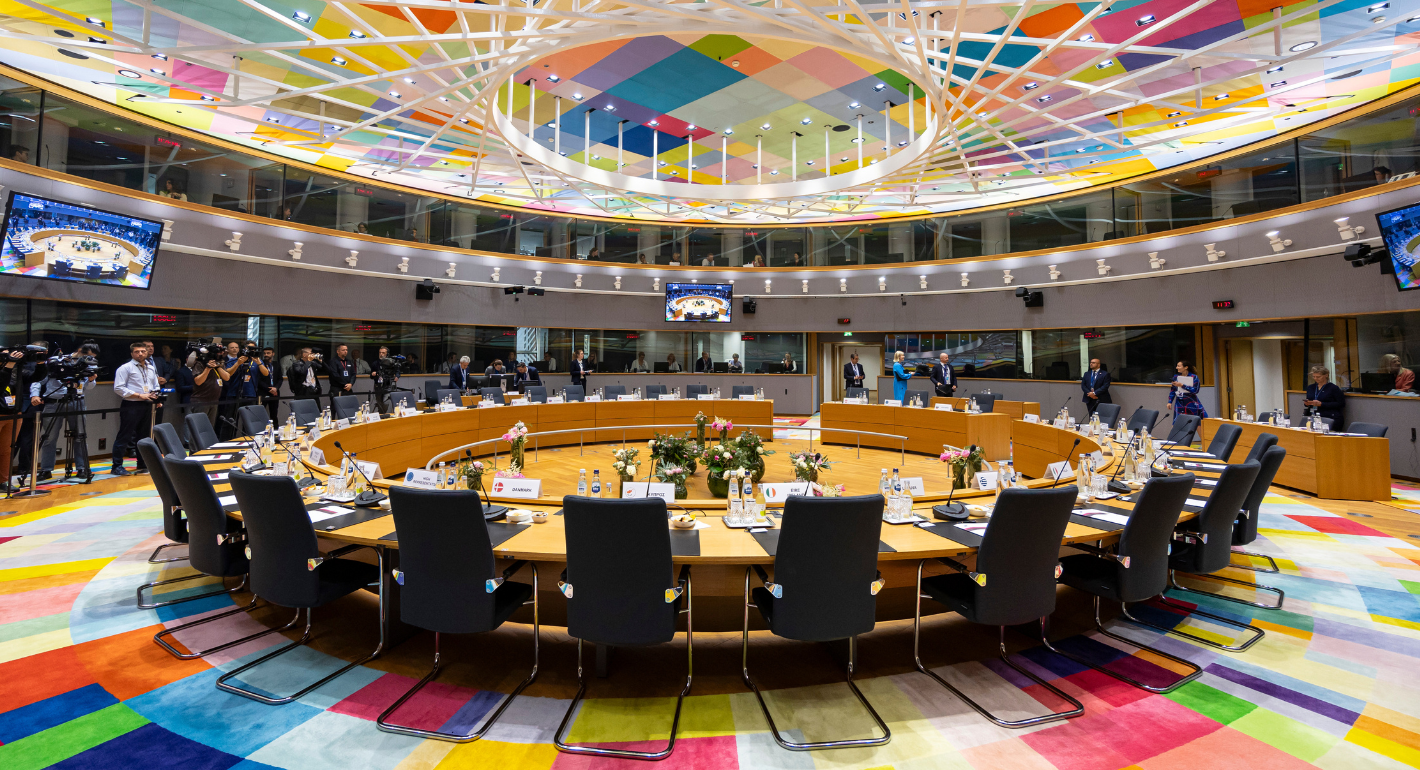
Countries face several hurdles in joining the EU, including the final stage of ratifying their accession treaties. Procedural reforms and substantive adjustments could help move the process forward.
Stefan Lehne
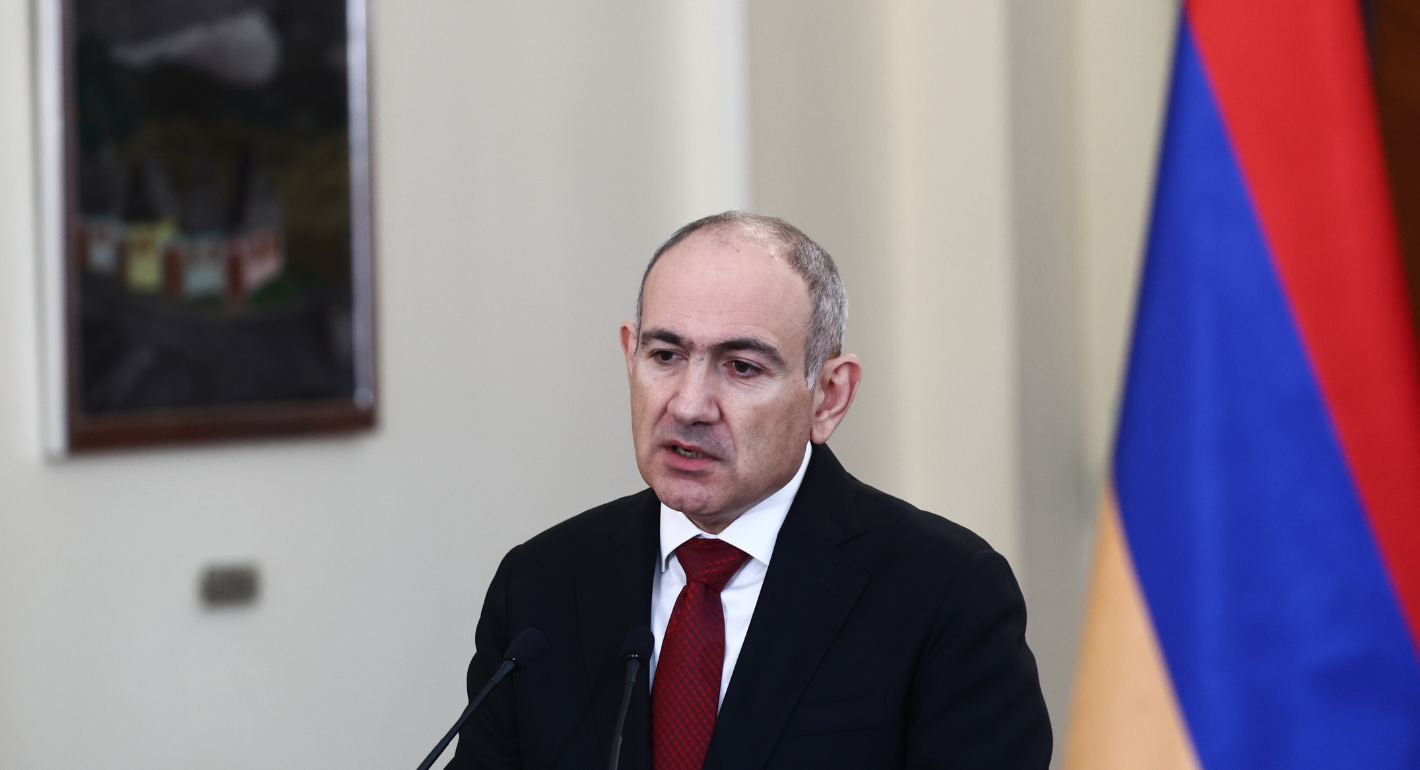
Europe has an interest in supporting Armenian leader Nikol Pashinyan as he tries to make peace with neighbors and loosen ties with Russia. But it is depersonalized support in the long term, not quickfire flash, that will win the day.
Thomas de Waal
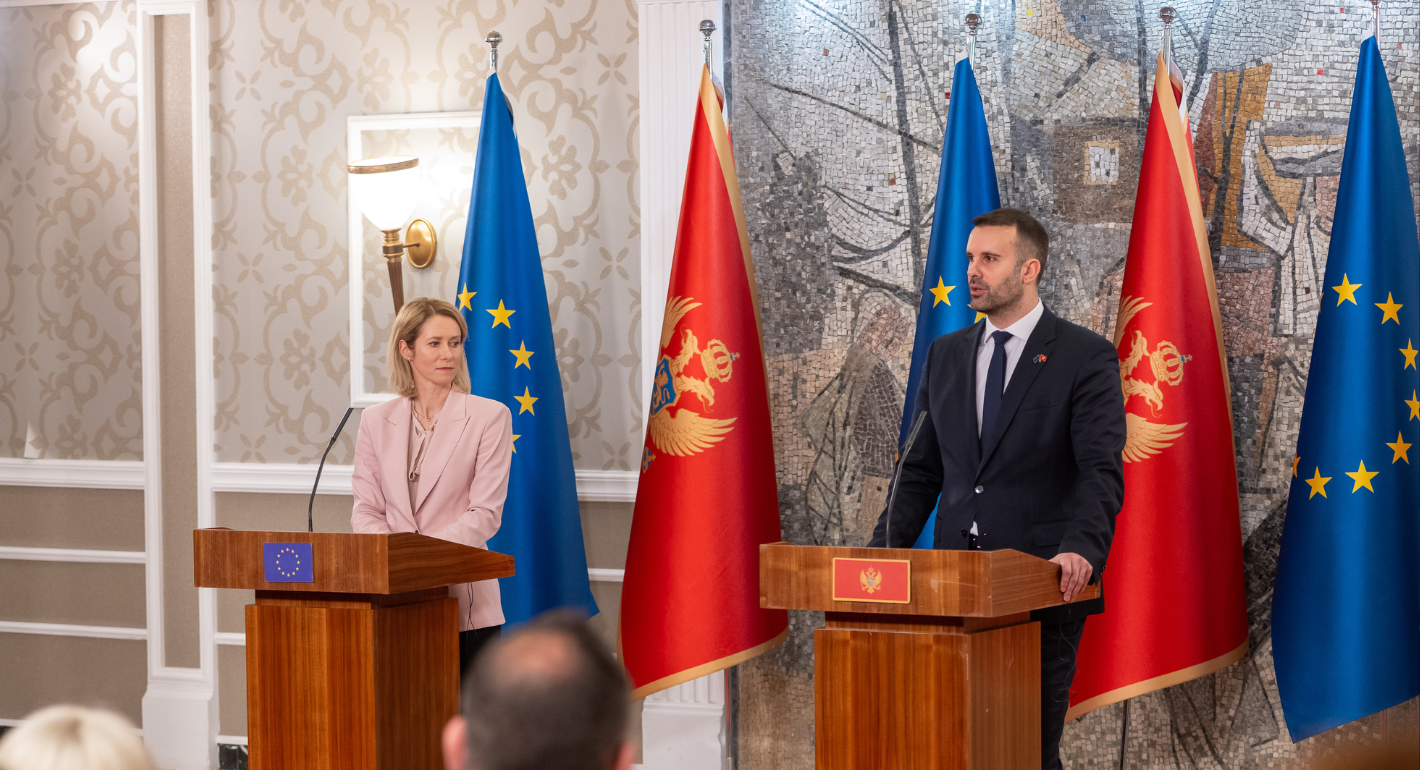
Montenegro and Albania are frontrunners for EU enlargement in the Western Balkans, but they can’t just sit back and wait. To meet their 2030 accession ambitions, they must make a strong positive case.
Dimitar Bechev, Iliriana Gjoni
European reactions to the war in Iran have lost sight of wider political dynamics. The EU must position itself for the next phase of the crisis without giving up on its principles.
Richard Youngs
Europe’s interests in Syria extend beyond migration management, yet the EU trails behind other players in the country’s post-Assad reconstruction. To boost its influence in Damascus, the union must upgrade its commitment to ensuring regional stability.
Bianka Speidl, Hanga Horváth-Sántha