

Paper
Richard Youngs, Thomas Carothers
{
  "authors": [
    "Thomas Carothers"
  ],
  "type": "legacyinthemedia",
  "centerAffiliationAll": "",
  "centers": [
    "Carnegie Endowment for International Peace"
  ],
  "collections": [],
  "englishNewsletterAll": "",
  "nonEnglishNewsletterAll": "",
  "primaryCenter": "Carnegie Endowment for International Peace",
  "programAffiliation": "",
  "programs": [],
  "projects": [],
  "regions": [],
  "topics": [
    "Political Reform"
  ]
}
Source: Getty
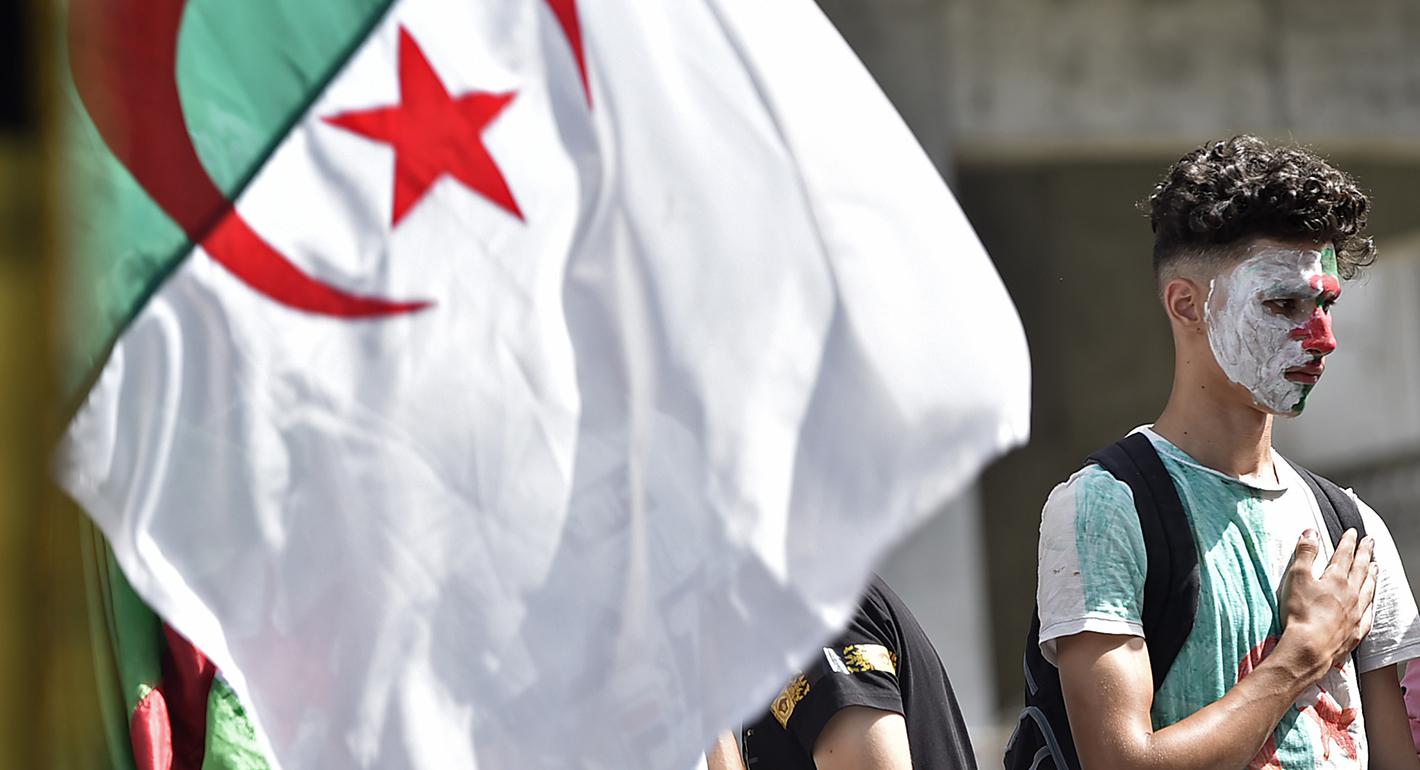
What the world is witnessing is less a crisis of democracy than a broader crisis of governance. The likely result is increased political flux across all types of political systems.
Source: Foreign Affairs
Gloom about the state of democracy pervades Washington and other Western capitals. Restless, insecure, and alienated citizens in many democracies are challenging their leaders on the streets, electing illiberal demagogues, or simply rejecting all of the political choices available to them. Meanwhile, China, Russia, and several other authoritarian powers are growing more assertive and self-confident, claiming that democracy’s time has passed and working to bolster fellow autocrats.
Yet all this attention on the decline of democracy has obscured a story that is just as important: many authoritarians, dictators, and other nondemocratic leaders are also in trouble. Just like their peers in free countries, many citizens in nondemocracies are deeply frustrated with their political systems and have in the last several years been acting on that unhappiness by challenging those in power. The central political dynamic of the current moment is thus not the gradual eclipsing of democracy by authoritarianism. It is, rather, the growing difficulty of political elites in all types of regimes to satisfy the demands of their citizens.

Harvey V. Fineberg Chair for Democracy Studies; Director, Democracy, Conflict, and Governance Program
Thomas Carothers, director of the Carnegie Endowment for International Peace’s Democracy, Conflict, and Governance Program, is a leading expert on comparative democratization and international support for democracy.
Recent Work

Richard Youngs, Thomas Carothers

Thomas Carothers, McKenzie Carrier
Carnegie does not take institutional positions on public policy issues; the views represented herein are those of the author(s) and do not necessarily reflect the views of Carnegie, its staff, or its trustees.
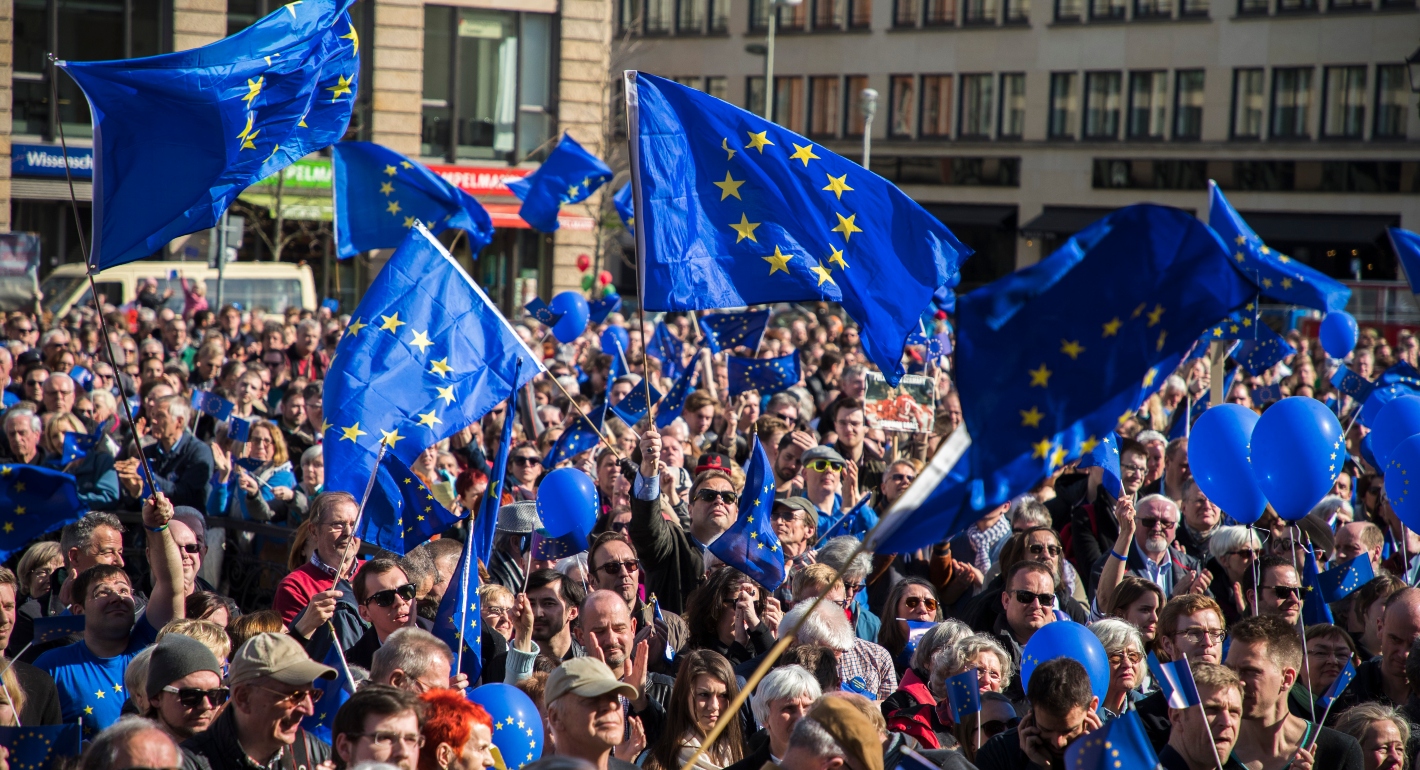
Preparing candidate countries for EU membership is no longer enough. As the enlargement process becomes a reality, the union must also prepare its own societies.

Iliriana Gjoni
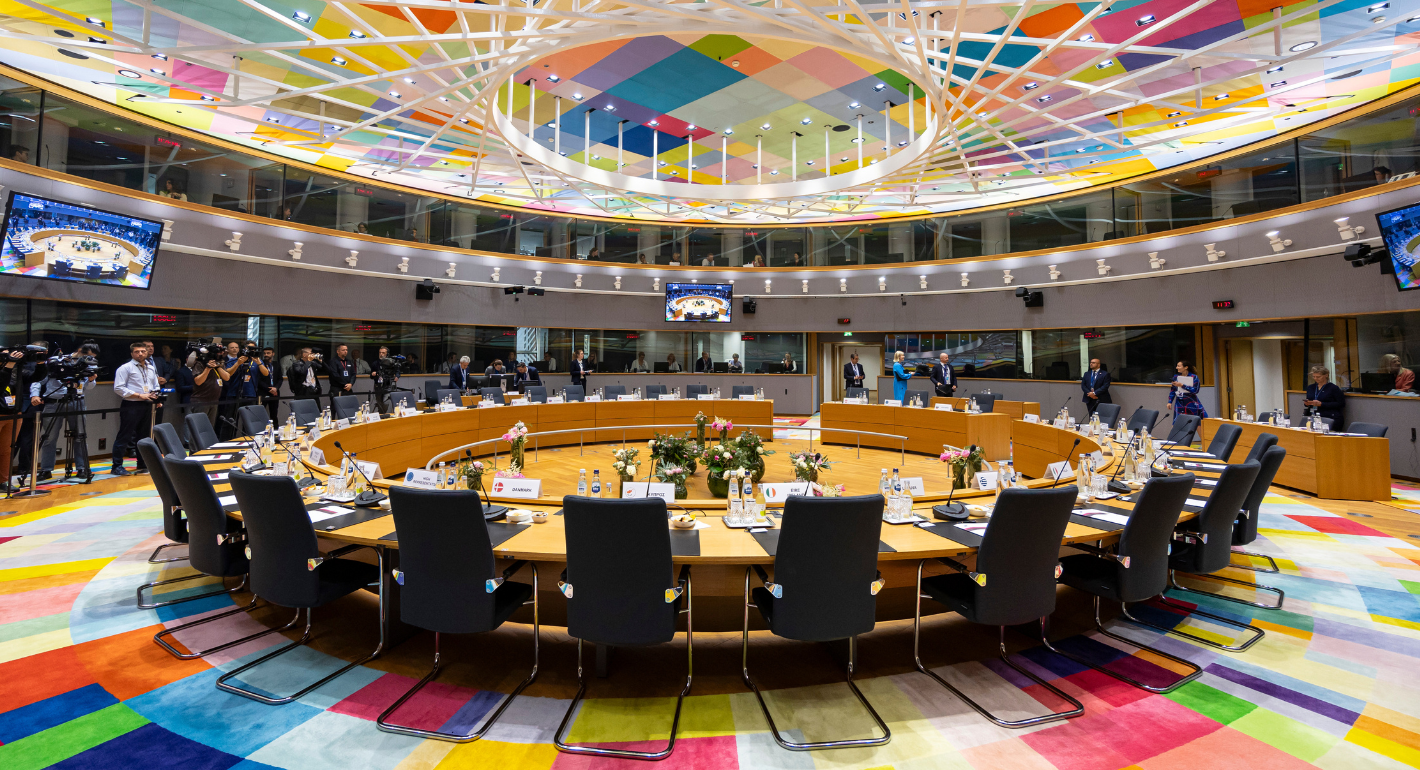
Countries face several hurdles in joining the EU, including the final stage of ratifying their accession treaties. Procedural reforms and substantive adjustments could help move the process forward.

Stefan Lehne
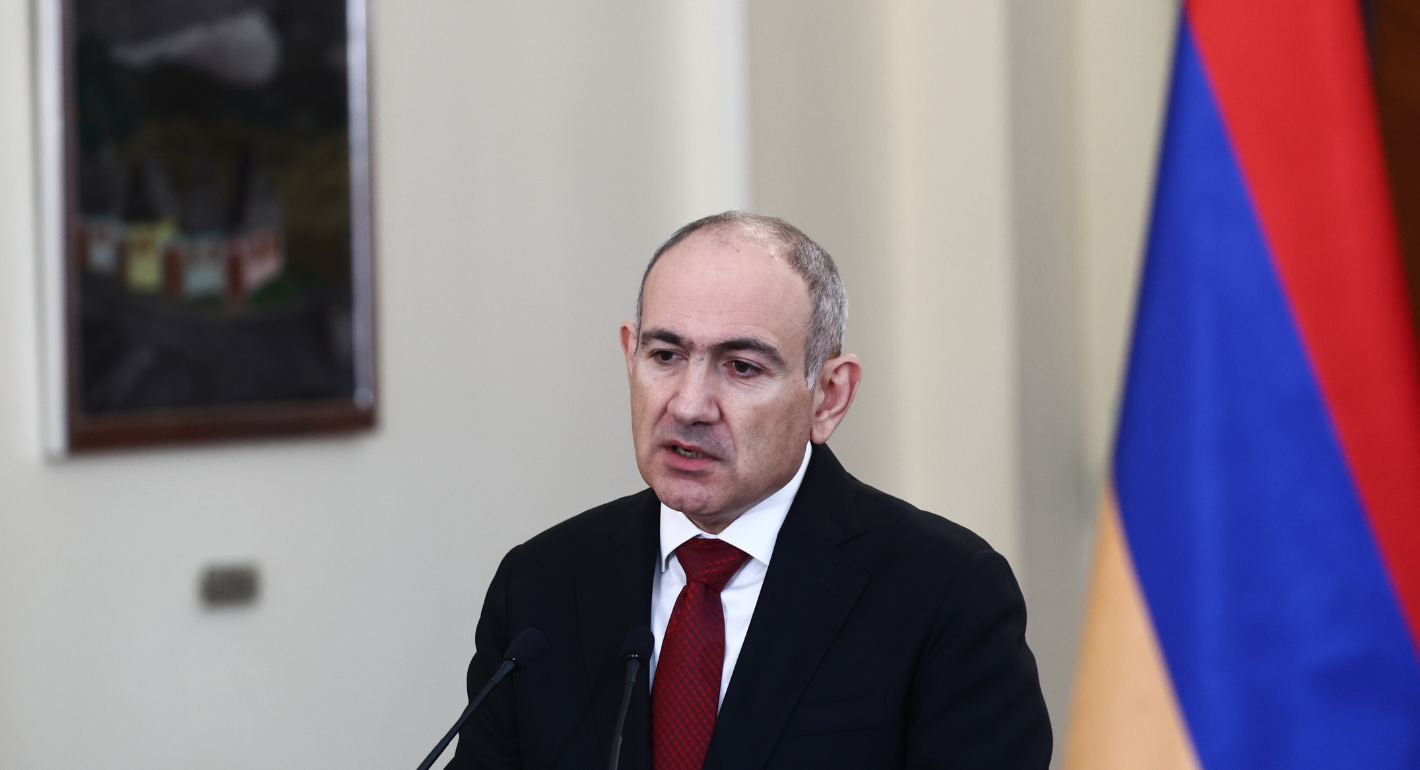
Europe has an interest in supporting Armenian leader Nikol Pashinyan as he tries to make peace with neighbors and loosen ties with Russia. But it is depersonalized support in the long term, not quickfire flash, that will win the day.

Thomas de Waal
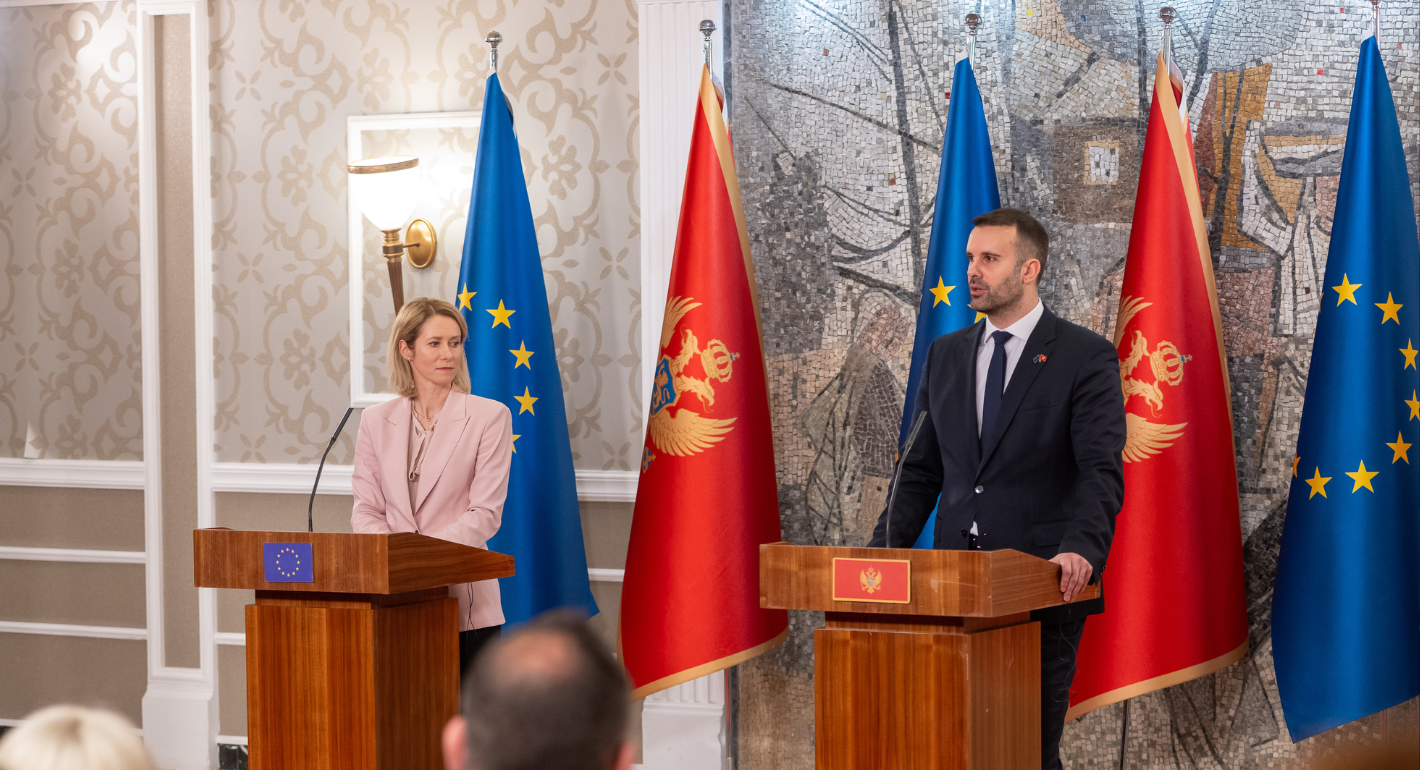
Montenegro and Albania are frontrunners for EU enlargement in the Western Balkans, but they can’t just sit back and wait. To meet their 2030 accession ambitions, they must make a strong positive case.

Dimitar Bechev, Iliriana Gjoni
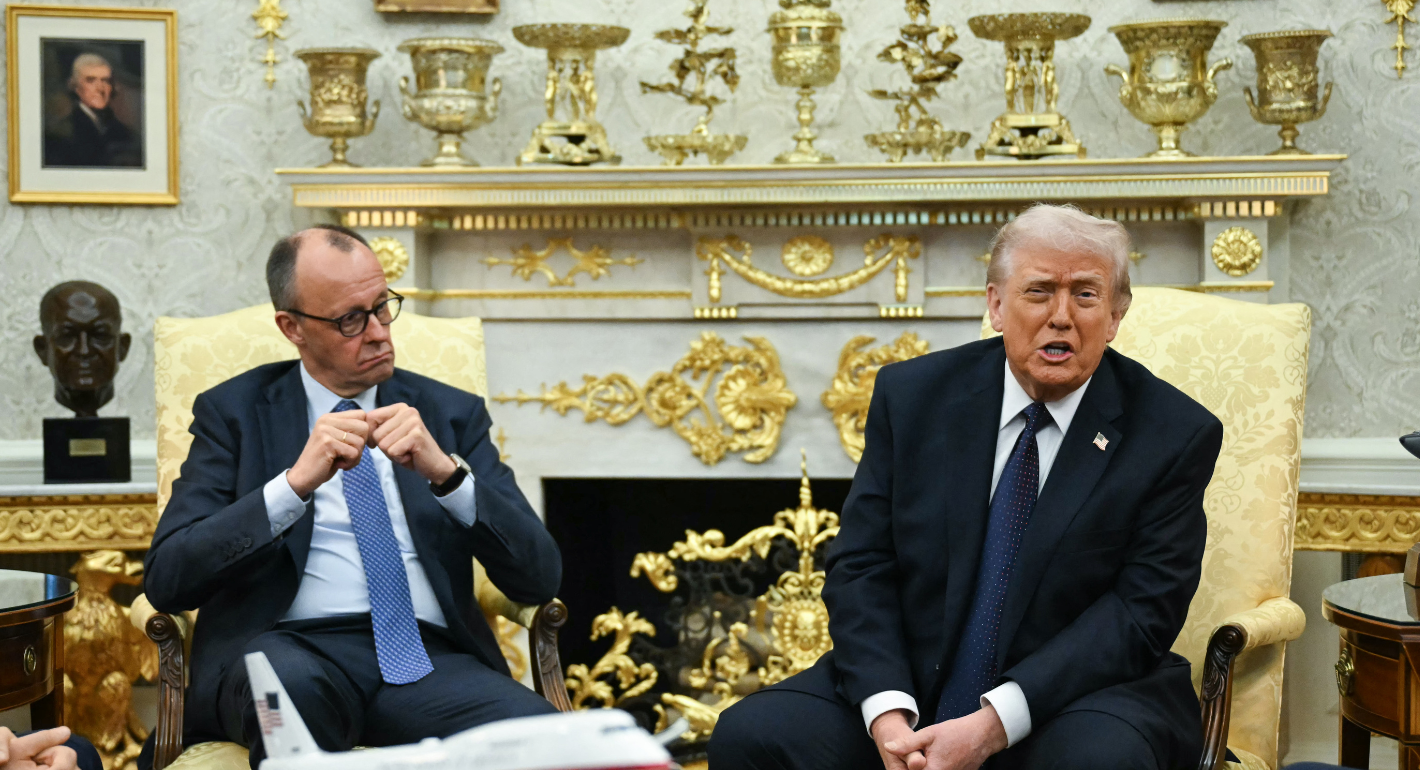
European reactions to the war in Iran have lost sight of wider political dynamics. The EU must position itself for the next phase of the crisis without giving up on its principles.
Richard Youngs