

Research
Steve Feldstein, Shreya Joshi
{
  "authors": [
    "Steve Feldstein"
  ],
  "type": "commentary",
  "centerAffiliationAll": "dc",
  "centers": [
    "Carnegie Endowment for International Peace"
  ],
  "collections": [
    "Coronavirus"
  ],
  "englishNewsletterAll": "democracy",
  "nonEnglishNewsletterAll": "",
  "primaryCenter": "Carnegie Endowment for International Peace",
  "programAffiliation": "DCG",
  "programs": [
    "Democracy, Conflict, and Governance"
  ],
  "projects": [],
  "regions": [],
  "topics": [
    "Democracy",
    "Technology"
  ]
}
Source: Getty
Many governments have acted quickly to impose new surveillance measures, but safeguards must be put in place to limit the risks.
As governments pull out more and more stops to fight the new coronavirus, they are turning to sophisticated technologies to bolster their monitoring and surveillance efforts. Israel is the latest country to announce new mass surveillance measures: the Shin Bet, its domestic intelligence agency, has been granted access to a vast trove of mobile phone data to track people who have tested positive for the coronavirus. The order went into effect on March 16 and is initially authorized for thirty days, but it is hard to imagine that Israel will have contained the coronavirus in a month’s time and that it won’t seek to reauthorize the order. This is where problems start to emerge.
In a democracy like Israel, there is some comfort that these emergency measures will comply with basic human rights guarantees and include safeguards to ensure citizen data is protected from both public exposure and illegitimate use. But citizens should be wary. Blanket authorizations of emergency powers taken in times of crisis can persist over time and lead to permanent erosions of political freedoms. For example, look at the legacy in the United States of the 9/11 attacks—an alarming degradation of privacy norms that has taken years to even partially reverse. Or take the elevated securitization measures imposed in Europe in response to a wave of attacks by the self-proclaimed Islamic State from 2014 to 2017.
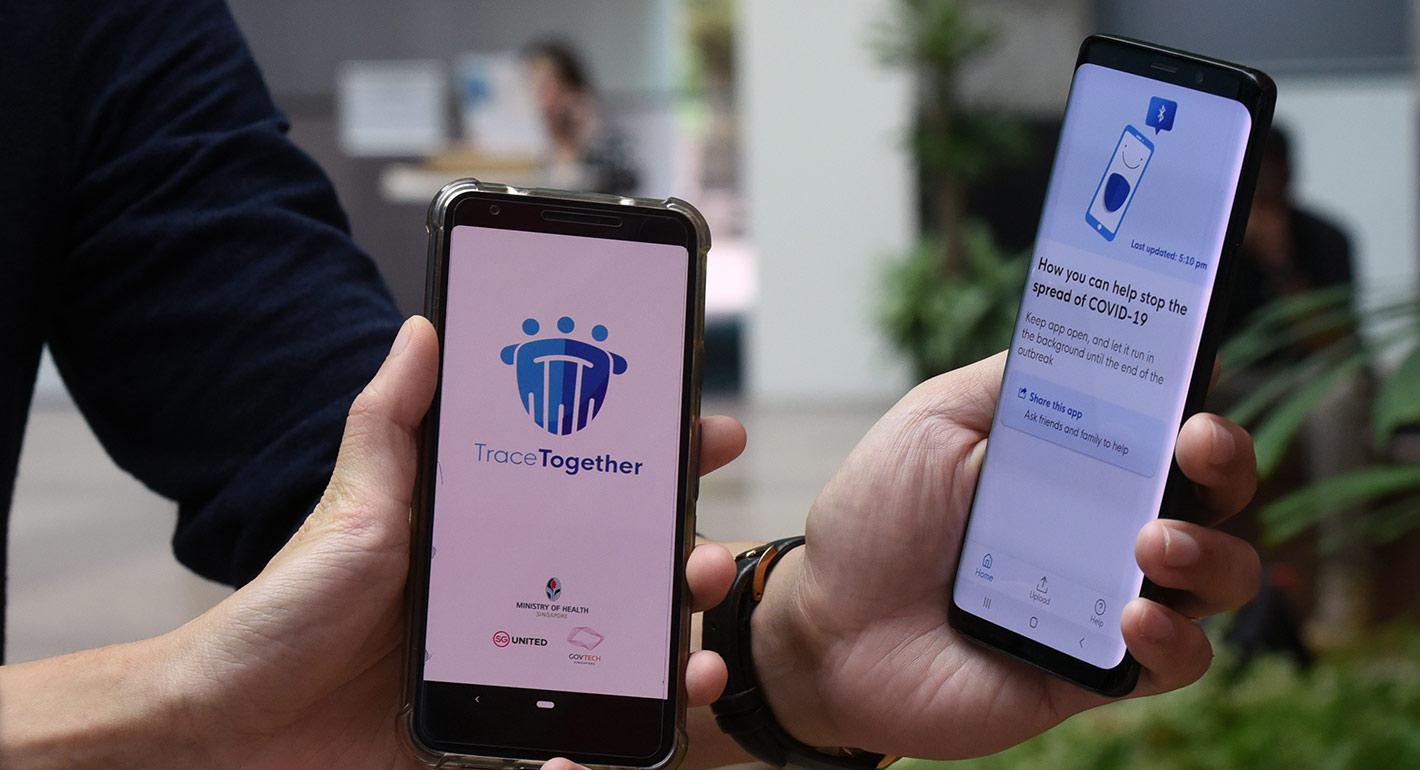
Israel is not an outlier. Taiwan is using cell phone monitoring to enforce quarantines. Singapore has “mobilized a system of state control” that relies on advanced surveillance technologies to ensure obedience to coronavirus protocols (daily public updates include specific details about new cases, “down to the person’s age, sex, nationality, and the street where they live”). Similarly, China and Russia have used facial-recognition systems and location-tracking data to maintain adherence to coronavirus quarantines. There is even growing chatter about deploying machine-learning algorithms to monitor outbreaks linked to the pandemic, which would require sharing even greater amounts of personal data with governments and corporations.
There is little question that the fight to stop the coronavirus requires that the world throw all the resources at its disposal to stymie the virus’s advance. These efforts necessitate personal sacrifices, including temporarily reducing public expectations of privacy and trusting that governments have citizens’ best interests in mind when deploying mass surveillance instruments.
But no one should be naive about where these strategies may lead. Even in strong democracies, the temptation to leave in place intrusive directives and to redefine norms of privacy will be tempting. Citizens should demand transparent rules for how governments plan to use their data, timebound limitations for such authorizations (perhaps requiring governments to seek renewals every ninety days), and accountability checks to guarantee governments are not abusing these measures.
In authoritarian countries like China and Russia, which already have abhorrent records of exploiting digital technologies for repressive political control, the struggle may have reached a tipping point. Without strong pushback from concerned publics, it is hard to imagine Chinese President Xi Jinping or Russian President Vladimir Putin backing away from new mass surveillance capabilities even once the public health threat subsides.

Director and Senior Fellow, Democracy, Conflict, and Governance Program
Steve Feldstein is a senior fellow and director of the Democracy, Conflict, and Governance Program at the Carnegie Endowment for International Peace. His research focuses on technology, national security, the global context for democracy, and U.S. foreign policy.
Recent Work
Steve Feldstein, Shreya Joshi
Steve Feldstein
Carnegie does not take institutional positions on public policy issues; the views represented herein are those of the author(s) and do not necessarily reflect the views of Carnegie, its staff, or its trustees.

The domestic impacts of how long it is taking to end the war in Ukraine have pushed the French electorate to the political extremes and compromised the country’s diplomatic capacity.

Rym Momtaz

Before the next wave of EU enlargement takes place, the union needs to grapple with thorny questions of how power is distributed among its members.


Emil Sondaj Hansen, Ditte Brasso Sørensen

Radical-right parties are expected to do well in upcoming elections in four of the EU's biggest member states. If successful, they could prevent the union from addressing key challenges ahead.

Stefan Lehne

An overwhelming victory by a far-right-wing party in a small state in eastern Germany will have major repercussions for Chancellor Friedrich Merz’s coalition.

Judy Dempsey

In supporting Europe’s far-right, MAGA and Russia both want the same thing: a weaker EU. Europe must defend itself without abandoning the openness these forces exploit.

Armida van Rij