

Commentary
The EU’s new migration policy is not suited to today’s realities. With climate change increasingly becoming a driver of displacement, Europe needs to rethink its deterrence-focused approach.
Shana Tabak
{
  "authors": [
    "The Working Group On Egypt"
  ],
  "type": "other",
  "centerAffiliationAll": "",
  "centers": [
    "Carnegie Endowment for International Peace",
    "Malcolm H. Kerr Carnegie Middle East Center"
  ],
  "collections": [],
  "englishNewsletterAll": "",
  "nonEnglishNewsletterAll": "",
  "primaryCenter": "Carnegie Endowment for International Peace",
  "programAffiliation": "",
  "programs": [],
  "projects": [],
  "regions": [
    "North Africa",
    "Egypt"
  ],
  "topics": []
}
Source: Getty
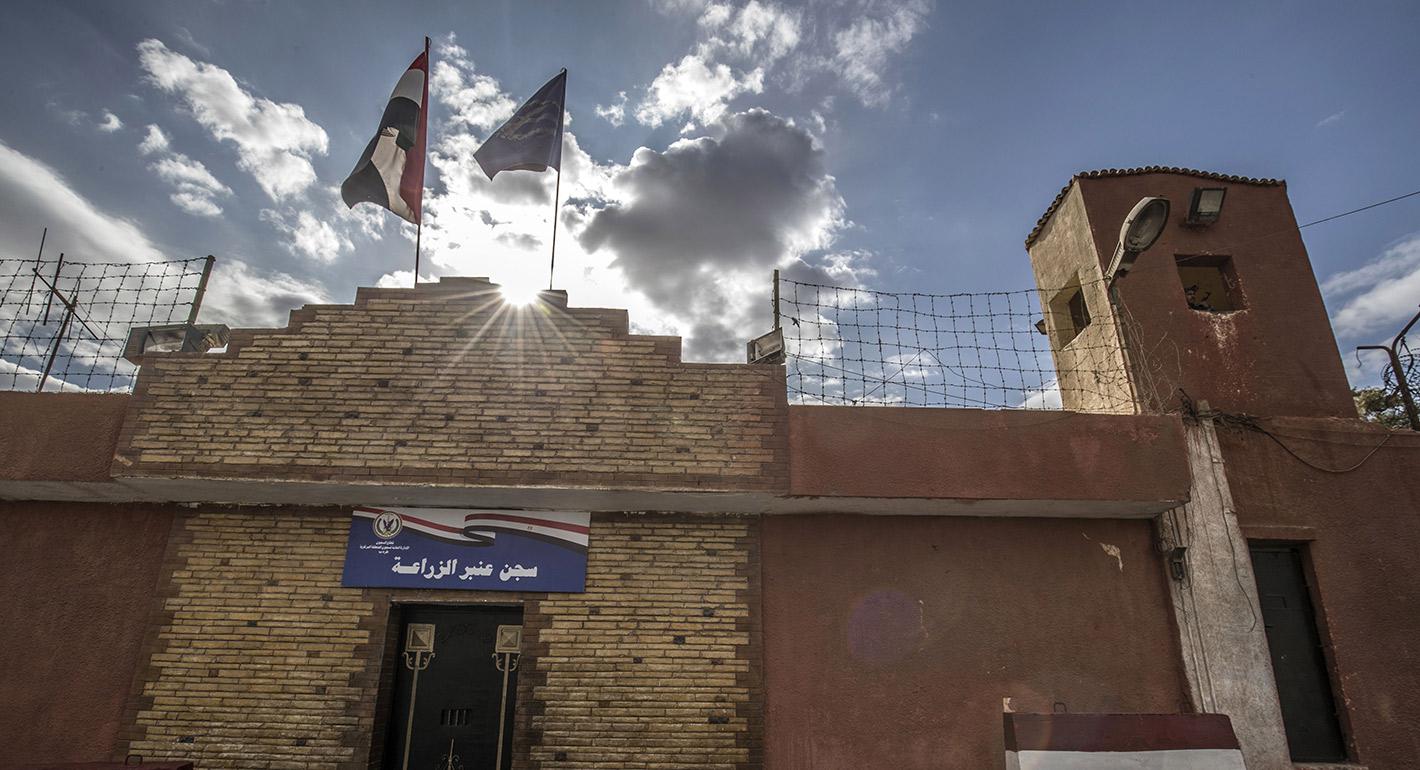
The U.S. government should seek the immediate release of American citizens and permanent residents wrongfully detained in Egypt, who are now in imminent danger due to COVID-19.
March 26, 2020
The Working Group on Egypt* calls on the U.S. government to seek the immediate release of American citizens and permanent residents wrongfully detained in Egypt, who are now in imminent danger due to COVID-19. The United States should also call for the release of the tens of thousands of Egyptians unjustly detained for nonviolent offenses, who face dire risk.
The March 10 ban on all prison visits is an insufficient measure given the rapid transmission and infectious nature of this virus. Prisoners have died by the hundreds in Egypt in recent years due to lack of medical care, deplorable health conditions, and abuse. A COVID-19 outbreak inside Egypt’s horribly overcrowded prisons, which might already be underway, would spell disaster.
There are at least three American citizens (Reem Dessouky, Khaled Hassan, and Mohammed al-Amasha) and two permanent residents (Ola Qaradawi and Hossam Khalaf)—and most likely more, about whom little information is available—who have been held in lengthy detention on charges related to their presumed political views. Dessouky, for instance, has been detained since July 2019 for Facebook posts deemed critical of the Egyptian government.
Just two months ago, an American citizen, Mostafa Kassem, died in detention in Egypt while on a hunger strike after receiving a 15-year sentence for allegedly participating in a demonstration. Kassem’s tragic death underscores the health risks that wrongfully detained prisoners face in Egypt.
The United States should call on Egypt, just as clearly and publicly as it has Iran and Venezuela, to release the unjustly imprisoned Americans as well as other nonviolent detainees. Iran has already released some 85,000 detainees including at least one American; Lebanon has also released an American detainee. It is incomprehensible that Egypt, a close ally of the United States that receives some $1.5 billion annually in assistance from American taxpayers, would be less responsive than Iran, Lebanon, and other countries to repeated calls for the humanitarian release of detained Americans.
Michele Dunne (co-chair)
Robert Kagan (co-chair)
Reuel Gerecht
Amy Hawthorne
Neil Hicks
Thomas Hill
Sarah Margon
Stephen McInerney
Andrew Miller
Tamara Wittes
Ken Wollack
*The Working Group on Egypt is a bipartisan group of foreign affairs experts formed in 2010.
The Working Group On Egypt
Carnegie does not take institutional positions on public policy issues; the views represented herein are those of the author(s) and do not necessarily reflect the views of Carnegie, its staff, or its trustees.

The EU’s new migration policy is not suited to today’s realities. With climate change increasingly becoming a driver of displacement, Europe needs to rethink its deterrence-focused approach.

Shana Tabak
2026 has started in crisis, as the actions of unpredictable leaders shape an increasingly volatile global environment. To shift from crisis response to strategic foresight, what under-the-radar issues should the EU prepare for in the coming year?

Thomas de Waal
Despite the strategic importance of relations between the EU and the African Union, deep divisions remain between the blocs. At their upcoming summit, both partners should strive to build a mutually beneficial cooperation.

Marta Martinelli
The EU’s new Pact for the Mediterranean aims to reshape the bloc’s relations with its Southern neighborhood. But the initiative lacks concrete measures to address societal divides and the region’s pressing challenges.

Richard Youngs
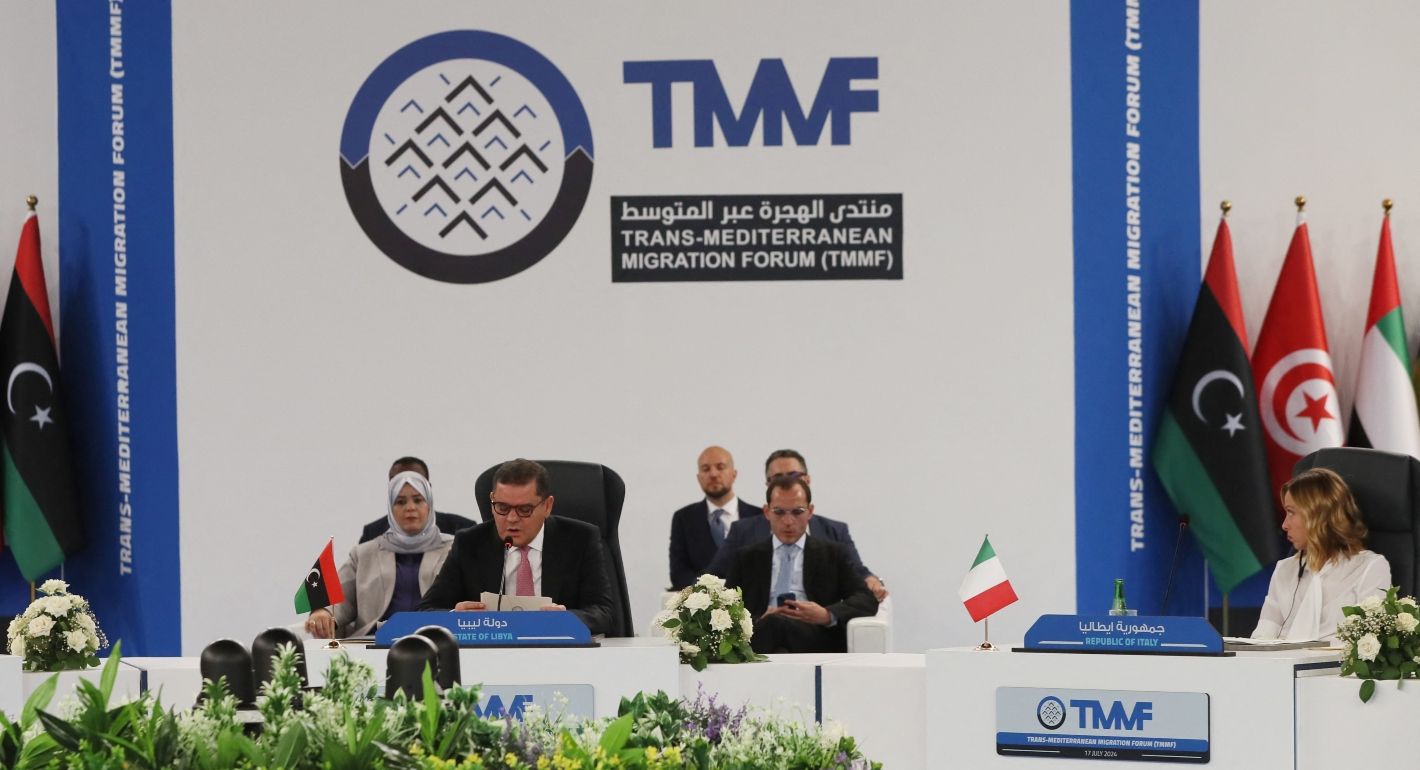
As the EU prepares a new pact for its Southern neighborhood, the union should balance economic and security interests with support for civil society, political reforms, and inclusive governance.
Hussein Baoumi